Zoning laws stop more building plans than most people expect. You find the perfect property, draw up a solid plan, and then local rules say no. It feels frustrating, but it is not always the end of the road.
A variance in real estate gives property owners a legal way to work around zoning restrictions that don't fit their property.
This article covers what a variance is, the types available, who qualifies, and how the approval process works step by step.
Starting the process informed makes all the difference. By the end of this guide, you will know exactly what to do next.
The Basic Definition of a Variance
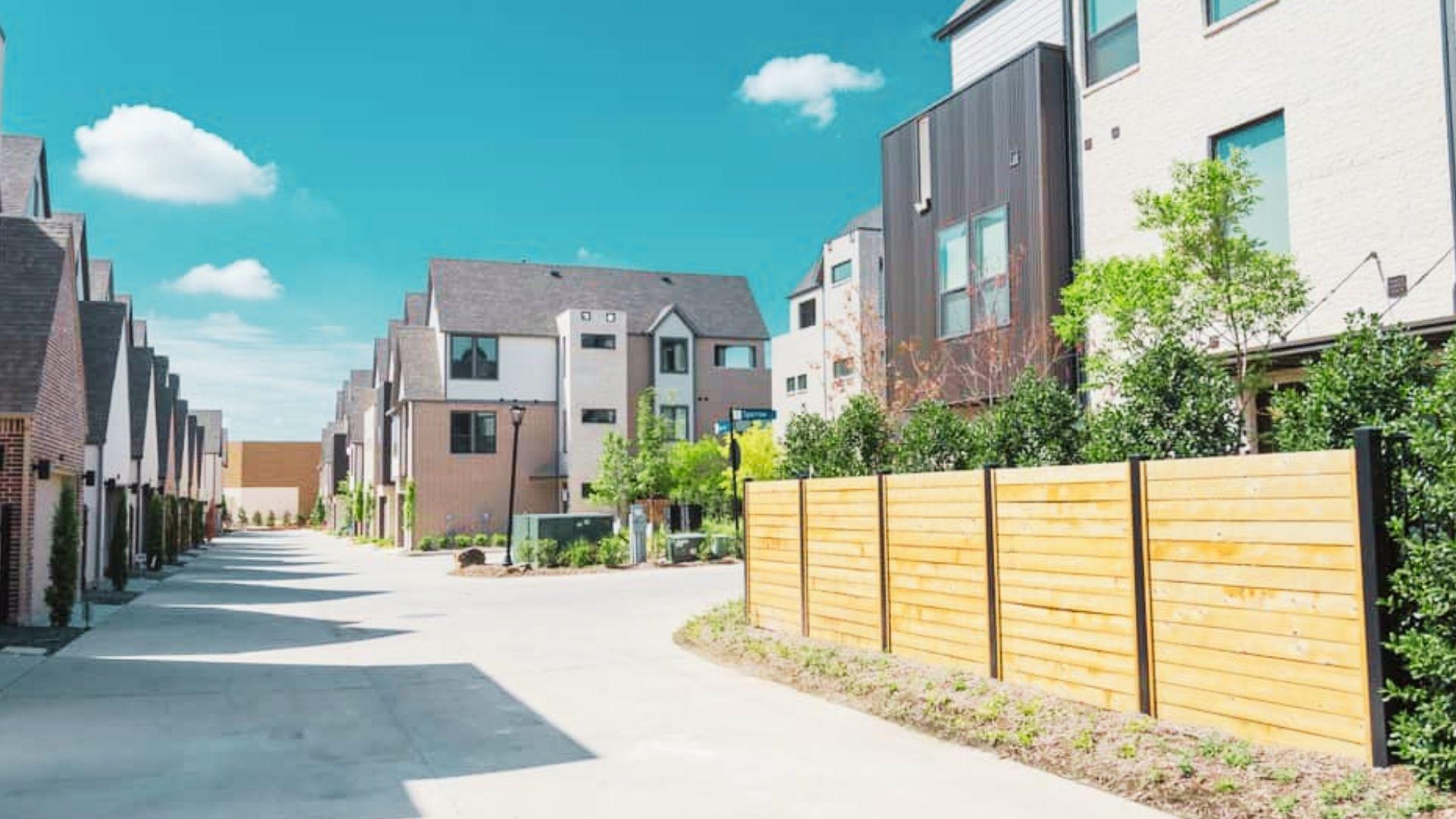
A variance in real estate is an official exception to local zoning rules granted by a government authority.
Zoning laws set strict rules about how land and buildings can be used. Sometimes, those rules don't fit a specific property or situation. A variance allows a property owner to legally do something that zoning laws would normally not permit.
For example, if your lot is too narrow to meet the required side setback, you can apply for a variance to build closer to the property line than usual.
A variance is not a change to the zoning law itself. It's a one-time exception that applies only to your property.
What Are Zoning Laws and Why Do They Matter?

Zoning laws shape how land is used across a city or county.
Local governments divide land into zones, such as residential, commercial, industrial, or agricultural. Each zone comes with rules about what you can build, how tall a building can be, how far it must sit from the street, and how the space can be used.
These laws exist to keep neighborhoods organized, protect property values, and ensure public safety. A quiet residential street stays quiet because zoning laws prevent a factory from being built next door.
But zoning laws are written in general terms. They don't always account for oddly shaped lots, older properties, or specific business needs. That's where a variance becomes necessary.
Variance vs. Rezoning vs. Special Use Permit
These three terms often get mixed up, but they mean very different things.
| Type | What It Does | Scope | Permanence |
| Variance | Grants a one-time exception to an existing zoning rule | Applies only to the specific property | Tied to the property; doesn't change the underlying zoning |
| Rezoning | Officially changes a property's zoning classification (e.g., residential to commercial) | Applies to the property going forward | Permanent; affects all future owners |
| Special Use Permit | Allows a specific use not normally permitted in a zone, under set conditions | Applies to the approved use only | Conditional; tied to compliance with those conditions |
Who Needs a Variance in Real Estate?
Not every property owner will ever need one, but many do.
- Homeowners often apply when they want to add a garage, expand a home, or build a fence that doesn't meet local size or placement rules.
- Real estate developers may need one when working with odd-shaped or smaller-than-average lots that can't meet standard zoning requirements.
- Business owners sometimes apply when they want to open a business type that isn't normally allowed in their zone, or when their building doesn't meet certain commercial standards.
- Investors buying older properties may discover that existing structures were built under old rules and no longer comply. A variance can help them legally continue using or expanding those structures.
If your project doesn't fit the current zoning code but makes practical sense, a variance may be your best option.
Types of Variances in Real Estate
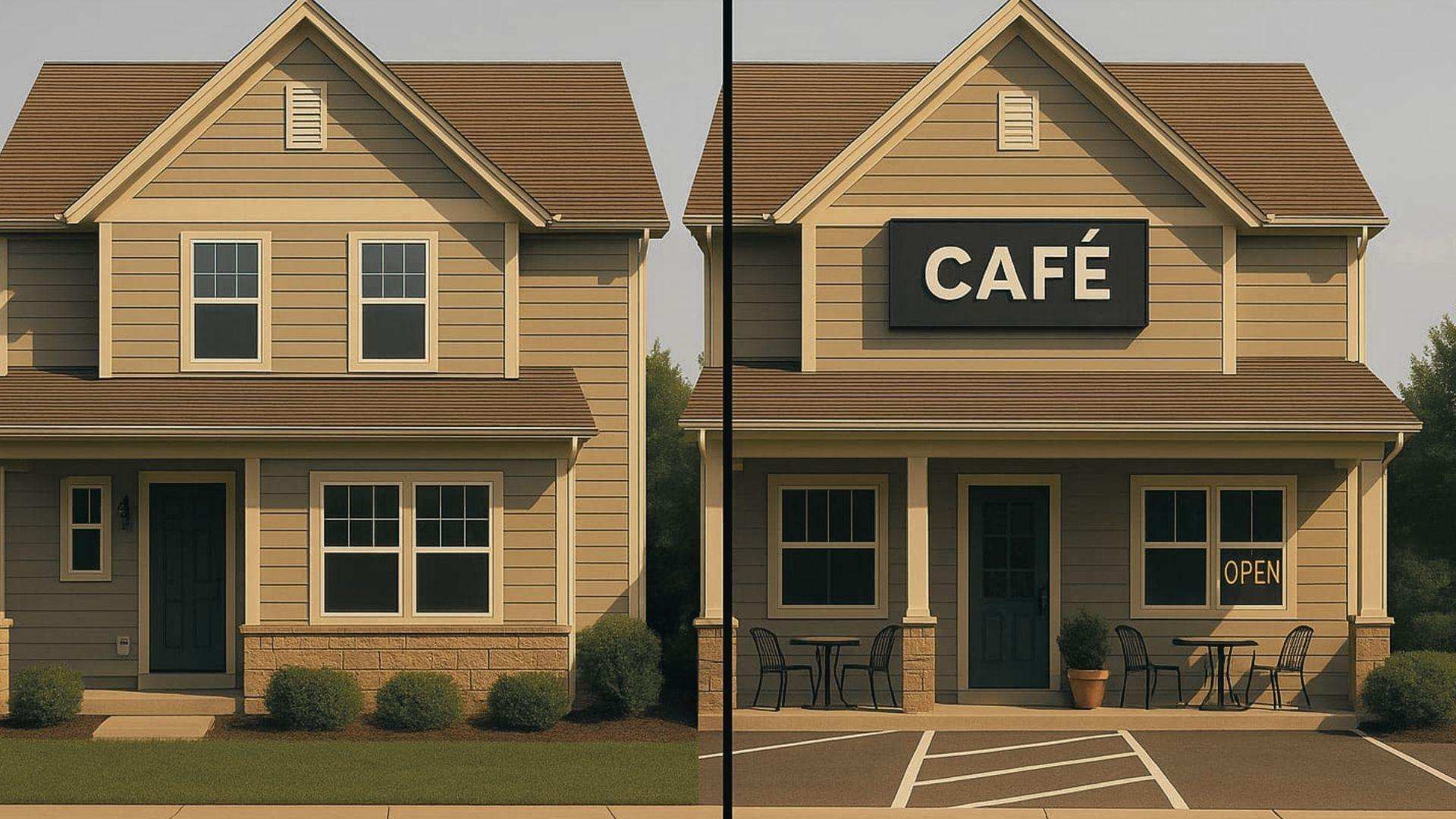
There are two main types of variances, and knowing the difference helps you apply for the right one.
Area Variance
An area variance involves the physical or dimensional rules of a property.
These rules include setbacks, lot size, building height, lot coverage, and square footage. An area variance doesn't change what the property is used for. It only adjusts the physical standards.
Common Examples of Area Variances:
- A homeowner wants to build a deck that extends two feet closer to the rear property line than allowed.
- A developer has a narrow lot and needs a smaller side setback to fit a standard-width home.
- A business wants to add a storage building that exceeds the maximum allowed square footage for the property.
Use Variance
A use variance allows a property owner to use land or a building in a way that isn't permitted in that zone.
This is a bigger task. Use variances are harder to obtain because they go against the core purpose of the zoning category.
Common Examples of Use Variances:
- A property owner in a residential zone wants to open a small retail shop.
- A commercial property owner wants to convert the building into apartments.
- A farmer wants to run a small auto repair business on land zoned strictly for agriculture.
Legal Requirements for Getting a Variance
Before a variance is approved, most zoning boards want to see specific conditions met. The exact requirements vary by state and city, but these are the most common standards used across the country.
- Hardship: You must show the zoning rule makes your property unreasonably difficult to use, financial inconvenience alone isn't enough.
- Property-specific conditions: The hardship must result from something specific about your property, such as its shape, size, topography, or location. It can't be a problem you created yourself.
- No harm to neighbors: The variance must not negatively affect neighboring properties or the surrounding area. The board will consider how your request impacts others on the block.
- Consistency with the general intent of zoning: Even with a variance, your project should still fit the general character of the neighborhood. The board wants to see that you're not trying to completely bypass the system.
- Minimum necessary relief: You should only ask for what you truly need. Asking for more than necessary reduces your chances of approval.
Benefits and Risks of Getting a Variance
A variance can open doors, but it also comes with trade-offs worth knowing before you apply.
Benefits
- Allows you to develop or use your property in a way that wouldn't otherwise be possible under current zoning rules.
- Increases the value and utility of a property, especially for lots that are oddly shaped or smaller than standard.
- Provides a legal path forward without needing to go through a full rezoning process, which can take much longer.
- Gives property owners and developers more flexibility when working with older or non-conforming properties.
- Can be approved relatively quickly compared to other zoning changes when the case is straightforward.
Risks
- There's no guarantee of approval. Even a well-prepared application can be denied if the board disagrees.
- Neighbors can oppose your variance at the public hearing, which can influence the board's decision.
- A variance may come with conditions attached, such as specific design requirements or limits on how the space is used.
- If your variance is approved and you sell the property, the next buyer may face restrictions or confusion about the approved exception.
- Denied applications don't always have a clear appeals path, and reapplying takes time and money.
How to Apply for a Variance?
The process takes preparation, but it follows a logical series of steps.
Step 1: Review Local Zoning Regulations

Start by reading your local zoning code before anything else.
Most cities and counties post their zoning ordinances online. Find the section that applies to your property's zone.
Look for the specific rule you need an exception to, and understand why your property doesn't meet it. This will form the foundation of your entire application.
Step 2: Prepare the Application and Supporting Documents

Gather everything required before submitting.
Most applications ask for a completed form, property survey, site plan, photographs of the property, and a written statement explaining why you need the variance.
Your written statement is your chance to make the case. Be specific, factual, and clear.
Step 3: Submit Plans and Hardship Evidence
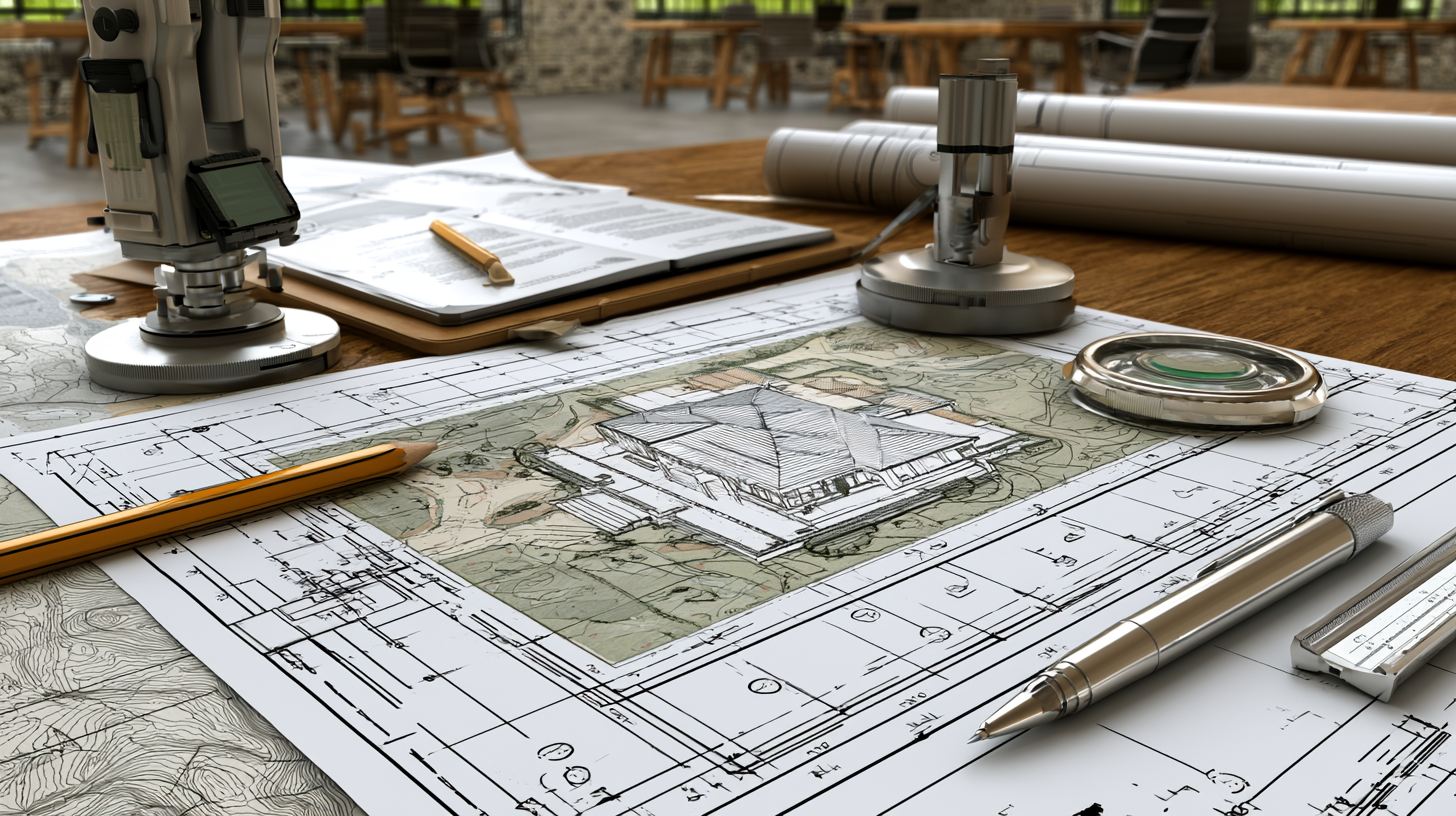
Your hardship argument is the most important part of your application.
Explain exactly what hardship the current zoning rule creates for your property. Show how the condition is tied to your specific lot and not something you caused.
Include any professional reports, engineering documents, or surveys that support your case.
Step 4: Attend the Zoning Board Hearing

You will be required to present your case in person at a public hearing.
The board will ask questions. Neighbors may speak in support or opposition. Be prepared to explain your project clearly, answer questions calmly, and address any concerns raised.
Bringing a land use attorney or zoning consultant to the hearing can make a big difference.
Step 5: Appeal a Denied Application if Necessary

If your variance is denied, the process doesn't always end there.
Most areas allow you to appeal the decision to a higher authority, such as a circuit court or an appeals board.
Before appealing, review the board's written reasons for denial. Address those specific points if you reapply or take the matter to court.
How Long Does It Take and How Much Does a Variance Cost?
In terms of time, most variance applications take between 30 and 90 days from submission to a final decision.
Larger cities with busier zoning boards can take longer. You'll typically wait two to six weeks just for a hearing date to be scheduled after your application is accepted.
In terms of cost, filing fees typically range from $200 to $2,000 depending on the jurisdiction. Beyond the filing fee, you may also spend money on professional surveys, site plans, legal help, and application preparation.
Total costs can range from a few hundred to several thousand dollars depending on how involved your case is.
Some areas also charge additional fees if your application requires environmental review or special notifications to neighboring property owners.
Expert Tips to Improve Your Chances of Approval
Small things can make a significant difference in how the board views your application.
- Hire a local land use attorney or zoning consultant if your case is complex: Someone with local board experience knows what arguments work and how to present them effectively.
- Back your hardship case with specifics: measurements, maps, and documented evidence rather than vague statements.
- Only ask for what you absolutely need: Requesting the minimum necessary relief shows the board that you respect the zoning system and aren't trying to push the limits.
- Attend a zoning board meeting before your hearing date: Watching how the board handles other cases gives you a clear picture of their standards and common questions.
Real-Life Examples of Real Estate Variances
Looking at real situations helps make the process easier to understand.
A homeowner in a residential neighborhood wanted to add a second garage. The local code allowed only one detached structure in the backyard. Because the lot was large and the second garage was set well back from the property line, the board approved an area variance.
The neighbors had no objections, and the hardship was clearly documented.
A small business owner purchased a building in a commercial zone and wanted to add a second floor for office space. The building height would exceed the zone's maximum by four feet.
The owner submitted an engineering report showing that the standard height limit wasn't practical given the building's existing structure. The board approved it with conditions.
A developer bought a narrow infill lot in an older urban neighborhood. The lot was 20 feet wide, but the zoning code required a minimum lot width of 25 feet.
The developer applied for an area variance, provided a site plan showing the proposed home would fit the neighborhood's character, and got approval after a straightforward hearing.
Common Mistakes to Avoid
Many applications fail not because the case is weak, but because of easily preventable errors.
- Submitting an incomplete application: Missing documents, unsigned forms, or unclear site plans can delay or disqualify your application immediately. Double-check every requirement before submitting.
- Failing to notify neighbors: Many jurisdictions require you to inform adjacent property owners before the hearing. Missing this step can result in automatic denial or postponement.
- Overstating your hardship: Claiming extreme hardship without solid evidence makes you look unprepared. Boards are experienced and can spot weak arguments quickly.
- Asking for more than you need: If you need a five-foot setback reduction, don't ask for ten. Overshooting your request signals that you're not acting in good faith.
- Going to the hearing unprepared: Showing up without a clear presentation, supporting materials, or answers to obvious questions leaves a poor impression. Preparation is a sign of seriousness.
Conclusion
Understanding a variance in real estate puts you in control of situations that might otherwise stop your project cold.
Zoning rules exist for good reasons, but they don't always fit every property. Knowing how variances work, what types are available, and what the board is looking for gives you a real advantage going in.
Take the time to prepare your case well, listen to your neighbors, and present your request honestly.
Frequently Asked Questions
Can a variance be revoked after it's been approved?
Yes, a variance can be revoked if the conditions tied to the approval are not followed or if the approved use stops for an extended period.
Does a variance transfer to a new owner when a property is sold?
In most cases, yes. Variances are attached to the property, not the owner. Always confirm this with your local zoning office.
Can I apply for a variance on a property I'm renting, not owning?
Generally, only the property owner can apply. Tenants would need written authorization or the owner must submit on their behalf.
Is a variance the same across all states in the US?
No. Rules, fees, timelines, and approval standards vary by state and even by city. Always check your local zoning code.