Maybe you found a house you love, but the seller still owes money on their loan. Or perhaps you're a seller looking to complete a sale without paying off your existing mortgage first. That's where a wraparound mortgage, often called a "wrap," can help.
A wraparound mortgage is a form of seller financing in which the seller keeps their current mortgage in place while creating a new, larger loan that includes the remaining balance.
The buyer makes one monthly payment directly to the seller, who uses part of that payment to cover the original mortgage and keeps the difference.
This arrangement can help buyers who have trouble qualifying for a traditional mortgage and may allow both parties to complete the transaction more quickly than a conventional home sale.
How Does a Wraparound Mortgage Work?

A wraparound mortgage lets the seller finance the buyer's purchase without paying off the existing home loan first.
Understanding the process makes it easier to see how payments flow between the buyer, seller, and original lender.
The seller keeps their existing mortgage in place instead of paying it off at closing. They create a new loan with the buyer that includes the remaining balance on the original mortgage plus any additional amount being financed.
The buyer makes monthly payments to the seller, who then uses part of that money to pay the original lender and keeps the remaining amount as income.
For example, if a seller still owes $150,000 at a 4% interest rate and sells the home for $220,000 using a 6% wraparound mortgage, the buyer makes payments based on the $220,000 loan.
The seller continues paying the original mortgage while keeping the difference between the two interest rates, which is one of the main financial benefits of a wraparound mortgage.
Who Owns the Property in a Wraparound Mortgage?
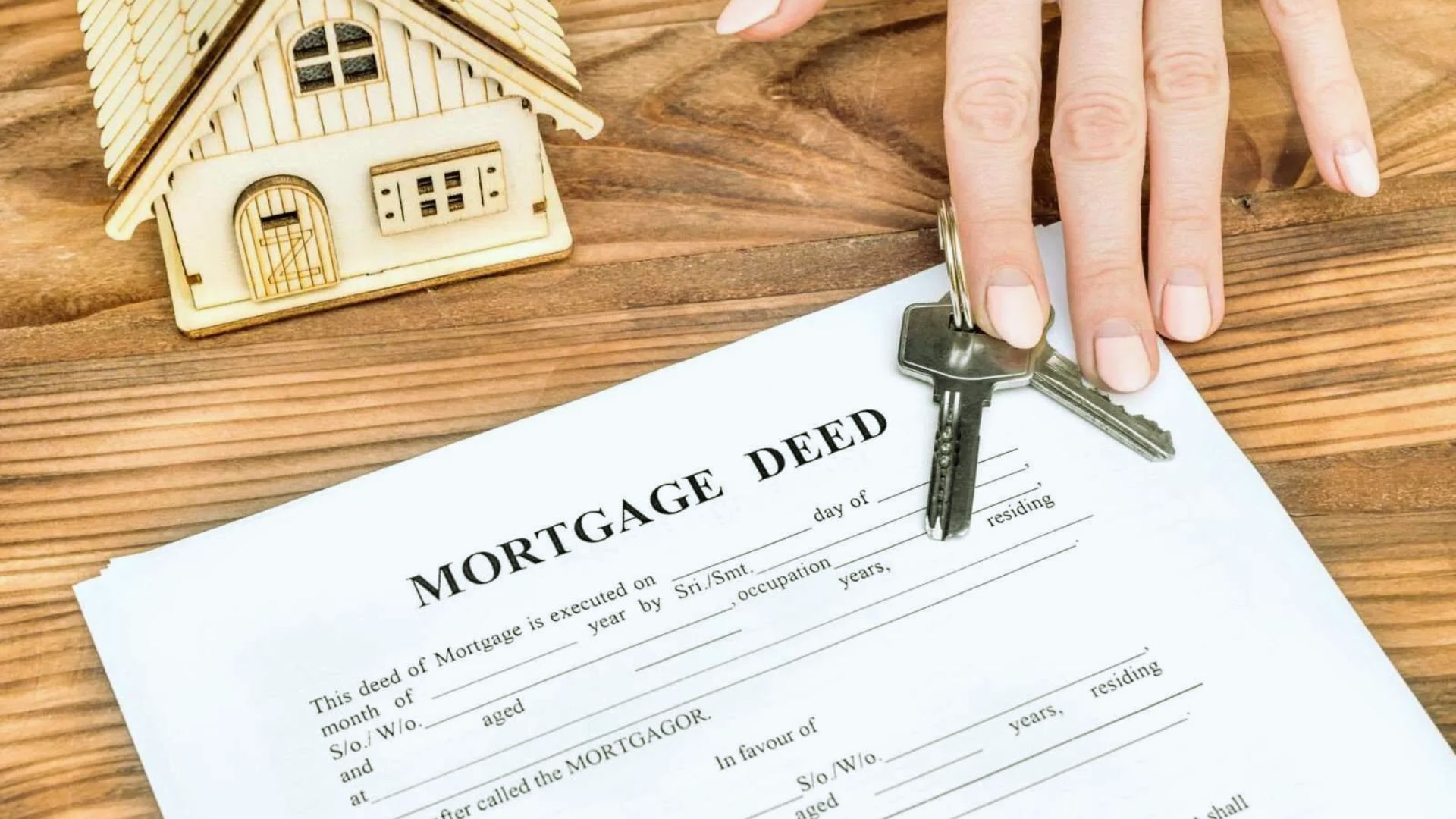
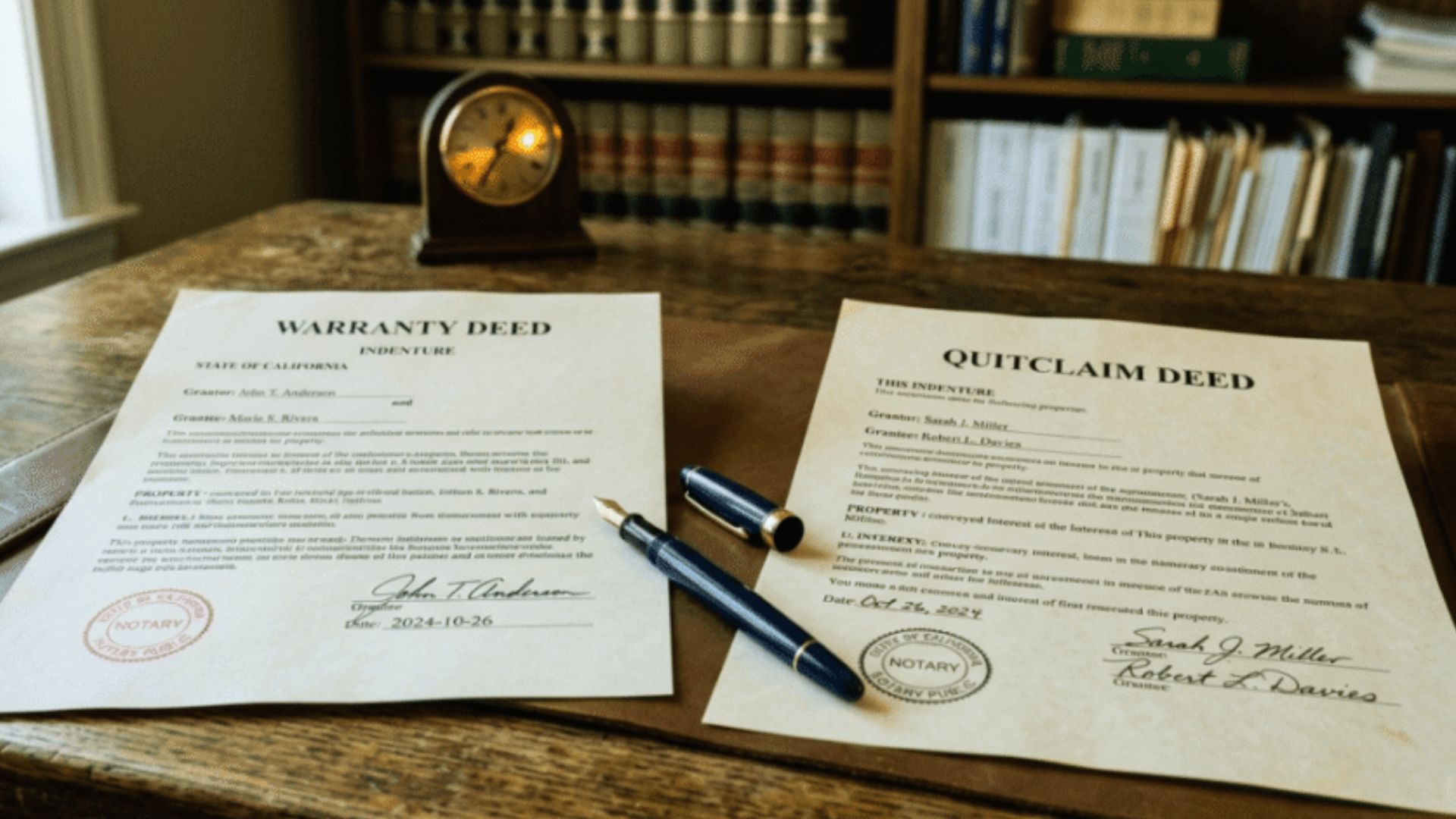
In most wraparound arrangements, title transfers to the buyer at closing, just like a regular sale the buyer becomes the legal owner, but the property still acts as collateral for both loans, the original one and the wraparound one.
Some deals use a land contract instead, where the seller keeps the title until the loan is paid off; this changes the legal protections on both sides, so it matters which structure is used.
The buyer is responsible for making full, on-time payments to the seller, and the seller is responsible for forwarding the correct portion to their original lender.
If the seller misses a payment on the underlying loan, the buyer's home could be at risk even though the buyer paid on time which is exactly why clear records and a solid legal agreement matter so much here.
The Main Parts of a Wraparound Mortgage
Understanding the main parts of a wraparound mortgage makes the agreement easier to evaluate. Each component affects how payments are made and how the loan works over time.
- The seller's original mortgage stays in place throughout the transaction. Its remaining balance, interest rate, and loan term determine how the wraparound mortgage is structured.
- The wraparound loan balance is the total amount the buyer agrees to repay. It includes the remaining balance on the existing mortgage plus any additional amount financed by the seller.
- The interest rate on a wraparound mortgage is often higher than the rate on the original loan. The difference between the two rates is typically how the seller earns a profit.
- Many wraparound mortgages have loan terms of 3 to 5 years and end with a balloon payment. The buyer usually refinances with a traditional lender before the deadline to pay off the remaining balance.
The Due-on-Sale Clause: The Biggest Legal Risk
Most traditional mortgages include a due-on-sale clause, which lets the original lender demand full payment if the property is sold or transferred without their approval.
Because a wraparound mortgage changes who's actually making the payments, it can trigger this clause even though the seller technically keeps their original loan open and if the lender finds out and calls the loan, the seller must pay the full balance immediately or risk foreclosure.
There's one narrow federal exception: The Garn-St. Germain Depository Institutions Act, blocks lenders from enforcing a due-on-sale clause for certain transfers, mainly between family members or into a living trust, it generally does not protect an arm's-length sale to an unrelated buyer, which is the most common wraparound scenario.
Some sellers reduce this risk by working with lenders who allow assumable loans, using a trust structure, or simply confirming their loan terms before moving forward a real estate attorney can spell out exactly how much risk applies to a specific loan.
Wraparound Mortgages and Federal Lending Rules

Because the seller is acting as a lender, wraparound deals can also trigger federal seller-financing rules under the Dodd-Frank Act and the SAFE Act.
A seller who is a natural person, estate, or trust and finances three or fewer properties in a 12-month period is generally exempt from mortgage-loan-originator licensing, though even then the loan must meet certain structural requirements.
Sellers who finance more than three properties in a year lose that exemption and must document the buyer's ability to repay, following specific underwriting rules set by the Consumer Financial Protection Bureau.
This mostly matters for investors doing multiple wraps a year rather than a single homeowner selling their own house.
State-Specific Rules: Texas as an Example
Property and lending law is state-governed, so requirements vary.
Texas is a useful example of how detailed these rules can get, under Texas Finance Code Chapter 159 and Texas Property Code, a wrap seller-lender must give the buyer a written disclosure about the existing lien and property insurance at least seven days before closing, in at least 12-point type.
Skipping the disclosure can give the buyer the right to cancel the deal. Always check the specific statute in the state where the property sits rather than assuming the rules are the same everywhere.
Wraparound Mortgage vs. Traditional Mortgage
Both financing options help buyers purchase a home, but they work differently. Understanding the key differences can help you choose the option that best fits your situation.
| Feature | Wraparound Mortgage | Traditional Mortgage |
| Lender | The seller | A bank or mortgage company |
| Credit check required | Often not required | Yes, standard requirement |
| Interest rate | Set by the seller, often higher | Set by market rates |
| Closing speed | Usually faster | Can take weeks |
| Due-on-sale risk | Yes, a real concern | Not applicable |
| Common structure | Deed transfers at closing; property secures two loans at once | Deed transfers at closing; property secures one loan |
A traditional mortgage tends to work best for buyers with strong credit and steady income who want lower rates and standard legal protections.
A wraparound mortgage fits buyers who need more flexible qualifying terms, or sellers who want to close quickly and earn extra income from the interest spread.
Benefits and Risks
For buyers:The upside is that buyers with lower credit scores or hard-to-document income can still purchase a home, often with a faster closing and more room to negotiate terms directly with the seller.
The downside is exposure, if the seller stops paying the original mortgage, the buyer's home can end up in foreclosure even though the buyer paid on time, and buyers don't always get the full legal protections that come with a bank loan.
For sellers: The upside is income from the interest-rate spread, a faster sale in a slow market, and access to buyers who wouldn't otherwise qualify.
The downside is that if the buyer stops paying, the seller still owes the original lender out of pocket on top of carrying the due-on-sale risk described above.
For the original lender: A wraparound deal means losing some visibility into who's actually occupying and paying for the property, which is precisely why the due-on-sale clause exists in the first place.
When Does a Wraparound Mortgage Make Sense?

This option tends to work well when a buyer has trouble qualifying for a standard loan but has steady income to make monthly payments, and it fits sellers who own their home outright (or have a low remaining balance) and want to earn income by financing the sale themselves.
It's a poor fit when the seller's mortgage has a strict, actively enforced due-on-sale clause, or when the buyer would qualify easily for a traditional mortgage with better rates and stronger legal protections anyway.
How to Set Up a Wraparound Mortgage

Setting up a wraparound mortgage requires careful planning and proper documentation. Following the right steps can help reduce legal, financial, and lending risks for both parties.
Review the Existing Mortgage Terms
Before signing a wraparound mortgage agreement, review the existing mortgage in detail. Confirm the remaining loan balance, current interest rate, monthly payment, and loan status to make sure the seller is up to date.
Pay close attention to the due-on-sale clause, which may allow the lender to demand full repayment if the property is transferred. Understanding these terms helps both parties identify potential risks and avoid unexpected issues after the sale.
Prepare the Purchase Agreement
The purchase agreement should clearly explain every important part of the transaction. Include the purchase price, wraparound loan amount, interest rate, monthly payment, payment due dates, loan term, and any balloon payment requirements.
The agreement should also outline responsibilities for taxes, insurance, maintenance, and late payments. A detailed written contract reduces confusion and provides a clear reference if questions or disputes arise later.
Complete the Legal Documents
Once the terms are finalized, prepare the required legal documents to complete the transaction. These typically include a promissory note, which states the buyer's promise to repay the loan, and a deed of trust or mortgage that secures the debt against the property.
Both parties should carefully review every document before signing. Having a real estate attorney review the paperwork can help ensure the documents comply with state laws and protect the interests of both the buyer and the seller.
Common Mistakes to Avoid
Many wraparound mortgage problems can be avoided with careful planning. Understanding these common mistakes, and the steps that prevent them, can help protect both buyers and sellers from unnecessary risks.
- Skipping legal review. Handling the paperwork without an attorney can leave out important clauses or create unclear terms and lead to disputes later. Work with a real estate attorney to review the contract, identify legal issues, and explain your obligations before you sign.
- Ignoring the due-on-sale clause. Failing to check whether the existing mortgage permits this type of transfer can trigger the lender's due-on-sale clause, which could require the remaining loan balance to be paid immediately.
- Not verifying payment history. Buyers should confirm the seller is current on the original mortgage before signing, ideally with confirmation directly from the lender, since missed payments could create financial risk for the buyer.
- Leaving payment terms vague. Make sure the payment schedule, late fees, grace periods, interest rate, and default terms are clearly written and easy to understand. Vague agreements often lead to misunderstandings and disputes.
- No clear balloon-payment plan. Agreeing to the loan without planning for the balloon payment can create financial stress. Plan a refinancing strategy well before the deadline, since waiting until the last minute can leave you with fewer options if an application is delayed or denied.
- Skipping a neutral third party. Not using a title company or loan servicing company to collect and forward payments can increase the risk of payment disputes. Independent recordkeeping helps protect both the buyer and the seller.
Conclusion
A wraparound mortgage can help buyers who have difficulty qualifying for a traditional home loan while giving sellers an opportunity to earn income through interest payments.
However, this type of financing also carries important risks. The due-on-sale clause in the existing mortgage could allow the lender to demand full repayment, and missed payments by either party can create serious financial and legal problems.
Before signing any agreement, make sure all terms are clearly documented, verify the status of the existing mortgage, and have a qualified real estate attorney review the contract and your state's legal requirements.
Frequently Asked Questions
Is a wraparound mortgage legal in every state?
Rules vary by state, and some like Texas have specific disclosure or licensing requirements for seller financing. Always check local law or ask an attorney before proceeding.
Can a buyer refinance out of a wraparound mortgage early?
Yes, buyers can refinance with a traditional lender at any point, often to avoid the balloon payment or to secure a lower interest rate.
Does a wraparound mortgage affect the buyer's credit score?
Since payments usually go to the seller and aren't reported to credit bureaus, a wraparound mortgage typically doesn't help build the buyer's credit history.
What happens if the seller dies during a wraparound mortgage?
The seller's estate or heirs typically inherit responsibility for the original loan, though the buyer's payment obligations under the wraparound note usually continue.
Can a wraparound mortgage be used for commercial property?
Yes, though the terms, risks, and legal requirements including state disclosure rules like Texas's can differ from residential deals.