Selling a home raises a question most people do not think about until they are deep in the process: when do you stop paying mortgage when selling a house?
The answer matters more than you think, and getting it wrong can cost you real money.
This blog covers the full payoff process, what happens to your escrow account, what closing day looks like, and the special situations that catch sellers off guard.
If you have a second mortgage, a government-backed loan, or a sale closing near your due date, there is specific guidance here for you.
With years of research into real estate finances, here is a clear, accurate breakdown you can actually use.
Let’s get started.
Quick Answer: When Do You Stop Paying Mortgage When Selling A House?

You continue paying your mortgage right up until the day your home sale closes.
At closing, the loan is paid off through the sale proceeds. After that, no more payments are due.
The loan does not pause while the home is listed. It stays fully active until the title company sends the payoff amount to your loan servicer and the account is settled.
How the Mortgage Payoff Process Works
Your mortgage payments remain due on the same schedule every month until the loan is officially cleared.
You list the home. You accept an offer. Your title company contacts your loan servicer to request a payoff statement, a document showing the exact dollar amount needed to close out the loan by a specific date. At closing, the buyer’s funds cover that amount and your loan is paid off.
One important note: if closing costs, a second lien, or an underwater balance reduce what you net, you may need to bring funds to closing yourself.
What Is a Mortgage Payoff Statement?
A payoff statement shows the total amount owed to fully pay off your loan by a specific date. It includes your remaining principal, accrued interest, any prepayment penalties, and fees.
Your payoff request goes to your loan servicer, not necessarily the original lender. Servicers handle billing and account management, even if you took the loan elsewhere.
Payoff amounts change daily, so request the statement close to your closing date and ask for an update if closing gets delayed.
What Happens on Closing Day
The buyer’s funds arrive. The title company pays your loan servicer first, then settles other liens, commissions, and closing costs. Whatever remains goes to you.
Once your servicer processes the payoff, your mortgage is closed and a lien release is recorded.
What Happens to Your Escrow Account After Selling
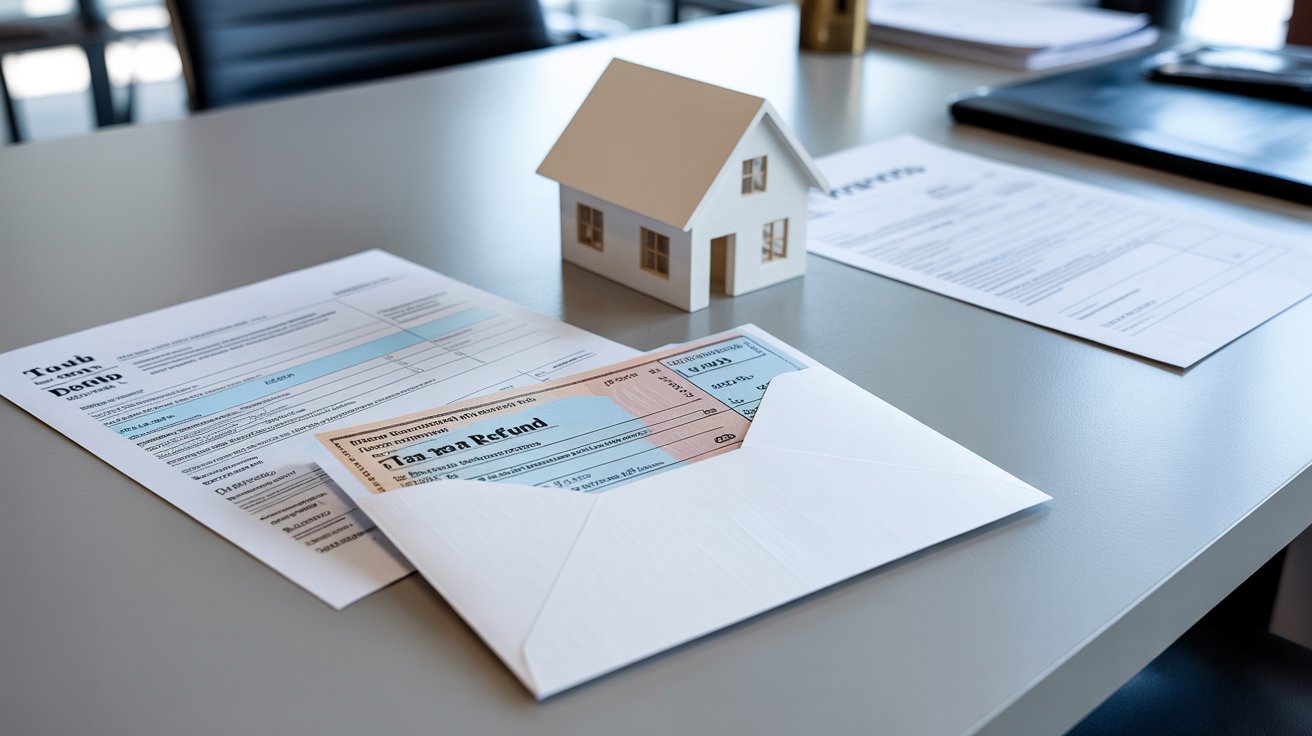
If your mortgage includes an escrow account, your servicer has been collecting money monthly for property taxes and homeowner’s insurance. When you sell, that account holds a balance.
After your loan is paid off, your servicer must refund that balance to you. The refund typically arrives by check within a few weeks, often 20 to 30 days after closing, though some servicers may take up to 45 days. It does not appear in your closing settlement.
At closing, property tax prorations are also calculated. If taxes have been prepaid, the buyer owes you a credit. If unpaid through closing, you owe the buyer a credit. HOA dues are prorated the same way.
One key distinction: mortgage interest is handled through your payoff statement, while property tax prorations appear separately on the settlement statement.
Review your closing disclosure carefully so you understand each line.
What If Your Sale Closes Near Your Monthly Payment Date?
Say your payment is due on the 1st and your closing is set for the 5th. Should you pay?
Yes. Always pay. Missing it risks late fees and a credit hit.
Mortgage interest is paid in arrears, your June 1st payment covers May’s interest.
At closing, your payoff includes per diem interest accrued from your last payment through the closing date. Any overlap gets reconciled through the settlement statement.
What If You Sell Your House for Less Than Your Mortgage Balance?
This is called being underwater. Your sale price does not cover what you owe.
Short Sale Explained: A short sale means your loan servicer agrees to accept less than the full payoff to let the sale close. The gap between proceeds and balance owed is called a deficiency.
Lender Approval Requirements: Short sales require servicer approval. You will need to document financial hardship and submit supporting paperwork. The process can take months. Start early.
Financial and Credit Impact: A short sale stays on your credit report for several years and can lower your score significantly. It is less severe than foreclosure, but the impact is real.
The forgiven debt may also count as taxable income under IRS rules. Talk to a tax professional before agreeing to a short sale.
Extra Costs to Consider When Paying Off Your Mortgage
The payoff amount includes more than your remaining principal.
- Per diem interest: Daily interest accrued between your last payment and closing date.
- Prepayment penalties: Some older loans charge a fee for early payoff. Check your loan documents.
- Recording fees: Charged by the county to remove the lien from the property record.
Ask your servicer for an itemized payoff breakdown.
Special Situations That Affect Mortgage Payments
Let’s know about few special situations that affect your mortgage payments:
Refinanced Mortgages
Your loan may now be serviced by a different company than your original lender. Make sure your title company has the correct servicer information to avoid delays.
Home Equity Loans or Second Mortgages
Every lien on the property must be cleared at closing. A home equity loan or second mortgage carries its own payoff balance, and both are deducted from your sale proceeds.
FHA, VA, and USDA Loans
FHA loans may have specific rules around unearned mortgage insurance premiums.
VA loans may carry a funding fee financed into the original balance, which affects your total payoff amount.
USDA loans sometimes include subsidy recapture requirements if the home is appreciated in value. Contact your servicer before closing to confirm your exact terms.
Step-by-Step Timeline: From Listing to Final Mortgage Payment
Let’s have a look at the steps:
- Home listed. Monthly payments continue on schedule.
- Offer accepted. Payments are still due as normal.
- The closing process begins. Title company requests payoff statement from servicer.
- Settlement statement prepared. Tax, HOA, and escrow prorations calculated.
- Closing day. Sale proceeds pay off the loan and all liens.
- The servicer issues a lien release within a few weeks.
- Escrow refund arrives by check, typically within 20 to 45 days after closing.
Common Mistakes Sellers Should Avoid
- Not paying the month of closing. Your payment is due regardless. Pay it.
- Requesting the payoff statement too late. Give your title company time to review before closing day.
- Forgetting about second liens. Every lien must be cleared. Check your title report.
- Missing the escrow refund. If no check arrives within 45 days, follow up with your servicer.
- Overlooking short sale tax implications. Talk to a tax professional before agreeing to one.
Expert Tips to Manage Mortgage Payments Smoothly
Request your payoff statement at least two weeks before closing.
Ask your servicer if your loan carries a prepayment penalty before closing day.
Review your closing disclosure line by line.
Confirm your servicer received the payoff funds and that your account shows a zero balance.
Keep records of payoff confirmations, lien releases, and your escrow refund.
Note: Real estate and tax rules vary by state. This content is for general guidance only. Consult a licensed real estate professional or tax advisor for your specific situation.
Conclusion
The core answer is straightforward. You continue paying your mortgage until closing day, when the loan is settled through your sale proceeds. But the full picture includes more.
Escrow refunds, property tax prorations, per diem interest, second lien payoffs, and loan-specific rules all affect what you actually receive at the table.
Knowing how each piece works helps you avoid expensive surprises.
Review your settlement statement carefully, stay in contact with your title company, and confirm with your servicer that everything is cleared after closing.
If your situation involves a short sale or a government-backed loan, professional guidance before you move forward is worth it.
What part of the mortgage payoff process are you still working through?
Frequently Asked Questions
Does mortgage interest stop accruing the day I accept an offer?
No. Interest accrues daily until the loan is fully paid off at closing. Your payoff statement will include all interest accrued through the actual closing date.
What is the difference between my lender and my loan servicer?
Your lender originally funded the loan. Your servicer manages the account, collects payments, and issues payoff statements. These may be the same company or two different ones. Confirm who your servicer is before requesting a payoff.
Will I get my escrow balance back after selling?
Yes. After your mortgage is paid off, your servicer is required to return your remaining escrow balance. Expect the refund by check within a few weeks, though some servicers take up to 45 days.
Can closing costs cause me to owe money at closing even if I have equity?
Yes. If your total closing costs, commissions, and loan payoff together exceed your sale proceeds, you will need to bring cash to closing to cover the shortfall.
How does a short sale affect my taxes?
The amount your servicer forgives in a short sale may count as taxable income under IRS rules. This depends on current tax law and your personal situation. Consult a tax professional before agreeing to a short sale.