

Losing someone is hard enough without wondering who can read their paperwork. Yet that question comes up fast, for families settling an estate and for people planning their own.
Whether wills are public record matters more than most people expect. A will can name your heirs, your executor, and sometimes what you left behind.
That’s real information about your family, sitting in a file anyone can request. Some of it stays private. Some of it doesn’t, and the line isn’t where most people assume.
Disclaimer: This article gives general information about wills and probate records. Filing rules, public access, and redaction practices vary by state and county, and laws change. It is not legal advice. For a specific estate or your own planning, check with your local probate court or a licensed estate attorney.
Are Wills Public Record?
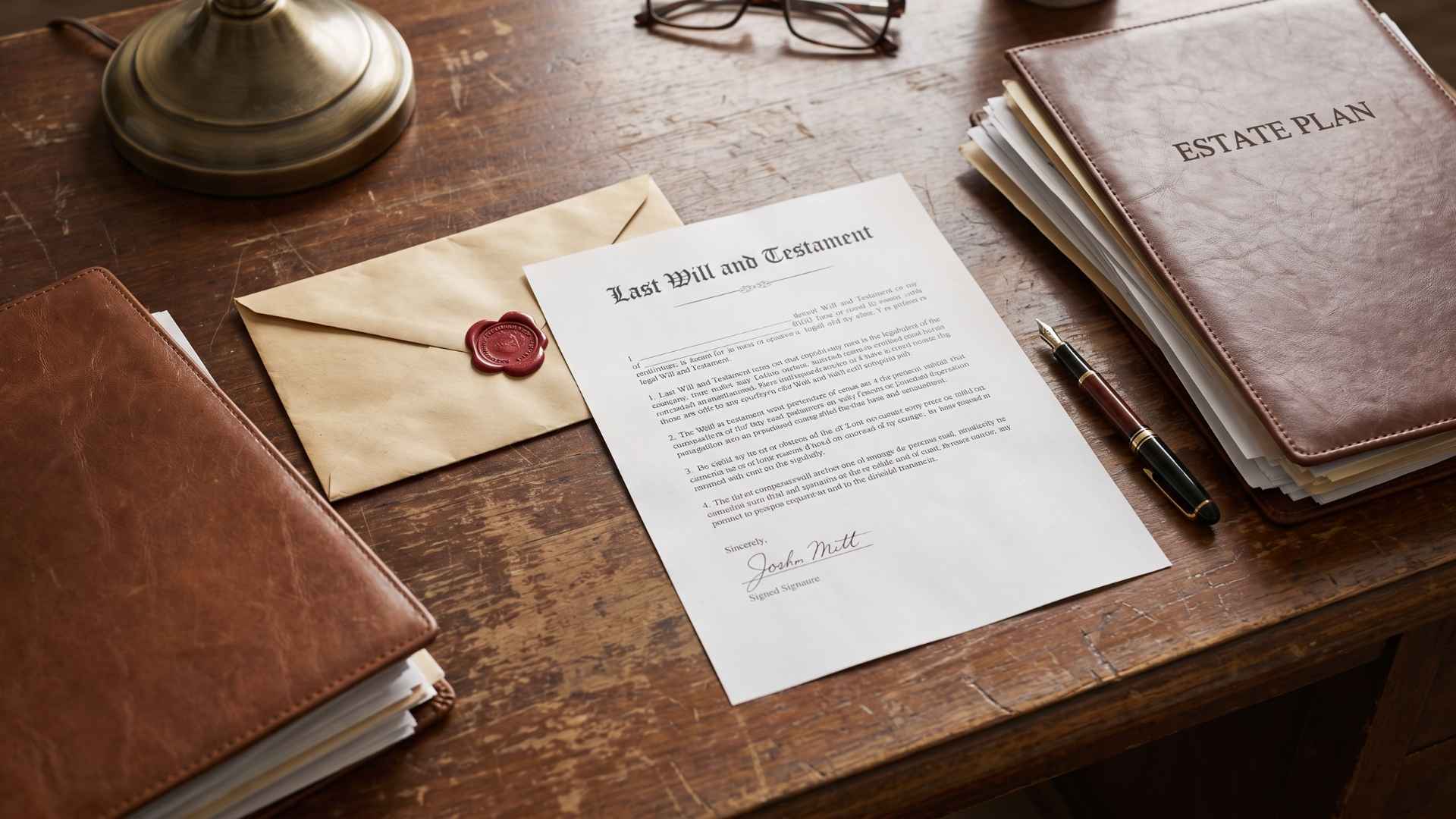
Yes, but only after the person dies and the will is filed with a probate court. While they are alive, a will is private.
Death alone doesn’t make a will public. The court filing does. That’s also why some wills never appear in any public file. If nobody files the will, there is no court record to search.
Timing, access, and online availability vary by state and county. Always check the rules where the person lived.
What Becomes Public When a Will Goes Through Probate?
 A probate file can tell a stranger a lot about a family. Here is what it usually holds and what courts may hide.
What Appears in The Court File
Once a will is filed, the court opens a case. Most of the following goes into it:
- The will itself
- The executor , the person running the estate
- The beneficiaries, meaning the people who inherit
- Inventories of what the person owned and owed, often down to appraised home values and bank account balances
- Petitions, notices, and distribution summaries, including creditor notices and the final accounting of who received what
How much you see depends on what the court requires the estate to file. A small estate may be a few pages. A large one can run hundreds.
What May Be Redacted or Restricted
Public doesn’t mean unrestricted. Some courts mask Social Security numbers and full birthdates.
Others restrict certain filings, such as account numbers or medical records. Rules differ by state. Don’t assume everything is visible, and don’t assume everything is hidden.
A probate file in one county might show the full list of assets and who inherits them, while blacking out the account numbers on an attached bank statement. The same filing in another county might leave those numbers visible.
When Does a Will Stay Private?
 Many people believe that skipping probate keeps the will hidden. That’s only half true. Your assets and your will can take two different paths.
Which Assets Skip Probate
Some assets pass straight to the new owner without a judge involved. These never enter the probate file:
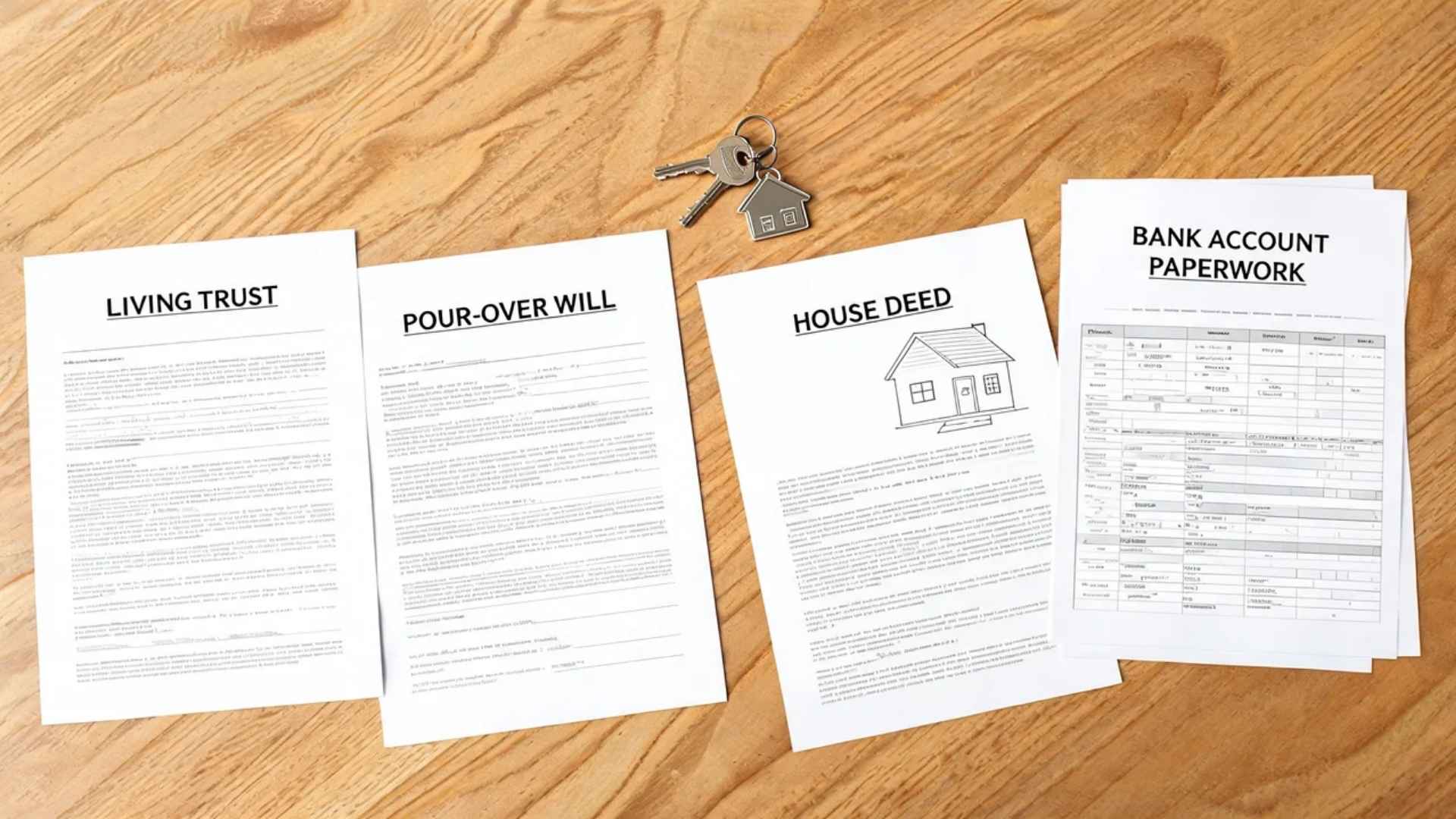
- Assets held in a revocable living trust
- Property owned jointly with right of survivorship
- Accounts with a transfer-on-death designation
- Life insurance and retirement accounts with named beneficiaries
These stay private because the court never handles them. A trust is private because nobody files it. A will is different because it usually does get filed.
Why a Will Can Still Become Public without Probate
In most states, whoever holds the original will must deliver it to the court after the person dies. California, for example, sets a 30-day deadline. This is true even when almost nothing needs probate.
A pour-over will shows how this works. It sends leftover assets into a trust. The trust stays private, but the will becomes public once filed.
So a will stays private only if it is never filed. Deadlines and penalties vary by state, so verify yours before planning around privacy.
How Do You Find or Get a Copy of a Will?
Learning how to find a will in public records starts with the right court. Use the county where the person lived when they died. Here is the usual path:
- Identify the probate court for that county. It may be called a surrogate’s court or a register of wills.
- Search by the person’s full name or the case file number.
- Check whether the court offers an online search. Many do.
- If not, send a written request or visit the clerk’s office.
Expect a small copying fee at most courts, often $0.25 to $1 per page, or a flat $10 to $25 for a certified copy. Some courts post only case details online, so you may still need the clerk for the will itself.
You can’t look up a will before someone dies. If you find nothing, the will may never have been filed. It may also sit in another county where the person owned property.
Final Thoughts
If wills are public record, it comes down to one thing: whether anyone files the document. Once it’s in a court file, it can be read.
Planning well protects your assets. It doesn’t always protect the paperwork that points to them.
That gap between private assets and a public will is where families get surprised.
If you’re looking for a loved one’s will, start with the county court clerk. If you’re writing your own, ask an estate attorney what you want kept private.
Frequently Asked Questions
Can you look up a will before someone dies?
No. While the person is alive, the will is private. Courts don’t release it to the public or to family. It becomes accessible only after death, once it is filed with the probate court.
Is a will public record?
Yes, once it’s filed with a probate court. Before that, it belongs only to the person who wrote it, and after death, only to the executor until the filing happens.
Can someone legally hide a will?
In most states, no. Whoever holds the original must usually deliver it to the court after the person dies. Withholding it can bring legal penalties. Rules and deadlines vary by state. If you suspect a will is being hidden, a probate attorney can ask the court to compel its filing.
Can you find a will online for free?
Sometimes. Many county courts offer free online case searches by the deceased person’s name. These searches may show whether a will was filed. The will itself is often not posted. The court clerk can provide a copy, usually for a small fee.
Are wills public record in every state?
Broadly, yes, once a will is filed with a probate court. The details still vary by state. States differ on filing deadlines, online access, and what gets redacted. Check the rules for the county or state where the person lived.