Can You Get a Reverse Mortgage on a Mobile Home?

A mobile home situated in a residential neighborhood, showcasing its exterior and surrounding environment.
Table of Content

Owning a mobile home does not automatically lock you out of retirement income options. Many homeowners get told "no" without learning why, or without checking whether their specific home actually qualifies. Many manufactured homes can access this type of loan if they meet a handful of clear requirements.

This guide breaks everything down in plain terms: the exact eligibility rules for manufactured homes, the reasons some homes get rejected, and the steps to follow if your home qualifies, along with the small details that trip up otherwise strong applications.

You'll also find the different loan types available, the real costs involved, a detailed comparison of benefits and drawbacks, and what to do if your home does not currently qualify, since a few paths can still open the door later.

By the end of this guide, you will know exactly where your home stands, which documents to gather, and what to do next.

Mobile Home vs. Manufactured Home: Why It Matters

Image showing the difference between a mobile home and a manufactured home.

Eligibility depends entirely on which type of home you own. Lenders draw a hard line between the two, and mixing them up is the single biggest reason applications get rejected before they even start. Getting this distinction right from the beginning saves time and prevents confusion later in the process.

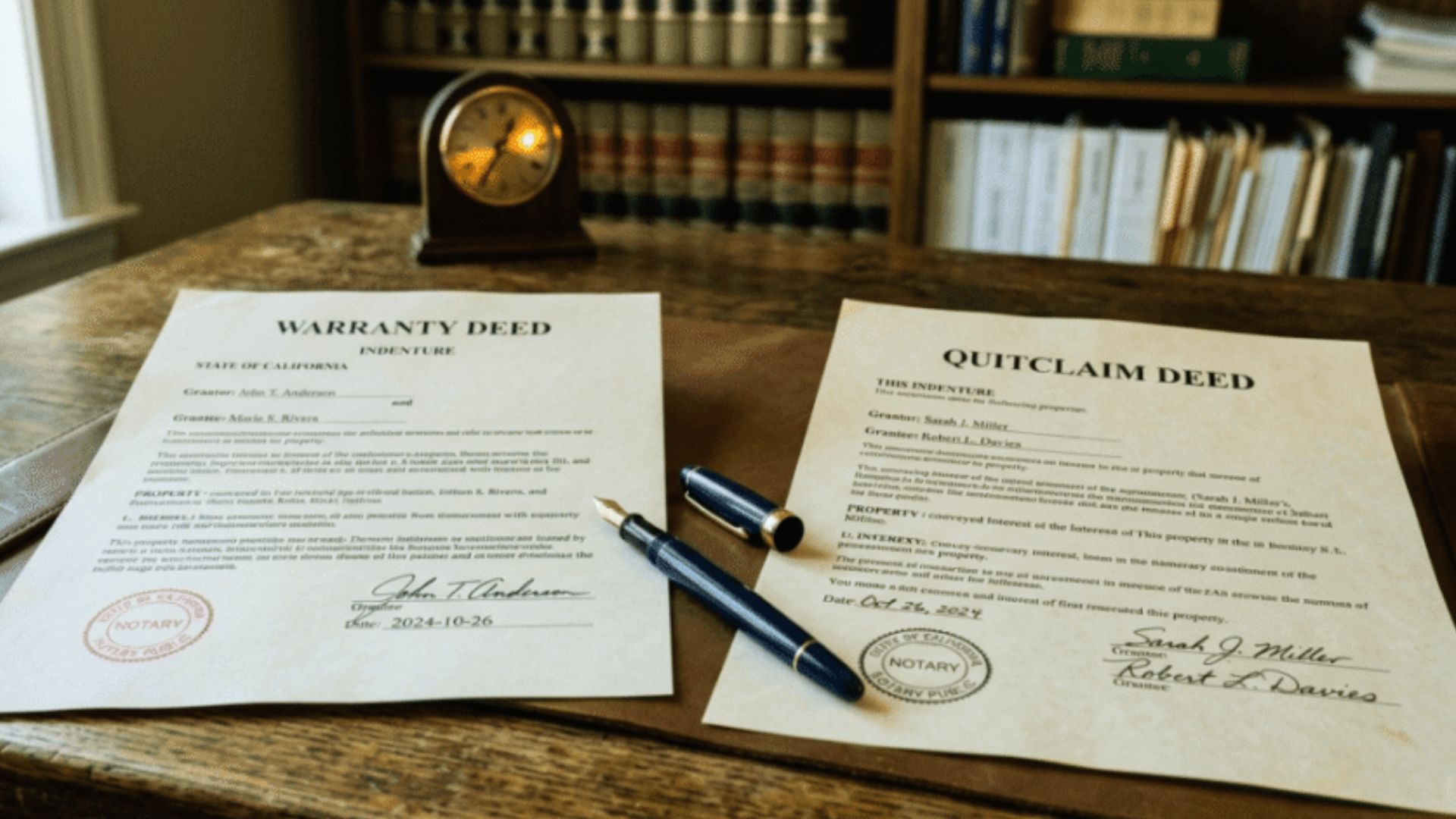
A true mobile home is built on a permanent chassis and registered like a vehicle through the DMV rather than titled as real estate. Because of that registration status, it is almost never eligible for a reverse mortgage, no matter how well-maintained the home is.

A manufactured home is a factory-built home permanently attached to a foundation and titled as real property, just like a traditional house. This is the type of home that can potentially qualify for a Home Equity Conversion Mortgage (HECM), the federally backed reverse mortgage program, provided it meets the other requirements covered below.

In everyday conversation, people use "mobile home" to mean both types. For this guide, when discussing eligibility, the focus is on manufactured homes. If your home is still registered as a vehicle, retitling it as real property is usually the first step toward qualifying.

Eligibility Requirements for Manufactured Homes

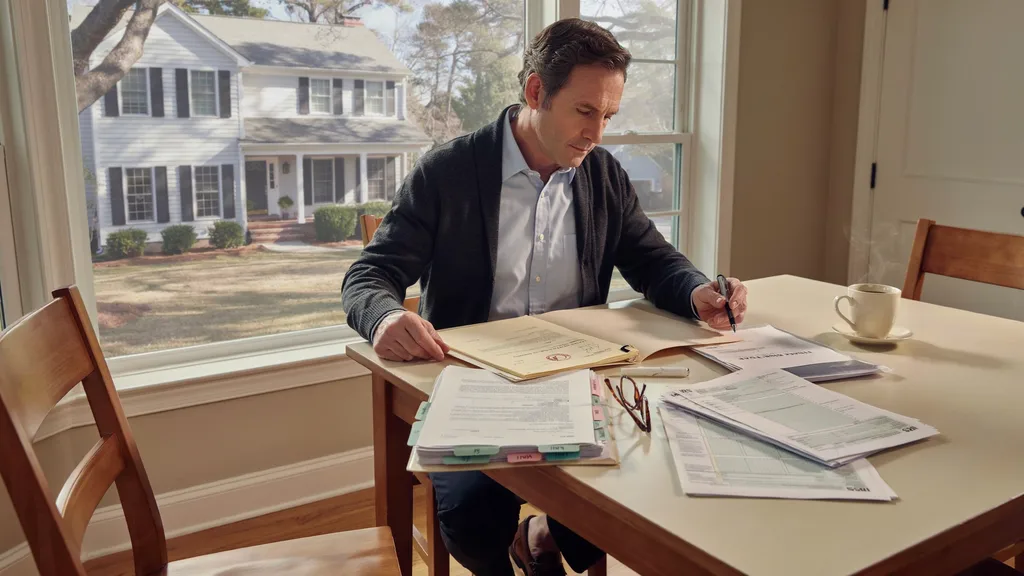
A man completing paperwork for the process of obtaining a reverse mortgage for manufactured homes.

Before a lender approves anything, the home has to meet several specific criteria. These rules exist to protect both the borrower and the lender, and they apply regardless of which company you work with or which state you live in.

Missing even one requirement usually means starting the paperwork over.

According to the U.S. Department of Housing and Urban Development (HUD), manufactured housing accounts for about 6% of all occupied housing in the United States, providing affordable homeownership to millions of Americans.

Despite this, reverse mortgage access for these homeowners remains narrower than for site-built homes.

HUD and FHA Standards

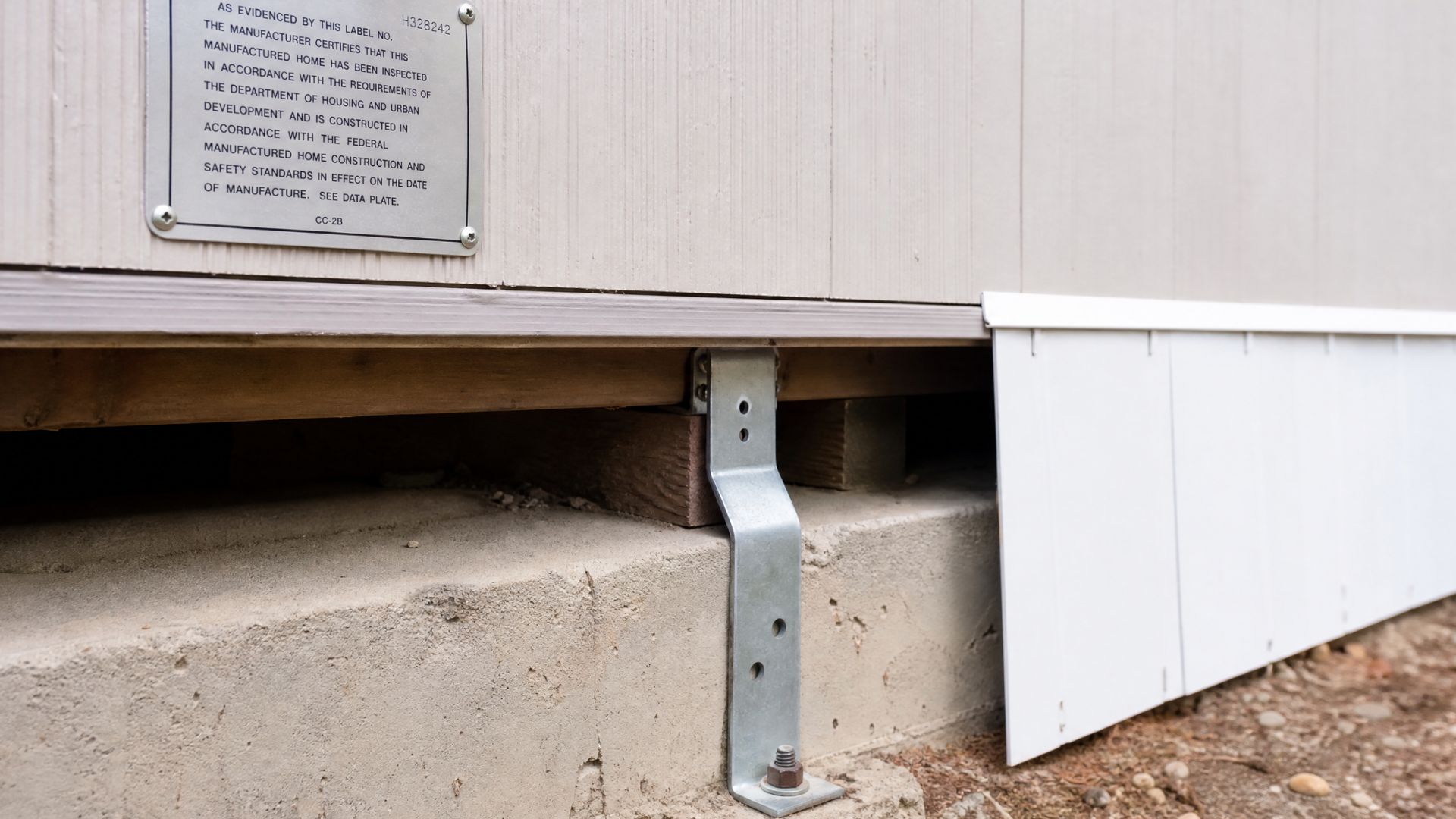
HUD, the U.S. Department of Housing and Urban Development — sets the federal construction, safety, and design standards for manufactured homes through what is called the HUD Code. Inspectors verify compliance during construction at the factory, not after installation. Lenders will ask for proof of this compliance during the application.

The Federal Housing Administration (FHA), the government agency that insures the majority of reverse mortgages, layers its own property standards on top of the HUD Code. Since most reverse mortgages on manufactured homes go through the FHA-backed HECM program, meeting both sets of standards is required.

Permanent Foundation

The home must sit on a permanent foundation one that is fixed to the ground and meets FHA structural standards. Wheels, blocks, or any temporary base disqualify it immediately.

Lenders require a licensed engineer's certification confirming the foundation meets FHA guidelines, and this document typically must be dated within the past twelve months to be accepted during underwriting.

This inspection typically costs between $300 and $1,500, depending on your location, the engineer's travel distance, and the complexity of the foundation.

Budget for it before you apply, since it is due upfront during the pre-approval stage and generally cannot be rolled into the loan balance at closing.

HUD Certification Labels and Size

Every qualifying manufactured home should have a HUD certification label sometimes called a HUD tag affixed to the exterior.

HUD also sets a minimum size of 400 square feet, and most lenders only accept a double-wide unit or larger. Single-wide homes are rarely approved even when everything else checks out.

Land Ownership and Property Title

You must own the land the home sits on, and the home itself must be classified as real property not personal property in your local land records.

If your county still lists the home as a vehicle, that mismatch alone can stall or sink an application. Check your county assessor's records before you apply.

Age, Occupancy, and Equity

At least one borrower must be 62 or older, and the home must be your primary residence.

Most lenders also require you to own at least 50% of your home's value outright, though the exact figure depends on your age and current interest rates.

Your lender will run a financial assessment covering income, credit history, and your ability to keep up with property taxes, homeowners insurance, and any homeowners association dues. This step protects you from taking on a loan you cannot sustain long term.

Why Some Manufactured Homes Do Not Qualify

A mobile home with a front porch and yard, illustrating eligibility for reverse mortgages on manufactured homes.

Four issues cause more rejections than most homeowners expect, regardless of age, income, or home condition. Two of them — build date and relocation — are permanent disqualifiers: no upgrade, retitling, or equity level can overcome them, so it's worth checking both before spending time on an application.

  • Built before June 15, 1976. The HUD Code took effect on this date. Homes built earlier do not meet it, and there is no workaround — not a foundation upgrade, not a fresh title. If your home predates the code, a reverse mortgage on that structure is not available.
  • Located in a flood zone. Even when a home meets every other requirement, most lenders will not approve a manufactured home in a designated flood zone or one sitting below the base flood elevation. Flood insurance requirements and structural risk make these properties too high-risk for most reverse mortgage programs to insure.
  • Moved from its original site. A manufactured home is only eligible if it remains on the site where it was first installed after leaving the factory. If it was ever relocated to a new lot, it typically will not qualify, even if the foundation and title are otherwise in order.
  • On leased land. If you do not own the land under your home, most reverse mortgage programs will not work. This is common in mobile home parks and is one of the most frequent disqualifiers homeowners encounter. Buying the land outright is usually the only path to eligibility.

How Eligibility Plays Out in Practice

A green mobile home with a bench in front, illustrating a potential living space for eligible residents.

Here is what eligibility looks like with two real-world examples. Both homeowners have similar goals accessing home equity in retirement but very different outcomes based on a few details that are easy to overlook before applying.

These comparisons show exactly which requirements make or break an application.

Maria owns a double-wide manufactured home built in 1998. She owns the land outright, the home sits on a certified permanent foundation, and it has never been moved. She is 68 and lives there full time, so her home would likely qualify for a HECM.

Tom owns a single-wide mobile home built in 1971 that he moved onto a rented lot in a mobile home park.

Even though he is 65 and could use the extra income, his home fails on three fronts: the pre-1976 build date, the leased land, and its vehicle title. He would not qualify as things stand, though purchasing the land and retitling the home could change that over time.

How to Get a Reverse Mortgage on a Manufactured Home

Three people looking at a house model with a magnifying glass, focused on reverse mortgage details for mobile homes.

If your home checks the right boxes, the process follows a standard path from application to funding.

Most homeowners move through five stages, and knowing what each involves helps you plan your timeline, set an accurate budget, and avoid last-minute surprises.

Manufactured home applications tend to take slightly longer than those for site-built homes, so building in extra time is a smart move.

Step 1: Confirm Your Home's Eligibility

Check the build date, foundation type, land ownership status, and HUD certification label before you apply.

A local lender or HUD-approved housing counselor can review this with you often in a single phone call so you do not waste time on a home that will not pass underwriting. Our [manufactured home eligibility checklist] covers every item to verify.

Step 2: Complete HUD-Required Counseling

All reverse mortgage applicants must complete counseling through a HUD-approved agency. This session covers how the loan works, what it costs, and whether it fits your situation.

The Consumer Financial Protection Bureau (CFPB) , the federal agency that oversees financial products and consumer protections also publishes free guides covering the same basics, offering a neutral second opinion before you commit.

Step 3: Home Appraisal and Foundation Inspection

An FHA-approved appraiser assesses your home's value and condition. Appraisals for manufactured homes typically start around $500 and go higher depending on your location and the property's complexity.

A separate foundation inspection confirms it meets FHA standards. Both are required before the loan moves to underwriting.

Step 4: Underwriting and Financial Assessment

Your lender reviews your income, credit history, and demonstrated ability to cover ongoing property taxes and homeowners insurance premiums.

Manufactured home applications often receive a closer review of long-term maintenance costs compared to site-built homes. This financial assessment protects both you and the lender by confirming the loan is sustainable over the long term.

Step 5: Loan Approval and Funding

Once underwriting clears, the lender finalizes the loan terms and schedules a closing date. You can receive funds as a lump sum, fixed monthly payments, a line of credit, or a combination of these options, depending on the program and your personal financial goals.

Your HUD counselor can help you decide which disbursement method makes the most sense for your situation.

Types of Reverse Mortgages Available

Visual guide outlining reverse mortgage types, highlighting benefits and eligibility criteria for homeowners.

Not every reverse mortgage works the same way. The right fit depends on your home's appraised value, your retirement income goals, and how much equity the standard federal program allows you to access.

Here are the three main options available to homeowners, along with what each one requires and who it is best suited for.

Home Equity Conversion Mortgage (HECM)

The HECM is the most common reverse mortgage, backed and insured by the FHA. It covers the vast majority of manufactured home reverse mortgages.

The program has a national lending limit updated annually to ask your lender for the current cap when you apply, since it directly affects how much equity you can access.

The FHA's HECM program requires both HUD counseling and a financial assessment before approval.

Proprietary Reverse Mortgage

Also called a jumbo reverse mortgage, this is a private loan not backed by the federal government.

Some proprietary products allow access to up to $4 million in equity, aimed at higher-value homes that exceed HECM limits.

These are less common for manufactured homes, since most proprietary lenders focus on traditional site-built houses.

Reverse Mortgage for Purchase

This option lets a borrower aged 62 or older buy a new primary residence using a reverse mortgage, combining the purchase and the loan into one transaction.

It is technically possible to use this for an eligible manufactured home, but timing is a serious challenge.

Most purchase contracts allow only seven to ten days for inspections, and confirming HUD eligibility often takes longer. Talk to a reverse mortgage specialist before going this route.

Costs and Benefits to Weigh

A miniature house atop a pile of cash, representing the costs and benefits of reverse mortgages.

Like any financial product, a reverse mortgage on a manufactured home involves real trade-offs that go beyond the upfront appeal of no monthly payments.

The table below compares the key factors across multiple dimensions costs, risks, restrictions, and long-term implications so you can weigh this option honestly against other retirement income strategies.

Factor Benefit Drawback
Monthly cash flow No monthly loan payments required Interest accrues and compounds, reducing equity over time
Home ownership You retain the title to your home Equity available to heirs decreases as the loan balance grows
Loan repayment Repaid only when you sell, move out, or pass away Heirs must repay the full balance to keep the home
Fund flexibility Use proceeds for healthcare, repairs, daily expenses, or anything else Lump sum option may affect eligibility for Medicaid or other needs-based programs
Upfront costs Can be financed into the loan in some cases Origination fees, FHA mortgage insurance, and closing costs often total $10,000 or more
Manufactured home specifics Allows homeowners in non-traditional housing to access equity Foundation inspections and appraisals add cost and time not required for site-built homes
Eligibility restrictions Clear, checkable criteria before you apply Strict rules mean many manufactured homes particularly pre-1976 and single-wide units will not qualify
Interest rate options Fixed or adjustable rates available depending on disbursement method Adjustable rates can increase costs significantly over the life of the loan
Non-recourse protection You or your heirs never owe more than the home's market value If home value drops, remaining equity may be wiped out entirely

Tips Before Applying

A little preparation prevents surprises, especially since manufactured homes face extra scrutiny that traditional houses do not.

These five steps help you walk in already knowing where your home stands. Taking action on each one before you apply can shorten the overall timeline and reduce the risk of last-minute delays during underwriting.

  • Check your local property records to confirm the home is titled as real property, not personal property.
  • Locate the HUD certification label on the exterior of the home before your lender asks for it.
  • Hire a licensed engineer to inspect the foundation if you are unsure whether it meets FHA requirements this can be done before you apply.
  • Get quotes from at least three lenders, since origination fees, mortgage insurance premiums, and interest rates vary between companies.
  • Contact a HUD-approved housing counselor early. They can flag eligibility issues before you spend time on a full application, and the service is often free or low cost.

What If Your Home Does Not Qualify?

A person handing over a key to another, symbolizing the transfer of property in a reverse mortgage transaction.

Not qualifying today does not always mean the door is permanently closed. If your home is currently titled as personal property, retitling it as real estate is often the fix.

This process involves surrendering the DMV title and filing paperwork with your county. A lender or title company can tell you what the process looks like in your state.

If your home was built before June 15, 1976, or has been moved from its original site, retitling will not help.

Those two issues cannot be changed. In that case, consider the financing alternatives below instead of pursuing a reverse mortgage on this property.

Other options include a home equity loan, a home equity line of credit (HELOC), or selling the home and downsizing to a qualifying property.

A local HUD-approved housing counselor can help you determine which option fits your situation at no cost to you.

Conclusion

Many homeowners assume a manufactured home reverse mortgage is out of reach, then discover their home actually qualifies once they check the paperwork. According to HUD data, there are roughly 22 million manufactured homes in the United States.

The number that could qualify for a reverse mortgage is larger than most people realize, given how many are double-wide units on owned land with post-1976 build dates.

Start with your home's title and build date, then contact a HUD-approved counselor before making any decisions.

That single conversation can save weeks of wasted effort and paperwork. Counselors can also point you to alternative programs if your home does not qualify, so you leave with a clear next step either way.

Got questions or your own experience to share? Drop a comment below and pass this along to someone who might benefit from it.

Frequently Asked Questions

Can I get a reverse mortgage on a single-wide mobile home?

It is uncommon. Most lenders require at least a double-wide unit, even when the home meets HUD's code, sits on a permanent foundation, and you own the land. A small number of lenders make exceptions, so ask directly before assuming you are disqualified.

How Does a Reverse Mortgage Affect My Heirs?

Heirs can keep the home by repaying the loan balance, sell it to cover the debt, or walk away without owing more than the home is worth. This non-recourse protection applies to every HECM regardless of how the home's value has changed since the loan was taken out.

How Long Does the Process Take?

Expect 30 to 60 days. Manufactured homes often run toward the longer end because of the foundation inspection and the time it takes to find comparable recent sales for the appraisal. Ask your lender for a written timeline at the start so you know what to expect at each stage.

Can I Refinance a Manufactured Home Reverse Mortgage?

Yes. If interest rates drop or your home's value rises enough, refinancing may make sense. Lenders typically recommend it only when the savings clearly outweigh the new closing costs. Run the numbers with your lender before committing, since refinancing resets some fees.

What Documents Do I Need to Apply?

You will typically need several categories of documents. For identity and age, a government-issued ID or birth certificate works. For the property, you will need the home's title showing real property classification, the HUD certification label, and proof of land ownership. Financial documents include recent property tax statements, homeowners insurance details, and income verification such as Social Security award letters or recent tax returns.

What Are the Typical Closing Costs for This Loan?

Closing costs on a HECM for a manufactured home cover several line items. The FHA caps the origination fee at the greater of $2,500 or 2% of the first $200,000 of appraised value.

The upfront mortgage insurance premium equals 2% of the appraised value. Other charges include the appraisal fee, foundation inspection fee, title insurance, and standard lender fees.

Total closing costs for manufactured homes often fall between $10,000 and $20,000, depending on the home's value and location. Most of these costs can be financed into the loan rather than paid out of pocket at closing, which is worth confirming with your lender early in the process.

Can I Apply With an Existing Mortgage on My Home?

Yes, but the existing mortgage must be paid off at or before closing. Many borrowers use a portion of the reverse mortgage proceeds to clear the existing loan balance. If your remaining mortgage balance is close to or exceeds your available home equity, you may not have enough equity left to make a reverse mortgage worthwhile.

Why Do Manufactured Home Applications Get Rejected?

The most frequent denial reasons fall into a few clear categories. Build date is the most common: homes constructed before June 15, 1976, are automatically ineligible. Land status is the second biggest issue if you lease the lot, most programs will not approve the loan.

Other common reasons include a vehicle title instead of a real property title, a foundation that fails FHA standards, a prior relocation of the home, or a single-wide unit that falls below lender minimums.

Identifying and resolving any of these before you apply significantly improves your approval odds and prevents delays during underwriting.

Leave a Reply

Your email address will not be published. Required fields are marked *

Table of Content

Share Now

Latest Posts