

No. A traditional mobile home generally can’t get a reverse mortgage. A manufactured home often can, through a federally insured loan called a HECM.
People use “mobile home” and “manufactured home” like they’re the same thing, but knowing your rights as a mobile home owner starts with understanding which category yours falls into.
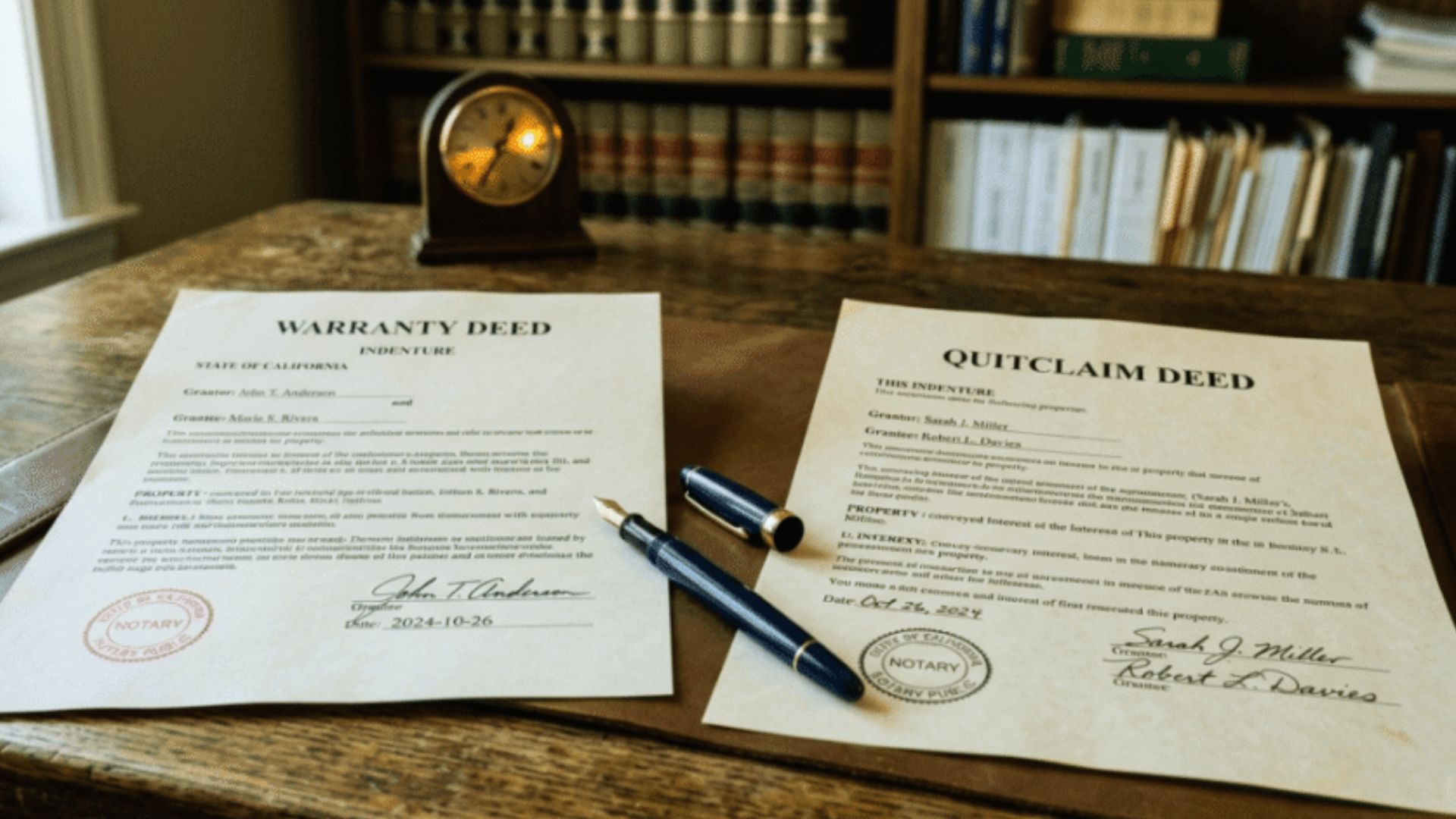
It all comes down to one thing: is your home classified as real property, or as personal property? That classification decides whether a lender can put a mortgage on it at all.
Qualifying as a manufactured home isn't automatic either. It depends on when it was built, how it's titled, whether you own the land under it, and how it's anchored to that land.
Why Mobile Homes Don't Qualify (and Manufactured Homes Can)
This is the part that actually explains the rule, not just the outcome. A reverse mortgage, like any mortgage, has to be secured against real property. That's the legal anchor the whole loan hangs on.
A mobile home usually isn't real property. In most states, it's classified and titled the way a car or an RV would be. It might even be registered with the DMV instead of your county's property records.
A lender can't put a real estate lien on something that's legally a vehicle. I've seen people assume their home's age or condition should matter more than it does — it doesn't. The loan structure just doesn't work, no matter how long the home has sat in one spot.
That's also why age isn't really the disqualifier people think it is. It's a stand-in for a legal status.
Homes built before June 15, 1976 came before HUD’s manufactured housing construction standards existed. They were never issued HUD certification tags. They were never built to be titled as real estate. That status doesn't change no matter how well the home has been kept up or renovated.
Here's where it gets tricky, though. Building after 1976 doesn't guarantee you qualify either.
A manufactured home built after that date can still fail if it hasn't been fully converted. Maybe it's still sitting on its original wheels and chassis. Maybe the title never got switched from personal property to real property with the county.
In my experience, this is the step people miss most. Meeting the construction standard and completing the legal conversion are two different things. Skipping the second one is one of the most common reasons an otherwise-qualified home gets rejected.
Requirements a Manufactured Home Must Meet for a Reverse Mortgage
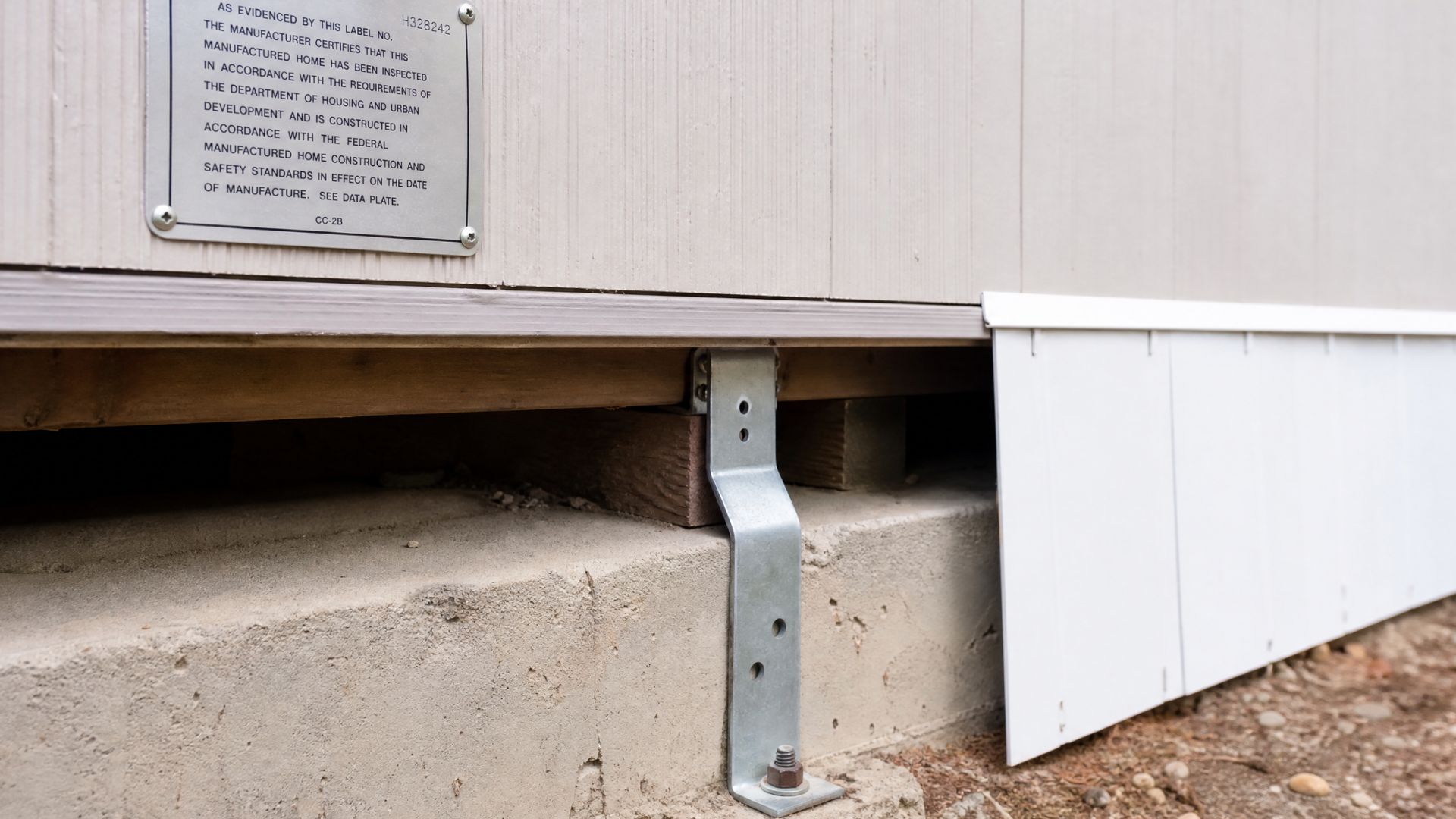
Every requirement below is really proving the same thing: that your home counts as real property, not personal property that happens to have four walls.
None of these rules are random lender preferences. Each one traces back to either the real-property requirement or a basic HECM rule. Here's the full list at a glance before we break each one down:
| Requirement | What It Means |
| Age | Borrower must be 62 or older |
| Residence | Must be your primary home, not a vacation or rental property |
| Land | You must own the land the home sits on, leased lots don't qualify |
| Build date | Built on or after June 15, 1976, with HUD tags |
| Foundation | Permanent foundation; wheels, axles, and hitches removed |
| Size | Typically double-wide or larger |
| Title & taxes | Titled and taxed as real estate, not as a vehicle |
| Inspections | Structural engineer inspection plus a manufactured-home appraisal |
Now here's the detail behind each of those.
Age and Primary Residence Rules
You have to be at least 62 years old. That’s a baseline rule for every HECM, not something specific to manufactured homes.
The home also has to be your primary residence, the place you actually live most of the year. A vacation home, a rental, or a second property doesn't count, even if it checks every other box.
Land Ownership vs. Leased Lots
You have to own the land your manufactured home sits on, not just the home itself. This is the requirement that trips up more people than any other on this list.
Plenty of manufactured homeowners own their home free and clear but pay lot rent in a park or a leased-land community. That arrangement disqualifies the property from an FHA-insured HECM. Full stop.
It comes back to the same rule from the last section. If you don't own the land, there's no real estate for the lien to attach to. A permanent foundation and a clean title don't change that. I've watched this single rule rule out people who were sure they qualified, simply because they'd paid off their home.
Construction, Foundation, and Size Standards
The home needs to have been built on or after June 15, 1976, with its original HUD certification tags still in place. These are physical labels confirming the home meets HUD's construction code.
It also has to sit on a permanent foundation that meets FHA guidelines. Towing hitches, axles, and wheels have to be removed completely, their presence signals the home is still built to move.
Size matters too. Single-wide homes are typically excluded. Lenders generally want a double-wide or larger, mostly because of how appraisals and resale value work for smaller units.
Title, Taxes, and Inspections
The home has to be titled as real property and taxed as real estate by your local jurisdiction, for more on how property is taxed and titled, it’s worth understanding how these two things interact.
Before closing, the property also needs two things: a structural engineer's foundation inspection confirming it meets FHA's permanent-foundation rules, and a specialized appraisal built for manufactured housing.
Both steps exist for a reason. Manufactured homes have failure points a standard home inspection won't catch, foundation settling, chassis removal that never got finished, additions nobody documented. I'd never skip either inspection, even on a home that looks solid.
What If Your Home Doesn't Qualify?
If your home doesn't meet FHA's HECM requirements, you're not necessarily out of options. There are a couple of paths worth checking first.
Two situations are hard stops for FHA-insured HECMs, no matter what else you fix:
- Pre-1976 homes. No amount of foundation work changes this, the home fails the construction standard permanently.
- Leased-land situations. No amount of retitling changes this, the home fails the land-ownership rule as long as you don't own the land.
Outside of those two dead ends, some lenders offer proprietary reverse mortgage products, similar to how some borrowers explore financing options after a setback when standard loans don’t fit their situation.
Appraisal results, inspection outcomes, and lender rules vary case by case. If you're not sure where you stand, talk to a HUD-approved housing counselor or a reverse mortgage lender directly. They can look at your actual home, your title status, and your land arrangement instead of you guessing from general rules.
Conclusion
This whole question comes down to one legal line. A traditional mobile home counts as personal property, so it can't carry a mortgage. A manufactured home can qualify once it meets HUD's construction standards, sits on land you own, has a permanent foundation, and is titled as real estate.
If your home checks those boxes, your next step is simple: talk to a HUD-approved counselor or lender who can confirm your build date, land ownership, and title status directly.
If it doesn't check those boxes, don't assume you're out of options. A proprietary reverse mortgage or another home equity path might still work for you.
Frequently Asked Questions
What would disqualify a manufactured home from a reverse mortgage?
A manufactured home gets disqualified if it was built before June 15, 1976, doesn't have HUD certification tags, sits on leased land instead of land you own, still has its wheels or chassis attached, or is titled as personal property instead of real estate. Single-wide homes are usually ineligible too.
Can you get a reverse mortgage on a mobile home in a leased-land park?
No. Even if the home would otherwise qualify as manufactured housing, FHA-insured reverse mortgages require you to own the land underneath it. Paying lot rent in a park or leased-land community makes the property ineligible, no matter the home's age or condition.
Is there a minimum size requirement for a manufactured home reverse mortgage?
Yes, in practice. Single-wide homes are generally not eligible for FHA-insured reverse mortgages. Lenders typically want a double-wide or larger. This comes down to appraisal and resale-value standards more than one specific HUD rule, so it's worth confirming directly with a lender.
What's a better option than a reverse mortgage for a mobile home?
If your home doesn't qualify, some lenders offer proprietary reverse mortgage products with their own rules, separate from the FHA HECM program. A HUD-approved housing counselor or reverse mortgage lender can look at your situation and point you toward an option that actually fits your home's classification.