Filing for bankruptcy is scary. Most people fear losing their home. I get it. Your house is more than a building. It is where life happens.
But here is what I want you to know. You can keep your house if you file for bankruptcy in many cases. It depends on the type of bankruptcy, your equity, and your mortgage status.
This article covers what happens to your home, what protects it, and what puts it at risk. I have seen how the right plan makes a real difference.
Understanding Bankruptcy and Homeownership

When you file for bankruptcy, an automatic stay goes into effect. This stops most collection actions, including foreclosure. Your home does not instantly get taken away.
The court looks at your equity, your mortgage, and which chapter you filed under before anything happens. Your mortgage is secured debt, meaning it is tied to your house.
Credit cards and medical bills are unsecured. Bankruptcy handles these two types very differently. Secured debts still need to be paid if you want to keep the property.
Bankruptcy is a legal tool, not a punishment. Losing your home only happens under specific conditions, like having too much equity above exemption limits or falling behind on payments.
Can You Keep Your House Under Chapter 7 Bankruptcy?

Chapter 7 can discharge debt fast, but homeownership depends heavily on your equity.
How Chapter 7 Works for Homeowners
Chapter 7 is called “liquidation” bankruptcy. A trustee reviews your assets. If your home equity is within your state’s exemption limit, the trustee usually leaves it alone. If not, they may sell it to pay creditors.
Role of Home Equity and Exemptions
Every state has a homestead exemption. This protects a set amount of equity in your home. For example, if your state allows $50,000 and you have $30,000 in equity, you’re protected.
If you have $90,000 in equity, the excess could be used to pay creditors.
Mortgage Payments and Reaffirmation Options
To keep your home in Chapter 7, you must stay current on your mortgage. You may also sign a reaffirmation agreement this means you agree to keep paying the mortgage as if bankruptcy never happened.
It keeps your home but also keeps that debt alive.
When You Might Lose Your Home in Chapter 7
You risk losing your home if
- Your equity is far above the exemption limit
- You’ve missed multiple mortgage payments
- You can’t afford ongoing payments
Can You Keep Your House Under Chapter 13 Bankruptcy?
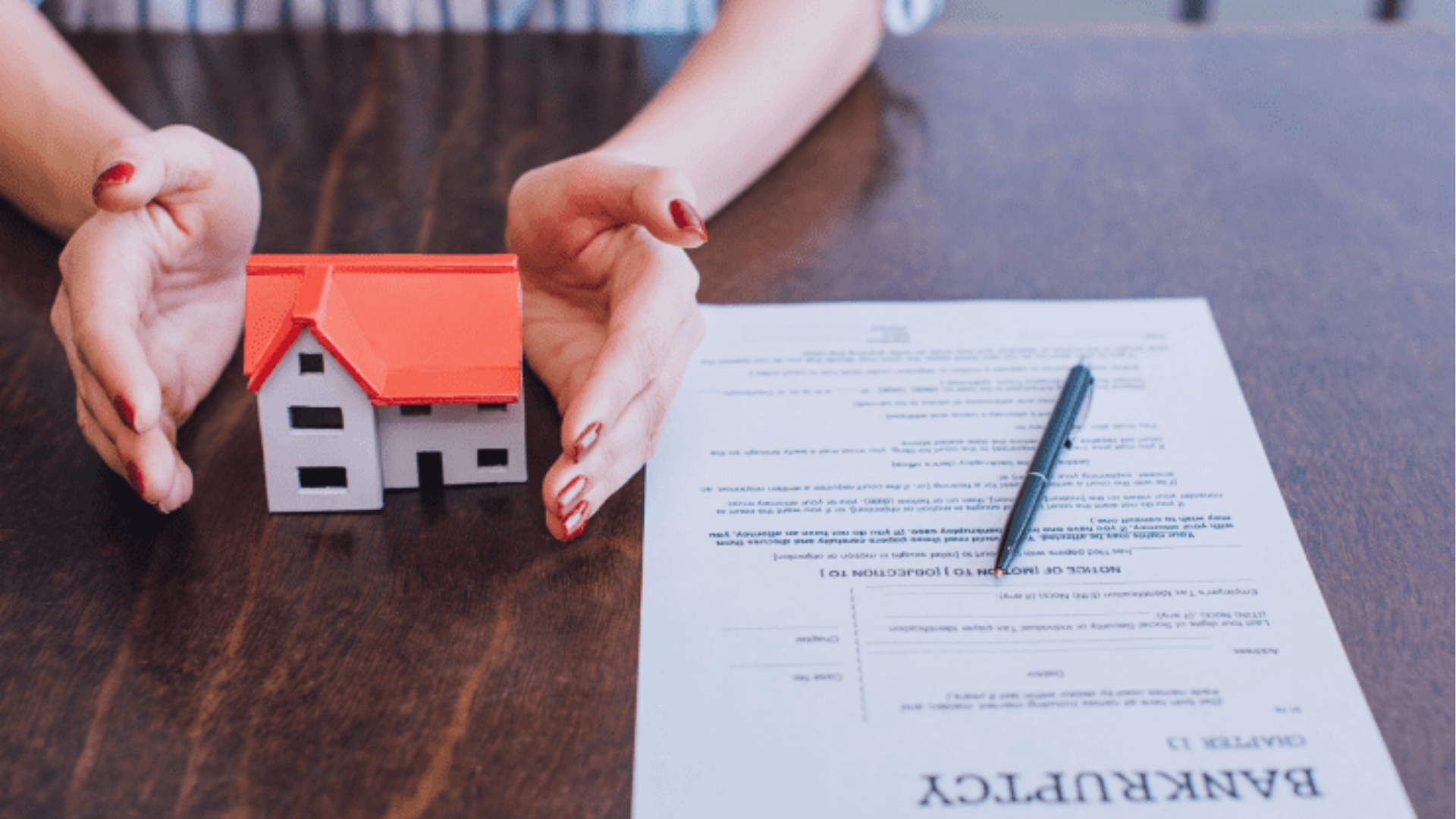
Chapter 13 is often the better option for homeowners who want to protect their property.
How Chapter 13 Repayment Plans Work
Chapter 13 lets you keep your assets and repay debts over 3 to 5 years. You propose a plan to the court.
Your income and expenses determine the payment amount. As long as you stick to the plan, your home stays safe.
Catching Up on Missed Mortgage Payments
One big advantage of Chapter 13 is that it lets you catch up on missed mortgage payments over time. Instead of paying everything at once to avoid foreclosure, you spread those arrears across your repayment plan.
How Chapter 13 Stops Foreclosure
The moment you file, the automatic stay kicks in. This pauses any foreclosure action. Chapter 13 then gives you a structured way to bring your mortgage current.
Many homeowners use this to save their homes right before a foreclosure sale.
Risks of Failing a Repayment Plan
If you miss payments under your Chapter 13 plan, the court can dismiss your case. Once dismissed, creditors can resume collection.
That includes your mortgage lender moving forward with foreclosure. Consistency is key.
Key Factors That Determine If You Keep Your House
Several factors work together to decide your home’s fate during bankruptcy.
Home Equity and Exemption Limits
The more equity you have above the exemption limit, the harder it is to protect your home in Chapter 7.
In Chapter 13, high equity affects your required payment amount but doesn’t automatically cost you the house.
Current Mortgage Status
Being current on payments strengthens your position. If you’re already behind, Chapter 13 offers more tools to help. Chapter 7 gives you less flexibility.
Income and Ability to Pay
Chapter 13 requires a steady income. You must prove you can afford the repayment plan. If income is too low, Chapter 13 may not work for you.
State Laws and Homestead Exemptions
State law plays a huge role. Some states like Texas and Florida have unlimited homestead exemptions.
Others cap it at a much lower amount. Knowing your state’s rules is critical before filing.
What Happens If Your Equity Exceeds Exemption Limits?

When your equity is too high, you have options but they require quick decisions.
Selling the Home vs Paying the Difference
In Chapter 7, the trustee may sell your home and give you the exempt portion of the proceeds.
Or you can pay the non-exempt equity amount yourself to keep the house. This is sometimes called a “buyout.”
Choosing Chapter 13 as an Alternative
If your equity exceeds limits, Chapter 13 is often the smarter path. You keep the home and pay the non-exempt equity value through your repayment plan over time.
Using Additional Exemptions
Some states allow stacking of exemptions. A bankruptcy attorney can help you figure out if any additional exemptions apply to lower your exposed equity.
Ways to Protect Your House During Bankruptcy
Proactive steps before and during bankruptcy can make a real difference for homeowners.
Loan Modification Options
Before or during bankruptcy, you can ask your lender for a loan modification. This may lower your monthly payment or reduce your interest rate, making it easier to stay current.
Reaffirmation Agreements Explained
As mentioned earlier, reaffirmation keeps your mortgage obligation alive after bankruptcy. It protects your home but ties you back to that debt. Think it through carefully before signing.
Stripping Second Mortgages (Chapter 13)
If you have a second mortgage and your home is worth less than what you owe on the first mortgage, Chapter 13 may let you “strip” the second mortgage.
This removes it as a secured claim and treats it like unsecured debt often greatly reduced or eliminated.
Working With Your Lender
Many lenders prefer working out a solution over foreclosure. Open communication before filing can sometimes lead to payment plans or forbearance agreements.
Common Situations Where You Could Lose Your Home
Some scenarios make it harder to hold onto your house, even with bankruptcy protection.
Falling Behind on Mortgage Payments
Missing payments is the fastest way to lose your home. Even with bankruptcy’s protections, you must keep paying your mortgage going forward.
High Non-Exempt Equity
If you’ve owned your home for years and built substantial equity, a large portion may be exposed to creditors in Chapter 7.
Multiple Liens or Loans
Second mortgages, HELOCs, or tax liens can complicate your situation and reduce available options.
Bankruptcy Plan Failure
In Chapter 13, failing to make plan payments leads to dismissal. After that, all protections disappear.
Tips to Increase Your Chances of Keeping Your Home
Small steps taken early can greatly improve your chances of holding onto your home.
- File bankruptcy before foreclosure begins to keep more options open
- Stay current on mortgage payments throughout the process
- Maintain a steady income, especially if you choose Chapter 13
- Never miss a payment during your repayment plan
- Work with a bankruptcy attorney to find every available exemption
- Talk to your lender early about modification or forbearance options
Conclusion
I know this feels like a lot. But here’s what I’ve seen time and time again: people who act early and make informed choices usually keep their homes.
The process isn’t easy, but it works when you work it. Can you keep your house if you file bankruptcy? Most of the time, yes with the right chapter, a steady income, and a solid plan.
Talk to a professional, know your state laws, and don’t wait too long. Drop a comment below if you have questions. I read every one.
Frequently Asked Questions
Can I keep my house if I file Chapter 7 bankruptcy?
Yes, in many cases. If your home equity falls within your state’s homestead exemption and you stay current on mortgage payments, the trustee typically won’t touch your house.
Does filing bankruptcy stop foreclosure on my home?
Filing bankruptcy triggers an automatic stay, which pauses foreclosure immediately. Chapter 13 can help you catch up on missed payments and stop the process long-term.
What is a homestead exemption in bankruptcy?
A homestead exemption is a state law that protects a set amount of your home equity from creditors during bankruptcy. The amount varies widely by state.
What happens if I miss mortgage payments during Chapter 13?
Missing payments during Chapter 13 can lead to plan dismissal. Once dismissed, your lender can restart foreclosure proceedings without any bankruptcy protection.
Is Chapter 13 better than Chapter 7 for keeping my home?
For most homeowners at risk of foreclosure or with missed payments, Chapter 13 offers better tools. It allows you to catch up on arrears and keep your property through a structured repayment plan.