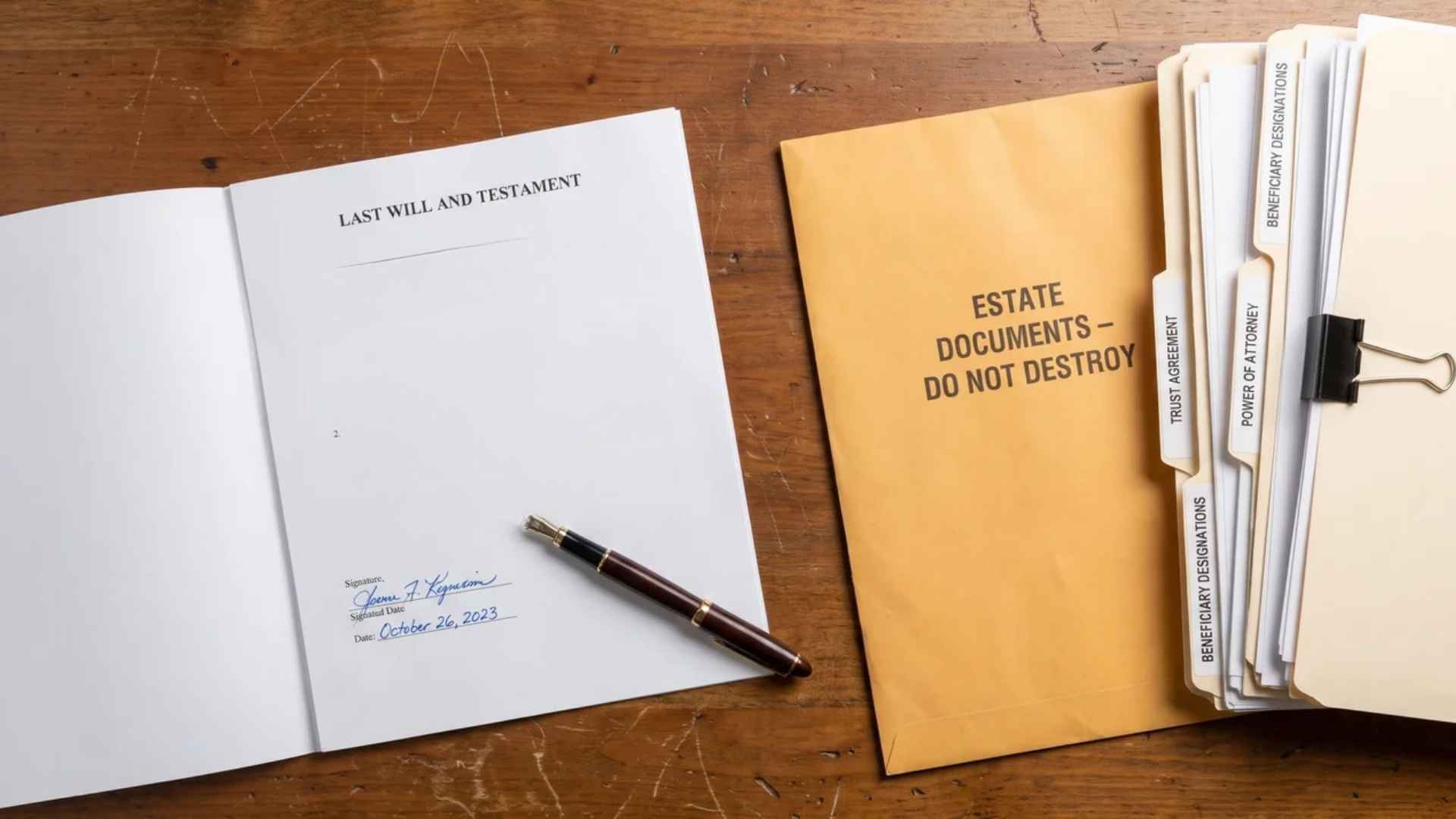


Every state runs this differently, and that’s exactly where new investors get tripped up. You hear “tax deed vs tax lien” thrown around like they’re interchangeable. They’re not.
One puts you in line for interest payments. The other puts your name on a title.
Pick the wrong one for your budget or your patience, and you’ll find out the hard way what you actually signed up for.
Here’s what actually separates them, how they play out state by state, and which one fits where you’re at right now.
What Is a Tax Lien?
A tax lien is a legal claim against a property with unpaid taxes. It is not the property itself.
When a homeowner falls behind on property taxes, the county places a lien on the home. That lien represents the unpaid amount.
Investors can buy that lien at auction. You are not buying the house. You are buying the debt, plus the right to collect interest on it.
The county issues a tax lien certificate as proof of your purchase. That certificate spells out the interest rate and the redemption period.
The homeowner still owns the property. They now owe you instead of the county.
What Is a Tax Deed?
A tax deed transfers the property itself, not just a debt. When taxes stay unpaid long enough, the county stops trying to collect. It takes the next step instead.
The county sells the property outright at public auction. Ownership transfers straight to the winning bidder.
There is no debt to collect and no interest to earn. You are not buying someone else’s claim. You are buying the home. Once the sale closes, you hold the title.
Some states still allow a short redemption window. Texas, for example, gives the former owner up to two years to reclaim a homestead or agricultural property after a tax deed sale. Most tax deed sales move fast everywhere else, and the transfer is final.
Tax Lien vs Tax Deed: Key Differences

Both start with unpaid property taxes. What you actually buy, and what you’re on the hook for, is where they split.
Purchase Type: Debt vs. Real Estate
With a tax lien, you buy debt. With a tax deed, you buy real estate.
A lien gets you a tax lien certificate, not a key. You’re buying the owner’s unpaid tax debt, plus a set interest rate.
The homeowner keeps the house the whole time. Your only claim is getting that money back.
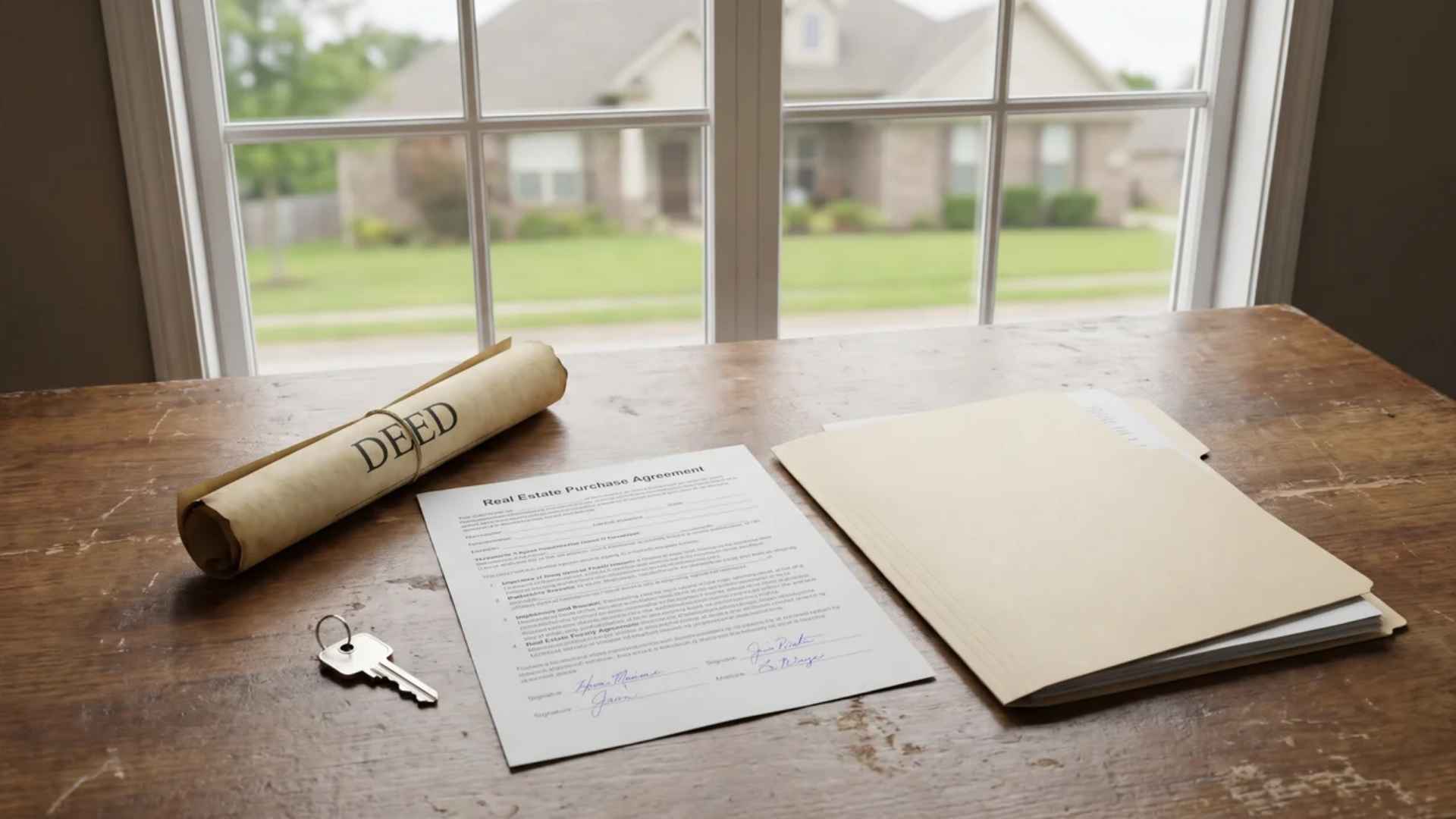
A deed gets you the real estate itself: the land, the house, and the title. No certificate stands in between.
Once the sale closes, your name goes on the deed. I’ve seen new bidders mix these up and wait for keys that never come.
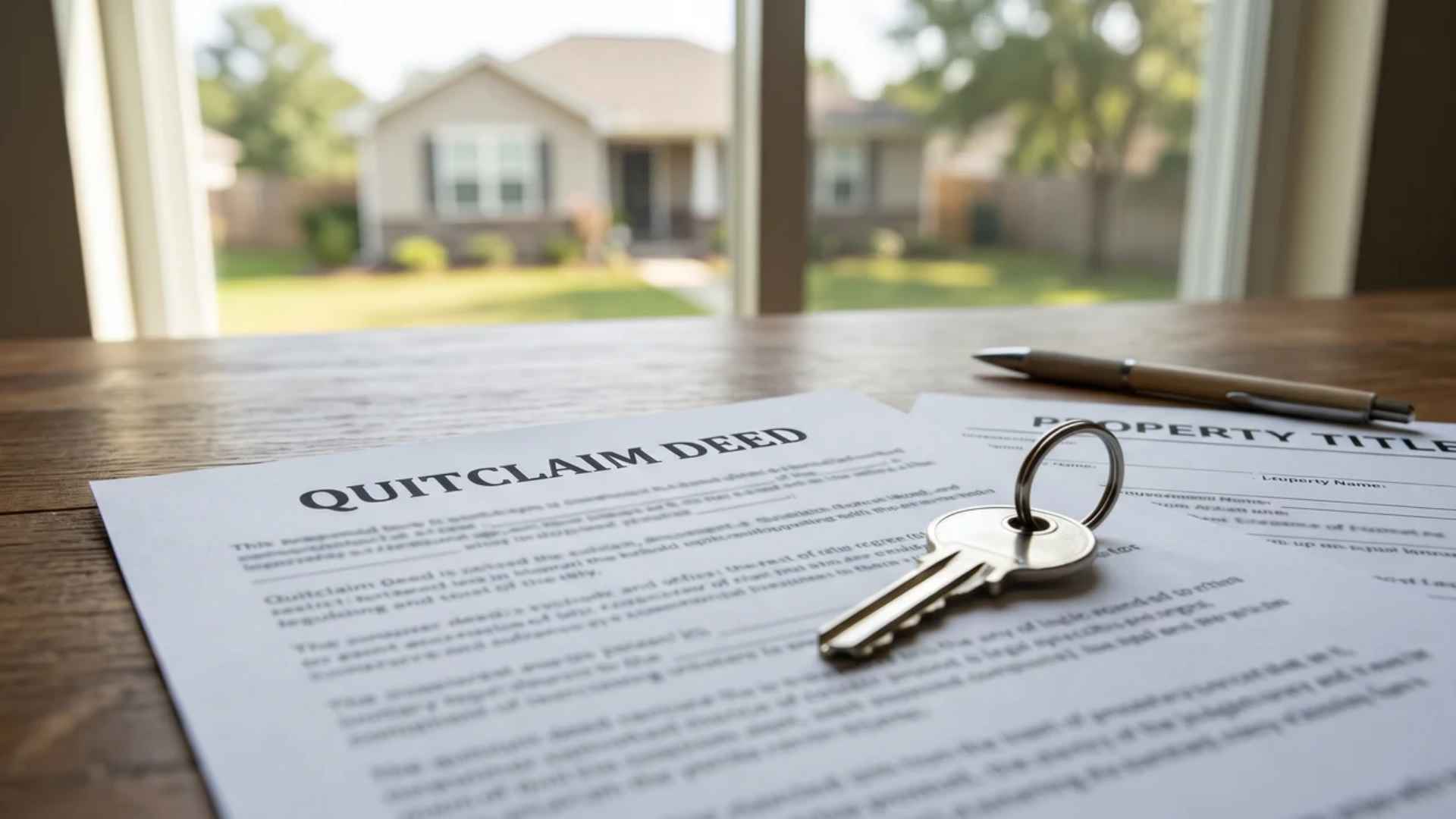
Not every deed carries the same protections. Some counties hand out a quitclaim-style deed with zero title guarantee, so a title problem from years back can still land on you. Check which type your target county issues before you bid.
Cost, Involvement, and Risk Compared
Liens cost less, take less work, and carry less risk. Deeds cost more, demand more work, and carry bigger risk.
Many lien auctions let you in for a few hundred dollars. Deeds can climb close to full property value when bidding gets busy.
With a lien, you collect interest and wait. Foreclosure only comes into play if the owner misses the redemption deadline.
A deed puts everything on you from day one. Repairs, taxes, insurance, and even eviction become your job.
I’ve seen buyers win homes they never visited, then find water damage or old creditor liens. You inherit all of it the moment you win.
Tax Lien vs Tax Deed: Comparison Chart
Here’s a quick side-by-side for the differences covered above.
| Factor | Tax Lien | Tax Deed |
| What you buy | A certificate representing the debt | The property itself, with title |
| Starting cost | Often under $1,000 | Often near full property value |
| Your role | Passive; collect interest and wait | Active; manage the property right away |
| Return source | Fixed interest rate | Property value and resale |
| Main risk | Homeowner redeems, capping your return | Hidden property condition or other claims |
Liens keep you at a distance. Deeds put you in charge from day one.
How the Tax Lien Foreclosure Process Works
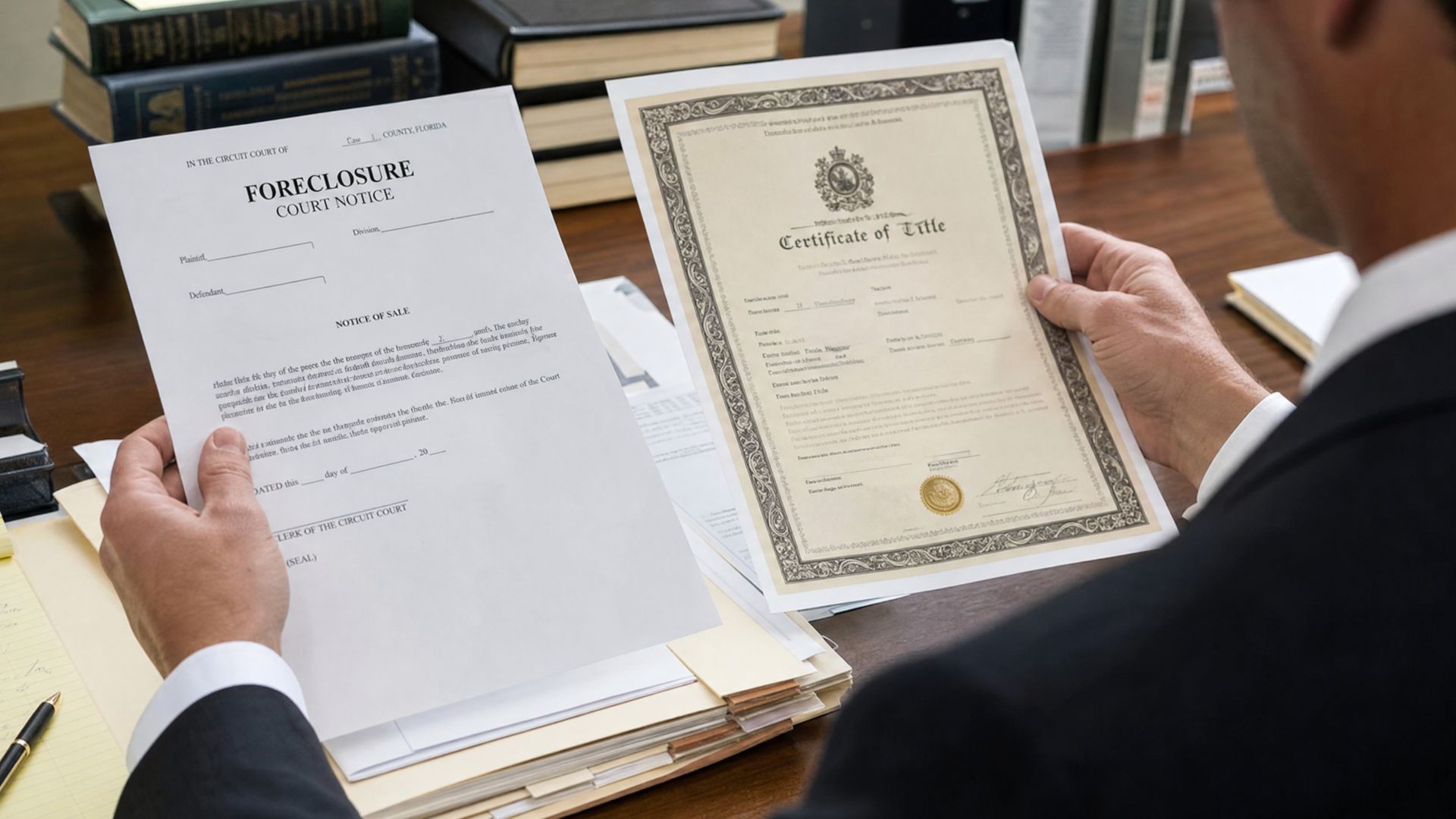
Buying the lien is just the start. Foreclosure only happens if the homeowner never pays you back. Here’s how that plays out, step by step.
Step 1: The Redemption Period
The redemption period runs first, before anything else can happen. This window usually lasts one to three years, depending on the state.
During that time, the homeowner can still pay off the debt. If they do, you get your money back plus the interest rate stated on your certificate.
Nothing more happens at that point. You don’t get the property, and you don’t get to force a sale.
The clock only starts moving toward foreclosure once this window closes without payment.
Step 2: Filing for Foreclosure
If the redemption period ends and the debt is still unpaid, you can file for foreclosure. This step is never automatic.
You have to initiate it yourself, usually through the county court. Missing this step means your lien can sit inactive.
Once filed, the court reviews the case. It checks for other claims against the property, like separate debts or mortgages.
Those competing claims can delay the process or affect what happens once the foreclosure is approved.
Step 3: Title Transfer and Timeline Variance
Once the court approves the foreclosure, title transfers to you. The lien you held becomes actual ownership of the property.
This is the moment your investment changes shape. You go from holding a debt to holding real estate.
The full process can take a few months or stretch past a year. Much depends on how backed up the local court system is.
Some states move faster than others by design. Always check your specific state’s timeline before assuming a fixed schedule.
Tax Lien States, Tax Deed States, and Hybrid States (Including States With No Redemption Period)
A tax deed does not always mean immediate, unchallengeable ownership. That assumption trips up a lot of new investors.
States split into three systems below. Each one changes what you actually own after the auction.
| System | What You Buy | When Title Is Final |
| Tax lien states | A certificate representing the debt | Only after foreclosure, if the debt stays unpaid |
| Tax deed states | The property itself, at auction | Usually right away, though some states allow a short reclaim window |
| Hybrid states | An actual deed, not a certificate | Only after a redemption period passes with no repayment |
“Deed” and “final” don’t always mean the same thing. Always check your specific state’s rules before assuming the sale is done the moment you win.
Which One Fits Your Investment Goals
Your budget and involvement level answer this question faster than any market data.
- Choose a tax lien if: you have less capital and want a passive investment. You collect a fixed interest rate and wait.
- Choose a tax deed if: you have more capital and want direct control, owning real estate right away.
- Before either choice: confirm whether your target state has a redemption period. That detail decides how final your purchase really is.
A deed in a hybrid state isn’t final the moment you win. The former owner can still reclaim it.
Match the instrument to your capital, your patience, and your state’s actual rules. Skipping that last check is where most new investors get burned.
Making the Right Call Before You Bid
Most costly mistakes in this space happen before the auction even starts, not during it. Investors assume “tax deed” means clear title. They skip checking their state’s actual rules.
That single skip is where hybrid-state surprises and redemption windows catch people off guard. The fix takes five minutes.
Look up your target state’s classification before you bid. If the rules aren’t clear, a quick call to a real estate attorney can save you from an expensive mistake.
The right choice comes down to your capital and how hands-on you want to be. Check your target state’s classification and redemption rules before you bid, not after.
Final Takeaway
Tax deed vs tax lien comes down to one thing: what you’re actually buying. A lien gets you interest and patience. A deed gets you property and responsibility right away.
Neither one is the “safe” choice until you check your state’s rules first.
Before you bid on anything, look up your state’s classification. That one step saves you from most rookie mistakes.
Got a state in mind? Check its redemption rules today, then come back and pick your lane.
Frequently Asked Questions
What is the difference between a lien and a deed?
A lien is a claim on unpaid taxes, not the property itself. A deed transfers full ownership, title included, to the buyer.
Is South Carolina a tax deed or tax lien state?
South Carolina is a tax lien state, not a tax deed state. Owners get one year to repay you, plus interest between 3% and 12%.
What happens if a property is redeemed during the redemption period?
The homeowner pays off the debt plus interest before the deadline hits. You get your investment back, but you never gain any claim to the property.
Is Florida a tax lien or tax deed state?
Florida runs both systems, selling certificates first and deeds when debt stays unpaid. That makes it a hybrid market for lien and deed investors alike.