Real estate attorney fees for a standard residential closing typically range from $500 to $1,500, though costs vary based on the transaction type, billing method, and complexity of the legal work involved.
This guide breaks down typical costs, common pricing structures, services included, and the factors that influence the final fee so you can budget with confidence before hiring legal help.
How Much Does a Real Estate Attorney Cost?

Real estate attorney fees depend on the billing method, the type of transaction, and the amount of legal work required.
Straightforward residential matters generally cost much less than commercial transactions or property disputes.
For a standard residential closing, flat fees commonly range from $500 to $1,500, although fees can exceed $2,000 in higher-cost markets or for transactions involving additional legal work.
Attorneys who bill hourly generally charge $150 to $500 per hour. Rates typically depend on experience, specialization, and local market conditions.
Some attorneys request a retainer, usually starting around $1,000 and increasing for larger matters.
The attorney bills against that amount as work is completed and may request additional funds if the balance runs low.
Percentage-based pricing is uncommon for residential transactions but may appear in certain commercial real estate matters involving high-value properties.
Typical costs also vary by service:
- Contract review: $400–$700
- Residential closing: $500–$1,500
- Title-related legal work: varies by complexity
- Litigation or disputes: often several thousand dollars depending on the time involved
What Affects Attorney Fees?
Several factors determine why one real estate transaction costs substantially more than another.
Type of Real Estate Transaction
Routine home purchases usually require less legal work than commercial acquisitions, lease negotiations, boundary disputes, or litigation, making them less expensive. A simple contract review might take an attorney an hour or two, while a contested boundary dispute can involve months of negotiation or court time.
Property Value
Higher-value properties often involve larger financial risks, additional documentation, and more detailed legal review, which may increase attorney fees.
A multimillion-dollar commercial property, for example, typically requires more extensive title and contract review than a modest single-family home.
Attorney's Experience
Attorneys with extensive real estate experience generally charge higher rates, although their experience can sometimes reduce the total time needed to complete the work.
A seasoned attorney may charge more per hour but finish a contract review faster than a less experienced one, which can partially offset the higher rate.
Location and Local Market
Legal fees are often higher in metropolitan areas than in smaller communities because operating costs and local market rates differ.
An attorney in a major city may charge two to three times what a comparable attorney charges in a rural area.
Complexity of the Case
Transactions involving title defects, unpaid liens, contract disputes, or multiple parties usually require additional legal work, increasing the overall cost.
Resolving a lien before closing, for instance, can add days or weeks of extra work beyond a standard review.
Time Required
When billing hourly, the total fee depends largely on how much time the attorney spends reviewing documents, negotiating terms, resolving issues, and completing the transaction.
A straightforward closing might take a few hours total, while a disputed sale can run into dozens of billable hours.
Common Fee Structures

Real estate attorneys use several billing methods depending on the type of legal service they provide.
A flat fee offers one fixed price for a clearly defined service, such as reviewing a purchase agreement or handling a standard closing.
This approach makes budgeting easier because the cost generally stays the same if the scope of work does not change.
With hourly billing, clients pay for the actual time spent on the matter.
This pricing method is common for disputes or transactions where the amount of legal work cannot be predicted in advance.
A retainer agreement requires an upfront payment that the attorney draws from while performing legal work.
If the retainer is exhausted before the matter is completed, additional funds may be required.
Any unused portion of the retainer is typically refunded at the conclusion of the matter, though billing practices vary by attorney and should be confirmed in the engagement agreement.
Although uncommon in residential real estate, contingency fees may apply in certain lawsuits where payment depends on successfully recovering money through a settlement or court judgment.
What Services Are Included?
Attorney fees often cover much more than simply attending the closing. The exact services depend on the engagement and the complexity of the transaction.
Contract Review
Attorneys review purchase agreements, leases, amendments, and disclosures to identify unfavorable terms, missing provisions, or legal concerns before documents are signed.
Catching an unfavorable clause at this stage is far cheaper than renegotiating after the contract is signed.
Title Examination
The attorney reviews the property's ownership history to identify liens, easements, judgments, ownership claims, or other title issues that could delay or affect the transaction.
This step protects the buyer from inheriting someone else's unresolved legal or financial claim on the property.
Closing Document Preparation
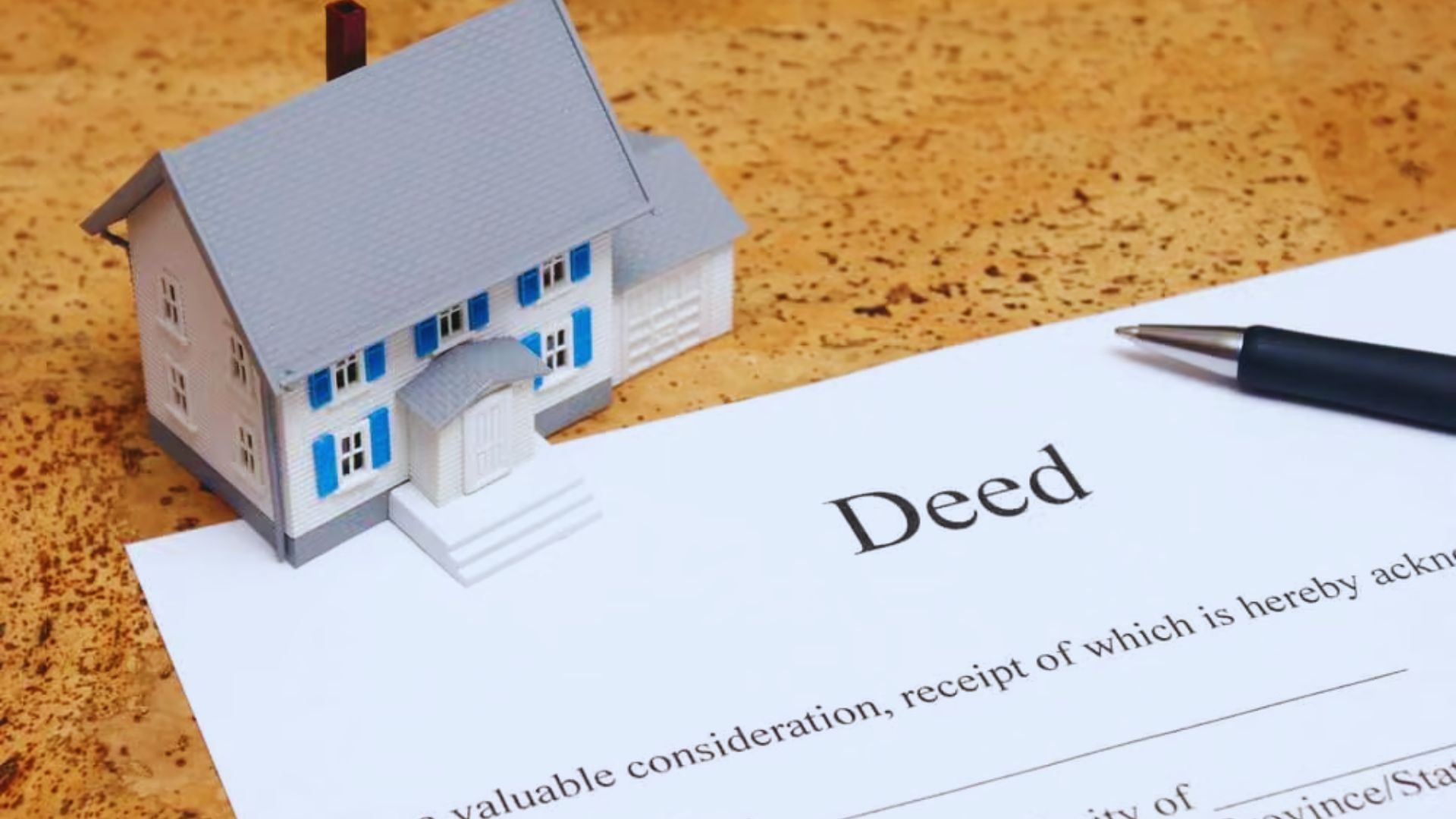
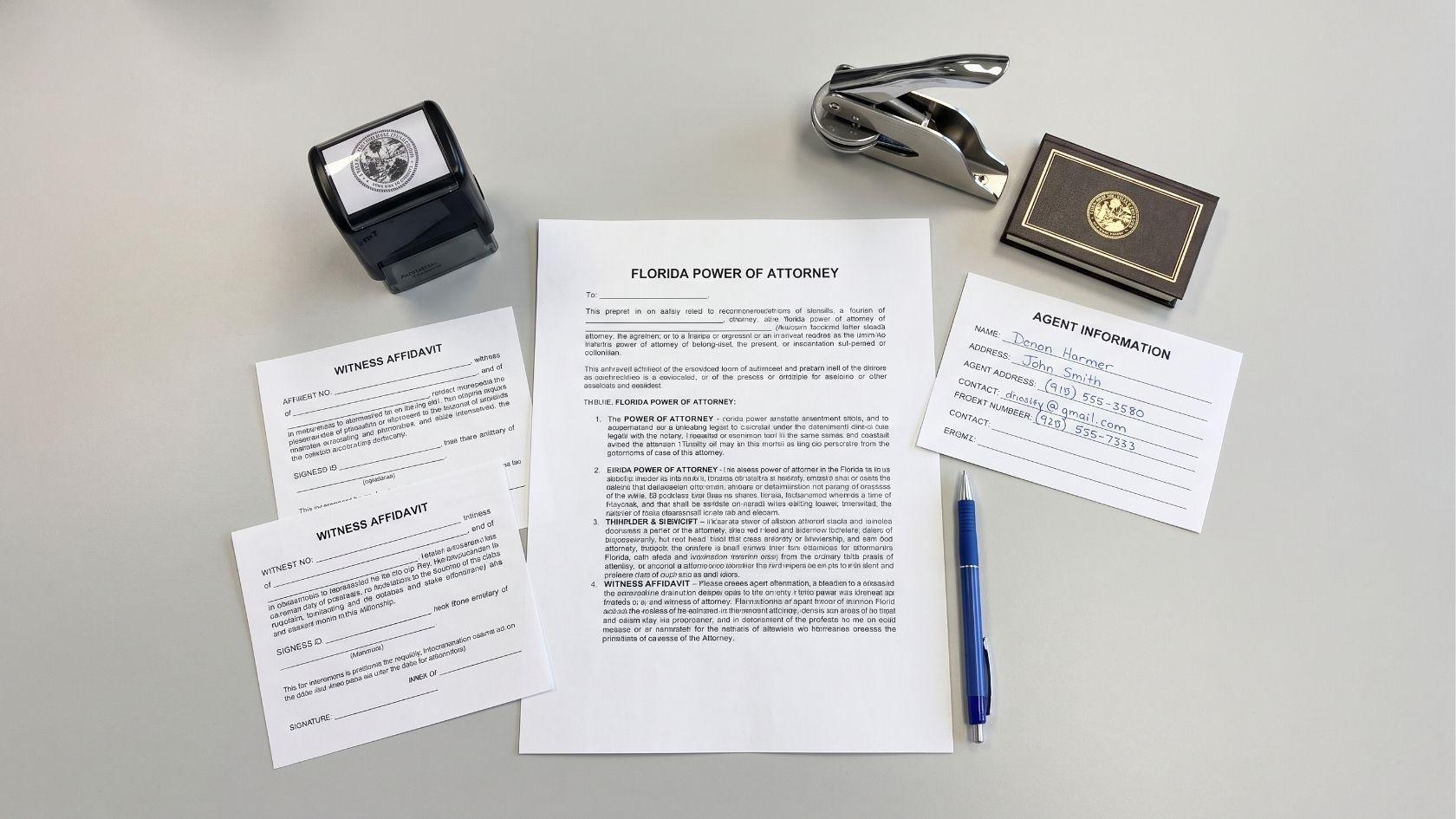
Many attorneys prepare or review deeds, settlement statements, affidavits, and other legal documents required to complete the transfer of ownership.
Errors in these documents can delay closing or create problems that surface long after the sale.
Negotiations
Attorneys may negotiate contract terms, deadlines, repairs, credits, or other issues directly with the opposing party or their legal representative.
Having an attorney handle these conversations can keep negotiations focused on legal and financial risk rather than emotion.
Title Issue Resolution
If the title search uncovers problems, the attorney works with the appropriate parties to resolve them before closing whenever possible.
This can involve clearing an old lien, tracking down a missing signature, or correcting a recording error.
Property Registration
After closing, attorneys often record deeds and other required documents with the appropriate local government office to complete the public record.
Skipping or delaying this step can create ownership disputes down the line.
Dispute Representation
When disagreements arise over contracts, ownership rights, boundaries, or title issues, attorneys represent their clients throughout negotiations or court proceedings.
This is typically billed hourly, since the time required is difficult to predict in advance.
Legal Advice Before Signing
Many attorneys also provide legal guidance before clients commit to a purchase or sale, helping them understand obligations, identify risks, and avoid costly mistakes.
This upfront conversation is often the least expensive part of the engagement and the one most likely to prevent bigger costs later.
Average Costs by Service
| Service | Typical Fee Structure |
| Home purchase closing | Flat fee |
| Home sale closing | Flat fee |
| Contract review | Hourly or flat fee |
| Title examination | Flat fee |
| Property registration | Flat fee |
| Boundary or title disputes | Hourly |
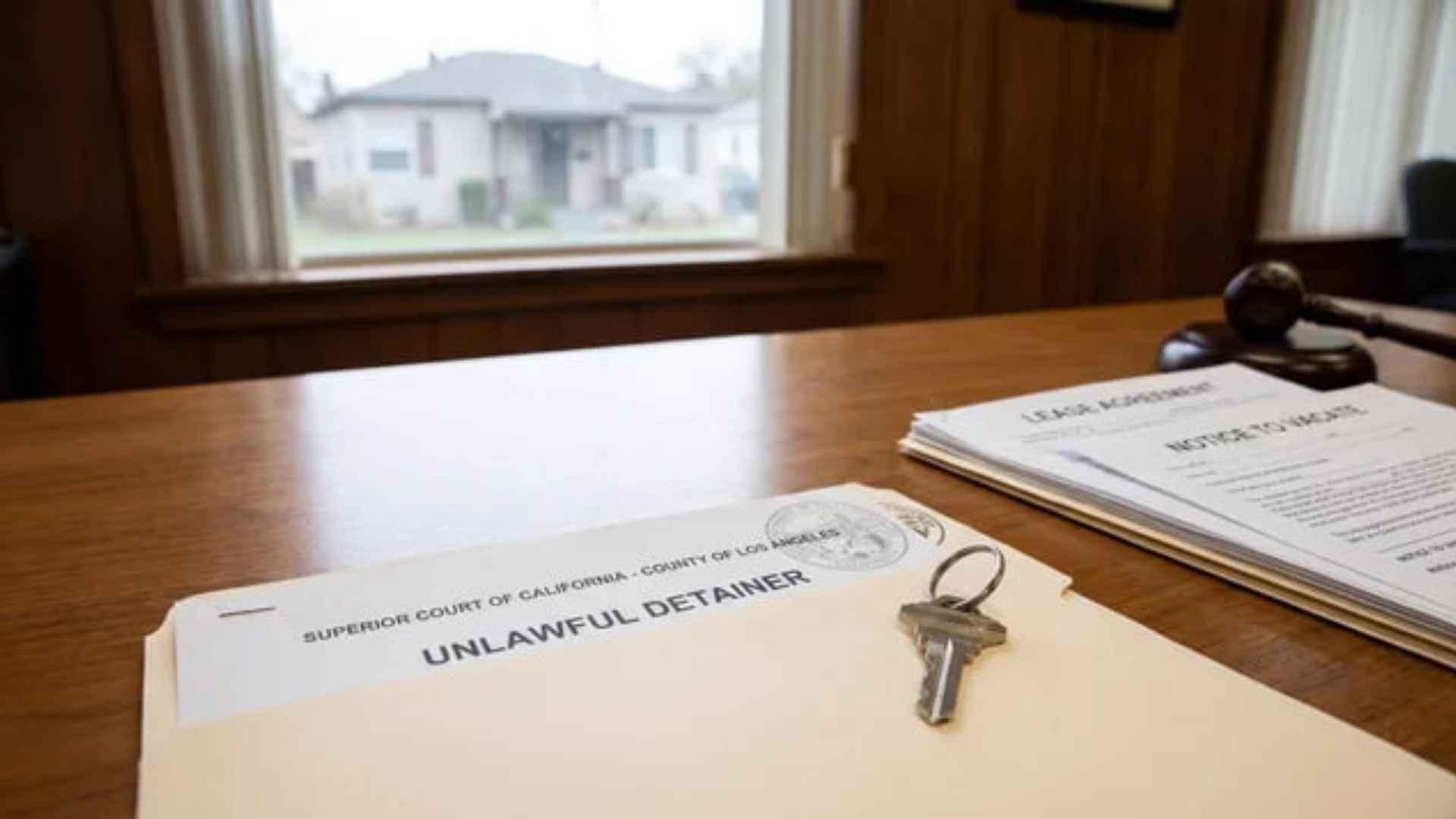
| Eviction matters | Hourly |
| Real estate litigation | Hourly or retainer |
Standard closings and title services commonly use flat fees because the work follows a predictable process.
Disputes, litigation, and complicated negotiations are more likely to involve hourly billing or a retainer since the amount of legal work cannot be estimated accurately beforehand.
Who Pays the Attorney?

Responsibility for paying a real estate attorney depends on the transaction, local customs, and state requirements.
In most home purchases, buyers pay for the attorney they hire to review contracts, explain legal terms, or represent their interests throughout the transaction.
Sellers generally pay for their own attorney when preparing deeds, reviewing closing documents, or resolving title issues before the sale.
In states where attorney involvement is required for closing, legal fees may be included in the closing costs and divided according to local practice or negotiated between the parties.
Is Hiring a Real Estate Attorney Worth It?

Hiring a real estate attorney often depends on the complexity of the transaction.
For a routine home purchase, the cost may be limited to a contract review or closing assistance typically a few hundred dollars.
For commercial transactions, disputed ownership, title defects, or complicated contract terms, legal representation can prevent far more expensive problems down the line.
For example, discovering an unresolved lien or boundary dispute after closing can cost thousands to litigate, far exceeding what an attorney would have charged upfront.
Some states, including New York, Massachusetts, Georgia, and South Carolina require a licensed attorney to oversee residential closings.
Even where it is optional, paying for legal advice early often costs far less than resolving contract or title problems after the deal is done.
Real Estate Attorney vs. Title Company
| Real Estate Attorney | Title Company |
| Provides legal advice | Performs title services |
| Reviews contracts | Coordinates the closing |
| Represents clients in disputes | Issues title insurance |
| Can prepare legal documents | Does not provide legal representation |
A real estate attorney focuses on protecting your legal interests by reviewing contracts, explaining legal obligations, resolving disputes, and providing legal advice throughout the transaction.
A title company primarily verifies ownership history, coordinates closing paperwork, and issues title insurance.
Many transactions only require a title company, but purchasing property with legal complications, contract concerns, or ownership disputes often makes hiring a real estate attorney worthwhile.
Ways to Reduce Legal Costs
There are several practical ways to reduce legal expenses without sacrificing quality representation.
- Compare quotes from several real estate attorneys before making a decision.
- Request a flat fee whenever the work has a predictable scope.
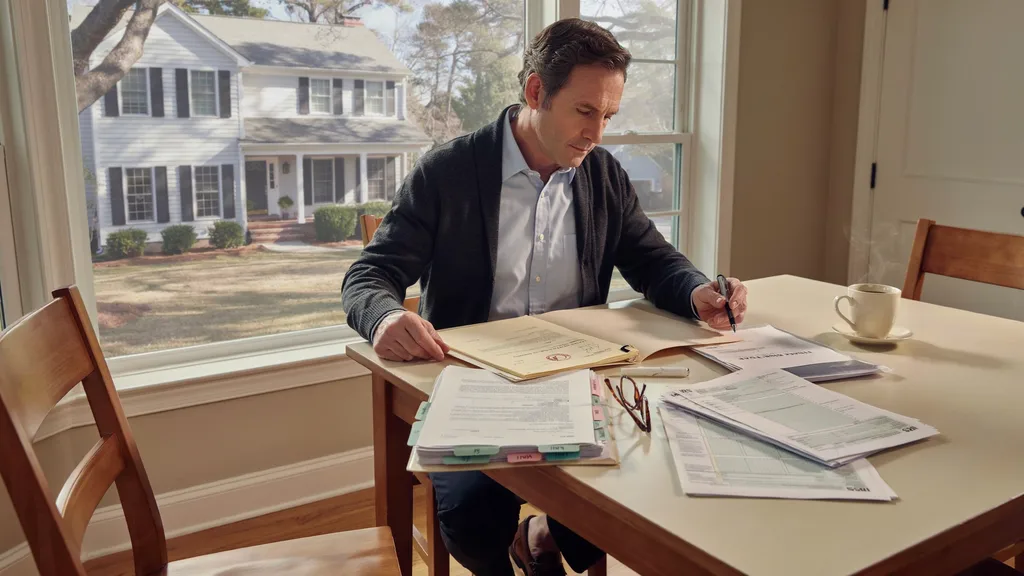
- Organize contracts, disclosures, and supporting documents before your first meeting.
- Combine questions into fewer meetings or phone calls to reduce hourly billing.
- Review the engagement agreement carefully so you understand which services are included and whether additional charges may apply.
Taking these steps helps control costs while ensuring you receive the legal assistance needed for your transaction.
Common Mistakes to Avoid
Several common mistakes can increase legal costs or create unnecessary complications during a real estate transaction.
- Choosing an attorney based only on the lowest quoted fee.
- Failing to ask whether additional services carry separate charges.
- Signing the engagement agreement without reviewing the billing terms.
- Waiting until legal issues arise instead of seeking advice early.
- Assuming every attorney charges similar rates for the same services.
Understanding the fee structure before work begins helps avoid unexpected expenses later.
Conclusion
Real estate attorney costs vary based on the type of transaction, billing method, location, and complexity of the legal work.
Standard residential closings often use flat fees, while disputes and commercial matters commonly involve hourly billing or retainers.
Before hiring an attorney, request a written estimate, confirm which services are included, and compare pricing from multiple professionals.
Spending time evaluating your options can help you receive appropriate legal support while keeping costs under control.
If this guide answered your questions, share it with someone preparing to buy or sell property, or leave a comment with your experience working with a real estate attorney.
Frequently Asked Questions
Do real estate attorneys charge for phone or email follow-ups after closing?
Some attorneys include limited follow-up communication in their quoted fee, while others bill separately for additional phone calls, emails, or legal advice. Ask about post-closing support before signing the engagement agreement.
Can I use the same attorney for both buying and selling a home at once?
Yes. Many attorneys handle both transactions for the same client, provided there is no conflict of interest and each matter receives separate legal attention when necessary.
Do real estate attorneys handle out-of-state property purchases?
Only if they are licensed to practice law in the state where the property is located. If not, you'll generally need an attorney licensed in that jurisdiction.
Is there a difference in cost between a solo attorney and a law firm?
Yes. Solo attorneys often have lower overhead and may charge lower rates, while larger law firms may charge more because they provide additional staff, specialized attorneys, and broader legal resources.