

Here's the short answer: the trust owns it. Not you.
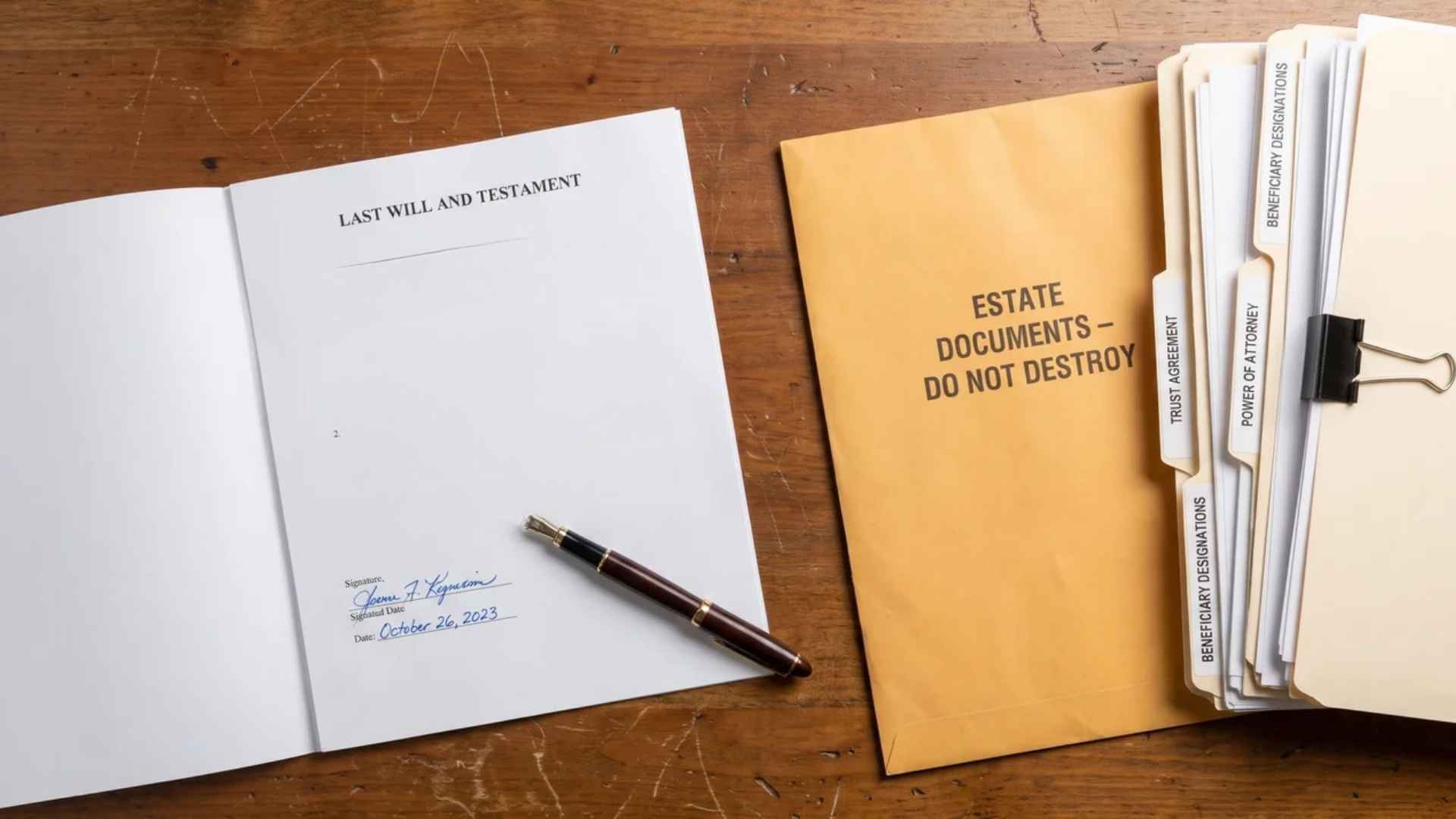
The moment you move a house, land, or any other property into an irrevocable trust, that trust becomes the legal owner. Not the person who set it up.
I see this confuse people constantly. You built the trust. You picked the terms. You might still be living in the house. So it feels like you must still own it on some level.
You don't. Once the transfer is done, ownership belongs to the trust itself, which is a separate legal entity, not you.
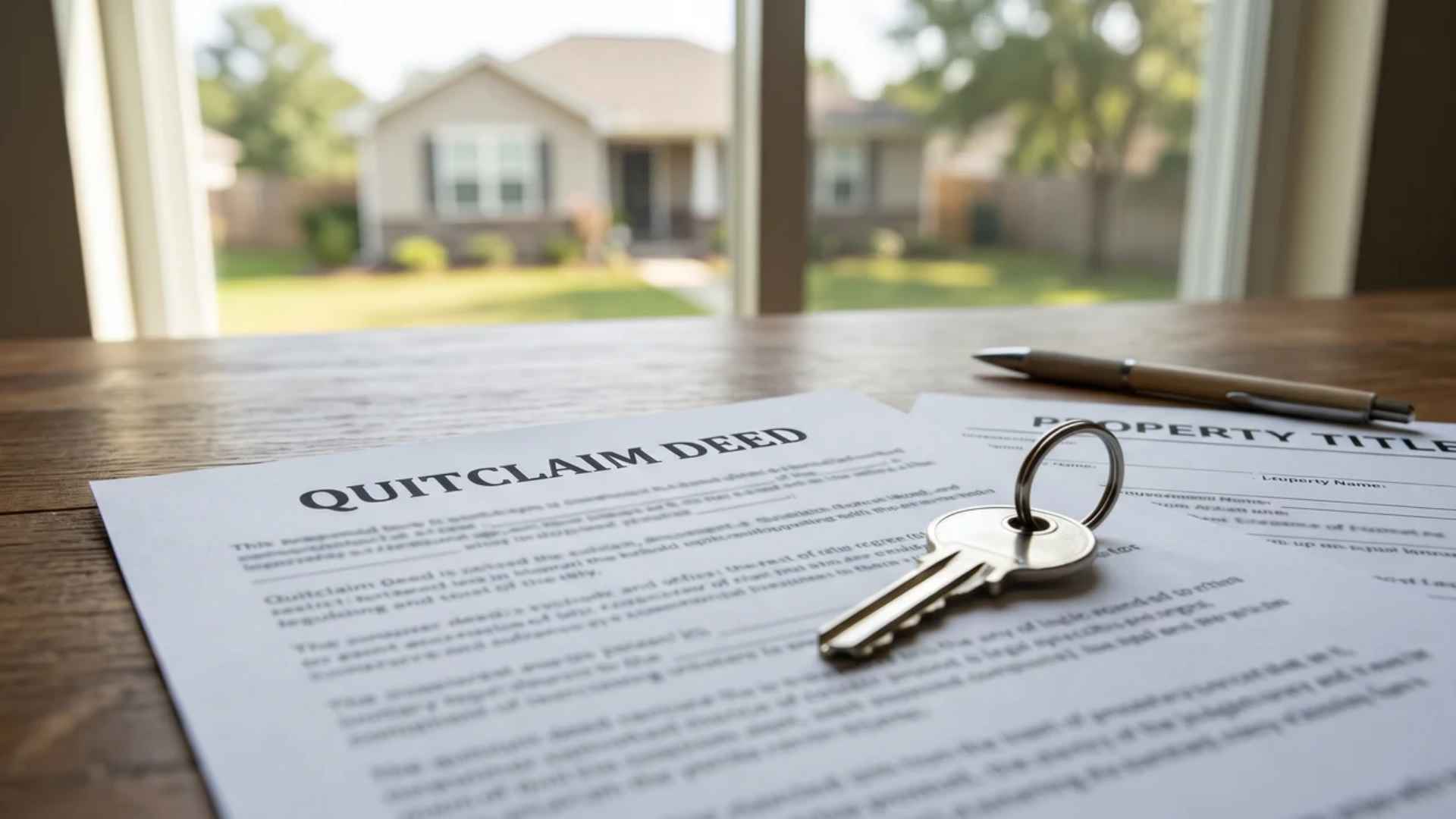
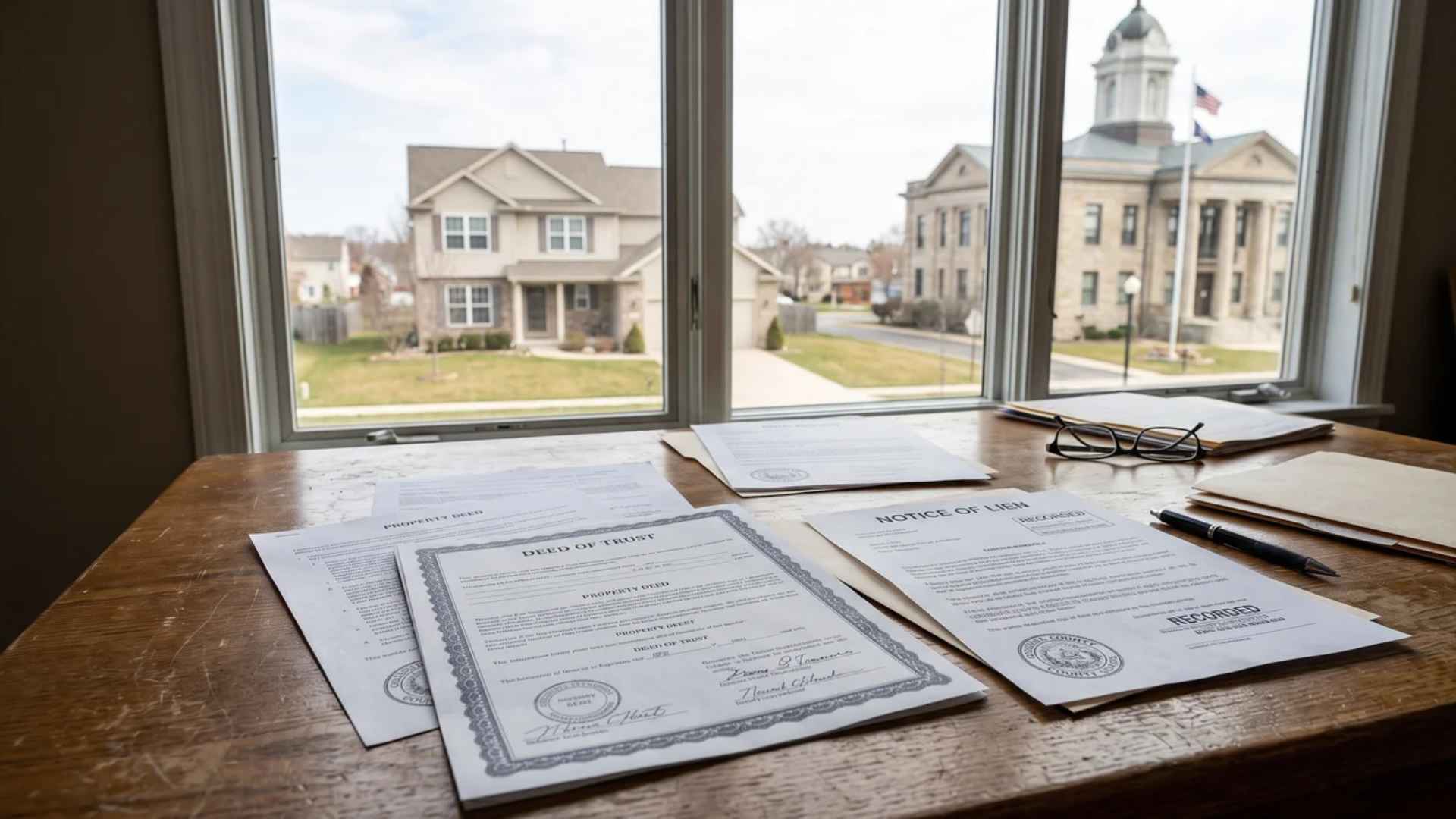
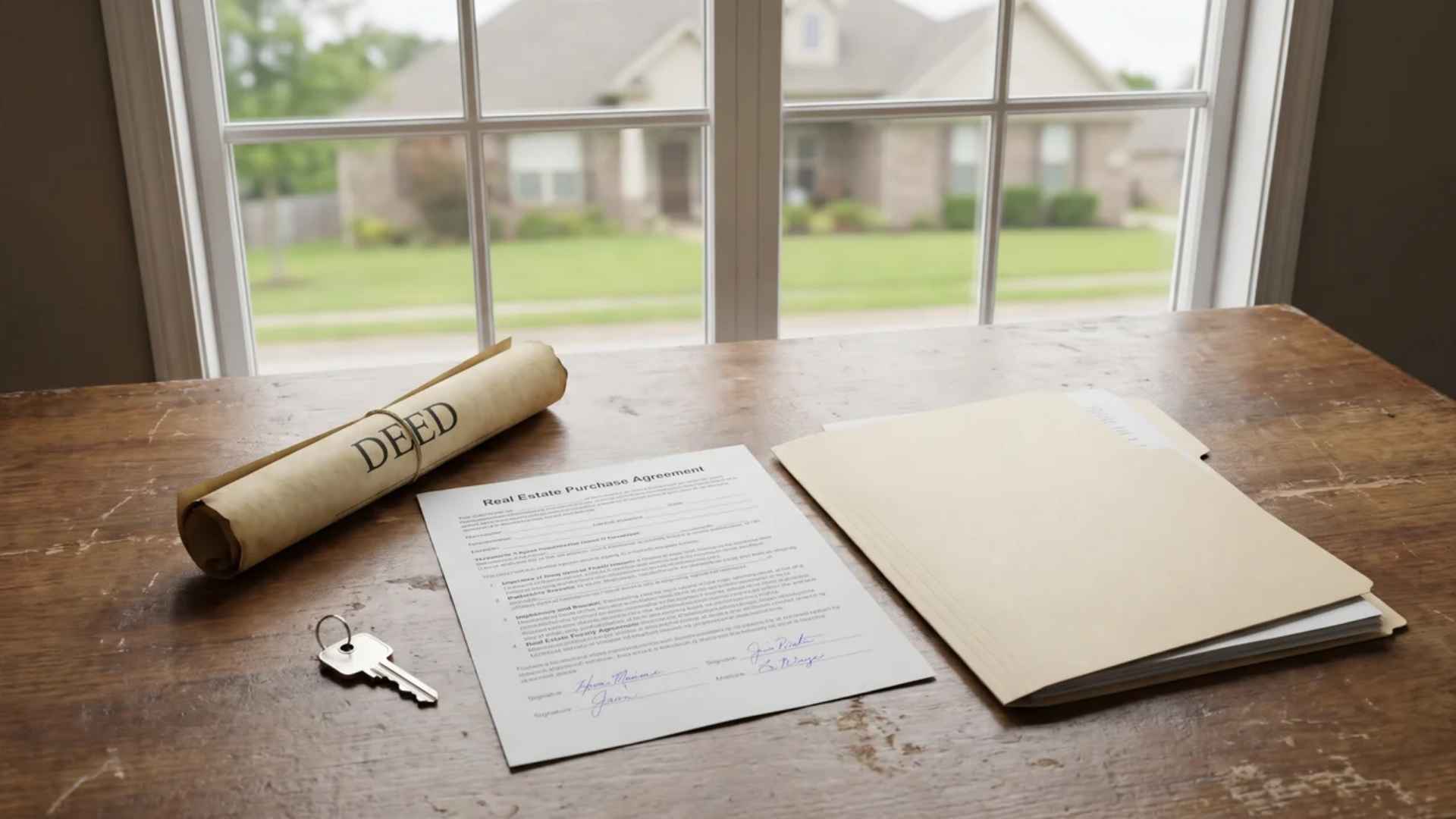
There's one catch worth knowing: Until the property is actually retitled, that’s to say the deed re-recorded with the county, you still own it legally. I've seen people assume their trust protects a property it was never actually funded with. The trust document can say whatever it wants. If the deed was never changed, you're still the legal owner of record. The paperwork has to match the plan, or the plan doesn't count.
Disclaimer: This article is for general informational purposes and isn’t legal or tax advice. Trust law and Medicaid rules vary by state and change over time. Talk to an estate planning attorney before making decisions about your own property.
What Does Ownership Actually Include?
Ownership here isn't one thing. It's split three ways: legal title, day-to-day control, and the right to benefit from the property. Three different people hold three different pieces.
Knowing there are three parties isn't enough on its own. You need to know what each one can actually do.
1. The Grantor's Role
You're the grantor if you created the trust and originally owned the property. Once you transfer it in, you give up legal title, control, and ownership rights. All of it.
This isn’t a partial give-up; risks of giving up control like this are exactly why some grantors hesitate.
You can’t sell the property on your own anymore. You can't mortgage it. You can't change the terms. That's what "irrevocable" actually means in practice.
Some trusts let the grantor keep living in the property. But that's permission from the trust document, not leftover ownership. Don't confuse the two.
2. The Trustee's Role
The trustee holds legal title once the property's in the trust. But that title doesn't come with normal-owner freedom.
A trustee's power is fiduciary. That means they can only manage, maintain, insure, lease, or hand off the property in ways the trust document spells out. Nothing more.
A trustee can't decide to sell the house just because the market looks good. They can't spend trust money on something the document doesn't cover, even with good intentions.
In my experience, this is exactly where trustees get into trouble. They mix trust funds with their own accounts, make calls without checking the document first, and most of all they assume meaning well is the same as following the rules.
It isn't. Holding legal title in a fiduciary role still means the rules aren't yours to bend.
3. The Beneficiaries' Role
Beneficiaries are the people the trust exists to help. They hold what's called a beneficial interest, not legal title.
What this looks like in real life: the right to live in the home, the right to collect rental income, or the right to eventually inherit the property. It depends entirely on what the trust says.
Here's what beneficiaries can't do: sell the property, borrow against it, or direct what happens to it. Only the trustee can act on those fronts, and only within the rules.
I've watched beneficiaries assume that living in a house means they can also sell it. That's not how beneficial interest works. The right to use something isn't the right to control it.
What “Nobody Owns It” Gets Wrong About Irrevocable Trusts

You'll see "nobody owns the property" thrown around a lot. It's a convenient line. It's also not quite true.
No individual holds personal title anymore. Not you, not the trustee as a person, and not the beneficiaries. But the trust itself owns it. It's a legal entity. It can hold title, appear on a deed, and show up in tax and legal matters, even though it isn't a person.
Saying "nobody owns it" skips over that. And it leaves you without a clear picture of where the title actually sits.
Here's the second mix-up, and it follows straight from the first. Because the trustee holds legal title, people assume the trustee can do whatever a regular owner could: sell, borrow against it, move in, renovate it. They can't.
A trustee's title is boxed in by the trust document. Step outside those limits, and that’s a breach of duty, no matter what the title technically allows, and consequences for trustee misconduct can go well beyond a civil dispute.
Holding title and having free rein are not the same thing. Mixing those up is where most of the confusion about trustee power comes from.
Why This Ownership Structure Matters
The benefits people chase with irrevocable trusts; creditor protection, or a smaller taxable estate aren't bonus features. They come straight from the ownership shift you just read about.
Because the trust owns the property, not you, it's no longer part of your personal estate. Your personal creditors generally can't touch it either. That's not a separate perk. It's the direct result of you no longer being the legal owner.
This setup raises a practical question peopleoften miss: who covers property taxes, insurance, and upkeep once the trust owns the place but doesn't earn its own income?
Usually, trust funds set aside for that purpose cover it. If a beneficiary lives there under the trust's terms, the document might make that beneficiary responsible for taxes and upkeep instead.
The trust also gets its own tax ID number, a separate EIN, not your Social Security number. That’s what lets it file its own tax return and pay what it owes directly, instead of running through your personal taxes.
Either way, someone has to pay. The obligation doesn't vanish just because you're no longer the owner. I've seen trusts that never spelled this out clearly, and it's almost always what sparks fights between trustees and beneficiaries down the line. Get this detail nailed down early.
Bottom Line
No single person owns property in an irrevocable trust the normal way.
The trust holds legal title. The trustee exercises that title within strict limits. The beneficiaries get to use or benefit from the property without ever holding title themselves.
Know where each piece sits, and you'll understand why the property is protected, who's on the hook for its costs, and why your original ownership doesn't just carry over once the transfer is done.
Frequently Asked Questions
What is the downside of putting your house in an irrevocable trust?
You give up personal ownership and control. You generally can't undo the transfer, sell the house yourself, or change the trust's terms without the trustee or beneficiaries on board, even if your situation changes later.
Who pays the property taxes on a house in an irrevocable trust?
Trust funds usually cover it, since the trust is the legal owner. If a beneficiary lives in the property under the trust's terms, the document may instead require that beneficiary to pay taxes and upkeep directly.
What happens when a house in an irrevocable trust is sold?
The trustee handles the sale, not the grantor or beneficiaries, since the trustee holds legal title. The proceeds stay in the trust and get distributed by the trust's terms, not by whoever pushed for the sale.
Can a nursing home take your house if it is in an irrevocable trust?
Usually not. Because the trust owns the house, not you personally, it’s typically shielded from being counted toward nursing home or Medicaid eligibility, as long as the transfer happened outside the five-year look-back period most states apply. Rules vary, so check current local law before counting on it.