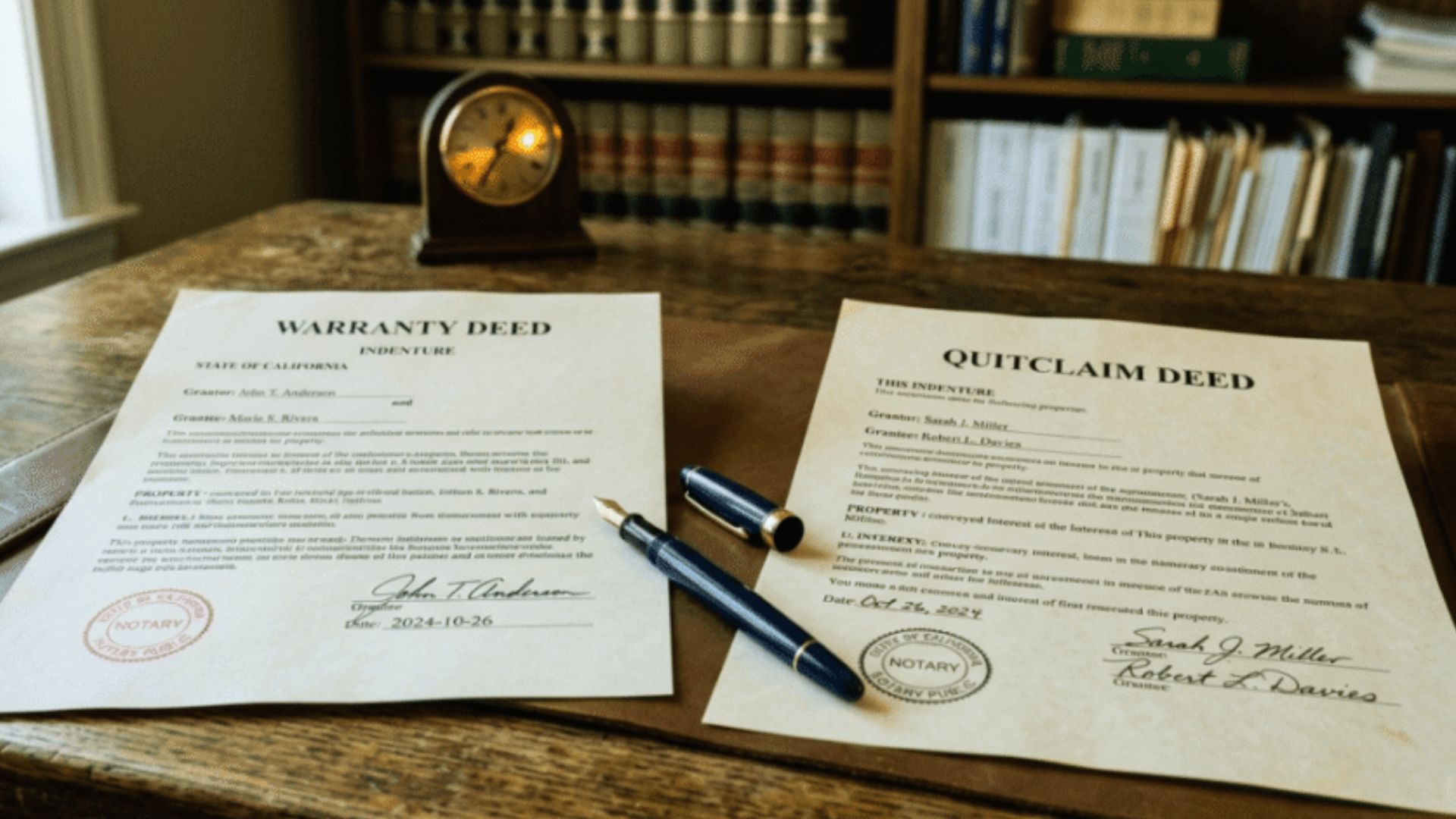
Maybe you just found strangers living in your empty rental, moving furniture in like they own the place.
Or maybe you're the one staying somewhere long enough to wonder what rights you actually have. Either way, you're probably confused about California squatters' rights right now, and that confusion is normal. Most people are.
This article breaks it down in plain terms. I'll cover what changed under the new law, what rights squatters actually have, how adverse possession really works, and the exact steps to remove someone the legal way.
You'll also learn what property owners should avoid, since illegal self-help eviction can lead to lawsuits, financial penalties, and delays in recovering the property.
By the end, you'll know exactly where you stand and what to do next.
What's Changed Under California Squatter Laws in 2026?

The biggest change is how long a trespass letter stays active. Property owners used to refile it every 30 days. Now it lasts a full year.
Senate Bill 602 rewrote part of Penal Code 602, the section that covers trespassing. Before this law, if you wanted police to remove a trespasser, you had to file a "602 letter" with your local sheriff's office every single month.
That was a hassle for landlords with vacant homes. Now that same letter stays valid for 12 months, or 36 months if the property is permanently closed and posted with no trespassing signs.
You can also file it online and let a property manager submit it for you. What hasn't changed is the core rule: entering property without permission is still illegal.
What Are California Squatters' Rights?

A squatter is someone living on property without the owner's permission and without a lease. California law gives them certain protections during removal, but not ownership.
Squatting has grown more common here, since California has one of the highest counts of vacant homes in the country and rent keeps climbing.
These protections exist so no one gets thrown out without a fair process. A court decides who leaves, not a landlord with a truck.
This is where adverse possession comes in, a separate legal path that lets long-term occupants claim land under very specific conditions.
California spells this out in Code of Civil Procedure sections 325 through 330 and Civil Code section 1007. These laws establish the legal framework courts use when evaluating adverse possession claims in California.
What Legal Rights Do Squatters Have in California?
Here's exactly what the law protects, and what it doesn't.
- Right to due process: A squatter can't just be tossed out. The owner must follow California's legal eviction process.
- Protection from illegal self-help eviction: Landlords can't change locks, cut power, or remove belongings to force someone out.
- Right to defend themselves in court: A squatter can show up to eviction hearings and argue their case.
- Ability to pursue adverse possession:Only if every single legal requirement is met, including five years of continuous possession and paying property taxes.
- No guarantee of ownership: None of these rights hand over the deed. They just slow down and formalize the removal process.
- Right to receive notice before eviction: If an eviction case is required, occupants must receive the notices required by California law before a court can order removal.
Can Squatters Gain Ownership in California?

Yes, but only through adverse possession, and the bar is high.
A squatter has to meet every one of these conditions, not just some. Hostile possession means they're there without the owner's OK.
Actual possession means they're physically using the land, not just claiming it. Open and notorious means it's obvious to anyone who looks, not hidden.
Exclusive possession means they're not sharing it with the owner or the public. They also need five straight years of continuous occupancy, and they must pay the property taxes during that time.
Miss any single piece and the claim falls apart. Courts require every legal element to be proven with evidence. Meeting only some of the requirements is not enough to obtain ownership through adverse possession.
Squatter vs Trespasser vs Holdover Tenant
These terms are often confused, but California law treats each type of occupant differently.
| Factor | Squatter | Trespasser | Holdover Tenant |
| Permission | No | No | Yes, but lease ended |
| Legal Status | Unauthorized occupant | Illegal entrant | Former tenant |
| Civil or Criminal? | Usually civil | Criminal | Civil |
| Removal | Court eviction | Police may remove | Court eviction |
| Can Claim Adverse Possession? | Yes, if all legal requirements are met | No | No |
Knowing the difference helps property owners choose the correct legal process and avoid costly mistakes.
Is There a 30-Day Squatter Rule in California?

No, staying 30 days does not give a squatter ownership rights. That idea is a myth.
Here's where the confusion comes from. After roughly 30 days, some squatters start looking like month-to-month tenants in the eyes of local police, which can push the case from a police matter into civil court.
That's about which process applies, not who owns the home. Thirty days of occupancy alone does not create ownership.
A court will recognize ownership only if every legal requirement for adverse possession has been satisfied. Anyone who tells you otherwise is spreading a myth that's been floating around for years.
Does Receiving Mail or Paying Utility Bills Give Squatters Rights?
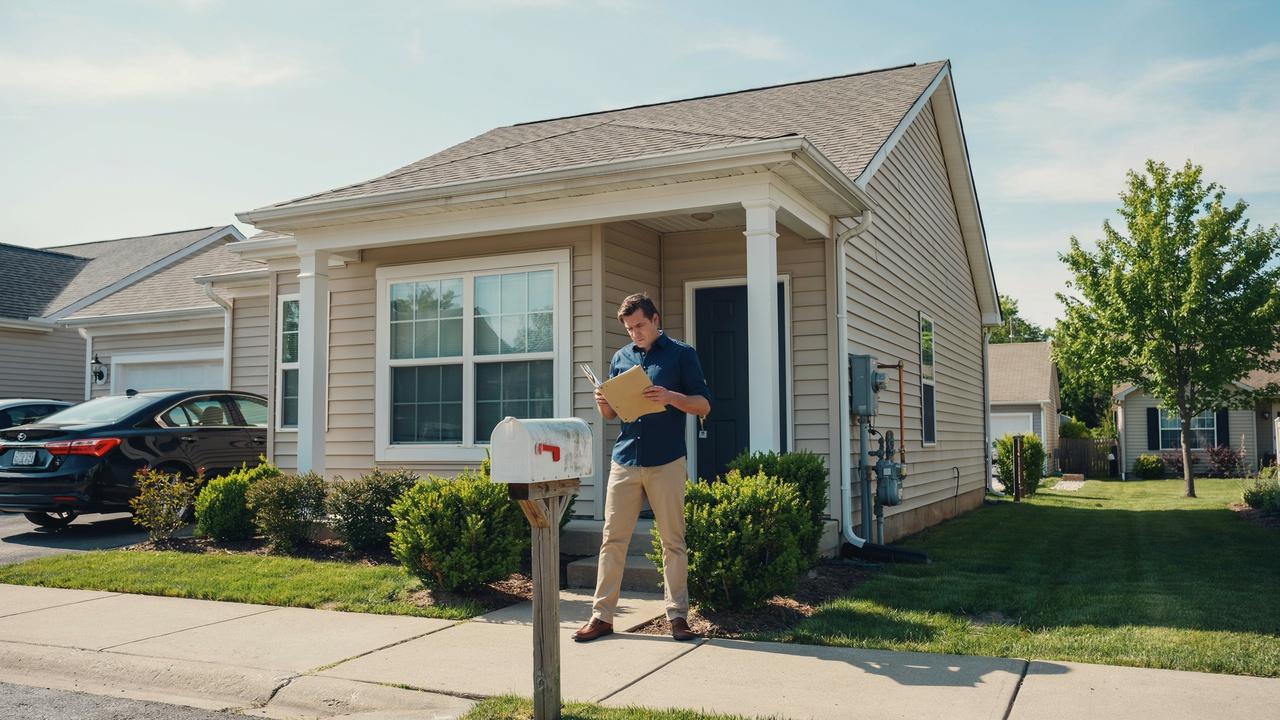
No. Receiving mail at a property, changing an address, or paying utility bills does not automatically give someone squatter rights, ownership, or a valid adverse possession claim in California.
These actions may help show that a person has been occupying the property, but they are only one piece of evidence.
A court looks at the full legal requirements, including continuous and exclusive possession, open and obvious occupancy, hostile possession without the owner's permission, and payment of property taxes for five consecutive years.
If even one requirement is missing, an adverse possession claim can fail. Simply receiving mail or keeping utilities in your name does not create legal ownership or prevent a property owner from pursuing lawful eviction.
Can Police Remove Squatters in California?
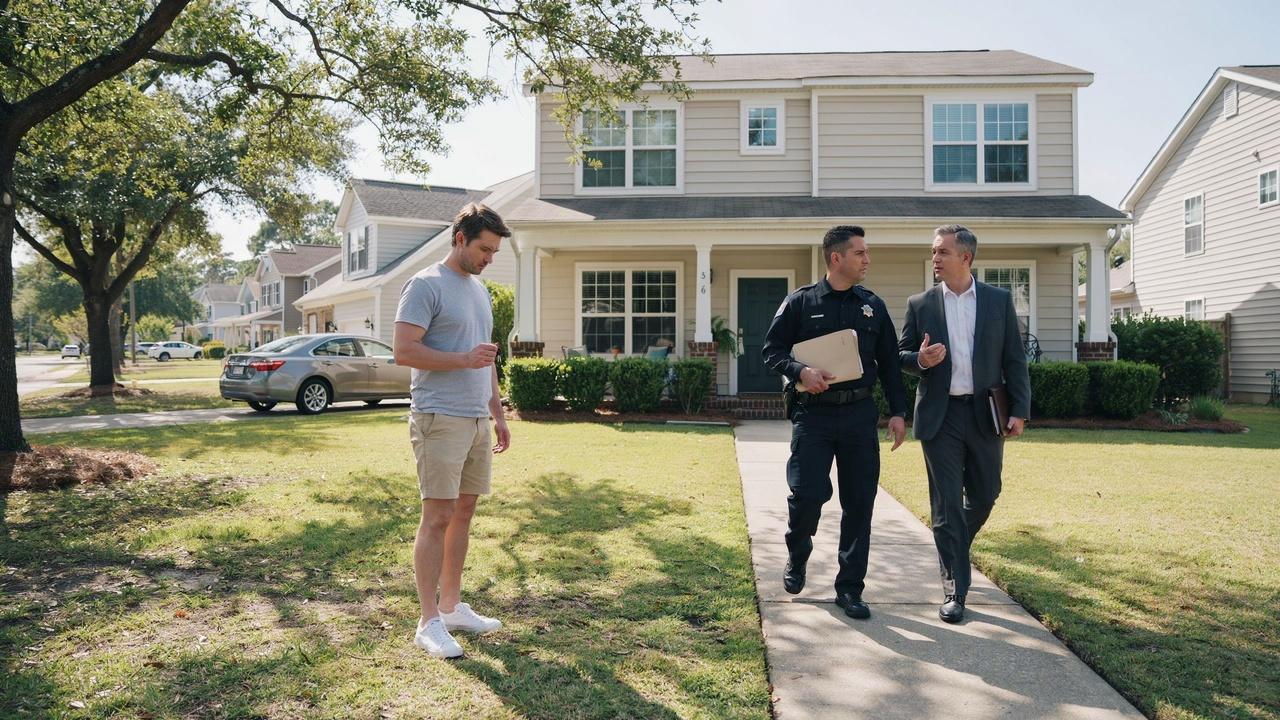
Yes, but only in certain situations. Once someone claims to have lived there a while, it usually becomes a civil matter instead.
Police may remove a trespasser when there is no credible claim of residency and the owner has a valid trespass authorization on file. If someone claims they live there, officers often refer the matter to civil court instead.
But the moment a person claims they've been living there or acting like a tenant, officers typically step back and call it a civil dispute.
That's when the case heads to eviction court. Once a judge issues a writ of possession, the county sheriff enforces the removal. Property owners cannot remove occupants themselves.
What Property Owners Should Never Do
Skip these steps, no matter how frustrated you get. Each one can get you sued.
- Never change the locks.
- Avoid shutting off utilities.
- Leave their belongings untouched until the court authorizes removal.
- Never threaten or physically remove an occupant.
Self-help eviction feels like the fastest fix, but it almost always backfires. Courts take these violations seriously, and a squatter can countersue for damages, sometimes for more money than the property is even worth in rent.
How to Legally Remove Squatters in California

The legal process is slower than most owners want, but it's the only safe route. It runs through the courts, not around them.
Start by serving a written notice to vacate, often a 3-day notice, then file an unlawful detainer lawsuit if they don't leave.
From there, you attend a court hearing where a judge decides the case. If you win, the court issues a writ of possession, allowing the sheriff to complete the removal.
Here's the short version of the timeline:notice served, then unlawful detainer filed, then court hearing, then writ of possession, then sheriff lockout. Actual timelines vary by county, court workload, and whether the occupant contests the eviction.
Each step has its own waiting period, so the whole process can take weeks to a couple of months depending on your county's court schedule.
Tips to Prevent Squatters on Your Property
Prevention beats eviction every time. A few habits go a long way.
- Secure vacant property: Lock every door, window, and gate the moment it's empty.
- Do regular inspections: Walk the property weekly if you can, especially between tenants.
- Install cameras and lighting: Motion lights and visible cameras scare off most opportunists.
- Post no trespassing signs: This also backs up your 602 letter if you need police help.
- Keep the property maintained: An empty, neglected home is a magnet for squatters.
- Act fast if you spot unauthorized occupancy: The moment you notice someone inside, start the legal process. Waiting only makes removal harder.
- Keep ownership records organized: Maintain updated deeds, tax records, and inspection records in case you need to prove ownership during legal proceedings.
Conclusion
Understanding California squatters rights can help both property owners and occupants avoid costly legal mistakes.
While California law provides certain protections during the eviction process, squatters do not automatically gain ownership of a property.
Acting quickly, keeping accurate records, and following the proper legal process are the best ways to protect your rights.
If you have questions or have dealt with a squatter situation, leave a comment below and share your experience. Your story may help others facing a similar challenge.
Frequently Asked Questions
How long does it take to evict a squatter in California?
Most squatter evictions take 30 to 60 days from notice to lockout, though contested cases can stretch to a few months.
Can a squatter be arrested in California?
A squatter can be arrested only if they're treated as a trespasser under Penal Code 602, not once they claim residency and the case moves to civil court.
What happens to a squatter's belongings after they're removed?
The property owner must store the belongings and give written notice before selling or disposing of them, following California's abandoned property rules.
Does homeowners insurance cover squatter damage?
Most standard homeowners policies exclude damage from unauthorized occupants, so owners often need a separate vacant property or landlord policy for coverage.
Can receiving mail at a property make someone a legal squatter?
No. Receiving mail alone does not establish squatter rights or ownership in California. Courts evaluate the complete legal requirements for adverse possession rather than a single action such as using the property's mailing address.