

In California rentals, the lease determines who pays for utilities, but state law controls how landlords can bill, how much they can charge, and what they can never shut off.
Whether you're a landlord setting up a new lease or a tenant reviewing your bill, this guide gives you the rules you actually need.
You'll find clear answers on billing methods like RUBS, landlord duties to maintain utility systems, illegal shutoff penalties, tenant protections, and where AB 1248 stands today.
Who Pays for Utilities in a California Rental?
You won't find a rule in California law that says landlords must always cover utilities. It comes down to your lease. Some leases put water and trash on the landlord's tab and leave gas and electric to the tenant. Others split it differently, or put everything on one side.
If your property shares a meter with another unit, though, that changes things. Your landlord has to disclose that setup in writing before you sign, or they can't bill you for someone else's usage.
Problems usually start when the lease never spells this out clearly.
What Landlords Must Guarantee No Matter What the Lease Says
Paying for a utility and providing it aren't the same thing. California's implied warranty of habitability means your landlord has to keep plumbing, gas, electrical, hot and cold water, and heat all working, no matter what the lease says about who pays the bill.
So if your lease puts electric in your name, that doesn't let your landlord off the hook for a broken electrical system. They still have to fix it.
This gets messy when a landlord points at the utility company instead of dealing with the actual problem. A slow utility provider doesn't excuse a landlord from keeping the unit livable.
Appliances Landlords Must Provide and Maintain
Beyond the utility systems themselves, California requires a working stove or oven and a refrigerator in every rental. Your landlord is responsible for keeping both in working order, not just supplying them on move-in day.
Shared Meters and Water Billing Disclosure Rules
Shared and sub-metered utilities come with their own set of rules, separate from anything about habitability. These break down into a few specific requirements.
1. How RUBS Billing Works
RUBS stands for Ratio Utility Billing System. Instead of installing individual meters, the landlord pays the full utility bill and divides it among tenants using a formula, usually based on square footage, number of occupants, or number of bedrooms rather than actual usage.
It's less accurate than submetering, since two tenants using very different amounts of water or electricity can end up with similar charges. That's exactly why it draws more legal scrutiny, and why disclosure of how the split is calculated matters so much here.
2. Shared Meter Billing Rules
If your unit shares a meter with another unit or a common area, your landlord can't bill you for that other usage unless they told you about the shared setup in writing before you signed the lease. No disclosure means no charge, no matter how the bill gets split.
3. Landlords Can Only Charge What the Utility Actually Costs
Even when a landlord is allowed to bill you for a shared or sub-metered utility, they can't profit from it. They're limited to passing along the actual cost billed by the utility provider.
A reasonable administrative fee tied to the cost of managing the billing may be added, but padding the number to cover something else isn't allowed. If your bill looks inflated, ask for the underlying utility statement and compare it against what you were charged.
4. Water Billing Disclosure Requirements
When water is billed separately from rent, your landlord has to give you an estimate of the monthly water bill before you move in. That estimate isn't a courtesy. It's required, and it has to happen before the tenancy starts, not after.
5. What Actually Counts as Disclosure
A line that just says "utilities are shared" doesn't meet the requirement. It doesn't name the meter, what's being split, or how the cost is divided. Real disclosure spells out the actual arrangement. If your lease only has vague language like that, your landlord likely hasn't met the requirement, even if shared utilities got a passing mention.
Where AB 1248 Stands Today
California lawmakers have been tightening the rules around RUBS billing, and AB 1248 is the bill driving that change. It puts real limits on how landlords can use RUBS, including tighter disclosure requirements and restrictions on which properties can use it at all going forward.
If you're a landlord relying on RUBS right now, don't assume your current setup will stay compliant automatically. If you're a tenant being billed through RUBS, it's worth checking whether your building falls under the new restrictions once they take effect.
Because this is an active legislative area, confirm the current status with your county or a local landlord-tenant attorney before making billing decisions based on it.
Can a Landlord Turn Off Utilities in California?
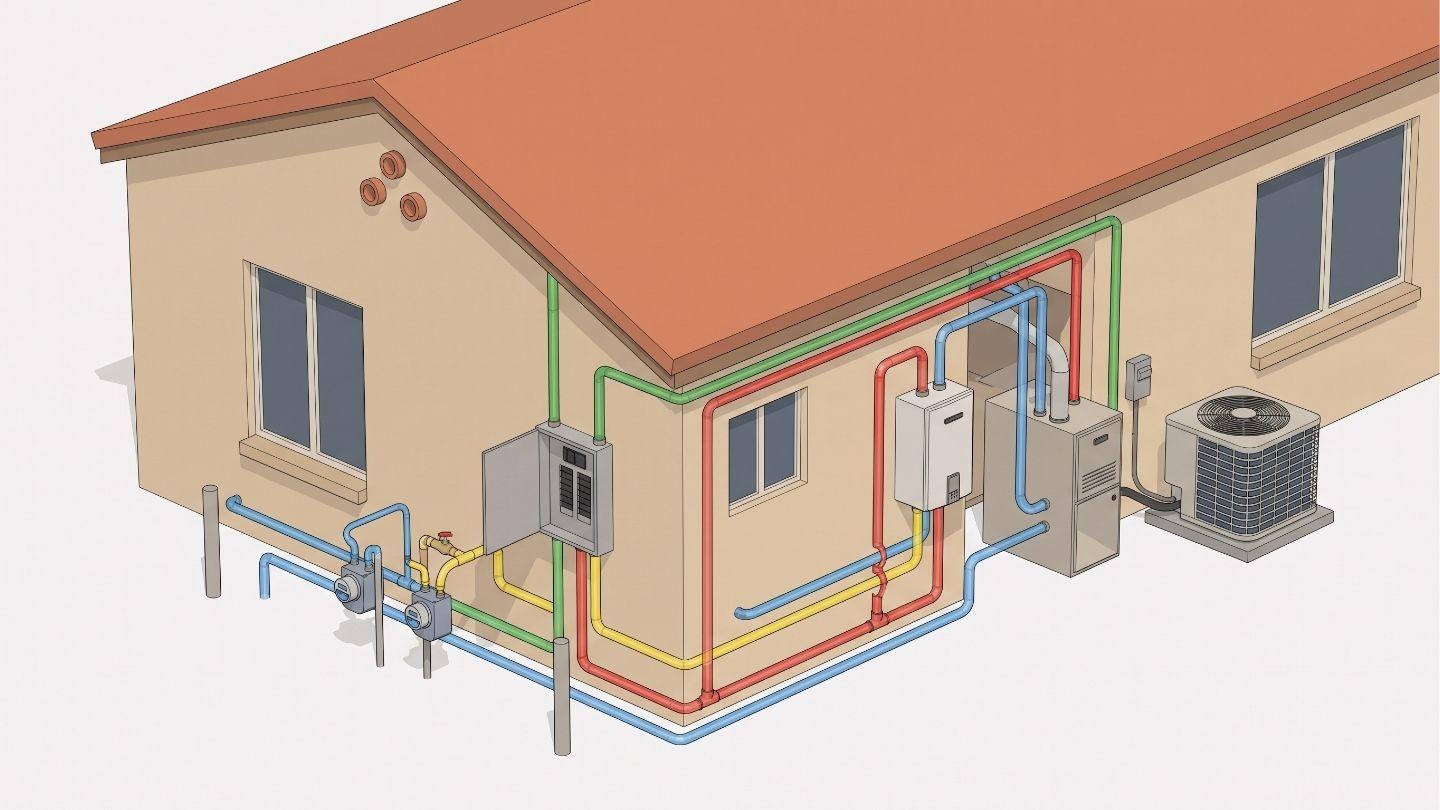
No, a landlord cannot turn off your utilities to force you out, even if you're behind on rent. California law bans cutting off water, heat, gas, or electricity as a way to pressure a tenant into leaving.
It doesn't matter if there's an active dispute or unpaid rent on the table a utility shutoff is not a substitute for a formal unlawful detainer proceeding, which is the only legal route to remove a tenant.
Where this gets tricky is when a landlord tries to dress up a shutoff as something else.
Calling it "maintenance" or blaming the utility company for nonpayment doesn't change what it actually is if the real goal is pushing you out this pattern is often what's legally known as constructive eviction.
What a Tenant Can Actually Do When Utilities Aren't Provided
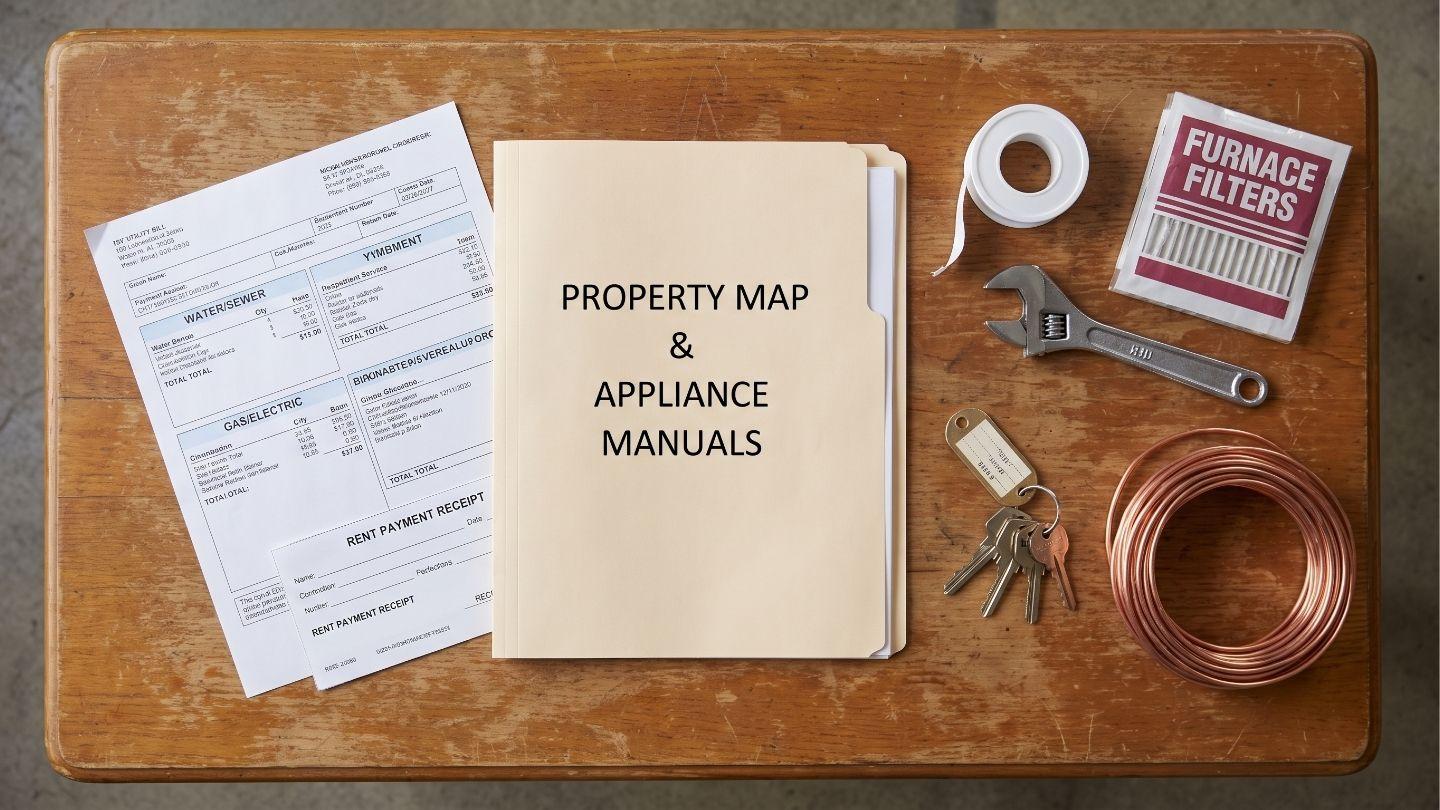
The right fix depends on why your utility stopped, not just that it stopped.
- If your landlord is responsible for a utility and hasn't handled it, you can pay for it yourself and deduct the cost from your rent just as tenants have separate protections against a landlord entering without permission to make repairs.
- This works for ordinary neglect, like a landlord who's slow to pay a bill they owe or ignores a service issue they're supposed to fix
- A deliberate shutoff is different. If your landlord cuts off a utility on purpose to push you out, that falls under the shutoff prohibition instead, with its own penalties attached
- Not every utility problem calls for the same response, so treating them all the same is a mistake
- A landlord dragging their feet on a repair isn't the same as one who flips a switch to make your life difficult
- Figure out which one you're dealing with first. That determines whether repair-and-deduct is the right move, or whether you're looking at something more serious
Wrapping It Up
California landlord tenant law utilities come down to a few clear rules: your lease decides who pays, but the state decides what your landlord can never skip out on.
Habitability standards, shared meter disclosures, and the shutoff ban all exist to keep you protected no matter what your bill looks like.
Next time you're reviewing a lease or dealing with a utility issue, check it against what you just read here. Knowing which remedy fits your situation makes all the difference.
Got a question about your own lease? Drop it in the comments, or share this with someone who needs it too.
Frequently Asked Questions
What utilities are landlords responsible for in California?
It depends on the lease. Some leases put water and trash on the landlord, others split things differently. What doesn't change is the habitability requirement: no matter who's billed, your landlord still has to keep plumbing, gas, electrical, and heating systems working.
What appliances does a landlord have to provide in California?
California requires a working stove or oven and a refrigerator in every rental unit. It's not enough to just supply them on move-in day either. Your landlord has to keep both in working order for as long as you live there.
Can you be sued for not paying utilities?
If a landlord fails to pay a shared utility bill they're responsible for, a tenant can pay it themselves and deduct that cost from rent, rather than suing outright. If a landlord shuts off utilities on purpose to force a move-out, that opens them up to legal penalties, including damages and attorney fees.