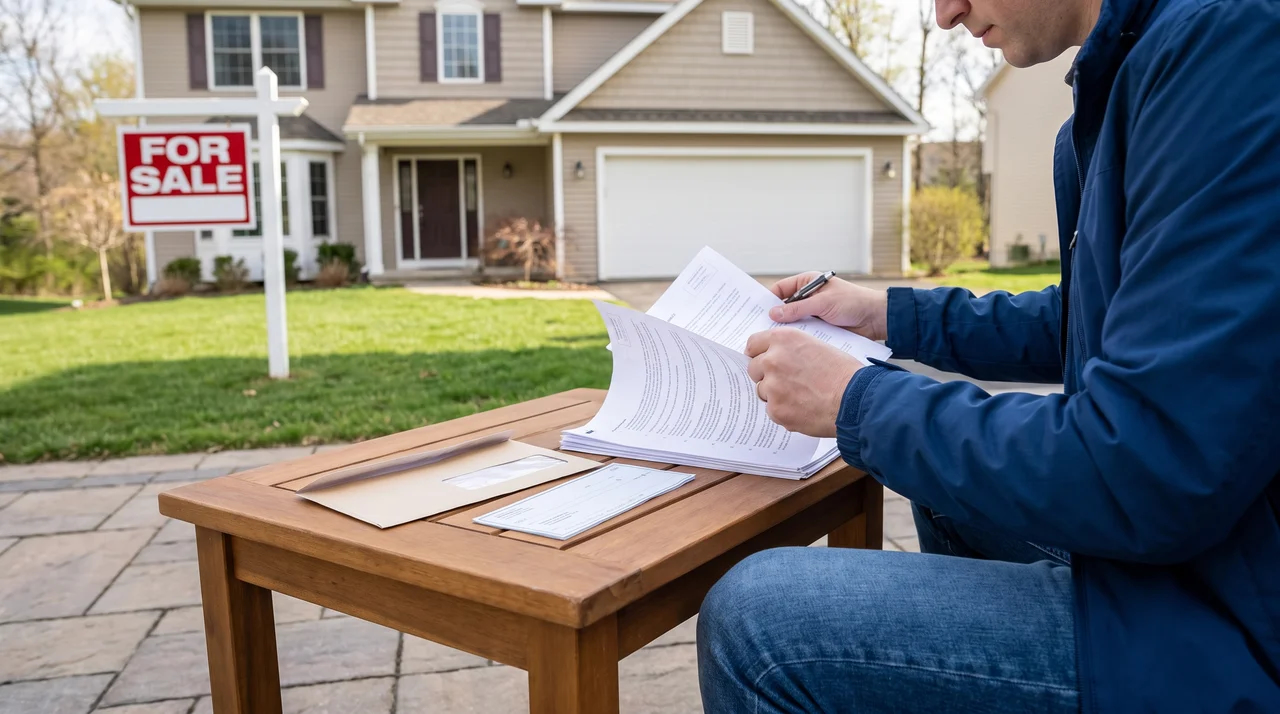


One morning, you walk outside and find a fence where there never was one. Maybe it’s a locked gate or a pile of equipment blocking a path you’ve used for years.
If you’re wondering, can a property owner block an easement? The short answer is usually no. An easement gives another person specific rights to use part of a property, and the owner generally cannot interfere with those rights.
However, the exact rules depend on how the easement was created, its terms, and state law. This guide explains what may count as illegal interference, when an easement can legally end, and what options property owners and easement holders may have when a dispute arises.
What Is an Easement, and Why Does It Matter?
An easement is a legal right to use someone else’s land for a specific purpose. Not ownership. Just use it. The classic example is a shared driveway easement where your neighbor has the legal right to drive across a strip of your property to reach their garage.
You still own that strip of land. You just cannot stop them from using it. The property that benefits from the easement is called the dominant estate.
The property that carries the burden is called the servient estate. And here is the part that catches a lot of people off guard: when the property sells, the easement stays. It follows the land, not the person who owned it.
Can a Property Owner Legally Block an Easement?
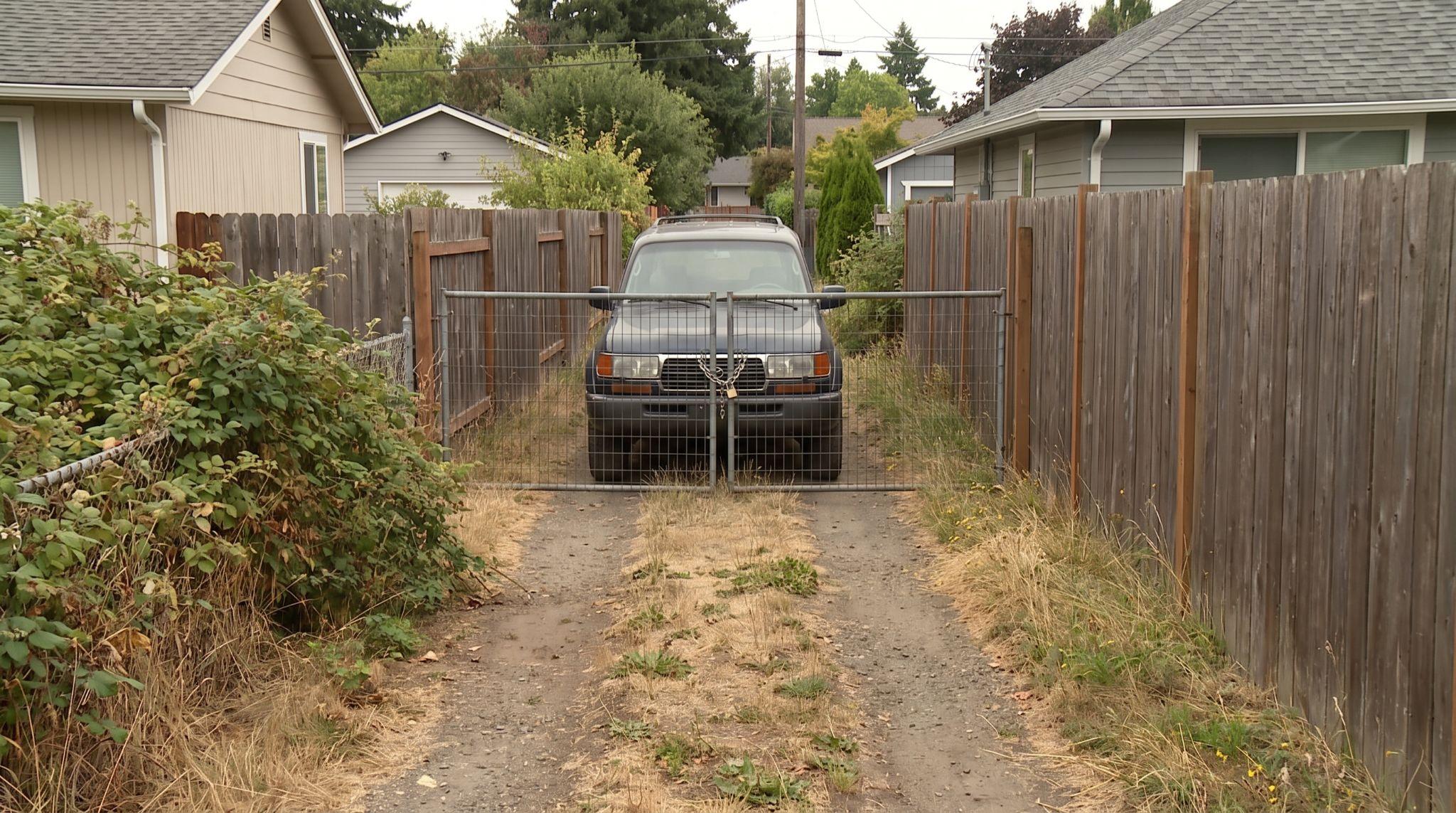
Generally, no. A property owner cannot block or unreasonably interfere with a valid easement, no matter how long they have owned the property or how inconvenient the easement feels. The exceptions are narrow, such as a gate that still lets the easement holder through, and they are covered below
What Counts as Illegal Interference?
Interference is broader than most people expect. A locked gate with no key provided counts. So does a fence built across a shared path, a shed erected on the easement area, or vehicles parked in the way.
Even partial obstruction can be enough. The legal test is not whether access is completely impossible. It is whether the easement holder’s reasonable use has been meaningfully disrupted. You do not have to seal off the route entirely for it to become a legal problem.
Does the Type of Easement Change the Answer?
The general rule holds for most easements, but the kind of easement changes how a blockage dispute plays out.
Recorded access easements: These are the hardest to fight. The document names the route and the holder’s rights, so proving a blockage is usually simple.
Utility and drainage easements: These protect more than one neighbor. A shed over a buried line or fill that changes a drainage path can damage shared infrastructure, and the utility or local authority can often force removal.
Prescriptive easements: These are where owners have the most room to push back. Because they rest on years of use instead of a document, an owner can dispute whether the use was open, continuous, and without permission. Do not block one on your own, though. Ask a court to decide first.
Most access easements are affirmative, meaning the holder gets to do something on your land. A negative easement works the other way and limits what you can do, such as building something that blocks a neighbor’s view.
What Are the Legal Consequences of Blocking an Easement?
The most common outcome is a court-ordered injunction requiring you to remove the obstruction at your own expense.
On top of that, you may owe the easement holder damages for losses caused by the blockage, such as the cost of a detour or the loss of use while the path was closed.
If a court has already ordered you to stop and you ignore it, that becomes contempt of court, which carries its own penalties.
One thing worth knowing: selling the property afterward does not erase prior liability. If you caused harm before the sale, you can still be held responsible for it.
When Can a Property Owner Legally Restrict or End an Easement?
An easement does not usually end just because the property owner wants to stop its use. However, certain legal circumstances may allow an easement to be restricted or terminated.
Mutual Agreement (Written Release): The property owner and easement holder can end the easement by signing a written release and recording it when required.
End of Necessity: If the easement exists only because the holder had no other way in, it can end once another route opens up, depending on state law.
Abandonment: The holder has to clearly intend to give up the right. Simply not using the easement is often not enough.
Merger: When one person ends up owning both the benefited and the burdened property, the easement can end.
Court-Ordered Termination (Quiet Title): A property owner can ask a court to determine whether an easement is valid, enforceable, or has legally ended.
Are There Situations Where a Property Owner Can Restrict Access?
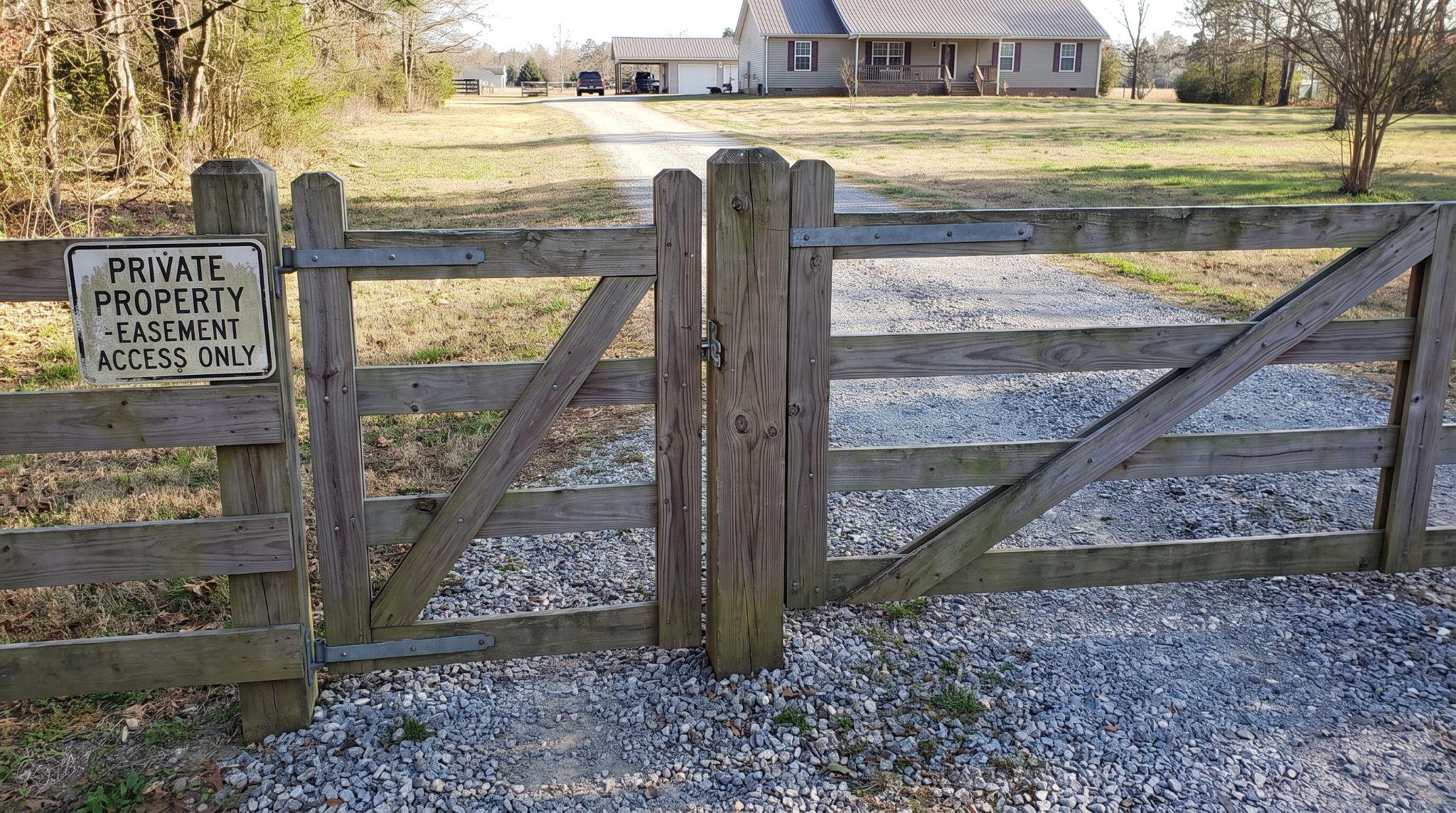
Yes, in limited situations, and the conditions matter a lot. Some states allow a property owner to install a gate across an easement route, as long as the easement holder is given a key or another way to open it.
Virginia, for example, has a statute that lets an owner put gates across a private road or right-of-way unless a contract says otherwise.
The core principle holds in every state: you can manage your property, but you cannot cut off access. Check the easement document first, because its terms can allow or ban a gate.
There is a real difference between reasonable property management and illegal obstruction. Knowing exactly where that line sits in your state is what keeps you on the right side of it.
What to Do If Someone Is Blocking Your Easement
Start by building a paper trail. Do not cut the lock or move the obstruction yourself, because self-help can turn you into the defendant. Work through these steps in order:
- Review the easement document to confirm the exact rights and boundaries.
- Take photos or videos showing how the easement is being blocked.
- Ask the property owner in writing to remove the obstruction.
- Contact a real estate attorney if the property owner refuses to cooperate.
- Consider court action if necessary to enforce your easement rights.
What Property Owners Can (and Can’t) Do on Easement Land
Owning land with an easement on it does not mean you lose control of that area completely. You can maintain vegetation around it, use the land normally outside the easement path, and make improvements to the rest of your property.
What you cannot do is let any of that activity spill over into blocking or reducing the easement holder’s access. Even gradual interference counts, like shrubs that slowly close in on a shared path or a fence that creeps a little further into the route each season.
If the easement was recorded when you bought the property, the law will not let you quietly erode a right that was disclosed from the start.
Does an Easement Transfer When the Property Is Sold?
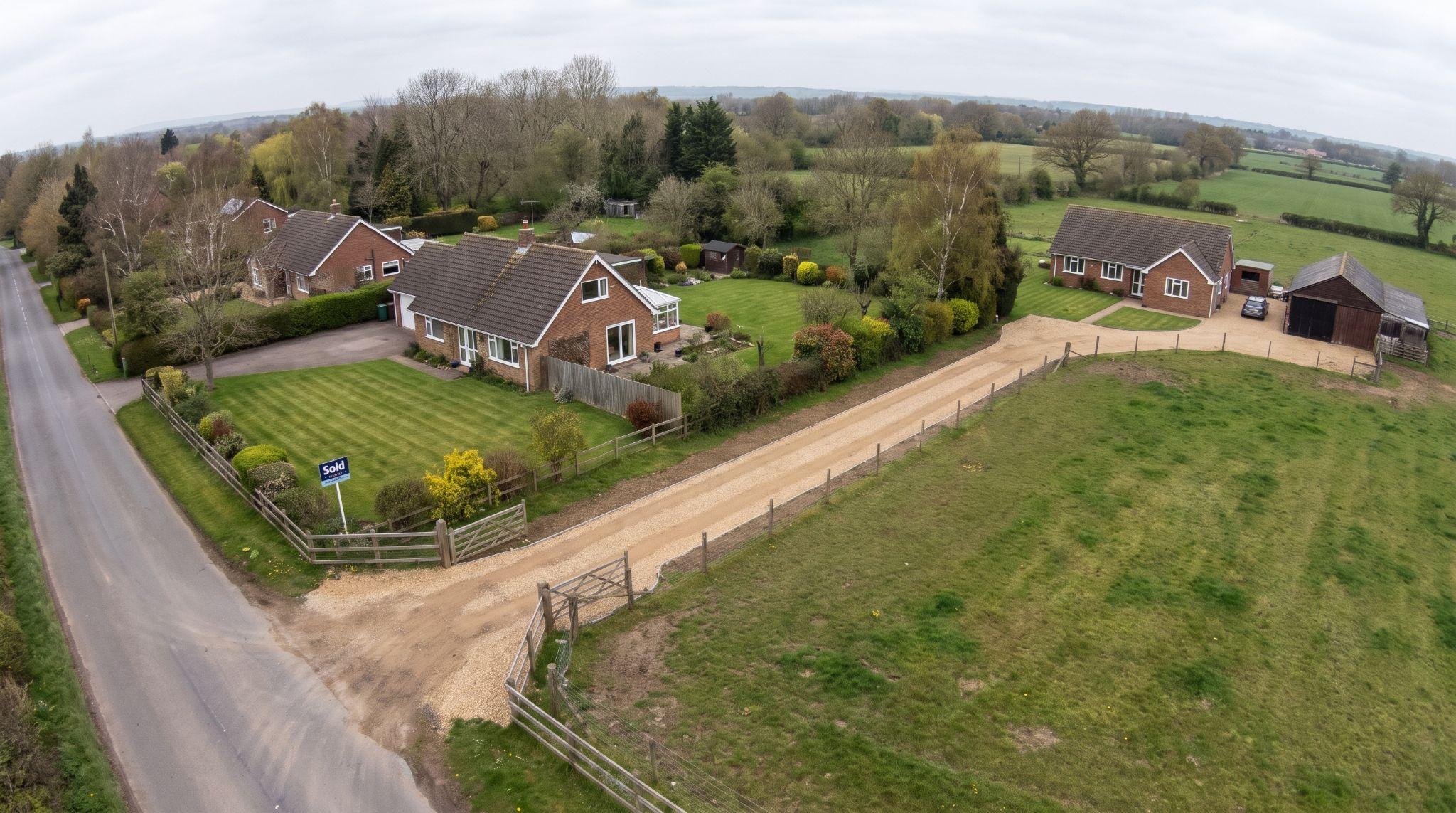
In most cases, yes. An appurtenant easement is tied to the land, so it passes to the new owner automatically.
That works in both directions.
A buyer of the burdened property inherits the duty not to block the easement, and a buyer of the benefited property inherits the right to use it. Before closing, review the deed and title records so a recorded easement does not come as a surprise.
Wrapping Up
So here is where it all lands. A property owner generally cannot block a valid easement, and trying to do so creates real legal exposure.
But the law is not one-sided. Easement holders have defined rights, and so do property owners, as long as they stay within the legal boundaries.
If your access is being blocked, you have options. If you own the burdened property, knowing what you can and cannot do protects you. Every situation is a little different, and state law matters more than most people realize.
Have you dealt with an easement dispute? Drop your experience in the comments below or share this with someone who needs it.
Frequently Asked Questions
Can a tenant block an easement on a rented property?
No, a tenant has no legal authority to block an easement since only the property owner holds that right, and even they cannot interfere with a legally established easement.
Can an easement be permanently removed?
Yes, an easement may end through agreement, abandonment, merger, or other legal grounds. The specific requirements depend on the easement terms and state law.
What can I do if someone blocks my easement?
Document the obstruction and review the easement documents first. You may also seek legal help or court enforcement if the blockage continues.
Does an easement transfer when property is sold?
Many easements transfer with the property when ownership changes. The exact effect depends on the type and terms of the easement.
Can I sue someone for blocking an easement?
You may be able to seek a court order to enforce your easement rights. A real estate attorney can help determine the appropriate legal remedy.