Can I refuse a utility easement?
One signature can permanently affect your property rights. Yes, you can say no in certain situations.
But the answer depends on your property, your location, and how the request is being made.
This blog covers when you can legally turn down the request, when you cannot, how eminent domain plays a role, and how to protect yourself before signing anything.
I have spent time working through this topic so you walk away with clear, practical information.
Laws vary by location, so always check your local property rules or speak to a lawyer in your area before making any decision.
What Is a Utility Easement and How Does It Work?
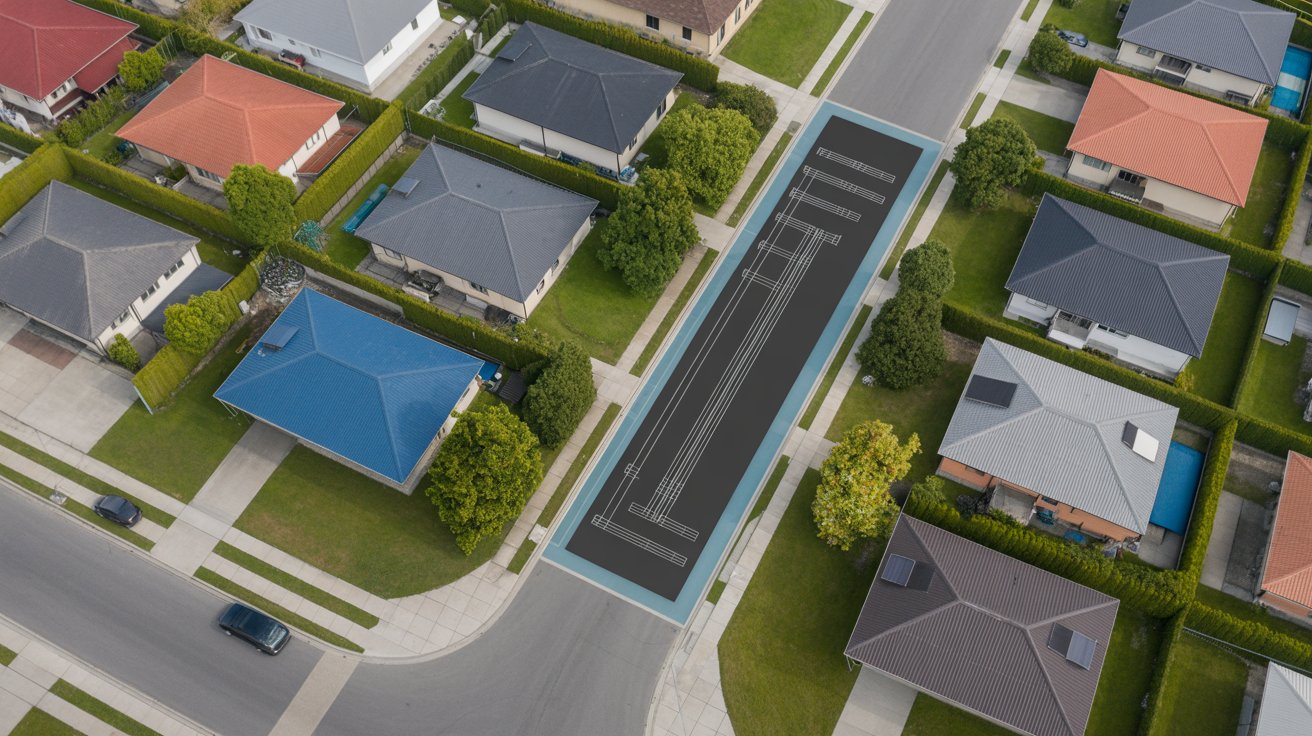
A utility easement gives a utility company the legal right to use a section of your land. You still own the property. But they can access a defined area to install or maintain power lines, water pipes, gas lines, or cables.
This right is usually recorded on your property deed through your local land registry. It can also be created later through a separate written agreement.
The easement covers a specific zone. The company can only work within that area and cannot go beyond those boundaries without a new agreement.
Many homeowners overlook this completely when buying a property. Existing easements transfer with the land. When you purchase a home, you take on any recorded agreements that came before you.
Can I Refuse a Utility Easement? The Short Answer
Yes, you can refuse a utility easement in certain cases. If a company is approaching you for a new one, you have the right to say no, ask questions, or request changes before signing.
But if the easement is already recorded on your deed, rejecting it is not an option. It is already legally binding.
Your ability to turn down the request also depends on local laws and whether the project serves the public interest. In some cases, courts can grant access even without your agreement.
The key factors are: does the easement already exist, who is requesting it, and what is it for?
When You Can Legally Refuse a Utility Easement
There are situations where saying no is completely within your rights.
If no easement is recorded on your property and a company is asking you to agree to a new one, you are not legally required to sign.
You can push back if:
- The location would cause significant damage to your land
- The compensation offered is not fair
- The terms in the agreement are too broad
- The company has not followed proper legal procedures
A casual letter or phone call is not legally binding. Formal easement requests must follow specific steps outlined under municipal or state authority guidelines.
Getting a property attorney involved before you agree or reject anything is the smartest move. One consultation can tell you exactly where you stand.
When You Cannot Refuse a Utility Easement
This is where most people get caught off guard.
If the easement is already recorded with the land registry or deed office, it is legally enforceable. A previous owner may have agreed to it. You inherited that agreement when you purchased the property.
You also cannot reject the proposal if a court has issued a legal order granting the company access. Once a judge rules on it, their right to enter your land is established.
Some utility projects fall under public necessity classifications in local legal statutes. In those situations, the company may have legal backing to proceed regardless of your objection.
Knowing the difference between a new request and an existing recorded right is critical before you decide how to respond.
Can I Refuse a Utility Easement Under Eminent Domain?
Eminent domain allows the government to take or restrict private property for public use. They must pay you fair market compensation, but they do not need your permission.
A forced easement works under the same principle.
If a utility project serves the community, such as bringing electricity or clean water to a neighborhood, the government can grant access over your land under relevant legal statutes.
You will receive a formal notice and a compensation offer from the relevant municipal authority.
You have the right to challenge the compensation amount in court. But in most cases, you cannot stop the easement from being granted.
This is one of the harder realities of property ownership. Public need can legally override personal preference.
What Happens If You Refuse a Utility Easement Request?
If you turn down the request, the company may reroute their project or walk away. But in many cases, they will take legal steps.
They can file for a court-ordered easement. A judge will review the situation and may grant access anyway, especially if the project benefits the public.
Refusing does not always stop the process. It can:
- Delay the timeline significantly
- Increase legal costs on both sides
- Lead to a court ruling that overrides your objection
That said, pushing back can also work in your favor.
It may lead to better compensation, a different location on your property, or more protective terms in the final agreement. It is not always the wrong move.
Can You Negotiate the Terms of a Utility Easement?
Yes, and this is often the most practical path forward.
You can negotiate where on your property the easement is placed. You can limit what the company is allowed to do within that zone. You can also ask for compensation covering any disruption or damage caused during their work.
Many agreements also include restoration clauses, meaning the company must return your land to its original condition after the work is done. Pushing for that upfront is worth the effort.
Never sign the first draft. Ask for changes, get legal input, and make sure every commitment is written into the contract. Verbal promises carry very little weight under property law.
Key Risks of Agreeing to a Utility Easement
Agreeing without reading the details carefully can cause real problems later.
Here are the key risks to watch for:
- The easement may cover more of your land than you expected
- It could allow future upgrades without requiring a new agreement
- It may restrict your ability to build, fence, or plant in that area
- It can affect your property’s resale value
- Gas lines or high-voltage equipment near your home carry safety concerns
Many homeowners overlook the long-term restrictions that come buried in the agreement. What seems like a small access strip today could block a future renovation or extension.
How to Protect Yourself Before Signing an Easement Agreement
Read every line of the document. Do not skim it.
Hire a real estate attorney who understands the easement rules in your area. This is not a decision to make alone.
A lawyer will flag clauses that seem harmless but can restrict your property rights for years.
A few practical steps before you sign:
- Request a professional survey showing exactly which part of your land is affected
- Ask for written confirmation of everything discussed verbally
- Check if the compensation offer reflects your actual property impact
- Confirm restoration obligations are written into the agreement
- Verify the company’s legal authority to request the easement through your local land registry or municipal office
If the compensation offer feels low and the easement reduces your property value, you may be entitled to more than the initial figure.
Can You Remove or Terminate a Utility Easement Later?
It is possible, but it takes time and legal effort.
If the utility company no longer uses the easement area, you can pursue what is known as easement abandonment. You will need documented proof that they have stopped using that portion of your land for its stated purpose.
You can also negotiate a termination directly with the company. If they agree in writing to give up their rights, a formal quitclaim process can remove the easement from your deed through the land registry.
In some cases, you may be able to challenge an easement in court if it was granted improperly or based on incorrect information.
None of these options are quick, but they are available. A property attorney can help you identify the right approach based on your local legal statutes.
Conclusion
You should only refuse a utility easement when you have clear legal grounds to do so.
If a company is requesting a new one, you have room to negotiate, push back, or turn down the proposal entirely.
If the easement already exists on your deed or involves public necessity, your options narrow quickly. The smartest step is to get legal advice before you sign or reject anything.
Easement rules vary significantly by location, so what applies in one place may not apply in yours.
Consult a property lawyer and check with your local land registry or municipal authority before making any final decision.
Your land is your asset, and you deserve to protect it with the right information on your side.
Frequently Asked Questions
Does a utility easement affect my property’s resale value?
It can, depending on the type and placement. Easements involving pipelines or power lines near living areas may reduce buyer interest or impact property appraisals.
Can a utility company enter my property without giving advance notice?
Most recorded easement agreements require prior notice before entry. Emergency situations may be an exception, but routine maintenance typically requires advance notification as outlined in the agreement.
Can I build a structure over a utility easement on my land?
In most cases, no. Building within the easement zone is usually prohibited under the agreement. Violations can lead to legal action or forced removal at your own cost.
What should I do if a utility company damages my property during work?
Document all damage with photos right away and notify the company in writing. Your easement agreement may include restoration terms that legally require them to repair any damage caused.
Is a verbal agreement to a utility easement legally valid?
Generally, no. Easements must be written and formally recorded with the relevant authority to be legally enforceable. A verbal commitment holds very limited weight under property law.