A friend called me one afternoon, voice tight with stress. Someone had moved into her vacant property. She called the police expecting them to handle it.
They told her it wasn’t that simple.
That conversation sent me straight into research mode. And what I found was genuinely surprising.
The question of can police remove squatters doesn’t have a clean yes or no answer. It depends on details most property owners never think about until it’s too late.
If you own property, this is worth understanding before you ever need it.
Understanding Squatting and Property Rights

Squatting means occupying a property without any legal right to be there. No lease, no permission, no legal claim.
Squatting and trespassing are related but different. A trespasser enters briefly. A squatter moves in and stays, often trying to establish residency over time.
That distinction matters because it determines whether the situation is handled by police or by the courts.
Adverse possession is a legal concept that lets someone claim ownership after occupying a property for a set number of years. It’s rare, but real, and it’s exactly why acting fast is so important.
Can Police Remove Squatters? (Direct Answer)

It depends. Can police remove squatters on the spot? Sometimes. In other cases, it becomes a civil matter they won’t touch.
Police can act when there is clear evidence of criminal trespassing. Forced entry, property damage, or an obvious break-in all fall under their authority.
When squatters claim any right to be there, police typically step back. At that point, it becomes a dispute for the courts.
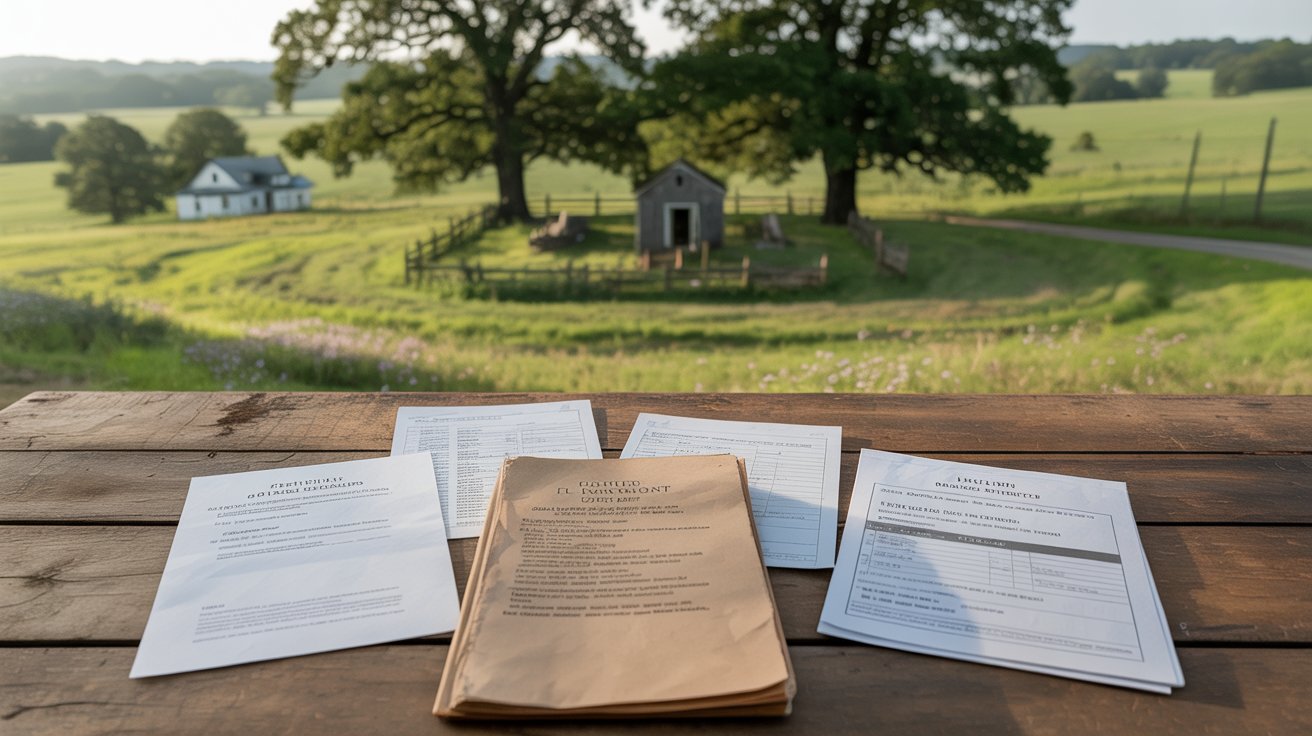
Having your ownership documents ready changes how police respond. Strong proof that no lawful arrangement exists gives them a clearer basis to act.
When Police Can Legally Remove Squatters

Here is when police intervention is actually possible.
Criminal Trespassing Situations
Forced entry is a criminal act. Damaged locks, broken windows, or tampered doors all support a criminal trespassing claim. Document everything before calling police and show officers the evidence directly.
Property damage can be treated as a separate criminal matter. The more clearly a crime is established, the more authority police have to remove the occupants immediately.
Lack of Documentation by Squatters
When squatters cannot produce any documentation tying them to the property, police are more likely to treat it as trespassing.
No lease, no receipts, no utility bills in their name all work in the owner’s favour. Ask the responding officer to document what the squatters claim and what they cannot provide.
Vacant vs Occupied Property Cases
The state of the property affects how quickly removal can happen.
| Situation | Police Ability to Act | Complexity |
| Recently vacated property | Higher | Lower |
| Long-term squatter occupation | Lower | Higher |
| Clear forced entry evidence | High | Low |
| Squatters claiming tenancy | Very low | Very high |
Vacant homes with no prior occupants are the easiest cases. Long-term occupation where squatters have established any paper presence is far more complicated.
When Police Cannot Remove Squatters

There are situations where calling police simply won’t produce the result you want.
Civil Disputes Over Possession
If squatters claim a rental agreement, even a fake one, police will step back. It becomes a civil disagreement that courts must resolve.
Fake rental agreements are a known tactic used to create confusion and buy time. Police cannot verify document authenticity on the spot, so they defer to the legal process.
Once tenancy is claimed, the owner must go through formal eviction regardless of how clear the situation seems.
Established Residency Claims
Mail delivered to the address, utility accounts in their name, or a history of consistent occupation can all be used to claim residency.
These claims don’t automatically give squatters legal rights. But they create enough complexity that police won’t act without a court order.
The longer someone occupies a property, the harder removal becomes.
Legal Process to Remove Squatters

When police can’t act, the courts still give property owners a clear path forward.
Filing an Eviction Lawsuit
The legal route is an unlawful detainer lawsuit filed in civil court. Proper notice must be served to occupants first, with the notice period varying by location.
If squatters don’t vacate after notice, a court hearing is scheduled. A judge reviews evidence from both sides and issues a ruling. Your ownership documentation is essential here.
Court Orders and Enforcement
Once a court issues a removal order, police have the legal authority to enforce it. They are no longer stepping into a civil dispute. They are executing a court directive.
A sheriff or court-appointed officer typically carries out the physical removal. The court order removes the ambiguity that kept police from acting earlier.
Squatters’ Rights and Adverse Possession
Squatters’ rights are real. In many places, the law protects people who have occupied a property long enough under specific conditions.
Adverse possession timelines vary widely by location. Some states allow claims after five years. Others require twenty or more.
To succeed, the occupation must typically be open, continuous, exclusive, and without the owner’s permission. Meeting all conditions is difficult but not impossible.
Every day you wait potentially strengthens the squatter’s legal position. Delay is never a neutral choice here.
What Property Owners Should Do Immediately

The first 48 hours matter most. Here is what to focus on right away.
Verify the Situation
Before anything else, confirm what you’re dealing with. A stranger who broke in, a former tenant who won’t leave, and someone given informal permission all have different legal starting points.
If you’re unsure, don’t confront the occupants directly. Get legal advice first.
Contact Local Authorities
Call the non-emergency police line and bring your ownership documents when officers respond. Even if police cannot help immediately, ask them to file a report. That official record supports your case in court.
From there, contact a property attorney to assess the fastest legal route available in your area.
Gather Proof of Ownership
Pull together your deed, mortgage statements, tax records, and any relevant correspondence. If it’s a rental property, include lease history and communication with previous tenants.
Keep physical and digital copies of everything and share them with your attorney before any court filing.
Avoid Illegal Eviction Actions
Changing locks while someone is inside, shutting off utilities, removing belongings, or threatening occupants are all illegal in most places.
Even when squatters clearly have no right to be there, using force or intimidation puts you on the wrong side of the law. It can result in criminal charges or civil liability against you.
Let the legal process work. It protects you throughout.
Tips to Prevent Squatters
Prevention is always easier than removal. Vacant properties that look unmonitored are the easiest targets. A few visible security steps change that quickly.
Here are the most effective prevention measures:
- Secure all entry points. Use heavy-duty deadbolts and reinforce door frames. Board up broken windows or damaged areas immediately.
- Inspect regularly. Visit vacant properties at least once a week. Early detection is the simplest form of prevention.
- Install visible cameras. Position them at all entry points. Visible surveillance deters unauthorized entry.
- Post no-trespassing signs. Visible signage establishes legal notice and strengthens any future trespassing complaint.
- Keep utilities in your name. This makes it harder for squatters to build any residency claim through utility records.
- Maintain the property’s appearance. Overgrown grass and neglect signal vacancy. A tidy exterior makes a property look occupied.
Consistent attention to a vacant property is usually all it takes to avoid the problem entirely.
Common Mistakes to Avoid
Reacting emotionally is understandable. But emotion-driven decisions tend to backfire legally, and squatters sometimes count on that.
Staying calm and following the correct process is what gets results fastest.
Here are the mistakes that cause the most damage:
- Assuming police will always act. Many owners are caught off guard when told it’s a civil matter. Know the limits of police authority before you call.
- Delaying legal action. Every week you wait potentially strengthens the squatter’s claim. File paperwork as soon as you confirm police cannot intervene.
- Taking matters into your own hands. Changing locks, cutting utilities, or removing belongings are illegal eviction tactics regardless of how justified they feel.
- Ignoring early warning signs. Lights on, vehicles parked outside, or disturbed entry points are all worth investigating immediately.
- Failing to document everything. Every visit, call, and notice served should be recorded with dates. That paper trail wins cases.
The owners who resolve this fastest are the ones who stay calm, follow the process, and don’t hand squatters anything to use against them.
Conclusion
Here’s the thing nobody tells you. By the time most property owners figure out how this works, they’ve already made mistakes that cost them weeks in court.
Can police remove squatters from your property? Now you know the real answer. And knowing it puts you ahead of most people in the same situation.
So don’t file this away and forget it. Share it with someone who owns property. It might save them a serious headache.
And if you’re dealing with this right now, drop your situation in the comments. I’m here to help.
Frequently Asked Questions
Can Police Remove Squatters Without a Court Order?
Only when there is clear evidence of criminal trespassing such as forced entry or property damage. In civil disputes, a court order is required before law enforcement can act.
How Long Does It Take to Evict Squatters Legally?
It varies by location but typically takes anywhere from a few weeks to several months. Acting quickly and having strong documentation speeds the process up significantly.
Do Squatters Have Legal Rights?
Yes, in many places under adverse possession laws if specific conditions are met over a set period of time. These rights vary significantly depending on the state or country where the property is located.
What Proof Do Police Need to Remove Squatters?
Ownership documents such as a deed or tax records, along with evidence of illegal entry. The clearer your documentation, the more authority officers have to act immediately.
Can I Remove Squatters Myself?
No. Self-eviction is illegal in most places and can expose you to criminal charges or civil liability. Always use the proper legal process, even when the situation feels obvious.