Can someone survey my property without my permission? In most cases, a surveyor does need your permission to enter your land.
However, legal exceptions exist that can override that requirement. State right of entry laws, court orders, government infrastructure projects, and existing easements can all give a surveyor legal authority to access your property without asking first.
Each state sets its own rules, so the protections available to you depend entirely on where you live.
This article covers when a survey can legally happen without your consent, what your rights are, and exactly what to do if it occurs.
What Is a Property Survey and Why Does Someone Need One?

A property survey is more than just someone walking around your yard with equipment. It is a legal process that defines boundaries and documents land features.
1. What a Property Survey Includes
A property survey typically includes:
- The legal boundaries of your land
- The location of structures, fences, roads, and utility lines
- Easements or rights of way
- Any encroachments from neighboring properties
The final result is a legal document that can be used in court, during a home sale, or for construction planning.
2. Common Reasons for Surveying a Property
People order property surveys for many reasons. Buying or selling a home often triggers one.
So does building a fence, settling a neighbor dispute, refinancing a mortgage, or dividing land among heirs.
Sometimes a government agency orders one before a road project or utility installation.
3. Who Can Request a Property Survey?
Anyone with a legal interest in the land can request a survey.
This includes property owners, buyers, mortgage lenders, attorneys, courts, and government agencies.
In some cases, a neighbor may also request a survey that affects your land's boundary line.
4. Different Types of Land Surveys
There are several types of land surveys, each serving a different purpose. A boundary survey identifies your legal property lines.
A topographic survey maps the land's features and elevations. A mortgage or loan survey is required by lenders during a property sale.
An ALTA survey is a detailed survey used in commercial real estate transactions.
When Can a Surveyor Enter Your Property Without Permission?

Not every entry onto your land is a violation. Several situations give surveyors legal authority to enter without your consent.
If a neighbor hires a surveyor to locate a shared boundary, that surveyor may legally step onto your land following proper procedures.
Government agencies and utility companies can also enter your property for infrastructure-related surveys, backed by eminent domain (the government's power to access private land for public use) or utility easement rights.
Existing easements give those parties access to survey or maintain that corridor. A court can also authorize a survey during active litigation.
Some states give licensed surveyors limited rights to enter private property after meeting legal requirements, such as providing advance notice or avoiding property damage. See the State Laws section below for examples.
Vacant land generally receives less legal protection than occupied residential property, though unauthorized entry can still qualify as trespassing in many states.
Can You Refuse a Surveyor Access to Your Property?
As a property owner, you have the legal right to control who enters your land, but that right has limits.
You can deny entry when no court order, legal easement, or state right of entry law applies.
If a surveyor shows up without identifying themselves, without notice, or without any legal backing, you can ask them to leave.
However, refusing access under a valid court order can lead to serious legal consequences. Refusing in other situations may still delay surveys or create neighbor conflicts.
In some cases, a survey can be completed using public records, old maps, deeds, or aerial data without physical access.
But for precise boundary work, on-the-ground access is almost always preferred. Always verify the legal basis before refusing or granting entry.
Is Surveying Property Without Permission Considered Trespassing?
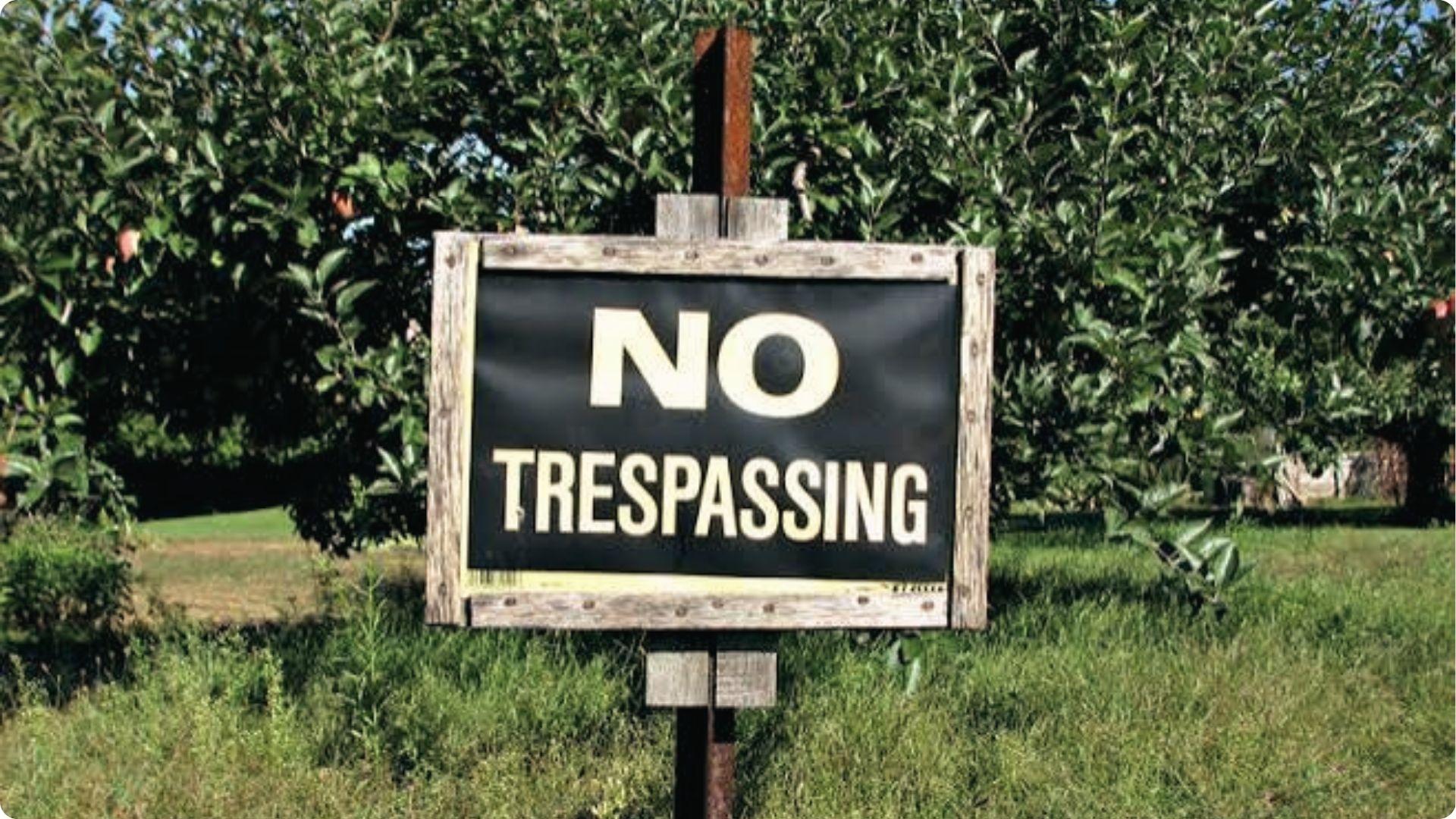
This is where many people get confused, and the answer depends entirely on the legal authority behind the survey.
If a surveyor enters your property without a court order, state-granted right of entry, or your consent, that entry can legally qualify as trespass.
The same applies if they cause damage or go beyond the area the survey requires.
However, many states grant licensed surveyors limited immunity from trespass claims when they follow proper procedures under state law.
Most unauthorized survey entries fall under civil trespass, meaning you can sue for damages.
Criminal charges are far less common and typically only apply when there is clear intent to harm or damage property.
One more thing worth knowing: a surveyor's license does not automatically grant them access to your land, and written permission is not always legally required either.
What Should You Do If Someone Surveys Your Property Without Permission?
Finding a stranger with measuring equipment on your land can feel alarming, but staying calm is the best first step.
Verify surveyor license: Ask the surveyor for their name, license number, and company, since licensed surveyors are required to carry identification.
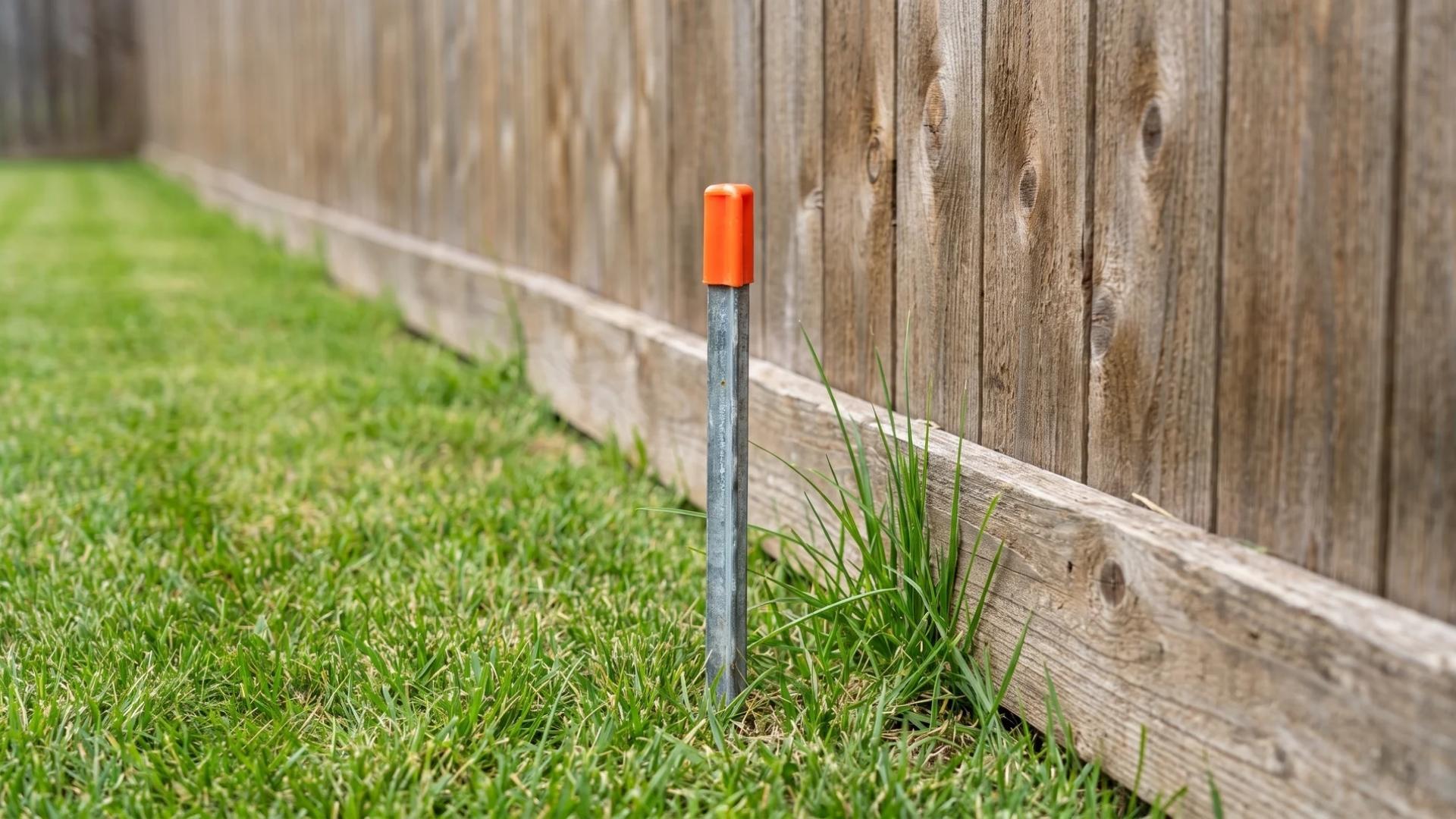
You also have every right to ask who hired them and why. Take photos of the surveyor, their equipment, and any markers placed on your property, and write down the date, time, and details of the conversation.
Many of these situations turn out to be misunderstandings, so speaking with your neighbor calmly can often resolve things quickly.
Report it: If the entry still seems unlawful, report it to local law enforcement or your state licensing board.
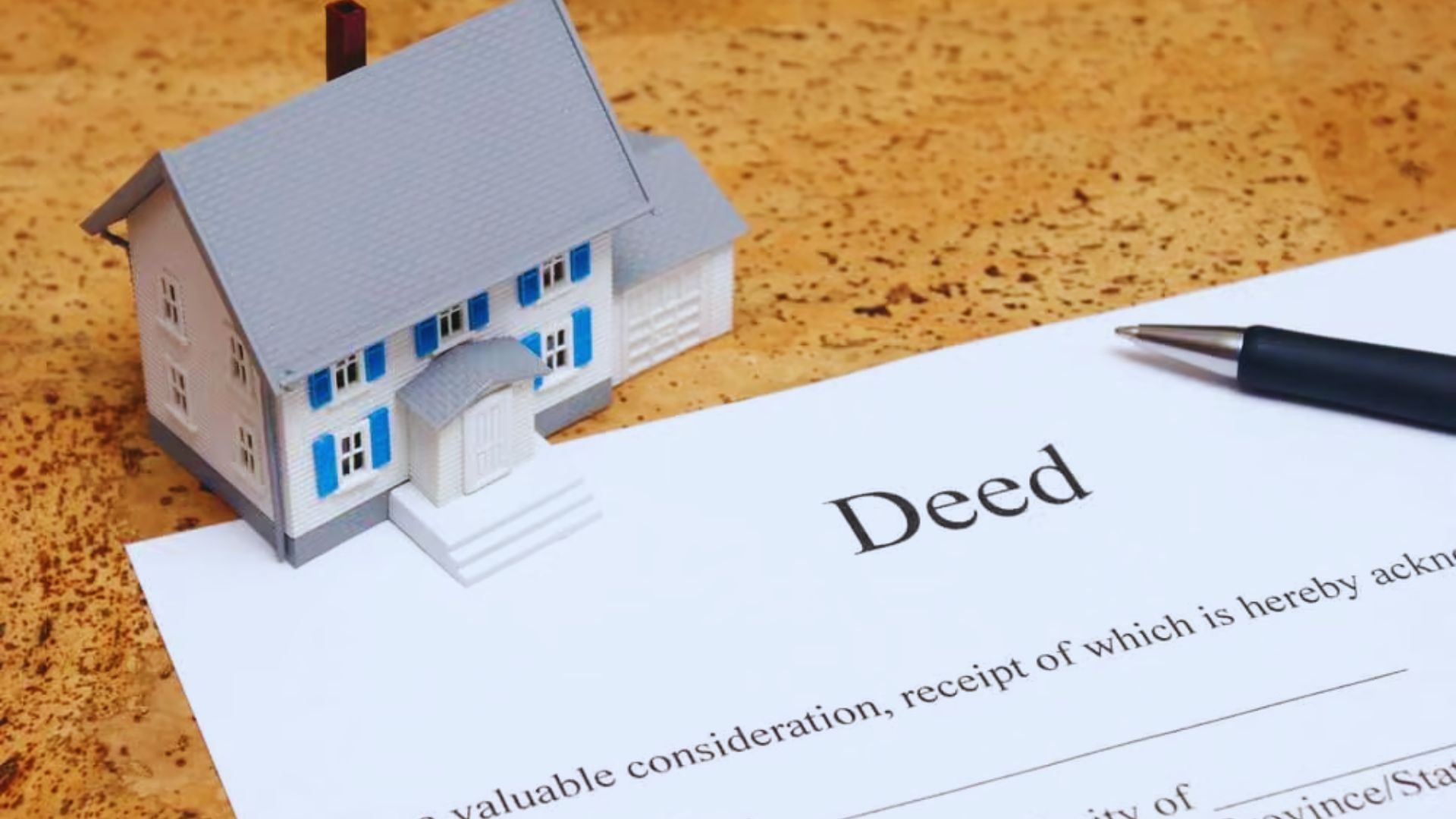
For boundary changes or property damage, consult a real estate attorney who can review your deed and advise you properly.
Can You Sue If Someone Surveys Your Property Without Permission?
Yes, you may have a legal claim, but it depends on your state's laws and the specific facts of the situation.
If a surveyor entered your land without legal authority, ignored your refusal, or caused damage in the process, you can file a civil lawsuit for trespass or property damage.
To win a trespass claim, you need to show the entry was unauthorized and that you suffered actual harm.
Property damage makes your case considerably stronger.
Beyond filing a lawsuit, you can also report a licensed surveyor to your state's licensing board, which can lead to disciplinary action, fines, or license suspension.
Strong evidence like photos, written correspondence, and witness accounts will support your claim.
Consulting a real estate attorney early helps you organize everything and understand exactly what legal options are available to you.
State Laws That Affect Surveyor Access

State law is the biggest factor in determining what a surveyor can and cannot do on your land.
1. States with Surveyor Right of Entry Laws
States including Florida, Colorado, Missouri, Wisconsin, and Oregon have specific laws allowing licensed surveyors to enter private property for survey purposes.
These laws generally require the surveyor to notify the property owner and avoid causing damage.
2. States That Require Greater Property Owner Protections
Other states provide stronger protections for property owners.
In these states, surveyors may need to get written consent before entering or may only be allowed entry in very specific circumstances. Always check the laws in your specific state.
3. How to Find Your State's Survey Access Laws
You can search your state legislature's website for terms like "surveyor right of entry" or "land surveyor access."
You can also contact your state's board of professional licensure or speak with a local real estate attorney.
4. Why Local Regulations May Also Apply
Cities and counties can sometimes add additional rules on top of state law. A local ordinance may require notice periods or restrict survey hours.
Check with your local government if you are dealing with a survey dispute.
Property Survey vs Property Inspection vs Boundary Survey
Understanding the differences between these terms helps you choose the right service for your situation.
| Type | Purpose | Who Performs It | When You Need It |
| Property Survey | Defines legal boundaries and land features | Licensed land surveyor | Buying, selling, or disputing property lines |
| Property Inspection | Examines physical condition of a structure like roof, plumbing, and foundation | Licensed home inspector | Before buying or selling a home |
| Boundary Survey | Precisely determines where your property lines are | Licensed land surveyor | Building a fence or resolving a boundary dispute |
| Mortgage Survey | Confirms structures sit within property boundaries for lenders | Licensed land surveyor | Required by lenders during a home purchase |
| ALTA Survey | Detailed survey covering boundaries, easements, and improvements | Licensed land surveyor | Complex commercial real estate transactions |
Common Mistakes Property Owners Should Avoid
Even well-meaning homeowners make errors when dealing with property surveys. Here are the most common ones.
- Assuming every survey requires permission when some are legally authorized without it
- Confusing easement rights with full ownership rights over that strip of land
- Ignoring boundary markers or old survey records that could resolve disputes quickly
- Escalating a conflict before confirming whether the surveyor had legal authority
- Refusing access under a valid court order, which can result in legal consequences
- Failing to document an unauthorized entry in case a legal claim becomes necessary
Expert Tips to Protect Your Property Rights
Protecting your property rights takes a little preparation and the right mindset.
- Verify a surveyor's credentials before granting access to your land
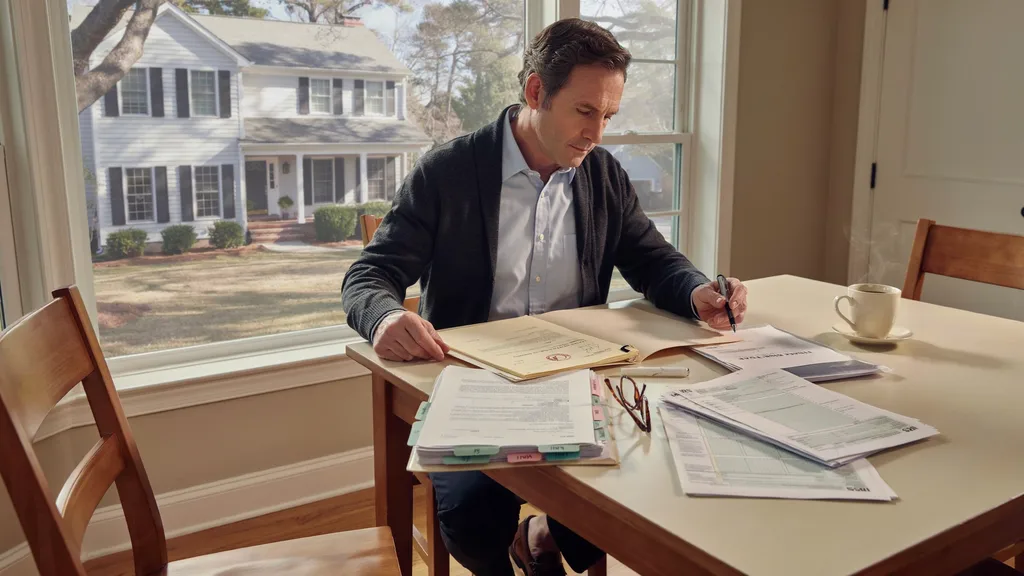
- Keep all boundary documents, deeds, and past survey records updated and accessible
- Record any unauthorized entry with photos, notes, and dates as soon as it happens
- Seek legal advice early if a boundary dispute shows signs of becoming serious
- Understand your state's right of entry laws so you are not caught off guard
- Build a respectful relationship with your neighbors to reduce the chance of future conflict
Conclusion
Understanding the answer to "can someone survey my property without my permission?" puts you in a much stronger position as a property owner.
The law is not always simple, but knowing your rights and the exceptions that exist helps you respond calmly and correctly.
Review your state's laws, keep your property documents in order, and do not hesitate to consult a real estate attorney when things feel unclear.
If a boundary dispute or unauthorized entry does occur, consult a real estate attorney early, it is the single most reliable step you can take.