Buying, leasing, or managing a commercial property involves more legal rules than most owners expect.
One missed lease clause or overlooked zoning rule can cost thousands of dollars.
This guide explains commercial property law in plain language, so you know what to check before you sign anything.
You will learn how leases work, how buying compares to leasing, and what due diligence protects you.
We also cover insurance types and the legal problems that trip up new owners most often.
Read this before your next deal so you can spot risks early and avoid the mistakes other business owners have already made.
What Is Commercial Property Law?

The legal rules that govern buying, leasing, and using property for business.
Commercial property law covers the rules that apply when a space is used for business rather than personal living.
It includes contracts, leases, zoning, and ownership rights. This area of law protects both owners and tenants by setting clear terms for how a space can be used.
It also governs disputes, such as disagreements between a landlord and tenant over repairs or rent increases.
Understanding these basics helps you avoid costly mistakes before they happen.
Key Areas of Commercial Property Law
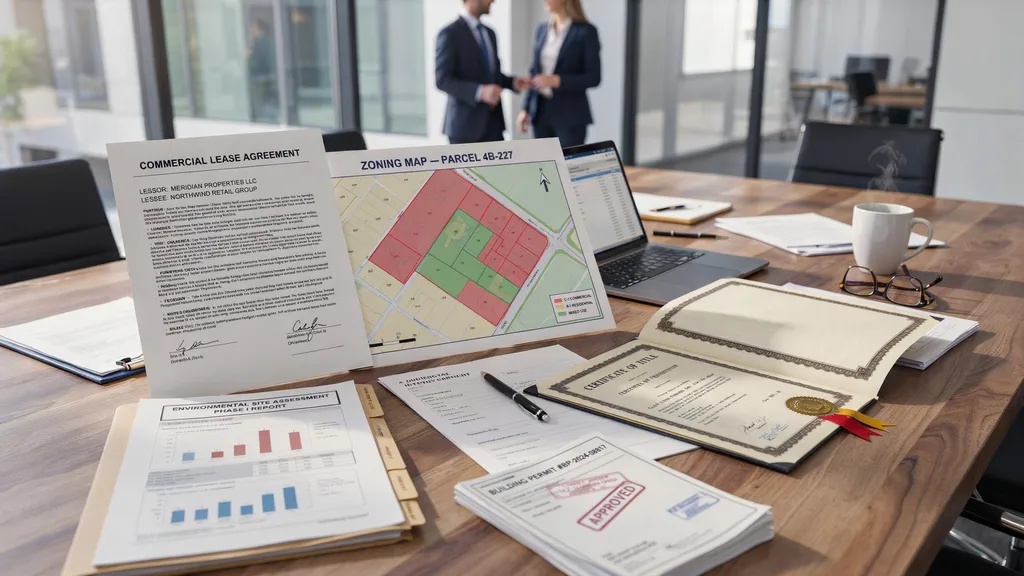
The main legal categories every business owner should understand.
Buying and Selling Commercial Property
Buying or selling commercial property involves contracts, negotiations, financing, and legal documents that determine ownership.
Buyers should verify the property's condition, title, and zoning before closing, while sellers should prepare accurate disclosures and transaction records.
If eligible, sellers may also use a Section 1031 exchange to defer capital gains taxes by reinvesting in another qualifying property.
Commercial Leases and Rental Agreements
Leases outline rent, lease length, maintenance duties, and renewal terms. Many leases include CAM charges, which cover shared costs like common area upkeep.
A net lease shifts even more costs, including taxes and insurance, onto the tenant. Read every clause closely, since terms vary widely between landlords.
Zoning and Land Use Regulations
Zoning laws determine how commercial property can legally be used within a specific area. They regulate business activities, building size, parking requirements, and future development.
If your intended use does not match the property's zoning designation, you may need a variance or conditional use permit.
Reviewing local zoning rules before signing a lease or purchase agreement helps prevent costly compliance issues.
Title, Ownership, and Property Rights
A clear title confirms that the seller has the legal right to transfer ownership without unresolved claims or liens.
Buyers should also review easements, boundary lines, and shared access agreements that may affect property use.
Some states require sellers to disclose known property defects, making title searches and legal reviews an essential part of any commercial transaction.
Environmental Laws and Compliance
Some properties carry environmental risks, like soil contamination or old fuel tanks. Environmental laws require testing and cleanup before certain sales or leases can proceed.
This usually starts with a Phase I Environmental Site Assessment, a review of documents and site history.
A Phase II assessment follows if problems turn up.
Building Codes, Accessibility, and Safety Requirements
Commercial buildings must meet safety codes, fire regulations, and accessibility standards like the ADA.
A certificate of occupancy confirms the building meets these codes for its intended use. These rules protect employees, customers, and visitors.
Skipping them can lead to fines or forced renovations.
Buying vs. Leasing Commercial Property

Two different paths, each with its own costs and benefits.
| Factor | Buying | Leasing |
| Upfront cost | High | Low |
| Control over space | Full control, free to renovate | Limited by landlord rules |
| Flexibility to relocate | Low | High |
| Maintenance responsibility | Owner | Often the landlord |
| Long-term equity | Builds over time | None |
| Best fit | Established businesses with steady cash flow | Growing or newer businesses |
The right choice depends on your budget, growth plans, and how long you plan to stay in one location.
A commercial real estate broker can help you compare options and read current market conditions.
Due Diligence Before Purchasing or Leasing
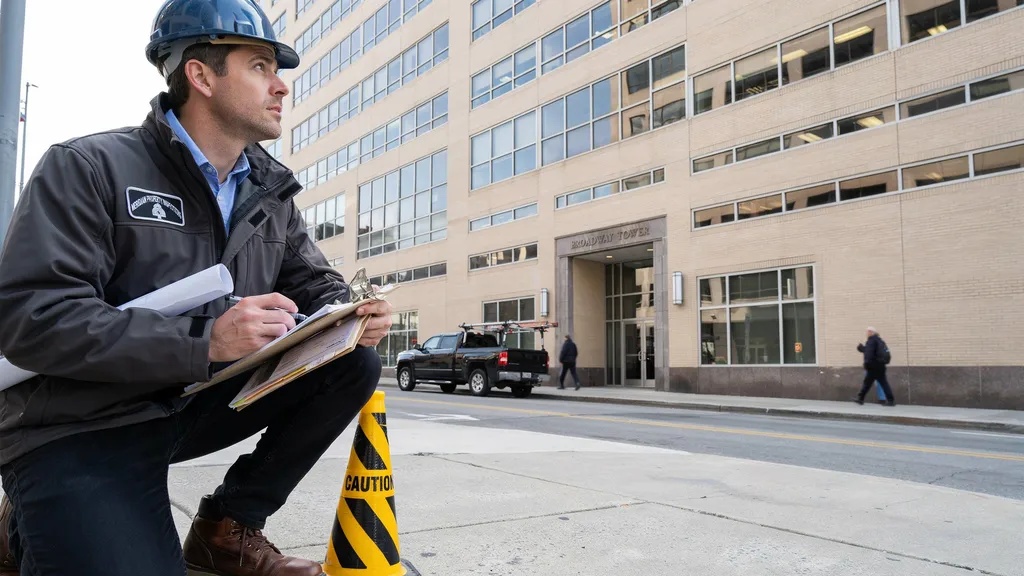
The checks you must complete before signing any deal.
Property Inspections and Environmental Assessments
Property inspections identify structural problems, electrical issues, plumbing defects, and other conditions that may require repairs.
Environmental assessments evaluate contamination risks from hazardous materials, underground storage tanks, or previous industrial use.
Completing both inspections before closing allows buyers to negotiate repairs, adjust the purchase price, or reconsider the transaction if significant problems are discovered.
Title Search and Legal Documentation
A title search verifies legal ownership and identifies liens, unpaid taxes, easements, or other claims that could affect the transaction.
Buyers should also review deeds, purchase agreements, financing documents, and closing paperwork to confirm every term is accurate.
Careful document review helps prevent ownership disputes and unexpected legal obligations after the purchase is complete.
Reviewing Zoning and Land Use Restrictions
Before purchasing or leasing a commercial property, confirm that local zoning laws allow your intended business activities.
Restrictions may also apply to signage, parking spaces, operating hours, or future renovations.
Verifying these requirements early reduces the risk of permit delays, fines, or expensive property modifications after moving into the space.
Evaluating Existing Leases and Financial Obligations
If the property already has tenants, review each lease agreement to understand rental income, lease terms, renewal options, and tenant responsibilities.
Buyers should also check for unpaid taxes, outstanding loans, maintenance costs, or utility balances.
Understanding these financial obligations provides a clearer picture of the property's long-term value and operating expenses.
Commercial Property Insurance Explained

The coverage types that protect your building, business, and finances.
Commercial property insurance is not one policy. It is a set of coverage types, each protecting a different risk:
- Property insurance covers physical damage from fire, storms, or vandalism, including equipment and fixtures inside the space
- General liability insurance protects against claims if someone is injured on your property, plus related legal costs
- Title insurance protects against ownership disputes that surface after a purchase, paid once at closing
- Ordinance or law coverage pays the extra cost of rebuilding to meet current codes after damage, which matters most for older buildings
Coverage limits should always match the actual cost to rebuild, not the original purchase price.
Common Legal Issues in Commercial Property

The disputes that most often land business owners in legal trouble.
Lease Disputes: These happen when landlords and tenants disagree over rent, repairs, or lease terms. Clear, well-written leases reduce the chance of conflict. Mediation, arbitration, or legal review can resolve most disputes before they reach court.
Boundary and Easement Conflicts:These occur when property lines or shared access rights are unclear. A survey and title review can confirm exact boundaries. Easement disputes often involve driveways, utilities, or shared parking areas.
Zoning Violations: Operating outside your zoning permissions can result in fines or forced closure. Confirm zoning compliance before signing a lease or starting operations. Local zoning boards can clarify rules if there is doubt.
Property Damage and Insurance Claims: Disputes often arise over who is responsible for damage and how much insurance should cover. Detailed records and photos help support a claim. Review insurance policies regularly to confirm proper coverage.
Foreclosure and Loan Default: Foreclosure can occur when a property owner fails to meet mortgage payments or other loan obligations outlined in the financing agreement.
Lenders generally provide notice before beginning foreclosure proceedings, giving borrowers an opportunity to resolve the default.
Understanding your loan terms and communicating with your lender early may help prevent foreclosure and protect your investment.
When Should You Hire a Commercial Property Lawyer?

The moments when legal help protects you from costly mistakes.
Property Transactions
A commercial property lawyer provides valuable legal guidance during purchases, sales, and lease negotiations.
They review contracts, identify title issues, explain legal obligations, and help negotiate favorable terms before closing.
While brokers focus on marketing and negotiations, lawyers protect your legal interests throughout the transaction and help reduce the risk of costly disputes.
Contract Review and Negotiation
Commercial lease and purchase agreements often contain detailed clauses covering rent, maintenance, repairs, insurance, and renewal rights.
A lawyer reviews these terms, explains legal language, and negotiates changes that better protect your interests.
Careful contract review helps prevent misunderstandings and reduces the chance of future disputes between the parties.
Dispute Resolution and Litigation
If a disagreement escalates, a lawyer can represent you in mediation or court. Early legal advice often prevents small disputes from becoming larger, costlier problems.
Regulatory Compliance
Commercial properties must comply with zoning rules, environmental regulations, building codes, fire safety standards, and accessibility requirements.
Failing to meet these obligations can result in fines, permit delays, or legal action.
A commercial property lawyer can help confirm your property complies with applicable laws before you complete a purchase, lease, or renovation.
Tips to Avoid Commercial Property Legal Problems
Simple habits that protect your business from legal trouble.
- Perform thorough due diligence before signing any deal
- Read every contract carefully, including the fine print
- Keep accurate property records and update them regularly
- Work with experienced professionals like lawyers and inspectors
- Plan ahead for zoning changes or future business growth
Why These Habits Matter Long Term

Small, consistent habits protect your business more than one-time fixes.
Good habits do more than help you avoid one bad deal. They build a track record that protects your business for years.
Lenders, landlords, and partners trust owners who keep clean records and follow the rules closely.
Small efforts now, like reading a lease twice or hiring an inspector, save large amounts of money and stress later.
Legal problems in commercial property rarely appear overnight. They build up from small oversights, which is why steady habits matter more than quick fixes.
Common Mistakes Business Owners Should Avoid
The errors that lead to lawsuits, fines, and lost money.
- Skipping due diligence to save time or money upfront
- Ignoring zoning restrictions that apply to the property
- Signing a lease without having it reviewed by a lawyer
- Overlooking insurance coverage gaps that leave you exposed
- Missing key deadlines in contracts, permits, or renewals
Conclusion
Commercial property law can feel like a lot to take in, but you do not have to handle it alone.
Many costly legal problems begin with small oversights, such as overlooking a lease clause or skipping due diligence.
Applying what you learned here can help reduce those risks before signing any agreement
Apply what you learned here to your next deal, whether you are buying, leasing, or renewing a contract.
If this guide helped, share it with someone starting their own commercial property journey.
Frequently Asked Questions
What is commercial property law?
It covers the legal rules for buying, leasing, and using property for business. This includes contracts, zoning, and ownership rights.
Is it better to buy or lease commercial property?
It depends on your budget and growth plans. Buying builds equity, while leasing offers more flexibility with less upfront cost.
Do I need a lawyer to sign a commercial lease?
It is not required, but it is strongly recommended. A lawyer can catch risky clauses before you sign anything.
What happens if I violate zoning laws?
You could face fines or be forced to stop operating. Always confirm zoning rules before opening a business at a location.
What insurance do I need for commercial property?
Most owners need property insurance and general liability coverage at minimum. Title insurance and ordinance coverage add extra protection.