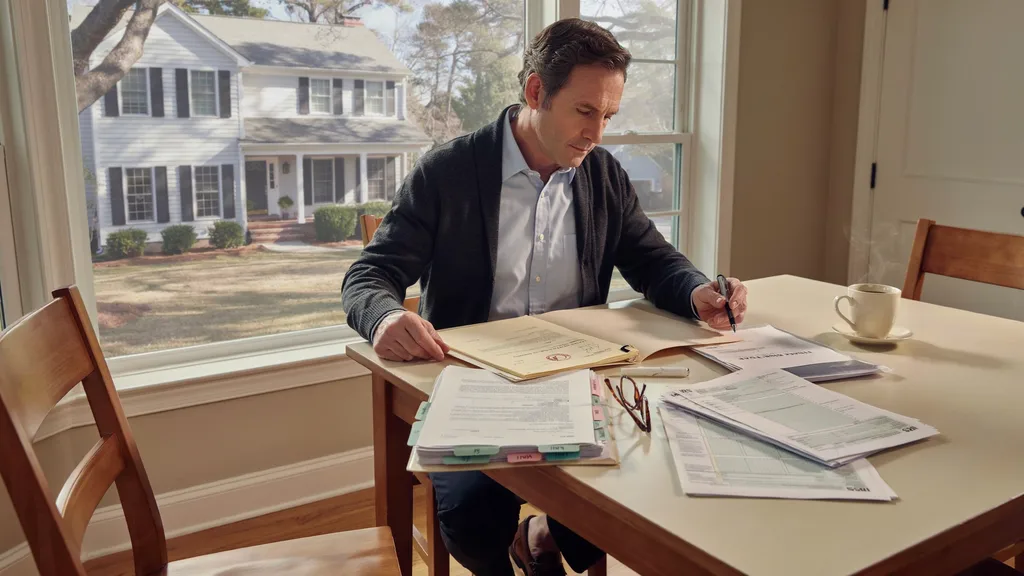
Whether all heirs have to agree to sell property depends on one thing above everything else: who legally owns it and under what arrangement. The answer changes significantly depending on whether the property is still moving through probate or has already transferred into the heirs' names as co-owners.
This article explains when unanimous agreement is required, when an executor can act without heir approval, and what legal options exist when heirs disagree, including what a forced sale actually costs.
The Short Answer

The answer depends on the property's legal ownership and the authority given under state law.
In many cases, all heirs do not have to agree to sell property. The deciding factor is whether the heirs already own the property or if it is still part of an estate.
If several heirs become legal owners together, selling the entire property usually requires everyone's approval. However, if an executor has the legal authority to sell during probate, heir approval may not always be required.
State laws and court orders can also affect the process, so the outcome varies from one case to another.
The simplest dividing line: if the property is still inside the estate, the executor's authority is what matters most. If the deed has already transferred to heirs as co-owners, that is when unanimous consent typically becomes the requirement.
What Happens to Property After Someone Dies?
The way property is transferred determines who has the legal right to sell it.
How Inherited Property Passes Through Probate:Property owned only by the deceased often goes through probate. During this process, the court confirms the will, pays debts, and transfers ownership to heirs or beneficiaries. The executor manages the estate until the transfer is complete.
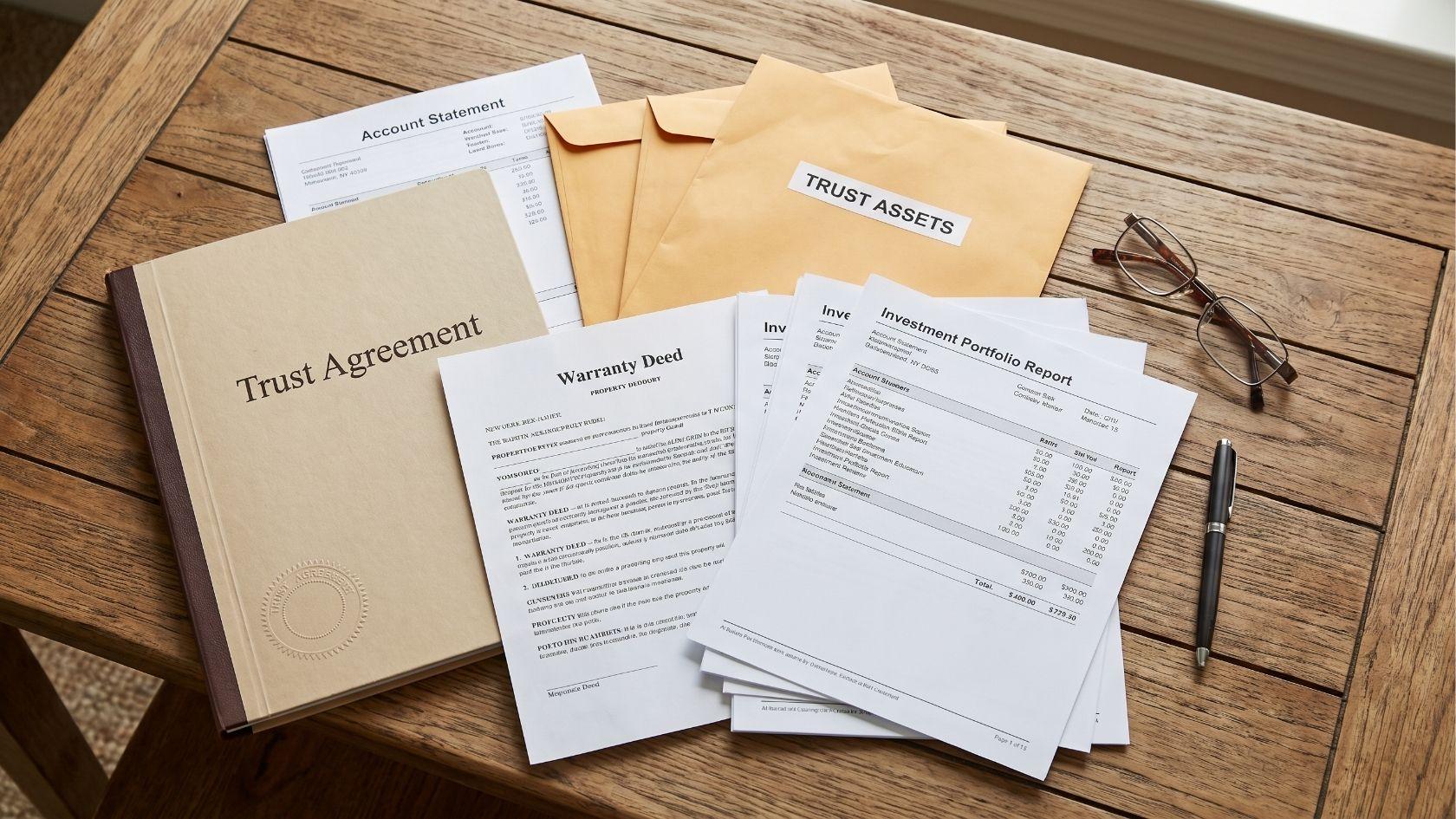
When Property Transfers Outside Probate:Some property avoids probate. Assets held in a living trust, jointly owned property with survivorship rights, or property with a transfer on death deed usually pass directly to the named person without court involvement.
Who Legally Becomes an Heir or Beneficiary?:An heir is someone who inherits under state law when there is no valid will. A beneficiary is someone named in a will or trust to receive property. These roles can sometimes belong to the same person.
Understanding Ownership Before Selling Inherited Property
Ownership determines who must approve the sale and who has legal rights.
If only one person becomes the legal owner of an inherited property, that person can generally decide to sell it on their own. But if several heirs inherit together, each one owns a share and has legal rights that must be respected before any sale can move forward.
The specific type of ownership matters here.
Joint tenancy includes survivorship rights, meaning ownership passes automatically to the surviving co-owner at death.
Tenancy in common works differently: each heir holds a separate, transferable share — but no single heir can sell the entire property without the others.
Most inherited properties with multiple heirs end up held as tenants in common, which is why co-owner consent becomes the central issue in most family disputes over inherited homes.
Community property rules, meanwhile, apply only in certain states and can further affect inheritance rights. Ultimately, the type of ownership determines who must sign the sale documents, as well as each person's ability to sell, transfer, or keep their share of the property.
When All Heirs Must Agree to Sell a Property

Joint ownership usually means everyone must participate in the sale.
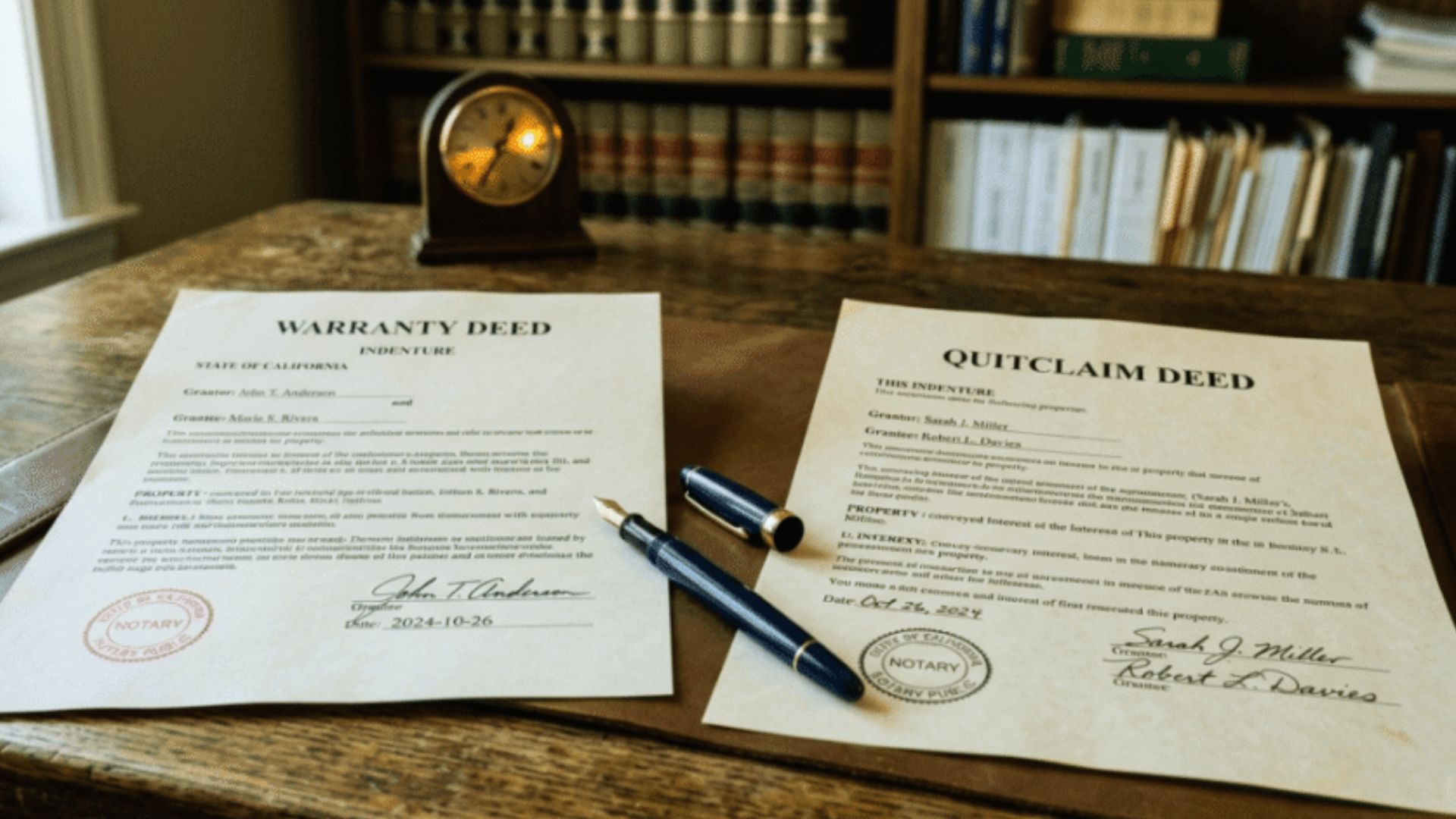
After probate, heirs often become co-owners of a property, and in most cases, selling the entire property requires every owner's agreement, since each person holds a legal interest in it.
This means that if the property title lists several owners, all of them generally must sign the closing documents and a missing signature can delay or even stop the sale entirely.
Title companies take this seriously because they want to make sure ownership is clear before closing, so they usually require signatures from every legal owner to reduce the chance of future ownership disputes.
Can One Heir Sell Property Without the Others?
An individual heir's rights depend on ownership and the stage of the estate process.
In some situations, an heir may legally sell only their own share of a property, especially if they hold a tenancy in common interest, though this doesn't give the buyer ownership of the entire property, since selling a partial interest only transfers that specific heir's ownership rights.
Selling the entire property, on the other hand, usually requires all owners to participate, unless a court orders otherwise.
This leads to a common misconception: many people believe one heir can sell the whole property without permission, but in most jointly owned situations, this isn't allowed, since ownership rights belong to all legal owners, not just one.
What If One Heir Refuses to Sell?

Refusal doesn't end the process, but it does change it. When one heir won't cooperate, the remaining co-owners have to choose between negotiation, a buyout, or escalating to a legal remedy.
Family disputes over property often stem from reasons rooted in emotion as much as finances, whether it's attachment to the home, differing financial goals, plans to live in the property, or concerns about its value.
Fortunately, open communication can often resolve these disputes before they escalate. A written family settlement agreement helps clarify each heir's rights and responsibilities, laying out expectations clearly enough to help prevent future conflicts.
When one or more heirs want to keep the property but others want out, a buyout is often the simplest solution: the heirs who wish to stay can buy out the share of those who want to leave, allowing the property to remain in the family without forcing a sale.
Can a Court Force the Sale of Inherited Property?
When heirs cannot agree, the court may decide the next step.
A partition action is a legal case asking the court to divide or sell jointly owned property when co-owners can't reach an agreement on their own.
Courts generally have two options: partition in kind, which divides the property into separate portions when that's feasible, or partition by sale, which orders the property to be sold and the proceeds divided among the owners.
Before ordering a sale, courts typically consider the property's condition, whether it can reasonably be divided, and each owner's share. If partition in kind is not practical, which is almost always the case with a residential home; the court orders a partition by sale instead.
What many heirs don't expect is what happens to the proceeds. In most states, attorney fees, court costs, and real estate commissions are deducted from the sale amount before any heir receives a dollar, a detail that can significantly reduce what everyone walks away with.
In a contested partition, those costs can be significant, which is why this path tends to reduce the final payout for everyone involved, including the heirs who wanted to sell voluntarily.
Given those deductions, a negotiated buyout will generally leave more money in the family's hands than going through a court-ordered partition sale.
The Role of the Executor or Personal Representative
The executor's authority depends on the will, state law, and court approval.
Whether court approval is required depends on two things: what the will says and what state law requires.
If the will grants the executor broad authority to sell estate assets, they can usually proceed without going back to the probate court.
If the will is silent on this point, or if it limits the executor's powers, most states require the executor to petition the court and give beneficiaries advance notice before completing a sale.
That notice period is typically the only window in which heirs can formally object and ask a judge to intervene.
Throughout this process, the executor is bound by fiduciary duties, meaning they must act in the estate's best interest, manage assets carefully, pay off debts, and treat all beneficiaries fairly.
Probate vs. Trust: Who Has the Authority to Sell?
The legal process determines who controls the property.
During probate, the executor manages the property and follows the court's instructions before ownership eventually passes to the heirs. If the property is instead held in a living trust, the trustee usually has the authority to sell it according to the terms laid out in the trust.
While a trustee and an executor have similar responsibilities, they draw their authority from different legal sources. A trustee follows the trust document, while an executor follows the will and applicable probate laws.
Comparison: Different Scenarios for Selling Inherited Property

The rules can change based on ownership and the legal process.
| Comparison | Option A | Option B |
| Heir Agreement | All heirs agree – sale is usually quicker and smoother | One heir objects – negotiations or court action may be needed |
| Property Type | Probate property – handled through the court process | Trust-owned property – managed by the trustee according to the trust document |
| Sale Process | Voluntary sale – heirs control the timing and terms | Court-ordered sale – follows the judge's decision if an agreement cannot be reached |
Steps to Sell Inherited Property When Multiple Heirs Are Involved
Following the right steps can help avoid delays and legal issues.
1. Confirm Ownership and Title
Verify who legally owns the property and make sure the title records are accurate before listing it for sale. This step protects everyone involved from legal complications that could arise later in the process.
Skipping it can lead to delays or even derail a sale once a buyer is under contract.
Confirming ownership early also gives heirs a clear starting point for every decision that follows, from pricing to paperwork, and reduces the chance of last-minute surprises once a buyer has already committed to the purchase.
2. Obtain a Professional Property Valuation
A current appraisal helps heirs agree on a fair price and supports informed decisions during negotiations. Without a clear valuation, heirs may have very different ideas about what the property is worth.
A professional opinion adds objectivity and can reduce tension among family members.
It also gives everyone a shared reference point when discussing buyout offers, listing prices, or how proceeds should eventually be divided, which can prevent disagreements from turning into longer, costlier disputes down the road.
3. Resolve Liens, Debts, and Taxes
Pay any outstanding mortgages, liens, or estate obligations that could delay the closing process. Unresolved debts can surface unexpectedly during closing and stall the transaction.
Addressing them early keeps the sale on track and avoids last-minute surprises.
Heirs who take care of financial obligations before listing the property tend to experience a smoother path to closing, since buyers and title companies expect a clean, debt-free transfer of ownership.
4. Sign the Sale Agreement and Complete Closing
Once all required approvals are in place, complete the paperwork, close the sale, and distribute the proceeds according to ownership rights.
This final stage requires careful attention to detail to ensure every heir's interests are properly documented. Working with professionals during closing helps prevent errors that could cause disputes down the line.
Taking time to double-check figures, signatures, and disclosures before finalizing the transaction protects all parties and helps the sale close without complications.
Options Besides Selling the Property

Selling is not the only choice available to heirs.
Keep the Property as a Shared Investment
Heirs can continue owning the property together and share expenses, maintenance, and any future income. This option works well when the family has a strong relationship and shared long-term goals for the property.
It's important to put clear agreements in writing to avoid confusion over responsibilities down the road.
Rent the Inherited Home
Renting the property can provide regular income while allowing the family to keep ownership for the future. This approach can be especially useful if the real estate market isn't favorable for selling right now.
Heirs will need to agree on a property manager or decide how rental duties and profits will be divided.
One Heir Buys Out the Others
A buyout lets one heir become the sole owner by paying the others for their ownership shares.
This option is often ideal when one family member wants to live in or keep the home while others prefer cash. A fair market appraisal helps ensure the buyout amount feels equitable to everyone involved.
Transfer Ownership Through a Family Agreement
Heirs can sign a legal agreement that transfers ownership to one or more family members if everyone approves.
This route offers flexibility, since the terms can be customized to fit the family's specific wishes and circumstances. Having an attorney draft or review the agreement helps ensure it's legally sound and enforceable.
Tax and Financial Considerations Before Selling
Understanding the financial side can help you make informed decisions.
Many inherited properties receive a stepped-up tax basis, which may reduce capital gains tax when the property is eventually sold.
However, some estates may still face estate or inheritance taxes, depending on state law and the overall value of the estate.
It's also worth keeping in mind that delaying the sale can come with its own costs, since holding onto the property longer may increase maintenance costs, insurance, taxes, and repair expenses.
Can One Heir Live in the Property?
One heir living in an inherited property is possible, but it often depends on whether the other heirs agree to the arrangement.
If all owners are on board, the resident heir may simply move in, sometimes paying rent or covering expenses like taxes and maintenance in exchange for staying there.
Problems tend to arise when other heirs want to sell but one refuses to leave, which raises the broader question: do all heirs have to agree to sell property?
In most cases, yes, unless a legal process like a partition action forces a sale. Putting expectations in writing early can help prevent this kind of conflict later.
Can an Heir Permanently Stop the Sale?
In most cases, a single heir cannot permanently stop the sale of an inherited property, even if they object.
While disagreement can delay the process and lead to negotiations or mediation, co-owners generally have the legal right to force a sale through a partition action if no agreement can be reached.
Unanimous agreement makes the process faster and cheaper, but it isn't a legal requirement in every situation.
Courts can order a sale even over one heir's objection, though the process can take time, cost money, and strain family relationships along the way.
Common Mistakes Heirs Make When Selling Property
Avoiding common mistakes can save time, money, and family relationships.
- Selling without confirming legal title is one of the most common errors, it can surface ownership disputes after a buyer is already under contract.
- Delaying probate prevents heirs from gaining the legal authority needed to move forward with a sale at all.
- Overlooking capital gains, estate, or inheritance taxes can mean unexpected costs appear at closing, reducing what heirs actually receive.
- Relying on verbal agreements instead of written documentation is the fastest way to turn a family disagreement into a legal one.
Expert Tips for Avoiding Disputes Among Heirs
Simple planning and clear communication often prevent bigger problems later.
- Keep communication regular and documented. Most heir disputes escalate because of assumptions, not facts.
- Put every agreement in writing, even informal ones. A short written record protects everyone if questions arise later.
- If direct conversations stall, mediation resolves most disputes faster and at a fraction of the cost of a partition action.
- When rights are genuinely unclear, a qualified estate attorney is worth the consultation fee, it's almost always cheaper than the alternative.
Wrapping Up
Whether all heirs must agree to sell inherited property comes down to ownership structure and where the estate stands legally.
During probate, executor authority often controls the process. Once the deed transfers to heirs as co-owners, unanimous agreement becomes the default requirement, and disagreement opens the door to partition, a legal process that resolves the conflict but at a real financial cost to everyone involved.
Understanding these distinctions before a dispute escalates is the most practical thing any heir can do.
Frequently Asked Questions
Can an heir give up their inheritance instead of accepting it?
Yes. An heir can usually disclaim an inheritance by following state legal requirements and filing the necessary documents within the required time period.
Can inherited property be sold before probate ends?
It depends on state law and the executor's authority. In some cases, court approval is needed before the property can be sold.
Does a mortgage prevent heirs from selling inherited property?
No. The mortgage must usually be paid at closing or assumed by a qualified buyer, depending on the loan terms.
Can minor children inherit real estate?
Yes. Minor children can inherit property, but a guardian or trustee may manage the asset until they reach legal adulthood.
Is a real estate agent required to sell inherited property?
No. Owners may sell without an agent, although many choose professional assistance to help with pricing, marketing, and paperwork.