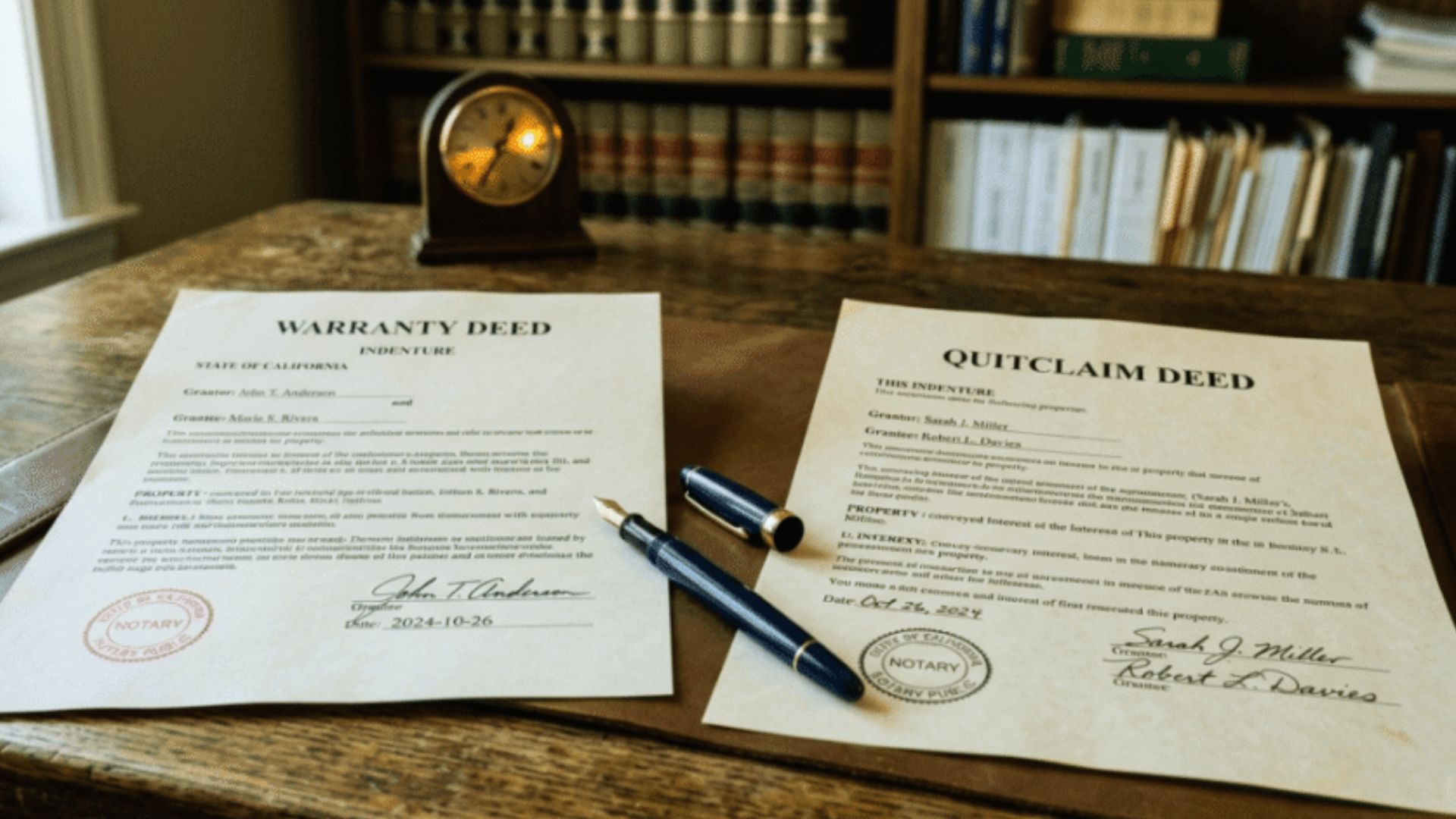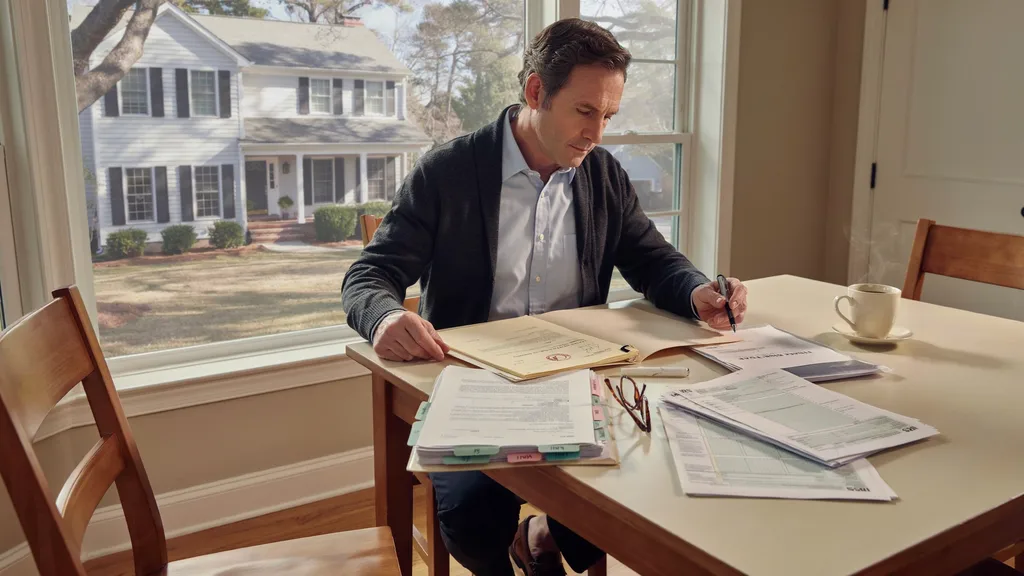


Family disputes over property usually start after a death, when a house passes to several heirs with no plan for what happens next.
One sibling wants to sell, another wants to stay, and a third feels shortchanged. Everyone may have a fair point, which is why these fights are so hard to settle.
This guide explains what causes them, what rights you have as a co-owner, and the ways families resolve them, from a direct conversation to a court-ordered sale. It also covers what to do in the first weeks of a dispute and how to prevent one.
Disclaimer: This article is general information, not legal advice. Property and estate laws vary by state, so talk to a licensed attorney before making decisions about your situation.
Why Family Property Disputes Are So Common
Most people think these fights only happen in wealthy families. They don’t.
When someone dies without a legal plan for their property, state intestacy laws decide who gets what. Those laws follow a fixed order of relatives, not the family’s own wishes. Surveys consistently find that most American adults have no will or estate plan at all.
The result is predictable. A single house, often the only real asset left, ends up shared between people who never agreed on what to do with it. That shared ownership, with no instructions attached, is where the conflict begins.
The Real Reasons Families Fight Over Property
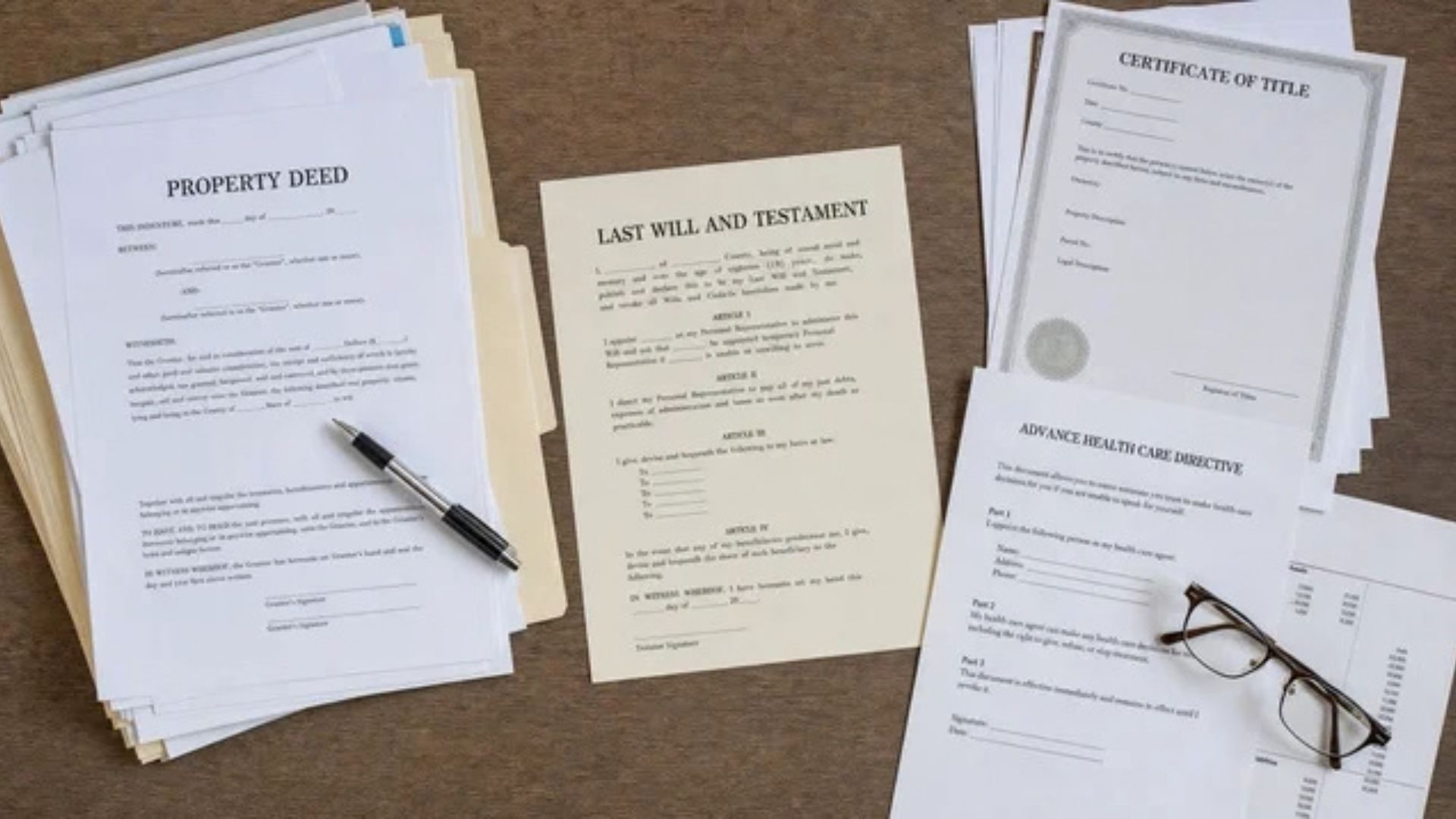
Most disputes don’t start with money. They start with confusion and situations no one planned for. The triggers below are simple, but the fallout usually isn’t.
When There’s No Will, or the Will Isn’t Clear
When someone dies without a valid will, state intestacy laws divide the estate. Those laws follow legal rank, not personal closeness or promises made.
Even a written will can spark a fight. Vague wording like “divide my estate equally” gives no direction on the house itself. Heirs are left guessing whether to sell it, keep it, or buy each other out.
One Sibling Living in the Home While Others Pay
This is one of the most draining situations families face.
One sibling stays in the family home after a parent dies. The others keep paying property taxes, insurance, and upkeep. No rent changes hands, and no written agreement exists. Resentment builds quietly until someone finally pushes back, usually months or years too late.
Unequal Contributions No One Documented
Money often flows into a family home without any paper trail.
One sibling paid the original down payment. Another covered the mortgage. A third funded a new roof. When nothing is written down, everyone remembers the numbers differently. A court then has to decide what was a gift, what was a loan, and whether any of it earns a bigger share.
Undue Influence and Questions About Capacity
A relative may challenge a will on two very different grounds.
- Undue influence means someone pressured or manipulated the person into changing the will.
- Lack of capacity means the person didn’t understand what they were signing.
Both are common in contested estates, especially when the will changed late in life or favored one caregiver.
Disagreements Over Whether to Sell, Rent, or Keep It
Co-owners rarely want the same outcome for the same house.
One owner wants to sell and split the cash, another wants to keep the house in the family, and a third wants to rent it out for income.
No single owner can force that decision alone, so the property stalls while the disagreement hardens, which raises the question of do all heirs have to agree before a sale can happen.
Your Legal Rights as a Co-Owner
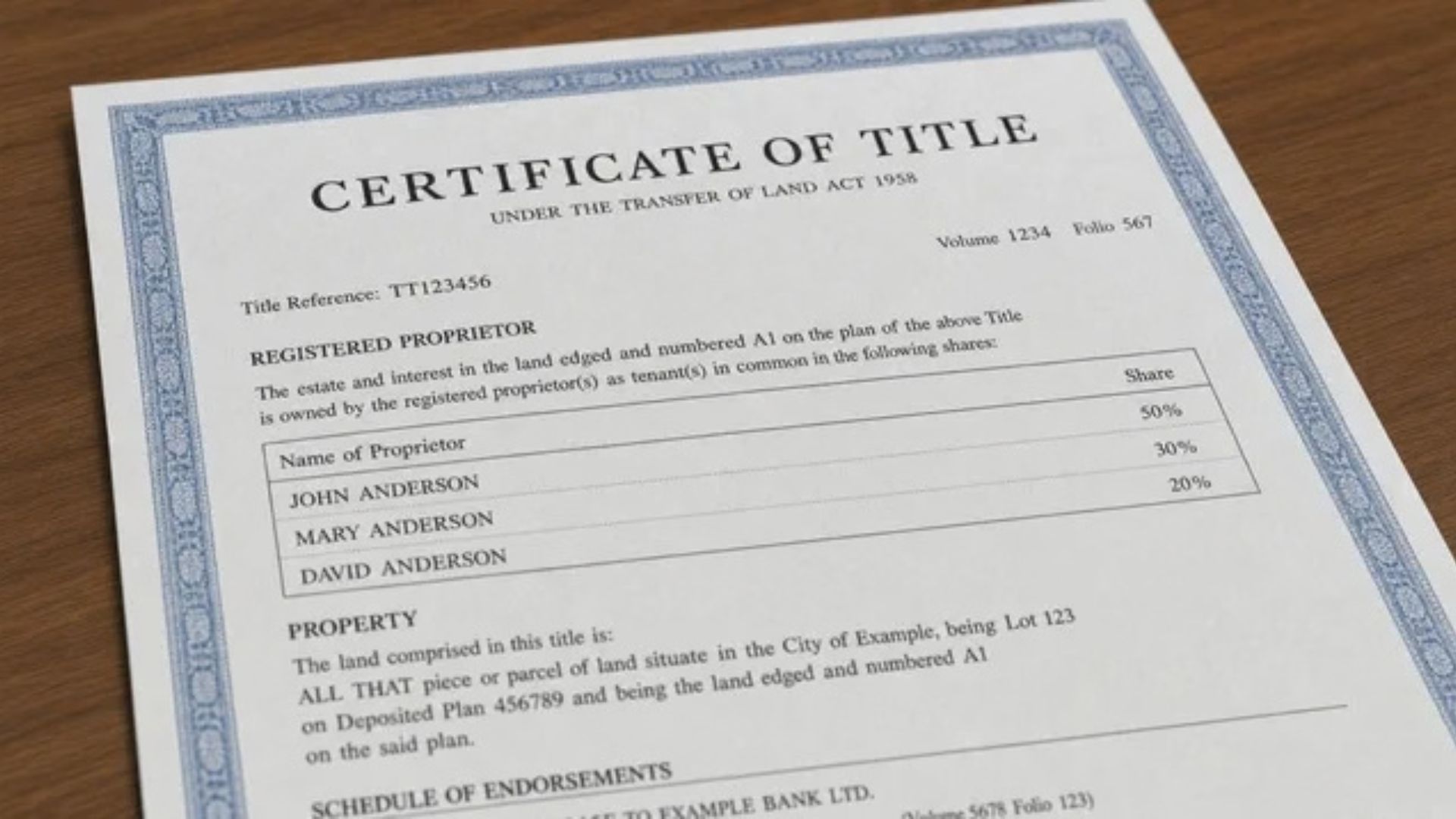
Co-owners share equal rights to use a home, but far fewer rights to decide what happens to it. Knowing what your rights are as a co-owner protects both your claim and your relationships.
What Tenants in Common Can and Can’t Do Alone
Heirs who inherit a home together commonly hold it as tenants in common, though the will, trust, or deed can set up something different. Each owner holds a percentage share but has an equal right to use the whole property.
No single owner outranks the others, even one who paid more or handled the paperwork. What you can’t do alone is approve major renovations, sign a lease for the whole property, or remove another owner.
Each of those needs everyone’s agreement or a court order. You can sell your own share without anyone’s consent. You can’t sell the whole house unless every owner agrees or a court orders it through a partition action, covered below.
Can One Co-Owner Force a Sale?
Yes. One owner can force a sale even when the others refuse.
This happens through a court process called a partition action. The size of your share doesn’t matter. In states that have adopted the Uniform Partition of Heirs Property Act, inherited family property gets added protections before a forced sale. Ask an attorney whether your state has adopted it and how it would apply to your home.
What If a Co-Owner Refuses to Leave?
You can’t simply remove a co-owner, even if you want to sell and they don’t. They have the same legal right to live there that you do, and only a court can force them out.
There’s a catch that works in your favor. If one owner lives there alone and blocks everyone else’s access, they may owe the others rent for that use. Courts often treat this as a fair stopgap while a buyout or sale gets sorted out.
Ways to Resolve a Family Property Dispute

A judge is rarely the first stop. Families usually work through a ladder of options, from a simple talk to a lawsuit, and the five most common paths below run from least to most costly.
Start With a Direct Conversation
Early, honest conversation prevents more disputes than any legal filing.
Set a time, include every co-owner, and stick to practical questions. What does each person need? What outcome feels fair? Write down whatever you agree on, even informally. That note becomes something to build on later.
Move to Mediation If Talks Stall
Mediation brings in a neutral third party to help you reach an agreement without a judge.
A mediator doesn’t pick a winner. They guide the conversation until co-owners find common ground. It’s private, and it usually costs far less than a lawsuit because there are no court filing fees or months of pretrial paperwork. Many sessions wrap up in a day or two. If everyone agrees, that agreement can be written into a binding contract.
Send a Demand Letter Through an Attorney
Sometimes a formal letter is what finally moves a stuck co-owner.
A demand letter from your attorney can request a full accounting of the estate, the trust documents, or how property money has been handled. It signals you’re serious without filing suit yet. It often reopens negotiation that had gone quiet.
Arrange a Buyout
A buyout is when one co-owner pays the others for their shares and keeps the home.
It starts with an independent appraisal so everyone agrees on the value. Buyouts usually break down for one of two reasons. Owners disagree on the price, or the buying sibling can’t get financing approved in time.
File a Partition Action as a Last Resort
A partition action is a lawsuit asking a court to divide or sell co-owned property. Any owner can file one, whatever their share.
Be clear about the cost. Contested cases can drag on, and how long depends on the court and how hard the other owners fight. A court-ordered sale runs on the court’s timeline, not the market’s, so the price can come in below what a normal listing would bring. Legal fees also come out of the proceeds, so everyone may walk away with less.
How Courts Handle These Disputes
When co-owners hit a full standstill, a court settles it on legal terms alone. Here’s what that decision usually turns on.
- Courts look at legal title and documented contributions, not family history or verbal promises.
- A judge can order the property sold and decide how the proceeds are split.
- Disputed costs, like unpaid taxes or repairs, get factored into the final division.
- Court-ordered sales can close below market value.
- Legal fees and court costs leave everyone with less than a private deal would.
The takeaway is blunt: a courtroom rarely rewards the person who was “right” as much as they expect.
Steps to Protect Yourself Right Now If You Are in a Dispute

If a dispute has already started, the first few weeks matter most. Acting without checking your footing can hurt your case later. Sort out these three things first.
1. Get the Paperwork in Order
Start by finding the deed, the will or trust, and any probate filings. Then check exactly how ownership is listed on the title.
Siblings who inherit together commonly hold title as tenants in common, though state law and the title documents decide.
That means each person owns an undivided share of the whole property, not one specific room or piece of it. You can confirm this through county deed records or a probate order.
2. Don’t Make Financial Moves on the Property Alone
Avoid paying for major repairs without written sign-off from every co-owner. Never sign a lease or list the home for sale without everyone’s consent.
Keep every receipt and bank statement. If you’re ever owed money back, that paper trail is what proves it. Undocumented spending is hard to recover.
3. Know When to Call an Attorney
Some signals mean it’s time to stop negotiating alone.
If a co-owner starts spending without asking, goes silent, or threatens to file for partition, bring in a lawyer. An attorney can explain your exact rights under your state’s law. Often, they reopen a fair deal that felt closed. State and local legal-aid directories can help you find one.
How to Prevent a Family Property Dispute Before It Starts
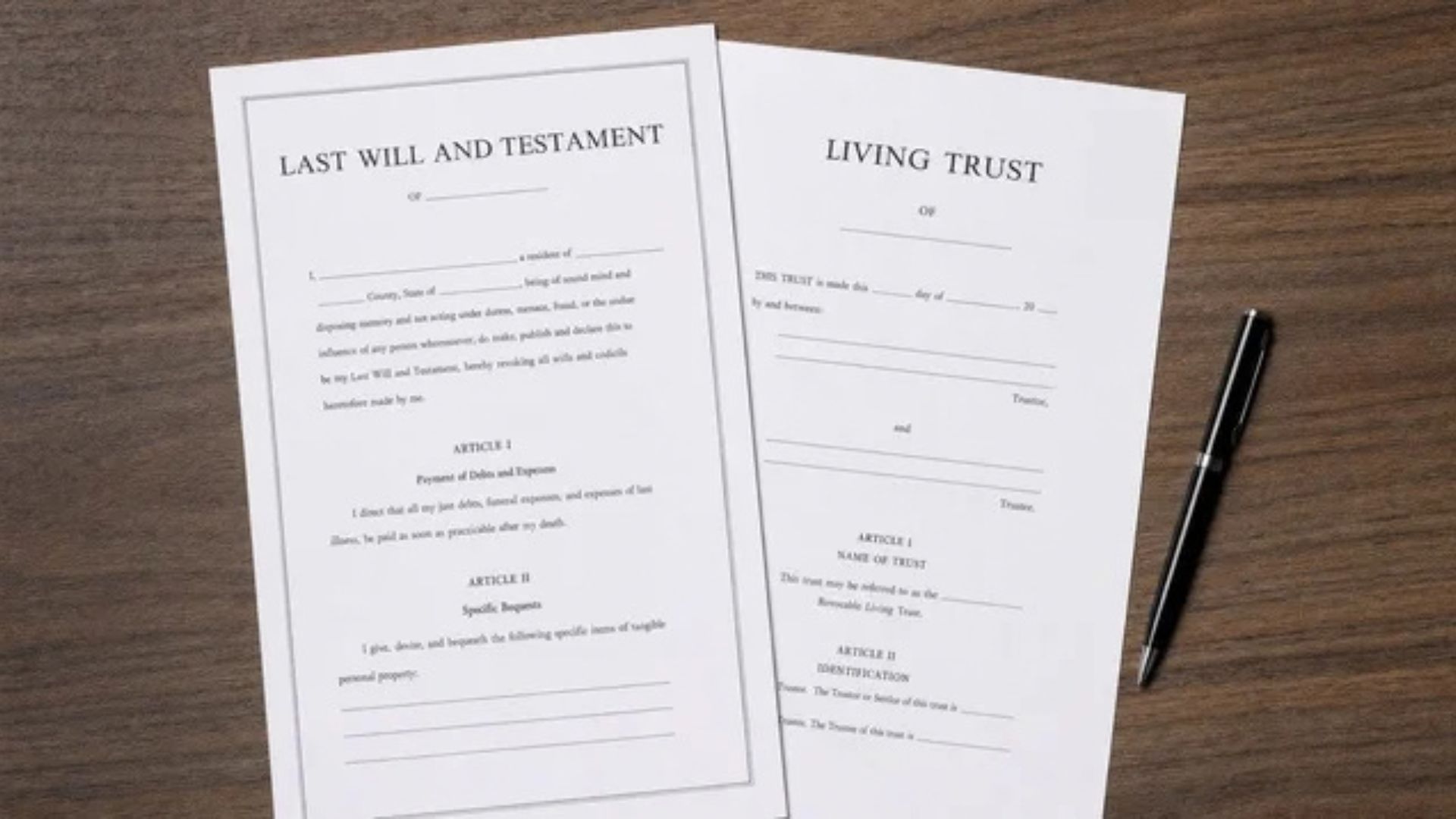
The cheapest time to settle who gets the house is while its owner is still alive. A little planning removes the confusion that sparks these fights later, and it comes down to four decisions.
What a Clear Will Needs to Say About Real Estate
“Divide my assets equally” isn’t enough once a house is involved.
A clear will names the property directly and states exactly what happens to it. Sell it, transfer it to one heir, or place it in a trust. Adding a short letter that explains your reasoning can help heirs accept the decision instead of feeling blindsided.
Why the Right Executor or Trustee Matters
Choosing someone who seems to favor one sibling is one of the fastest ways to start a fight.
The person in charge needs to look fair to everyone, not just competent on paper. In families with tense relationships, a neutral professional trustee, like a bank or licensed fiduciary, can remove any appearance of favoritism.
The Family Conversation Most Parents Avoid
Talking about the plan in advance prevents a surprise later.
The conversation doesn’t need every financial detail. It just needs to cover who’s in charge, the general plan, and why certain choices were made. A short talk now heads off years of guessing.
Using a Trust to Keep Property Out of Court
A trust lets property pass straight to your beneficiaries without probate.
That matters because probate is public and slow, and it’s often where family fights ignite. Property in a revocable living trust transfers directly to named beneficiaries with no court approval. A trust also lets you set conditions on how and when the home is passed on, which removes many reasons to argue.
Conclusion
Family disputes over property rarely begin with money. They begin with a missing will, an unclear one, or a conversation that never happened.
The encouraging part is that most of these conflicts are avoidable, and even active ones have a way forward. Know how your title is held. Keep clear records of what you pay. Choose talking or mediation before a courtroom.
A plan made early, whether a specific will or a trust, spares your family the cost and strain of untangling it the hard way later.
Frequently Asked Questions
How Do You Resolve Family Conflict Over Property?
Start with a direct conversation among all co-owners, then try mediation if talks stall. A neutral mediator helps you reach a written agreement without a judge. If that fails, options include a buyout, renting the property, or a court-ordered partition sale as a last resort.
Can a Half-Sibling Contest a Will?
Yes. A half-sibling can contest a will if they have legal standing, meaning they would inherit under state law or an earlier will. They also need valid grounds, such as undue influence, fraud, or lack of mental capacity. Will contests face strict state deadlines that vary by state and can be short, so confirm your deadline with an attorney as soon as possible.
What Are the Problems of Inheritance?
Common problems include no will, an unclear one, and unequal shares among heirs. Disputes also arise over who lives in the home, who pays its costs, and whether to sell, rent, or keep it. Shared ownership with no written plan is the biggest trigger.
What Happens if a Sibling Is Left Out of a Will?
An adult child or sibling can usually be disinherited if the will states it clearly. Someone left out may still contest the will, arguing it’s invalid due to undue influence or capacity issues. Accidental omissions are sometimes protected under state pretermitted-heir laws.
Do I Have to Pay Capital Gains Tax on Inherited Property?
You may owe capital gains tax, but only on the increase above the property’s stepped-up value at the time you inherited it, not its original purchase price. Selling soon after inheriting often means little or no gain. Confirm your exact situation with a tax professional.