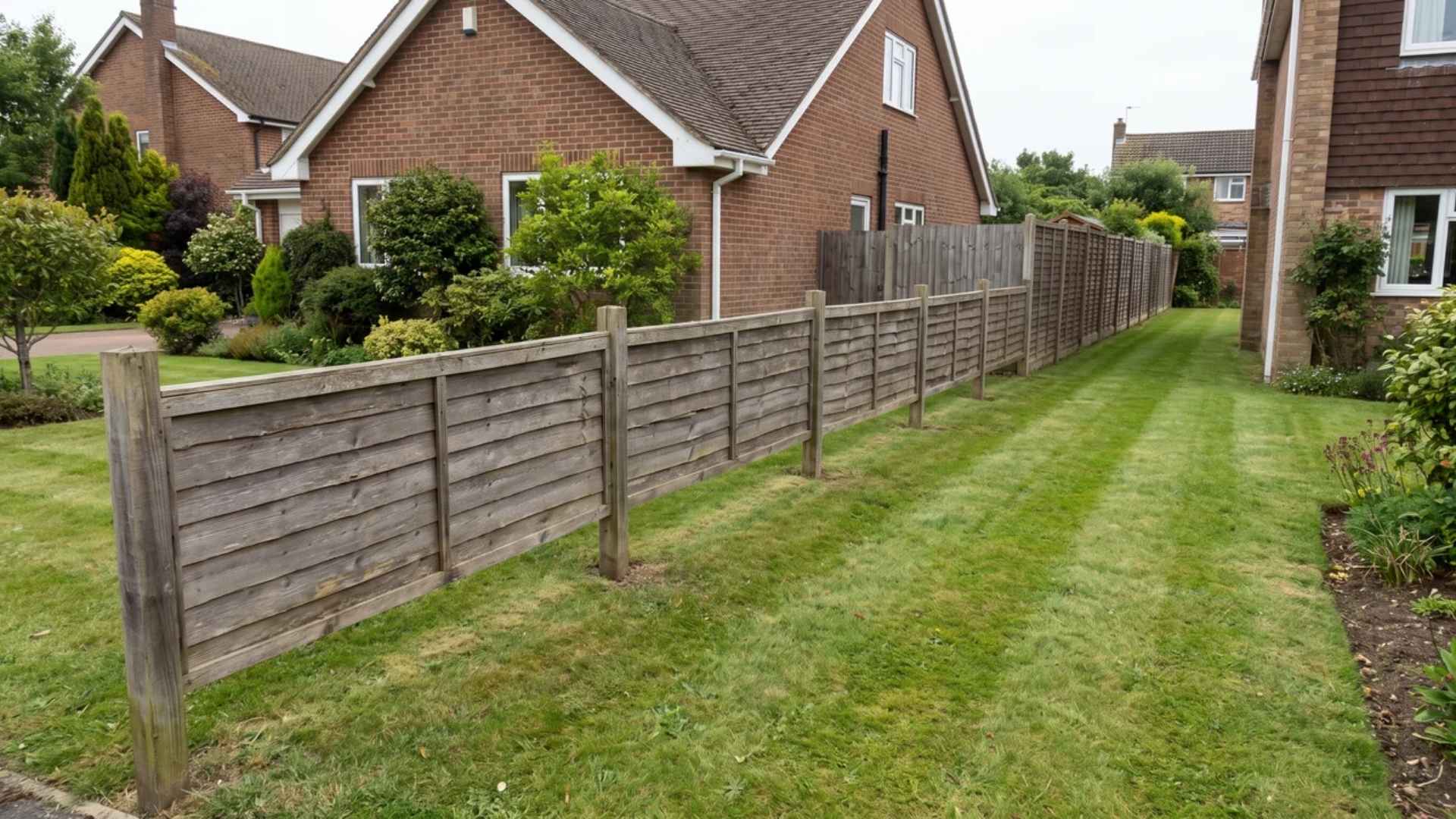

A fence goes up a few inches off your lawn, and nobody bothered to ask you first. That’s one of the fastest ways to turn a friendly neighbor into someone who won’t make eye contact anymore.
If you’re wondering whether your neighbor can legally put a fence on the property line, the answer depends on exactly where that fence sits and whether you’ve agreed to it. Some fences need your sign-off. Others don’t need it at all.
Before you say anything to your neighbor, it helps to know which rule applies to your situation. And which parts are just assumptions that feel like law but aren’t.
Disclaimer: This article provides general information and isn’t a substitute for legal advice. Property line and fencing laws vary by state, county, and HOA, so confirm the specific rules for your location before acting.
Can My Neighbor Legally Put a Fence Right on the Property Line?
Yes and no. It comes down to exactly where the fence sits.
If your neighbor builds entirely on their own side, they usually don’t need your permission.
Even if it’s just a few inches from the line. It’s their land. As long as the fence follows local height and setback rules, they can put it up without asking you.
But if the fence is meant to sit directly on the shared line, that’s different.
Most places treat a true line fence as something both owners have to agree to . And that agreement often needs to be in writing before anyone starts building.
Here’s where I see most fights start. A fence that looks like it’s “on the line” from the street is often just inches onto the neighbor’s own property. Without a survey, nobody can say for sure which case you’re actually dealing with.
What You Give Up (and Gain) When the Fence Sits on the Line

Saying yes to a line fence does more than approve a location. It usually changes who owns the fence and who’s on the hook for it.
Once a fence sits right on the property line, it’s commonly treated as something both owners share. Not something that belongs to whoever paid for it or built it.
That’s the real reason consent matters so much here. It’s not a courtesy you’re extending to a neighbor. It’s the thing that triggers shared legal responsibility.
In practice, that means you’re both on the hook for repairs. If a storm takes down a section, you split the cost. You’re both expected to weigh in on maintenance, even if your neighbor was the one who wanted the fence in the first place.
Here’s the part that catches people off guard; Because the fence is jointly owned, tearing it down later usually needs mutual agreement too. I’ve seen homeowners say yes to a line fence, then find out years later they need their neighbor’s sign-off just to take it down.
Fence Entirely on Their Side
When a fence sits fully on the neighbor’s own property, none of that shared-ownership stuff applies.
It belongs to them, full stop. They’re solely responsible for keeping it up, and they can change or remove it without asking you.
The one thing that usually still applies is the local setback distance . That’s the minimum gap a fence has to keep from the property line, and it’s often small.
A lot of areas land somewhere between 2 and 8 inches , though your city or county sets the real number.
What Local Rules Can Change the Answer
Everything above is the general pattern. But local rules can override it, and they do, more often than people expect.
City and county zoning ordinances often set a minimum setback distance. That requirement can still apply even if you and your neighbor are both fine with building right on the boundary. The city’s rule beats your private agreement every time.
On top of that, you’ve got a few more layers worth checking:
- HOA rules often add their own limits on height, material, and design, especially for fences visible from the street
- Many places require a building permit before any fence goes up, no matter where it sits
- Some states have specific statutes for boundary fences, sometimes called line fence laws or good neighbor laws , that set default rules for consent and splitting costs
These add up fast, and they don’t look the same everywhere. A rule that applies to a house in one state might not exist at all somewhere else. That’s why I always tell people to check their own city, county, and state sources instead of trusting a general rule of thumb.
What to Do Before You Agree or Object

Before you talk to your neighbor, before you decide anything about consent, get a professional survey . Or pull the official plat map.
I can’t stress this enough: existing fences, hedges, and tree lines are the most common cause of boundary disputes.
People assume they mark the real property line. Most of the time, they don’t. Relying on them instead of a survey is how avoidable fights start.
Once you know the actual boundary, check with your local city or county planning department. If you have an HOA, check with them too.
Find out what setback distances, height limits, and permits apply to your specific property.
Only after those two steps are you actually ready to have a useful conversation with your neighbor about placement.
Whatever you agree on, put it in writing. Where the fence goes, how costs get split, who handles maintenance later.
A verbal agreement won’t protect either of you if the property sells or a disagreement comes up down the road. A written agreement is often the only thing that settles a dispute before it reaches a lawyer.
The Bottom Line
Most disputes over a fence on the property line trace back to the same two gaps. Nobody confirmed the actual boundary, and nobody put the agreement in writing.
A survey settles the first problem. A quick check with your local planning office or HOA settles most of the rest. From there, a short written agreement covering placement, cost, and future maintenance is usually enough to keep a fence from becoming a years-long headache between neighbors.
Get those two things right, and you and your neighbor can split the cost, share the upkeep, and never think about it again.
Frequently Asked Questions
Do I have to agree before my neighbor builds a boundary fence?
Only if the fence will sit directly on the shared property line. That typically needs both owners’ consent, often in writing. If your neighbor builds entirely on their own side, even by a few inches, they generally don’t need your permission. Though local setback rules may still apply.
Can I force my neighbor to help pay for a fence?
Usually not. Unless the fence is already built on the shared line, in which case it’s often treated as jointly owned with shared repair costs. Some state line fence statutes set specific cost-sharing rules, so check local law instead of assuming a default answer.
What happens if a neighbor’s fence ends up over the line without my consent?
That’s generally considered an encroachment. Start by asking your neighbor directly to move it. If that goes nowhere, send a written letter, ideally certified mail with a return receipt, asking them to move the fence within a set timeframe.
A professional survey confirms the boundary first, so you’re not guessing. If your neighbor still refuses, small claims court or a legal remedy is the next step. Documenting everything early protects you if the dispute drags on.
What is the “7-year fence law”?
It refers to state statutes where a long-standing fence line, left unchallenged for a set number of years, can affect recognized property boundaries or ownership claims. Rules vary a lot by state, so verify the timeframe and conditions where your property is located before assuming it applies to you.