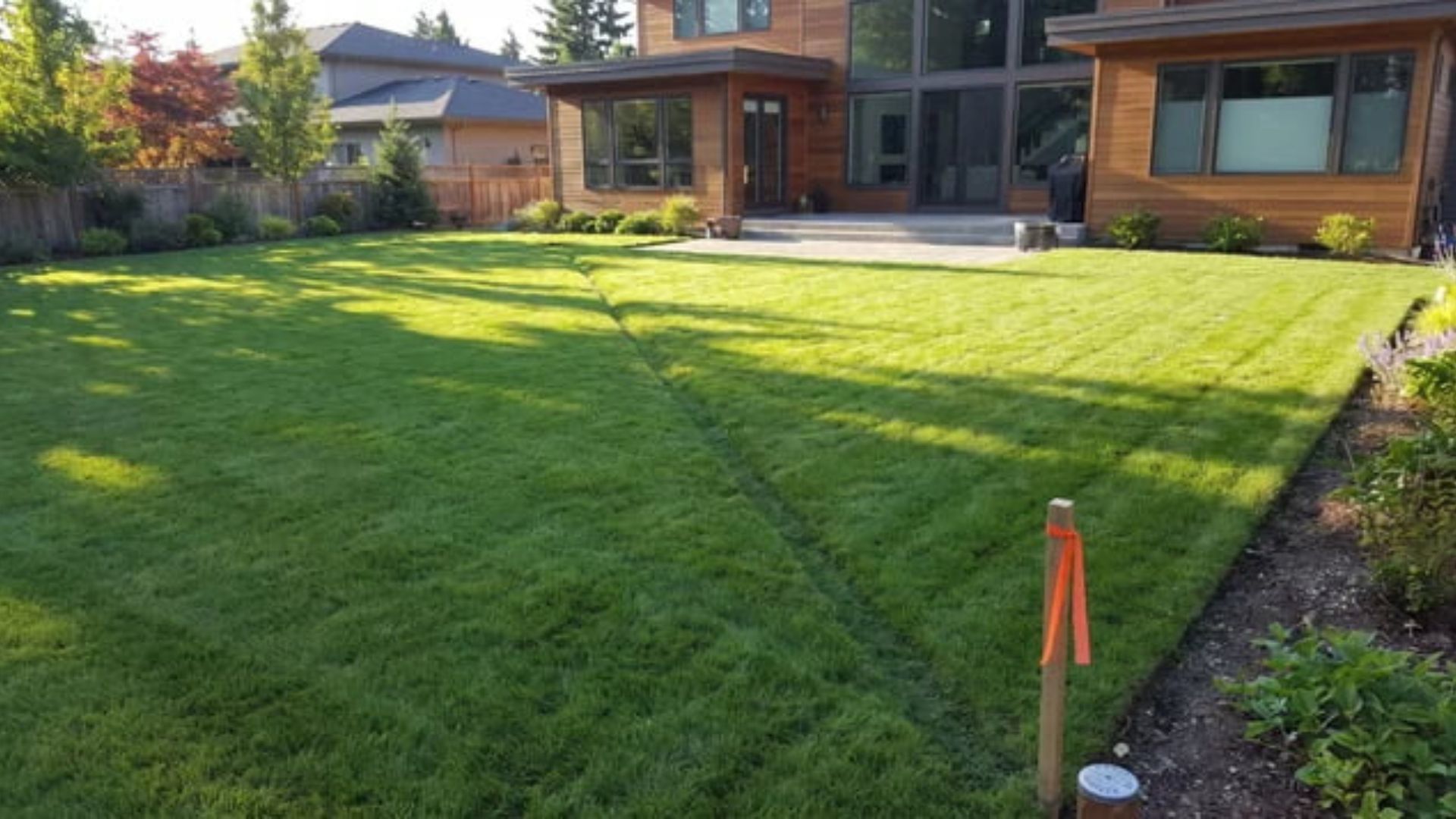
A homeowner may not realize a utility easement exists until a utility crew arrives, a building project gets delayed, or a planned fence conflicts with access rights.
Many property owners only learn about utility easement rules when they discover restrictions on how they can use part of their land.
If you are unsure why a shed cannot be built in a certain area, why utility workers can access your yard, or what rights you still have as a property owner, this guide explains everything you need to know.
This article covers what a utility easement means, what you can and cannot do within an easement area, and how to find out whether one affects your property.
By the end, you will understand your rights, responsibilities, and options as a homeowner.
What Are Utility Easement Rules?
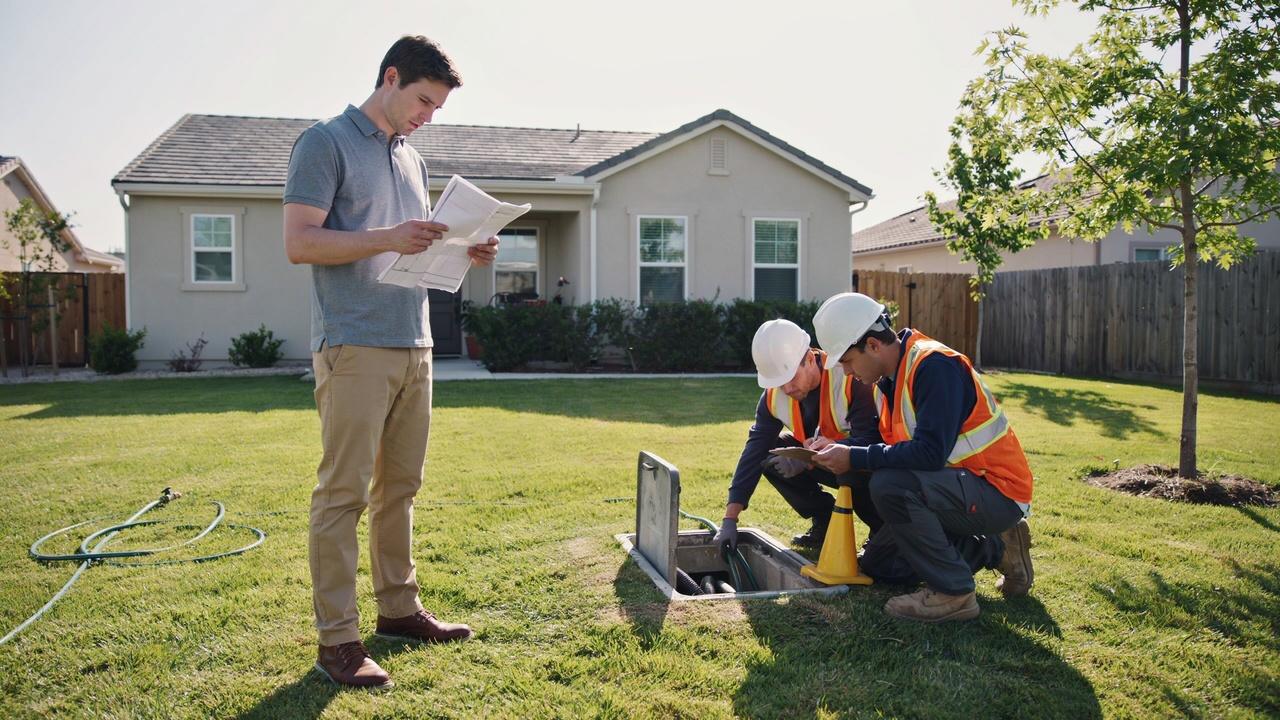
A utility easement is a legal right that lets a utility company use part of your land for infrastructure like power lines, pipes, or cables, even though you still own the property.
Although you own the property, the utility company has a legal right to use a defined portion of your land to install, inspect, maintain, repair, or replace utility infrastructure. The exact rights depend on the recorded easement agreement and applicable state or local laws.
These easements exist because towns and cities need a reliable way to deliver power, water, gas, and internet to every home.
Without them, utility companies would have no legal path to reach the equipment they need to maintain. The easement allows access while ownership of the land remains with you.
Most get recorded on your property deed, so they stay attached to the land even after you sell it.
Utility Easement Rules Every Property Owner Should Know
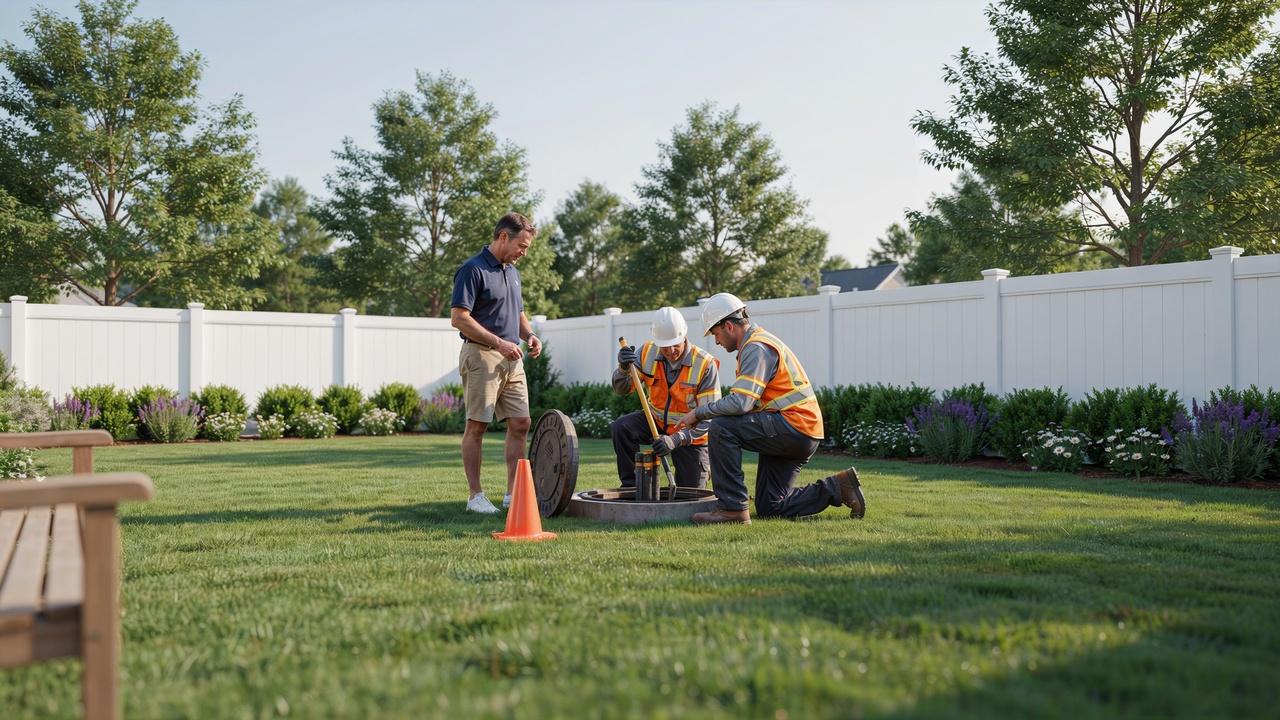
Here's what most homeowners don't realize until they run into it firsthand.
What Utility Companies Are Allowed to Do
Utility companies can enter the easement area to install new lines, repair damaged equipment, and perform routine checks.
They can also trim trees or clear brush that threatens their lines, since most agreements include clearance requirements that spell out how much open space has to stay around power lines and equipment.
In most cases, they don't need your permission each time, since the easement already grants that right. Some companies give advance notice for planned work, but emergencies are treated differently. If a line goes down during a storm, crews can enter right away to fix it, no phone call required.
What Property Owners Can and Cannot Do
You can usually mow the grass, plant flowers, or park a car within an easement. What you can't do is build anything permanent, like a shed, deck, fence, or accessory dwelling unit, without checking first.
Digging is another problem area. If you dig without calling 811, you risk hitting a buried line and causing a serious hazard.
Some easements allow limited landscaping, but the company can remove anything that blocks their access, even if you planted it yourself.
What Can You Build or Plant on a Utility Easement?

Not everything is off limits, but a few common additions can cause real headaches later.
Fences: Small fences are sometimes allowed, but they may need to be removable if the company needs access. Setback rules matter too, since they're measured from your property line, not the easement line, so a fence can clear the setback and still sit inside the easement.
Sheds: Most sheds are not allowed inside an easement since they count as permanent structures. The utility company can order one removed if it blocks their access.
Pools: In-ground pools are almost never permitted because they block digging access. Even a small above-ground pool can cause problems if it sits over a buried line.
Decks and patios: These can conflict with buried lines, so check depth and placement first. A quick call to 811 before digging footings can save you a costly redo.
Driveways: Paved driveways are sometimes allowed if they don't interfere with underground equipment. The utility company may still need to tear up part of it for repairs.
Trees and landscaping: Deep-rooted trees are risky near buried lines and may be removed later. Stick to grass, flowers, or low shrubs to stay safe.
What Happens If You Block a Utility Easement?
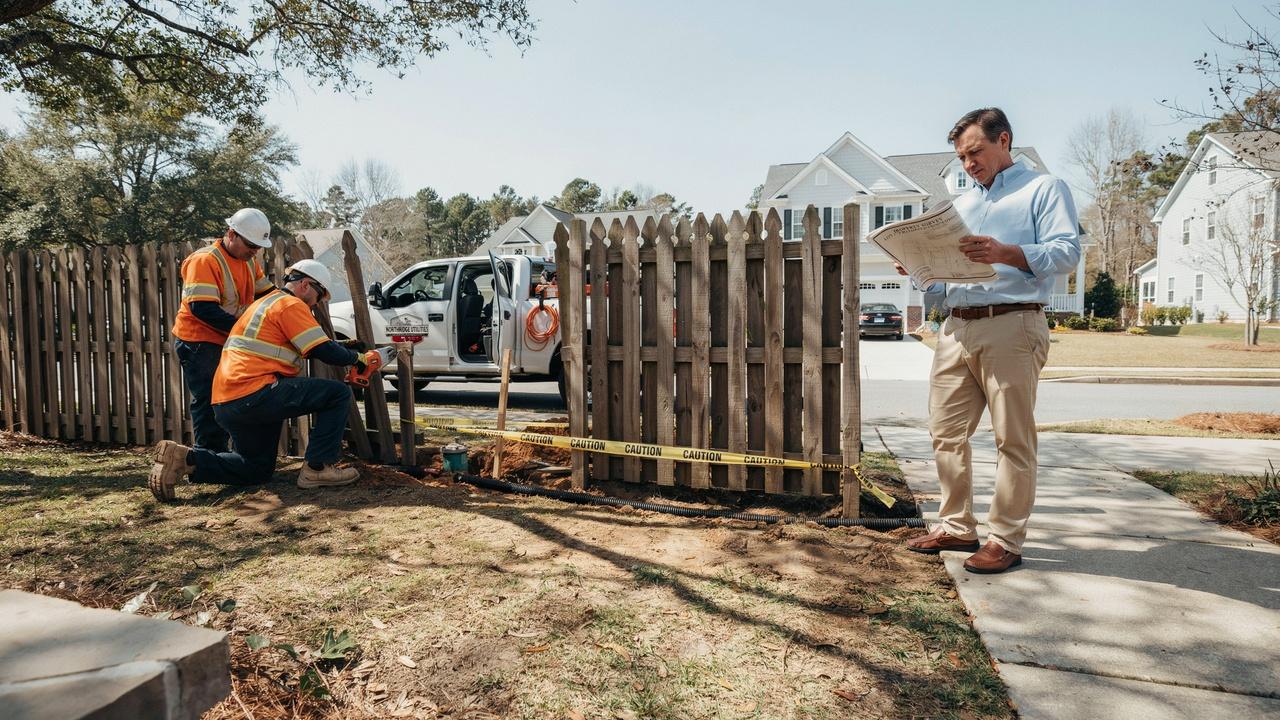
Blocking a utility easement can lead to legal, financial, and construction-related problems. If a permanent structure, fence, retaining wall, or landscaping prevents utility workers from reaching equipment or underground lines, the utility company may require the obstruction to be removed or relocated.
Depending on the easement agreement, the homeowner may also be responsible for the associated removal or restoration costs.
In some cases, proposed building projects may be delayed or denied if they conflict with a recorded utility easement or local building requirements.
Before starting any construction, landscaping, or excavation project, review your property deed or survey and contact the utility company if you are unsure whether your plans could interfere with the easement.
Can Utility Companies Enter Your Property Without Permission?
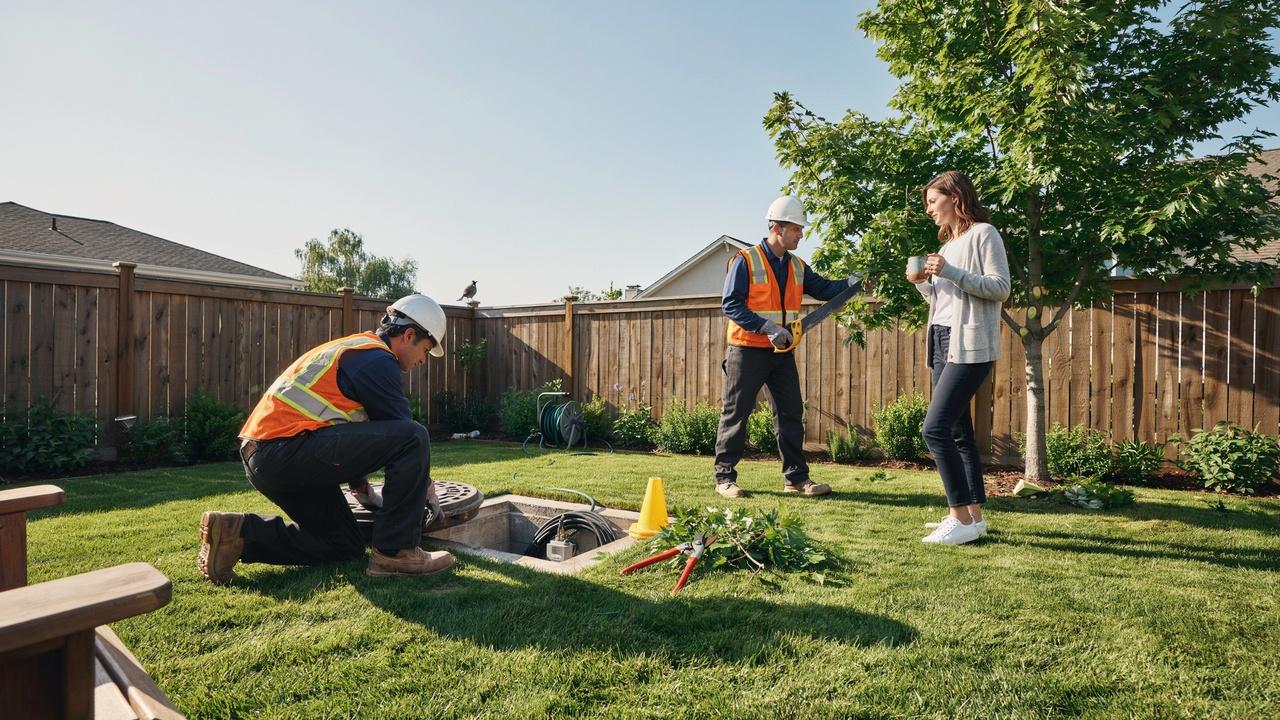
Yes. In most cases, a recorded utility easement gives utility companies the legal right to enter the easement area to inspect, maintain, repair, replace, or upgrade utility infrastructure without requesting permission each time.
During emergencies, such as a gas leak, power outage, or downed power line, utility crews can enter the property immediately to restore essential services and protect public safety.
For planned maintenance or construction, notice requirements vary depending on the easement agreement, state law, and the utility company's policies. While many companies notify homeowners before scheduled work as a courtesy, advance notice is not always legally required.
During authorized work, utility crews may temporarily dig, trim vegetation, or remove obstacles that interfere with access to utility infrastructure, as permitted under the easement agreement.
Disclaimer: Utility easement rights, access requirements, and notice rules vary by state and by the terms of the recorded easement agreement.
Common Types of Utility Easements
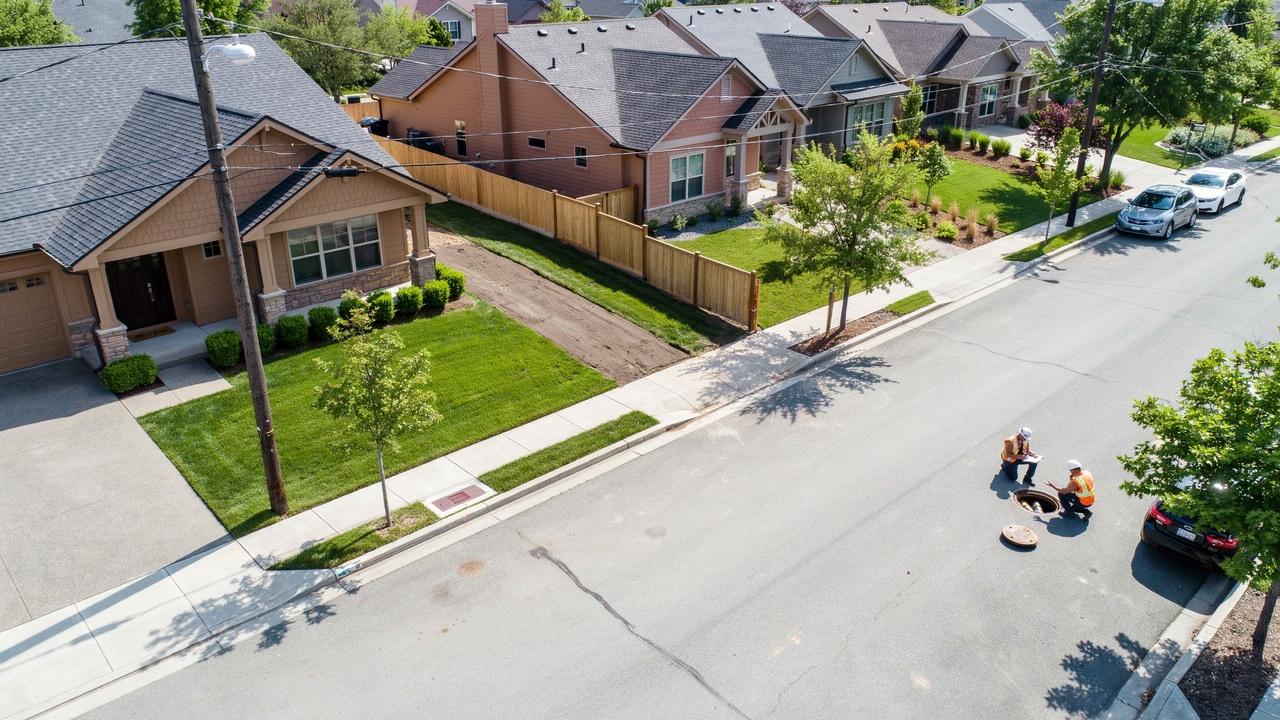
Not all easements work the same way. Here's a quick breakdown of what you might run into.
1. Express Easements
Express easements are written down and recorded, usually as part of your property deed. They spell out exact rights and boundaries so there's no guesswork involved.
You'll find the details in your title report or deed history. Because everything is documented, these are the easiest type to understand.
If you're buying a home, ask your title company to walk you through any express easements tied to the property before you close.
2. Implied Easements
Implied easements aren't written down anywhere. They exist because of how the land has been used over time.
Say a utility company has run lines across a property for decades without a formal agreement. That pattern of use can create an implied easement.
These can get tricky in disputes since there's no paper trail to point to. Courts often look at history and past behavior to decide if one exists.
3. Prescriptive Easements
Prescriptive easements may arise when a utility or other party uses property openly, continuously, and under legal conditions defined by state law for a required period. Unlike ownership claims, these easements only create a right to use the property for a specific purpose.
The required period and legal requirements vary by state, but the use generally must be visible, continuous, and without the owner's permission. Once established, a prescriptive easement can become a legally recognized right that may continue with the property.
Property owners who want to prevent a potential prescriptive easement should address unauthorized use early and document their objections.
4. Easements by Necessity
These exist when a property has no other reasonable way to receive utility service. Maybe a landlocked parcel needs power lines to cross a neighbor's yard to reach the grid.
Courts tend to favor these easements since blocking them would leave a property without basic utilities.
If you're buying land that seems oddly shaped or hard to access, ask whether an easement by necessity is already in place or might be needed later.
5. Permanent vs. Temporary Easements
Permanent easements last indefinitely and usually stay attached to the property even after it sells.
Temporary easements end once a specific project wraps up, like construction or a pipeline repair. Before buying, check which type applies.
A temporary easement might not matter much in the long run. A permanent one could affect how you use part of your yard for as long as you own the home.
6. Public vs. Private Utility Easements
Public easements serve the community at large, like a stretch of land used for city water lines. Private easements benefit a specific neighbor or company instead.
For example, a private easement might let one neighbor run a driveway through another's property.
The difference matters because public easements are harder to remove, while private ones can sometimes be renegotiated between the parties involved if both sides agree.
7. Distribution Lines vs. Transmission Lines
Small distribution line easements barely touch your property value. These carry electricity to nearby homes and rarely raise red flags for buyers.
Transmission line easements are a different story. They carry power or product across long stretches of land, often with tall towers or wide clearance zones.
Buyers tend to ask more questions about these, and some lenders factor them into appraisals since they can affect resale value down the road.
How to Find Utility Easements on Your Property

Finding out if your property has an easement takes a little digging, but it's not hard. Start with your property deed, since easements are often listed there directly.
Your title report is another good source, especially if you bought the home with title insurance. A property survey will show the exact boundaries and markings for any easement on the land.
County land records are public and searchable, often through the recorder or assessor's office. You can also call your local utility provider directly and ask if they hold an easement on your address.
Many counties now offer GIS or parcel mapping tools online, which let you view easement lines layered right over your property map.
How Utility Easements Affect Compensation, Maintenance, and Property Value

Compensation is not automatically available for every utility easement. Homeowners are more likely to receive payment when a new easement is created or an existing easement is expanded, with the amount depending on applicable law and the impact on the property.
Maintenance responsibilities are usually shared according to the easement agreement. Utility companies generally maintain, inspect, and repair their equipment, while property owners remain responsible for routine care of the surrounding land unless the agreement states otherwise.
The effect on property value varies depending on the easement's size, location, and restrictions. Standard residential utility easements for underground service lines rarely have a significant impact, while larger easements that limit future construction or reduce usable land may influence property value or development potential. This is separate from how easements affect the home-selling process, which involves disclosure and buyer review.
Utility Easement Rules vs. Right-of-Way
Although both allow access to land, they serve different purposes and come with different rights and restrictions.
| Feature | Utility Easement | Right-of-Way |
| Purpose | Utility installation and maintenance | Travel or property access |
| Ownership | Property owner keeps ownership | Property owner usually keeps ownership |
| Who Uses It? | Utility companies | Public or authorized users |
| Restrictions | No permanent structures blocking access | No blocking the access route |
| Examples | Power lines, water, gas, sewer | Roads, driveways, shared paths |
A utility easement gives utility companies access to maintain essential services, while a right-of-way allows people or vehicles to legally pass through a property.
Can You Refuse, Challenge, or Remove a Utility Easement?

Removing or refusing a utility easement depends on whether it already exists and how it was created. Existing utility easements are generally difficult to remove because they are legal property interests recorded against the land.
However, new easements may sometimes be negotiated before they are granted. In some situations, homeowners may challenge an easement if they believe it was created improperly, has been abandoned, or is no longer necessary.
When a utility company needs new access for a public project, eminent domain laws in some jurisdictions may allow the easement to be acquired with fair compensation if an agreement cannot be reached.
Because easement laws vary by state and individual agreements, homeowners should review the recorded easement documents and seek legal advice before attempting to dispute or terminate an easement.
Disclaimer: The process for challenging or removing a utility easement depends on state law and the language contained in the recorded easement agreement.
How Utility Easements Affect Selling a Home

Utility easements can influence a home sale because they remain attached to the property and transfer to future owners. Sellers generally need to disclose known easements according to state disclosure laws and the terms of the sale agreement. Buyers usually review the title report, deed records, and property survey to understand where easements exist and how they affect the land.
While large utility easements that restrict future construction or reduce usable land may require additional explanation during a sale, standard residential easements for underground utilities are common and rarely prevent a successful transaction.
However, minor utility easements, such as those for underground cables or standard service lines, are common and often do not prevent a successful sale. Being transparent and providing records early can help avoid delays during closing.
Utility Easement Rules Before Building or Landscaping
A little prep work now can save you from a costly mistake later.
- Read the easement agreement: Know exactly where the boundaries sit before you plan anything.
- Call 811 before digging: This free service marks buried lines so you avoid hitting them.
- Verify local permits: Some cities require extra approval for work near an easement.
- Contact the utility company if unsure: A quick call can confirm what's allowed on your specific property.
- Avoid permanent structures within the easement: This keeps you from a forced removal down the road.
Conclusion
Understanding utility easement rules helps you make informed decisions before building, landscaping, or making other changes to your property.
Since easements can affect where you build and when utility companies may access your land, reviewing your deed, title report, or property survey is an important first step.
If you are unsure about the restrictions or your rights, contact the utility company or a real estate professional before starting any project.
Planning ahead can help you avoid unnecessary costs, delays, and legal disputes.
Frequently Asked Questions
Can a utility company make me move my fence?
Yes, if it blocks their access to the easement, they can require you to move or remove it at your own cost.
Do I still pay property taxes on land inside a utility easement?
Yes, you keep paying full property taxes even though part of your yard has restricted use.
Can I get a permit to build over a utility easement if the utility company approves it?
Sometimes, you need written approval from the utility company along with your local building permit before starting.
What happens to a utility easement if the property is subdivided?
The easement stays in place and usually transfers to whichever new parcel it physically runs through.
Does homeowners insurance cover damage caused by utility crews working in an easement?
Usually not, since utility companies carry their own liability coverage for damage they cause during repairs.