Planning a property survey is easier when you know what to expect, especially the property survey cost.
If you're buying a home, settling a boundary question, or preparing for construction, knowing the typical costs can help you avoid surprises.
In this guide, you'll learn what affects survey pricing, the average costs for different survey types, who usually pays, and practical ways to save money.
I'll also explain when a survey is worth the investment and when it's required.
My goal is to provide clear, reliable information based on how property surveys are commonly handled, so you can make informed decisions with confidence.
The Short Answer: How Much Does a Property Survey Cost?
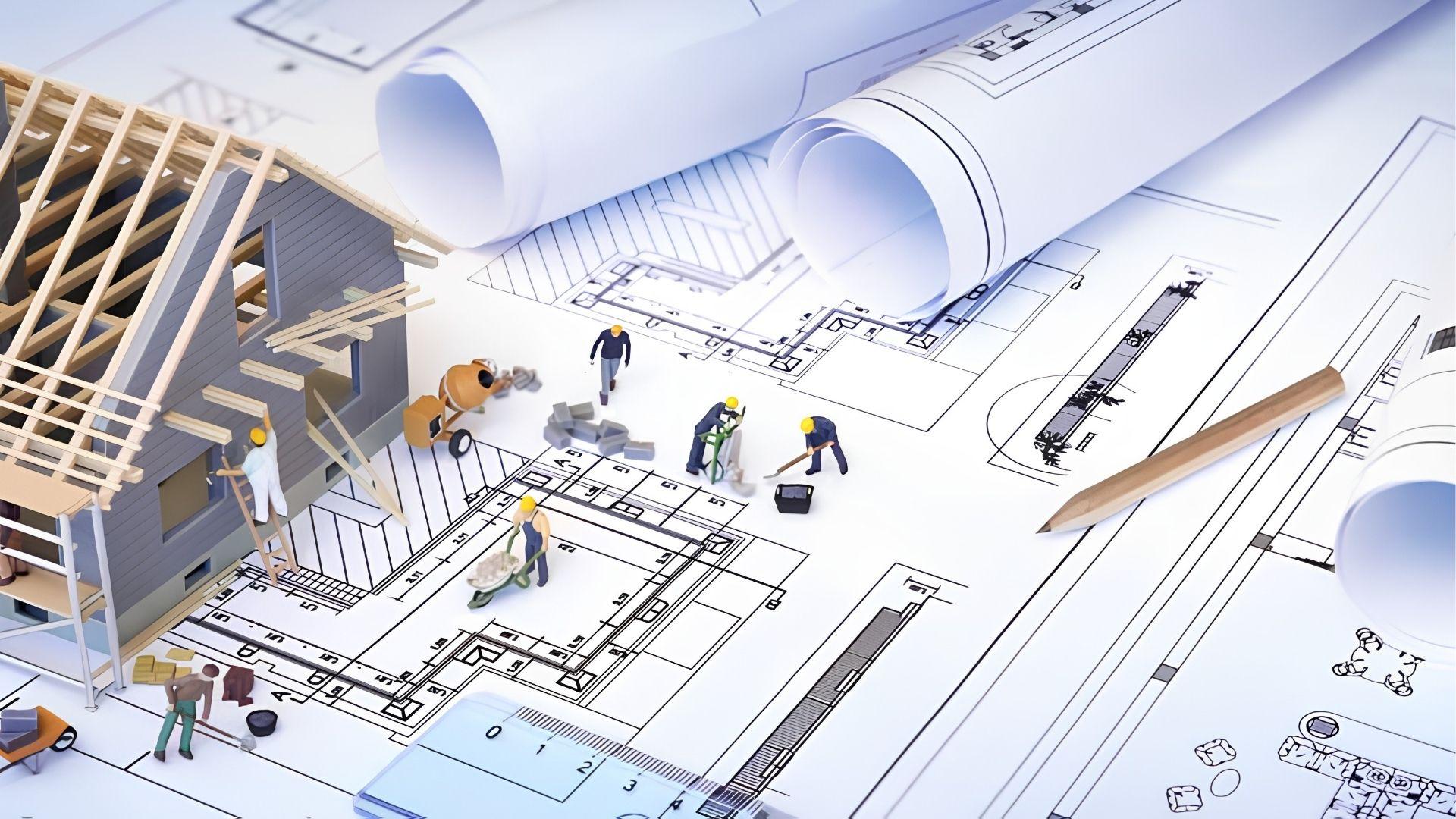
The property survey cost typically ranges from $200 to $1,000 or more, depending on the type of survey, the size of the property, and its location. Simple residential boundary surveys usually cost less than detailed surveys for commercial properties or new construction.
Prices may also be higher in areas with higher labor costs or complex property layouts. Because every property is different, it's a good idea to request quotes from licensed surveyors before making a decision.
Comparing estimates helps you understand what's included and ensures you receive an accurate survey that meets your needs without paying for unnecessary services.
What Is a Property Survey?
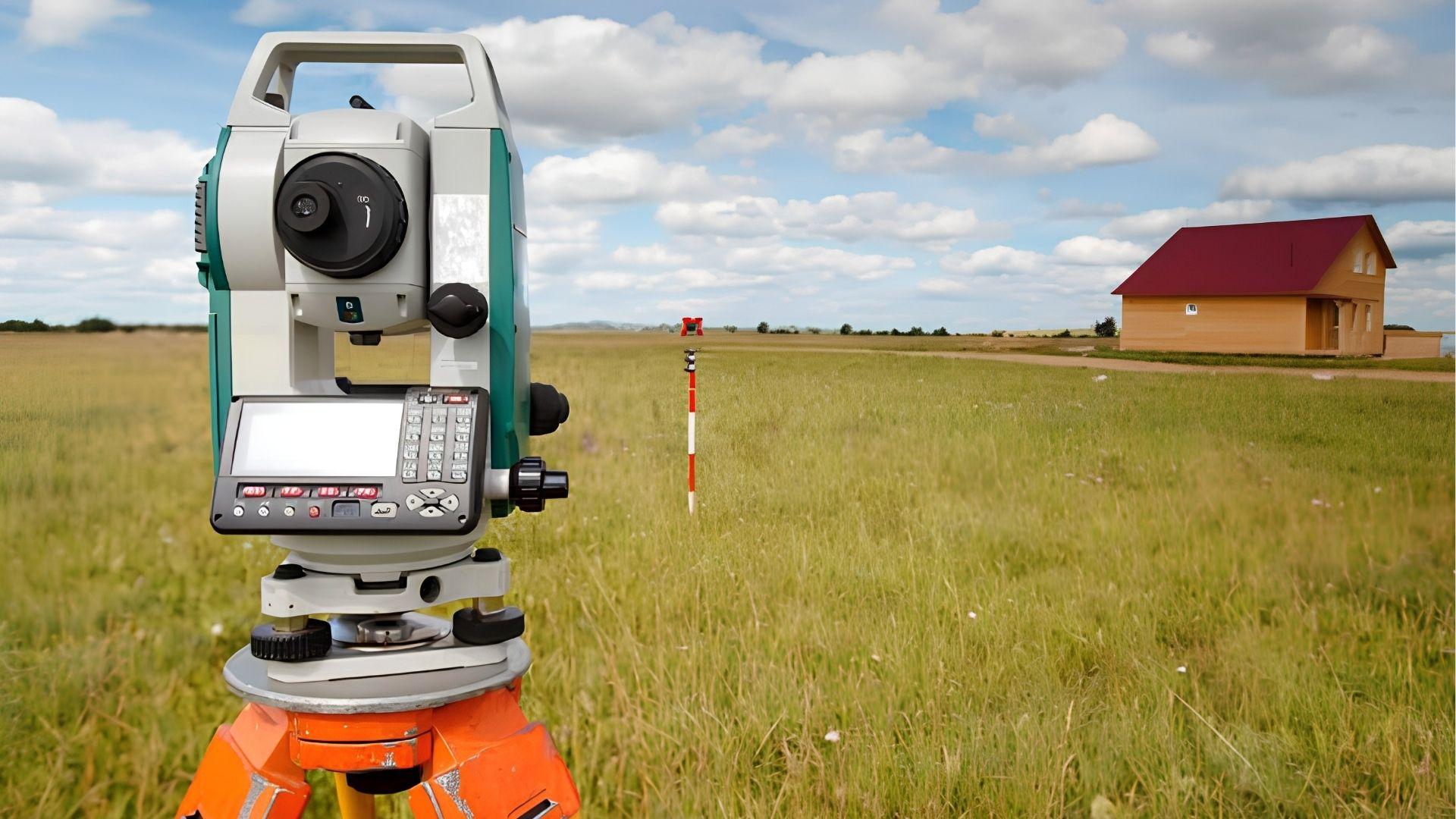
A property survey is a detailed inspection that identifies a property's legal boundaries, dimensions, and physical features. It is performed by a licensed land surveyor using specialized equipment and official property records.
The purpose of a property survey is to confirm boundary lines, locate structures, identify easements, and help prevent property disputes.
Surveys are often required when buying or selling a home, building a new structure, installing a fence, dividing land, or resolving boundary disagreements.
Lenders, title companies, and local governments may also require a survey for certain real estate transactions. Having an accurate property survey gives buyers and property owners confidence that they understand exactly what land they own and how it can be used.
Average Property Survey Cost by Survey Type
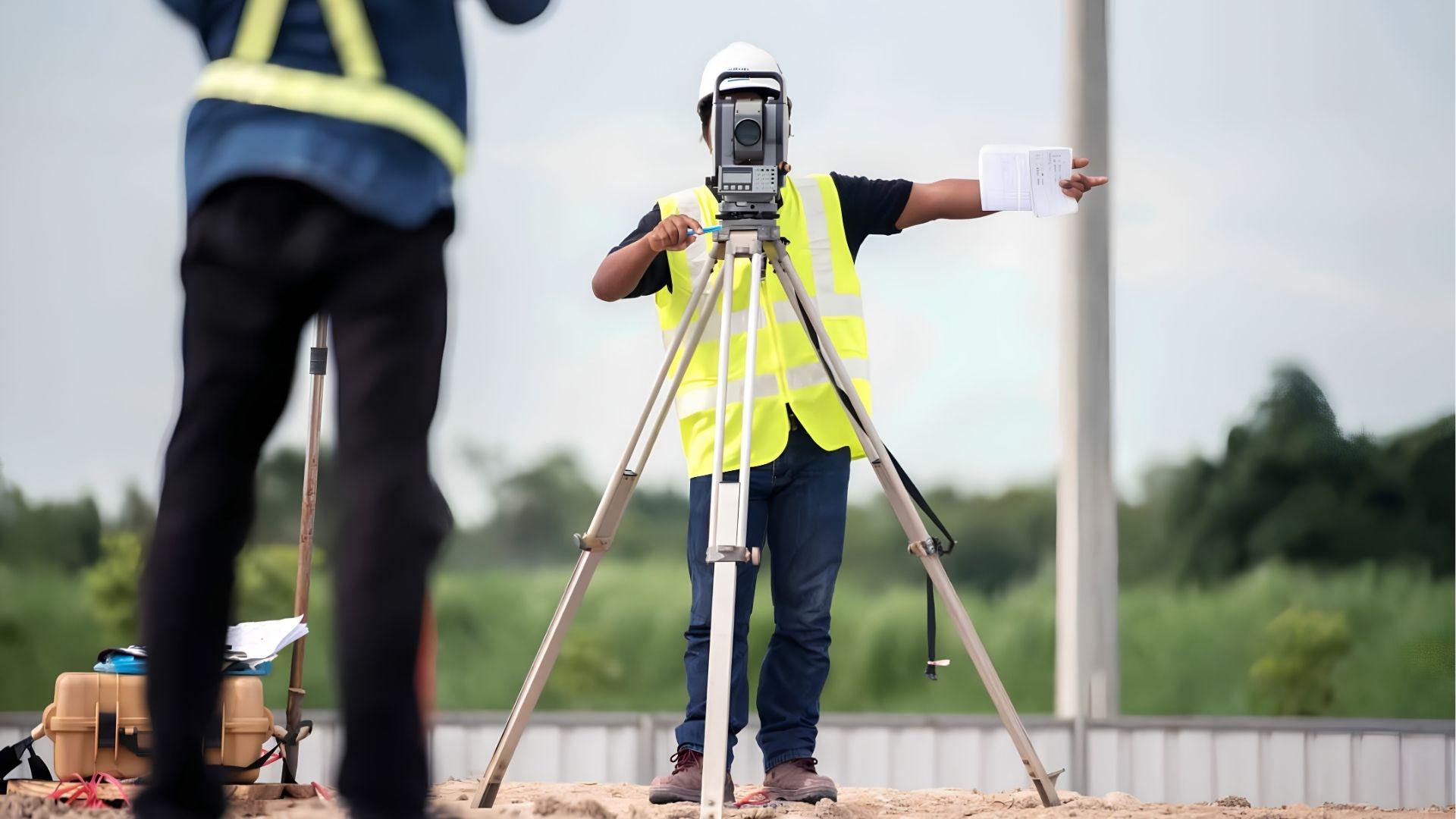
The property survey cost depends largely on the type of survey you need. Simple residential surveys are generally more affordable, while detailed surveys for commercial properties or construction projects cost more because they require additional research, measurements, and documentation.
Boundary Survey
A boundary survey typically costs $200 to $800. It identifies the legal property lines and is commonly used before installing fences, resolving boundary disputes, or purchasing a home.
Mortgage Survey
A mortgage survey usually ranges from $300 to $700. Lenders may request this survey to confirm property boundaries, locate existing structures, and identify any encroachments that could affect the loan.
ALTA/NSPS Land Title Survey
An ALTA/NSPS Land Title Survey generally costs $2,000 to $5,000 or more. It is one of the most detailed survey types and is often required for commercial real estate transactions and title insurance.
Topographic Survey
A topographic survey typically costs $500 to $2,000, depending on the property's size and terrain. It maps natural and man-made features, making it useful for engineering, landscaping, and construction projects.
Construction Survey
A construction survey usually costs $1,000 to $5,000 or more. It provides precise measurements that help ensure buildings, roads, and other structures are placed according to approved plans.
Subdivision Survey
A subdivision survey generally ranges from $1,000 to $10,000 or more, depending on the number of lots and project complexity. It is used when dividing a larger property into smaller parcels for development or sale.
Elevation Survey
An elevation survey typically costs $400 to $2,000. It determines a property's elevation relative to flood zones and is often required for flood insurance, construction permits, or building in areas prone to flooding.
What Factors Affect Property Survey Cost?
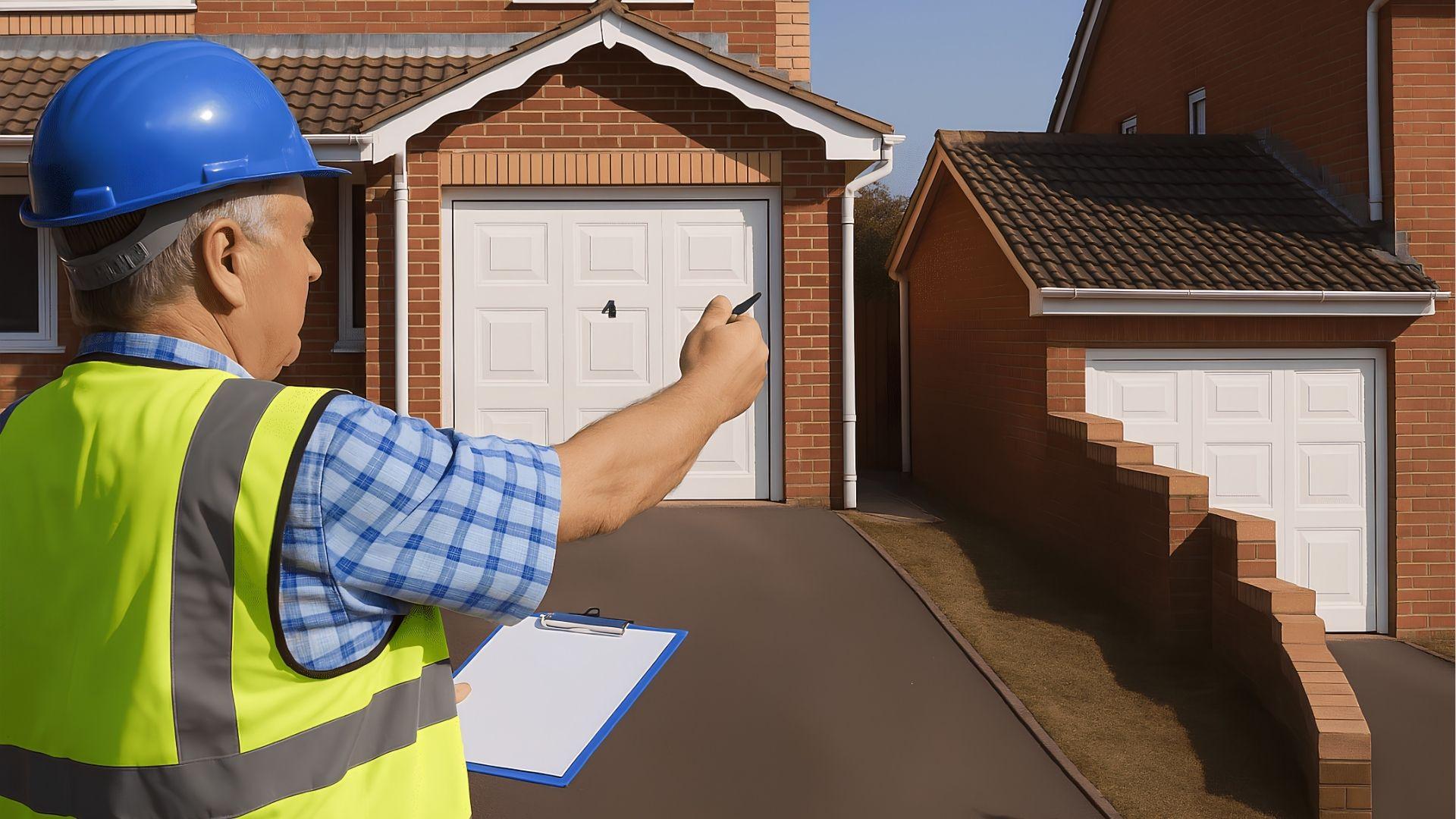
Several factors determine property survey cost, which is why two properties in the same area can have very different survey prices.
Property Size
Larger properties require more measurements, fieldwork, and time to survey, so they generally cost more than smaller residential lots.
Terrain
Flat, open land is usually easier to survey than properties with steep slopes, dense trees, water features, or uneven ground. Challenging terrain often increases both the time and cost.
Survey Type
The type of survey you request has a major impact on pricing. A basic boundary survey is typically less expensive than an ALTA/NSPS, topographic, construction, or subdivision survey because those require more detailed research and documentation.
Property Records
Accurate deeds, plats, and previous survey records can make the survey process more efficient. If records are missing, outdated, or inconsistent, the surveyor may need additional research, increasing the overall cost.
Accessibility
Properties that are difficult to reach, located in remote areas, or blocked by heavy vegetation may require extra travel time and specialized equipment, which can increase survey fees.
Urban vs. Rural Location
Urban surveys often cost more due to higher labor rates, greater demand, and more complex property boundaries. Rural surveys may have lower labor costs, but larger properties and longer travel distances can offset those savings.
Local Labor Rates
Surveying costs vary by region because wages, operating expenses, and the availability of licensed surveyors differ from one location to another. Areas with a higher cost of living generally have higher survey fees.
Survey Complexity
Properties with irregular boundaries, multiple structures, easements, encroachments, or legal issues require more detailed work. The more complex the survey, the more time and expertise it requires, which increases the final cost.
Is a Property Survey Required?
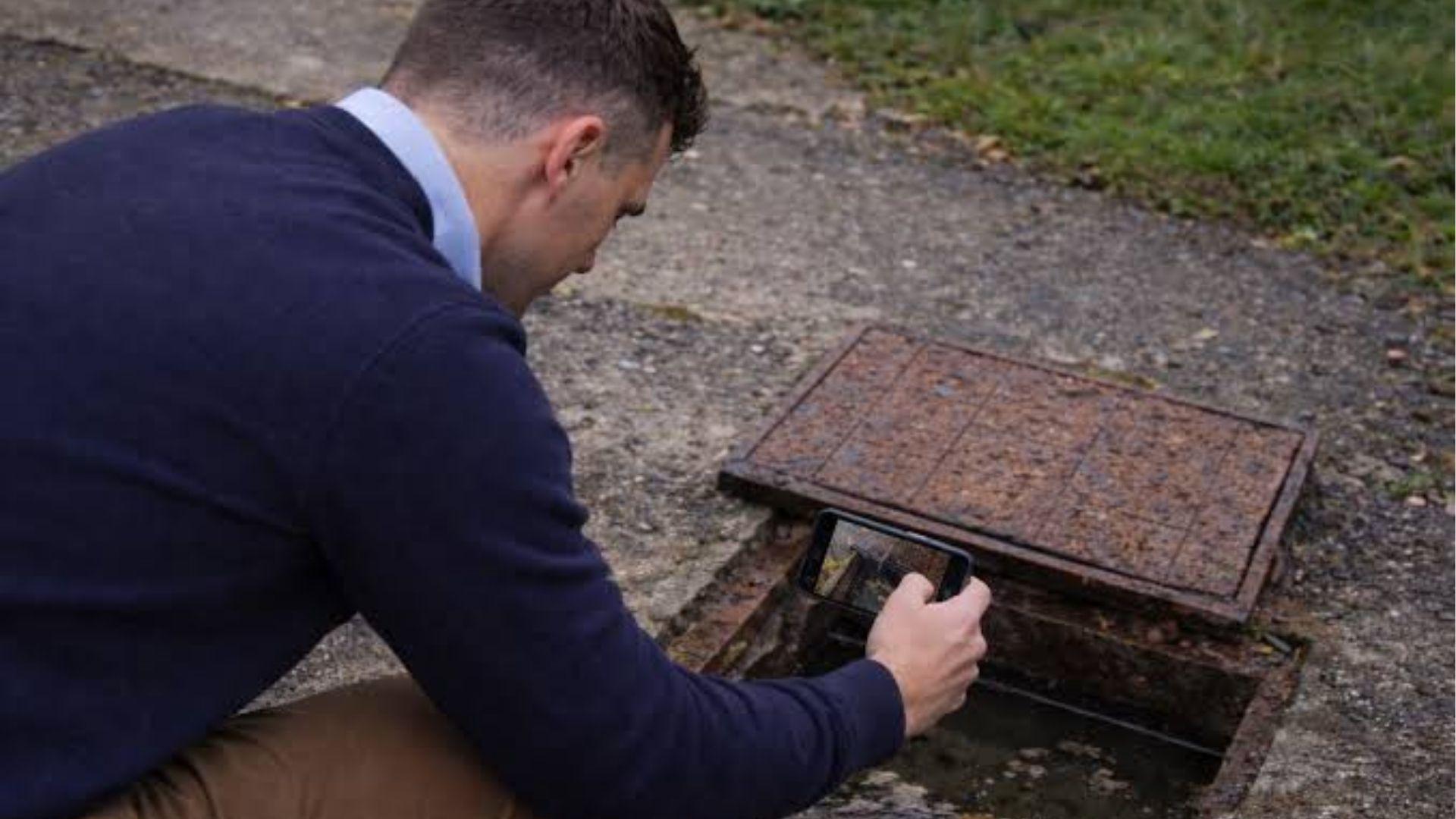
A property survey is not always required, but it is recommended or necessary in many situations. During home purchases, some lenders, title companies, or buyers may request a survey to confirm property boundaries and identify any encroachments.
It is often required for new construction to ensure buildings are placed within legal property lines. Many homeowners also get a survey before installing a fence or other permanent structures to avoid crossing into a neighbor's land.
Surveys are commonly used to resolve boundary disputes and may be requested during some refinancing transactions, depending on the lender.
In addition, local regulations or permit requirements may require a survey before certain building or land development projects can begin.
Property Survey Cost by State or Region
Property survey costs can vary significantly depending on where the property is located, local market conditions, and the type of survey required.
| Factor | How It Affects Property Survey Cost |
| Urban vs. Rural Areas | Surveys in urban areas often cost more due to higher labor rates and complex property boundaries, while rural surveys may cost less but can increase in price for large or hard-to-access properties. |
| Regional Labor Costs | Areas with higher labor and operating expenses generally have higher survey fees than regions with lower costs. |
| Permit and Local Requirements | Some cities or counties require additional permits, records, or filings, which can increase the total survey cost. |
| State Regulations | Licensing requirements, surveying standards, and legal regulations differ by state, affecting pricing and the scope of work. |
| Property Complexity | Older properties, irregular lot shapes, and land with limited records may require extra time and research, increasing costs. |
| Surveyor Availability | Regions with fewer licensed surveyors may have higher prices because of greater demand and limited availability. |
Is a Property Survey Worth the Cost?
For many property owners, a property survey is well worth the cost because it can help prevent expensive problems in the future.
A professional survey clearly identifies property lines, helping prevent boundary disputes with neighbors before they become legal issues.
It also protects your property rights by confirming what land you legally own. If you're planning a construction project, a survey helps ensure buildings, fences, or additions are placed in the correct location, reducing the risk of costly mistakes.
It can also help avoid legal issues related to encroachments or easements. For homebuyers, a recent property survey provides added confidence by confirming the property's boundaries and identifying potential concerns before closing the purchase.
How to Save Money on Property Survey Costs
A few smart steps can help reduce property survey cost without sacrificing accuracy or quality.
- Compare multiple quotes: Request estimates from several licensed surveyors before choosing one.
- Request only the survey you need: Avoid paying for services that aren't necessary for your project.
- Provide existing property documents: Share previous surveys, deeds, or plats to reduce research time.
- Schedule before peak seasons if possible: Booking during slower periods may help you find better availability and pricing.
- Ask if recent surveys can be updated: Updating an existing survey may cost less than ordering a completely new one.
What Happens If You Skip a Property Survey?
Skipping a property survey may seem like a way to save money, but it can lead to much bigger expenses later. Without a current survey, you may not know the exact location of your property boundaries, increasing the risk of boundary disputes with neighbors.
Hidden encroachments, such as fences, driveways, or buildings crossing property lines, may go unnoticed until after the purchase. If you plan to build, inaccurate boundary information can result in construction mistakes that are costly to correct.
Missing or unclear property details can also cause delays in real estate transactions, especially if lenders or buyers request a survey before closing. In some cases, unresolved property issues may even lead to unexpected legal expenses, making a survey a worthwhile investment.
Property Survey vs Property Appraisal
Although they are often confused, a property survey and a property appraisal serve very different purposes during a real estate transaction.
| Property Survey | Property Appraisal |
| Determines property boundaries | Estimates the property's market value |
| Completed by a licensed surveyor | Completed by a licensed appraiser |
| Focuses on land boundaries, dimensions, and improvements | Focuses on the home's current market value |
| Helps resolve boundary issues and identify encroachments | Helps lenders determine the property's loan value |
| Used for legal, construction, and land development purposes | Used for financing, refinancing, and property sales |
How to Choose the Right Property Surveyor
Choosing a qualified surveyor helps ensure you receive accurate results and reliable service.
- Verify licensing: Confirm the surveyor is properly licensed to work in your state.
- Check experience: Look for someone with experience handling surveys similar to your property.
- Read reviews: Review customer feedback to learn about their reliability and professionalism.
- Request a written estimate: Ask for a detailed quote that clearly explains all expected costs.
- Ask about turnaround time: Find out how long the survey will take before committing.
- Confirm what's included in the survey: Make sure you understand the services, deliverables, and any additional fees.
Conclusion
Understanding property survey cost makes it easier to plan your budget and avoid surprises later.
In my experience, spending a little time comparing surveyors and asking questions upfront can save both money and stress.
Think of it as an investment in protecting your property and your peace of mind. Choose the survey that fits your needs, and you'll feel more confident moving forward.
If you found this guide helpful, leave a comment, share it with others, or try our related real estate resources for more practical tips.
Frequently Asked Questions
Can a property survey cost more than the original estimate?
Yes. Additional work, difficult terrain, or missing property records can increase the final cost beyond the initial estimate.
Who usually pays the property survey cost?
The buyer often pays during a home purchase, but the seller, builder, or property owner may also cover the cost depending on the situation.
How long is a property survey valid?
A property survey does not have a fixed expiration date, but changes to the property or local requirements may mean you need a new or updated survey.
Can I use a previous property survey?
Possibly. If the property has not changed and the survey meets current requirements, it may still be accepted by your lender or local authority.
Does a property survey increase property value?
A survey does not directly increase your property's value, but it can help prevent disputes and provide accurate information for future transactions.