
The 5 requirements for adverse possession determine if long-term use of someone else’s land can lead to a legal ownership claim.
A neighbor who builds a fence over your property line or uses an unused strip of land for years may seem to have no real claim to it. However, under certain conditions, that use can have legal consequences.
The rules are strict, and missing even one requirement can weaken a claim. Understanding how these requirements work can help you protect your property, recognize potential boundary disputes, and assess if a claim may be valid under your state’s law.
Disclaimer: This article explains adverse possession in general terms. Time periods, tax rules, and the test for hostile use differ by state, and they change when laws are amended, so check your state’s current statute.
What Is Adverse Possession in Real Estate?
In real estate, adverse possession is a legal doctrine that lets a person gain title to land they have occupied without the owner’s permission, if they meet strict conditions for a set number of years. People often call it squatter’s rights .
The idea behind it is simple. The law favors land that is used and cared for over land that sits ignored while its owner never checks on it. It also gives old boundary problems a point where they end.
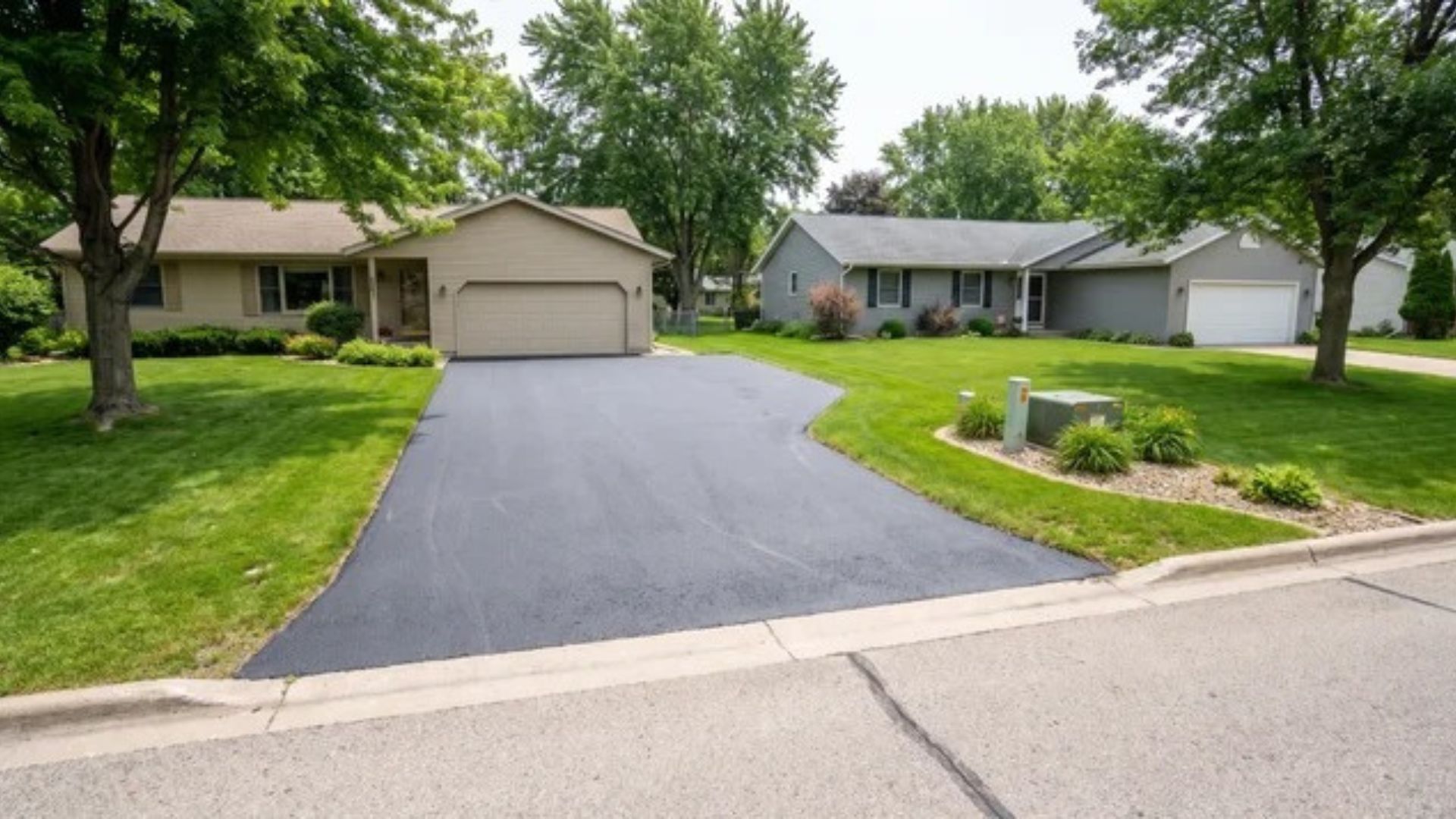
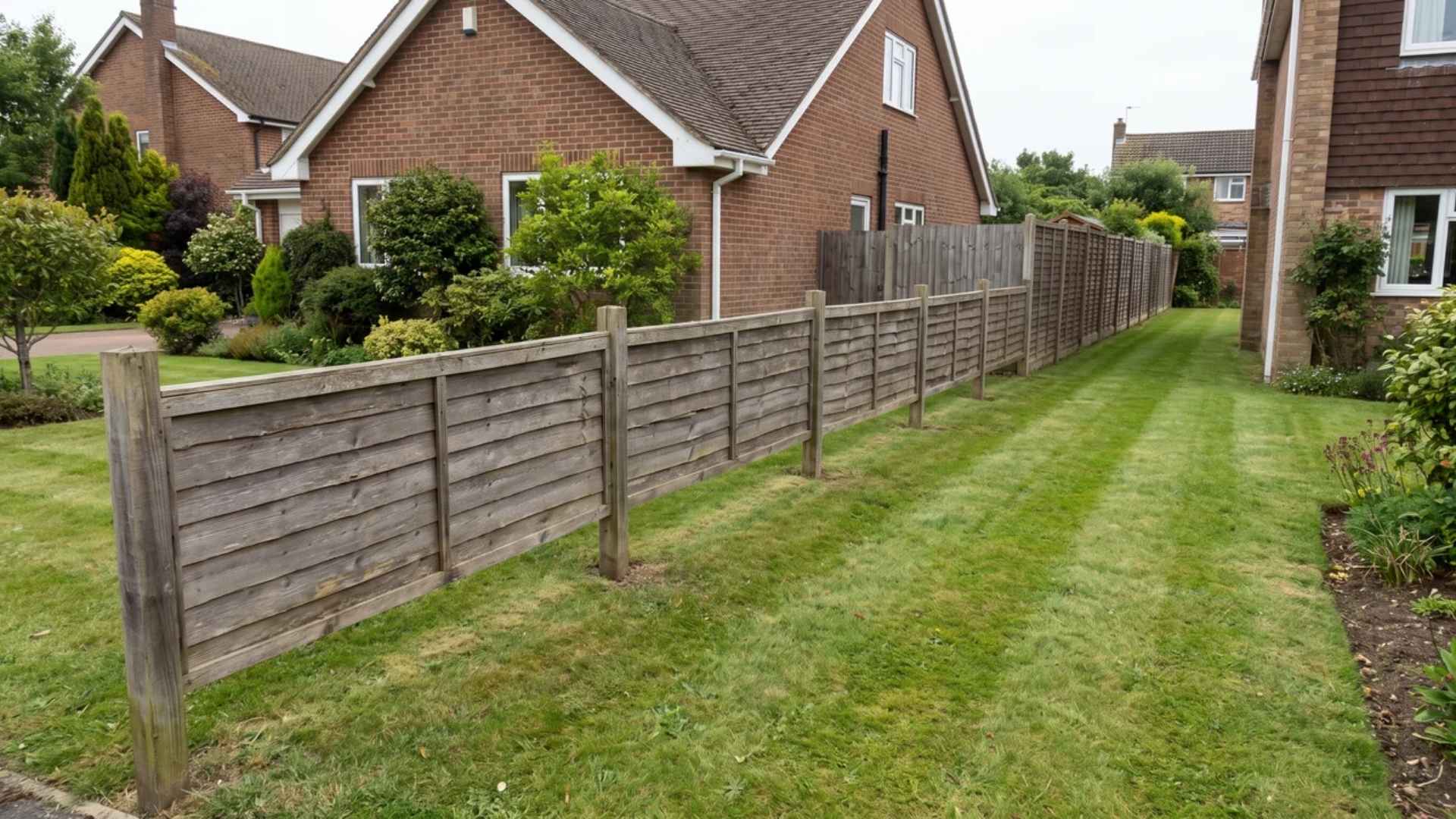
Most adverse possession real estate disputes are small. They usually involve a fence built past the property line, a driveway that crosses onto the next lot, or a garden that grew over the edge of a vacant parcel. Whole parcels can be claimed, but a few feet of ground is far more common.
What Are the 5 Requirements for Adverse Possession?

To succeed, the claimant must prove five things: actual possession, open and notorious use, hostile use, exclusive possession, and continuous possession. Some sources group these a little differently, but they cover the same ground.
1. Actual Possession
It means the claimant physically uses the land the way a true owner would. That could be fencing it, farming it, building on it, or keeping it up.
Walking across it now and then doesn’t count. A claimant needs real control, not a casual visit. That’s why mowing a strip once a summer rarely wins a claim on its own. Courts look for the kind of use an owner would show.
2. Open and Notorious
It means anyone could see the use, including the true owner. Nothing about it is hidden. The test is whether an owner paying normal attention would notice it.
A fence, a shed, or a garden makes that easy. Secret use doesn’t qualify. The owner should have had a fair chance to spot the problem.
3. Hostile (Under Claim of Right)
Hostile is the most misunderstood word on the list. It does not mean angry, rude, or aggressive.
It means the claimant is on the land without the owner’s permission. They act as if the land is theirs, which is what a claim of right refers to.
Permission changes everything. If the owner says yes, even casually, the use is no longer hostile.
A neighbor who has your okay to use a path is not building a claim.
This is also where states split. Some ask whether the claimant knew the land belonged to someone else. Others only look at how the land was used.
So a person who fenced the wrong line by honest mistake may be treated differently depending on the state. Check your state’s statute.
4. Exclusive
Exclusive means the claimant controls the land alone. They don’t share it with the true owner, the public, or other trespassers.
Think of how you treat your own yard. You decide who comes in.
Sharing the way an owner would, like inviting friends over, is fine. Letting the owner or the public use the land freely is not.
If the owner still uses the land alongside the claimant, exclusivity is hard to prove. A claim needs one person acting like the owner, not two people sharing control of the same ground.
5. Continuous and Uninterrupted
Continuous means the possession runs without major gaps for the full statutory period .
State law sets that period, and it commonly ranges from about five years to twenty or more. New York uses ten years under New York’s Real Property Actions and Proceedings Law , and Florida uses seven years under Florida Statute § 95.12 .
Some states shorten it when the claimant holds color of title . That means a deed or document that looks valid but has a flaw. Cornell’s Wex entry on adverse possession shows how much the period can vary.
Continuous doesn’t mean standing on the land every day. It means using it the way an owner of that kind of land would. But the count can reset.
That can happen if the claimant leaves for good, if the owner retakes the land or, in many states, sues to remove the claimant, or if the owner permits the claimant to stay.
Time can also carry over from one occupant to the next. This is called tacking .
If a claimant sells the property or passes it to an heir, many states let the new occupant add the earlier years to their own, as long as the two are directly connected. A break between unrelated occupants ends the chain.
Why Do the Five Requirements Have to Work Together?

It’s tempting to treat the five requirements like a checklist. Tick each box once, and you win. That’s not how a court sees it.
Think of the statutory period as a countdown. The true owner has a window to act. If the owner waits too long, they lose the right to remove the occupant.
The five requirements decide whether that countdown ever started. Each one proves something about the owner’s position.
Actual and exclusive possession show someone used the land like an owner. Because the use was open and notorious, the owner could have noticed it. Hostile use means the owner never agreed, and continuous use means the owner stayed quiet long enough.
So the real question is this: did the owner have a fair, unbroken chance to notice and act? That one idea ties all five together.
The claimant must also meet every other requirement for the entire period, not just at the end. Ten hidden years don’t become ten years of notice because the last two were visible.
Here’s a contrast. A fence built openly on day one and left alone for decades is a strong case. The same fence is a weak case if the claimant later asks the owner for permission to keep it.
The second claimant has admitted the use was allowed, so the earlier years may not count. Courts and states differ on the details.
What Does Adverse Possession Not Require?
A few common beliefs about squatter’s rights are wrong. These are the ones that mislead people most.
- Anger or force. Hostile only means the claimant has no permission.
- Time alone. Years on the land mean little if even one requirement is missing.
- Automatic ownership. Meeting the elements doesn’t change the deed by itself. The claimant usually has to file a quiet title action, which is a lawsuit asking a court to confirm who owns the land. The claimant also carries the burden of proof, and many states require clear and convincing evidence, a higher bar than most civil cases.
Each of these comes back to the same idea. The law looks at whether the owner had a fair chance to act, not at how the claimant felt.
How Do the Requirements Change by State?
The five elements show up in most states. Three things around them tend to change from place to place.
- The statutory period. It commonly runs from about five years to twenty or more, and some states shorten it with color of title.
- Property taxes. Some states add a separate rule that the claimant paid taxes on the land during the period. Florida is one of them.
- How hostility is judged. Some states look only at conduct, while others ask what the claimant believed.
The takeaway is simple. The core test travels well, but the add-ons decide real cases.
That’s why an article can’t tell you whether a specific claim works. Your state’s statute can, and statutes change when lawmakers amend them. Check the current version, as of 2026 and beyond.
If land is at stake, a local real estate attorney can read the statute against your facts. This article is general information, not legal advice.
The Bottom Line
If you came looking for the 5 requirements for adverse possession, you now have the full list. The better takeaway is the logic behind it.
Every requirement asks if the owner had a fair, unbroken chance to act. Hold onto that idea, and most claims become easier to read.
Details like time limits and taxes still change by state. Before you act on a land dispute, read your state’s statute and call a local real estate attorney.
Frequently Asked Questions
Is paying property taxes one of the requirements?
Not in every state. The five core elements apply nearly everywhere. Some states add one more condition: the claimant must have paid property taxes during the statutory period. This rule varies. Check your state’s adverse possession statute before assuming taxes do or do not matter.
Does “hostile” mean the claimant has to be aggressive?
No. Hostile means the claimant occupies the land without the owner’s permission and against the owner’s rights. No anger, confrontation, or bad intent is required. Some states also ask whether the claimant knew the land belonged to someone else. The exact test depends on the state.
How long does possession have to last?
It depends on the state. Statutory periods commonly run from about five to twenty or more years. Some states shorten the period if the claimant holds color of title, meaning a defective deed or document. The claimant must also meet every other requirement for the entire period. Not just at the end.
Can a neighbor claim my land just by mowing it?
Rarely, on mowing alone. Occasional mowing or casual use usually doesn’t show the actual, exclusive possession a true owner would have. It matters even less if the owner gave permission. Courts look at the full pattern, such as fencing, building, or steady upkeep. That use must be open and continuous for the full statutory period.