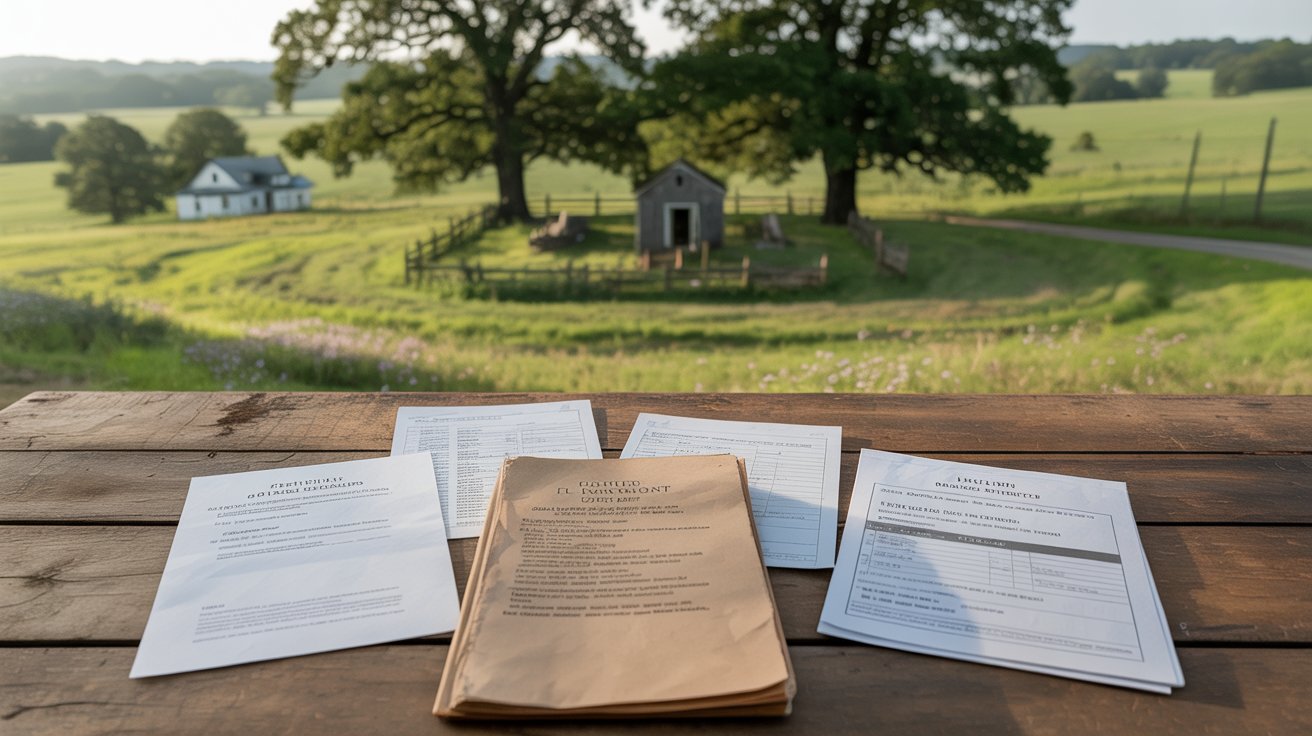
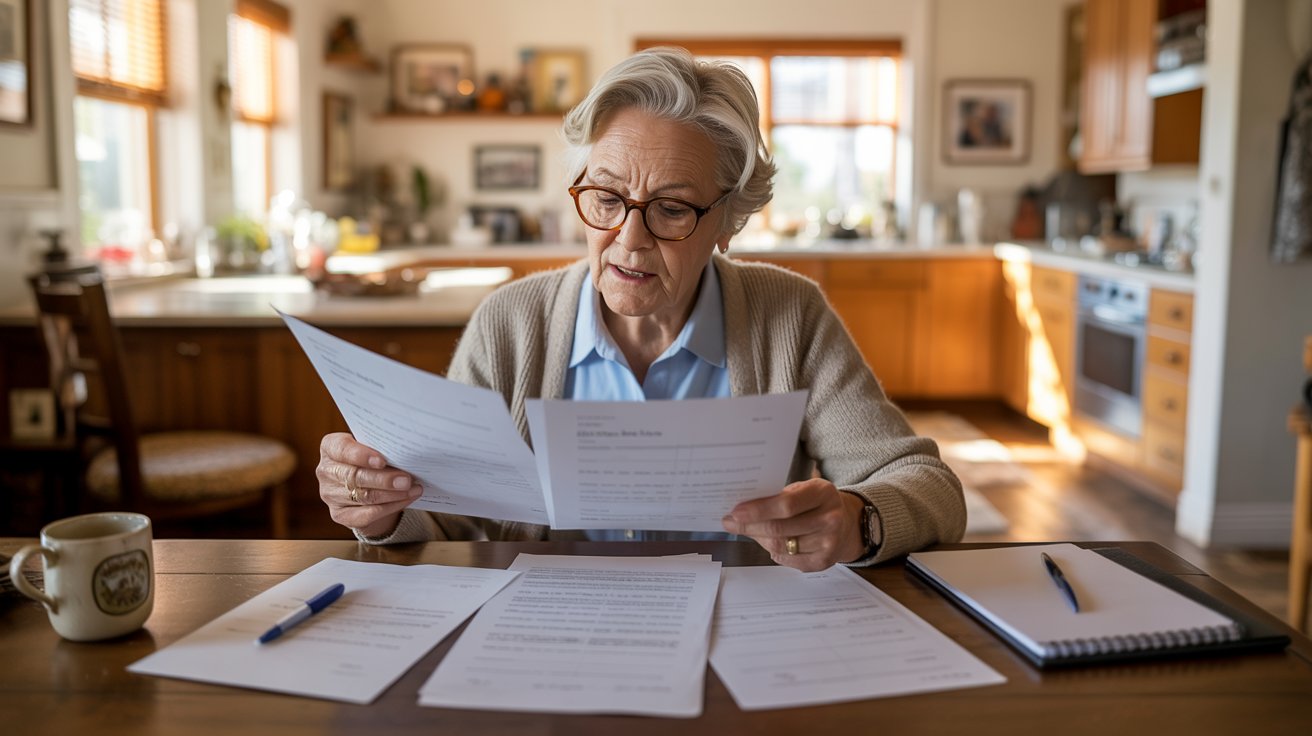
Maybe you just found out your garage sits closer to the property line than current rules allow. Or your realtor mentioned the fourplex down the street is "grandfathered in" and you have no idea what that means for your own home.
You're not alone. Grandfathered property and zoning laws confuse a lot of homeowners, buyers, and even small landlords. This guide breaks down what grandfathering actually protects, what you can and can't change, and how these rights can disappear if you're not careful.
I'll walk you through the basics, show you real examples, and give you a simple way to check your own property's status. By the end, you'll know exactly what questions to ask your local zoning office.
What Are Grandfathered Property and Zoning Laws?
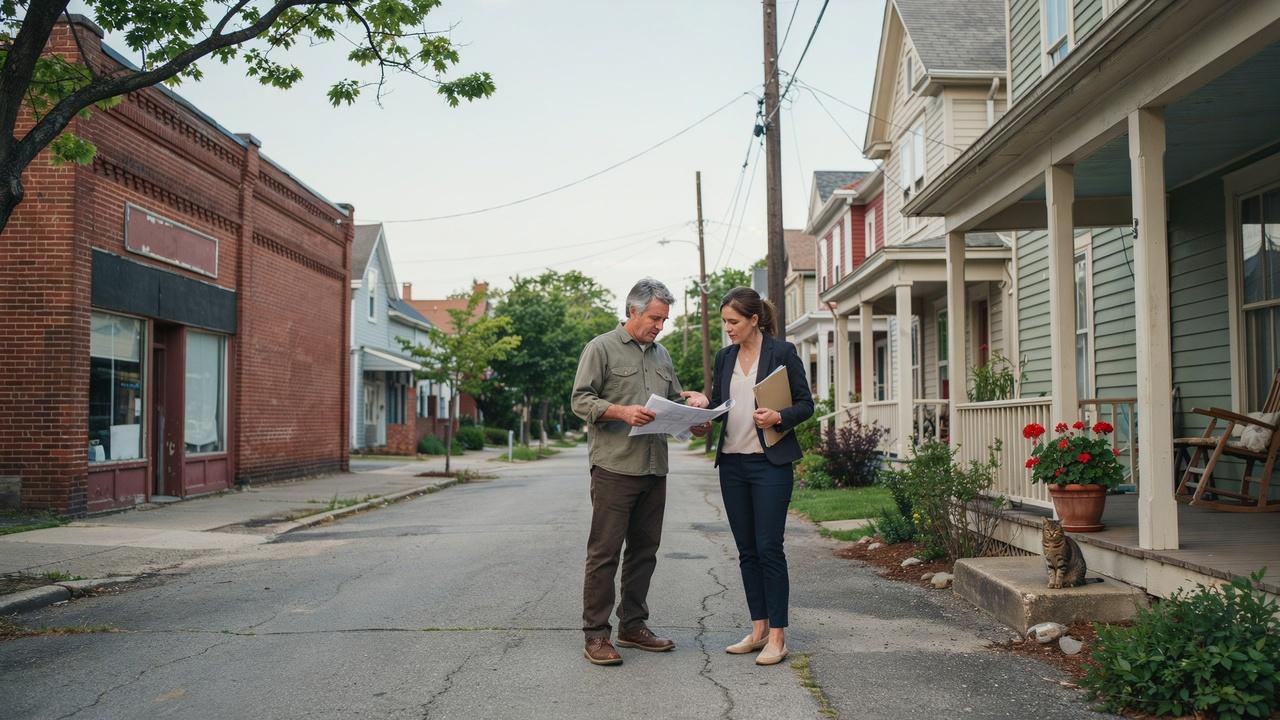
Grandfathered property and zoning laws let an older property keep using its land the way it always has, even after new zoning rules say otherwise. Say a small shop opened in a residential area years before the city rezoned that block for homes only.
The shop gets to stay open, and that's grandfathering in action. Governments protect these older legal uses because it feels unfair to punish someone who followed the rules when they built or opened their business.
The main difference between old rules and current zoning is simple. Old rules only apply to that one property, exactly as it existed. New rules apply to everything built or changed from that point forward, often as part of a new comprehensive plan the city adopts to guide future growth.
How Grandfathered Rights Work in Zoning
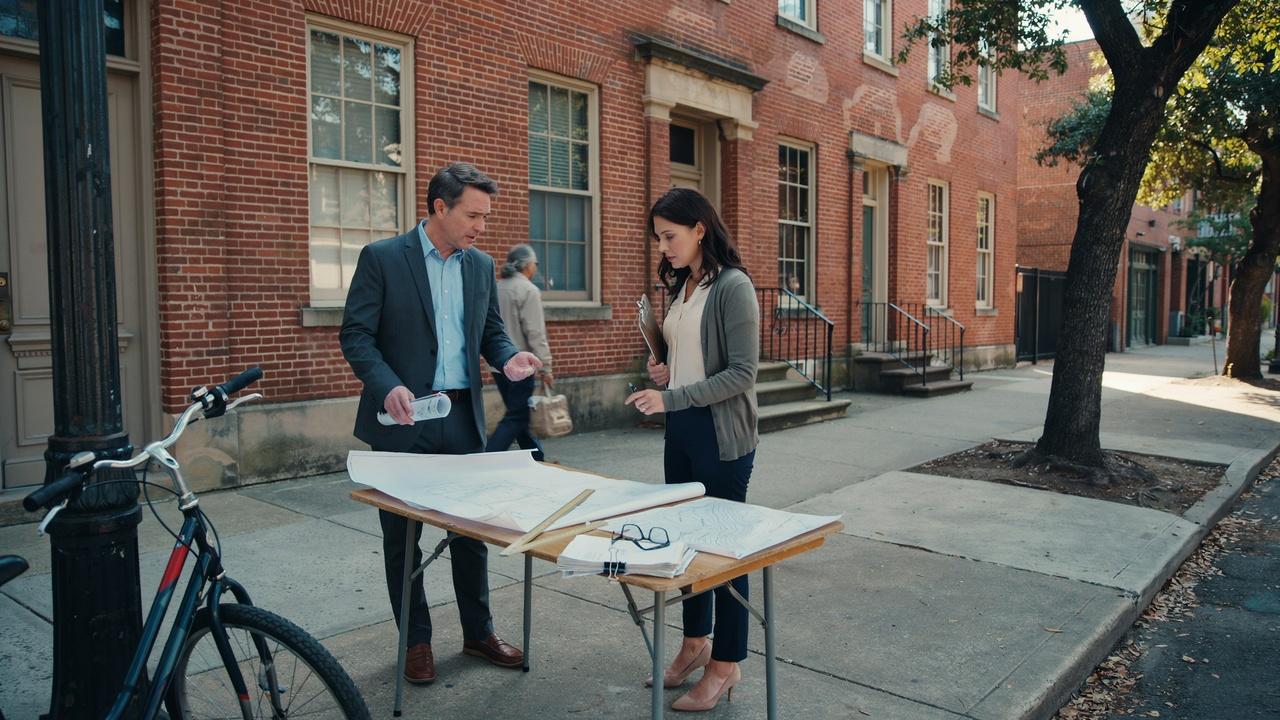
This protection has a real legal name: legal nonconforming use. It just means a property's use doesn't match today's zoning, but it's allowed to continue anyway.
Courts back this idea through what's called the vested rights doctrine, which holds that an owner who followed the rules at the time keeps that right even after the rules change.
The key requirement is timing. The use, structure, or condition had to be legal on the day it started, before the zoning changed under it.
Once that's proven, the rights usually cover the existing use of the land, the structure itself, or the specific condition that no longer fits the current rules.
Are Grandfathered Rights Automatic?

No, and this trips up a lot of owners. Just because a house or business is old doesn't mean it automatically qualifies. You have to prove the use existed before the zoning changed, and that proof has to hold up. This is where permits, old inspection records, and certificates of occupancy matter.
A title search can also help confirm exactly when a use started. Without paperwork, a city can argue your use started after the rule change, which means no protection at all. I've seen homeowners assume they were covered simply because a neighbor said so, only to find out during a sale that the county had no record of the original use.
Keep your documents; they're the only thing standing between you and a zoning violation notice.
What Does Grandfathered Status Protect?
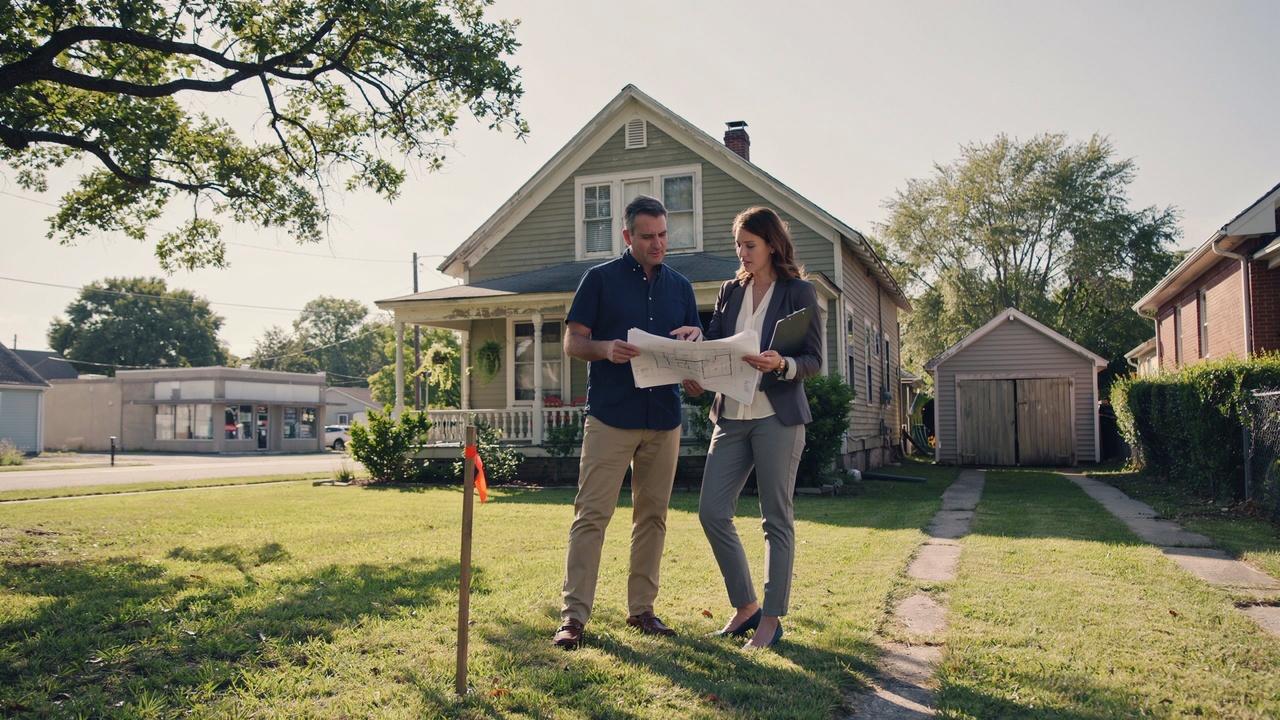
Grandfathered status typically protects the existing use of the property, meaning what it's actually being used for right now. It also protects existing structures, like a building that sits closer to the road than current setback rules allow, and setbacks and lot size requirements are common examples too.
A house built on a smaller lot than today's minimum can usually stay as is. On the commercial side, think of a small auto shop in what's now a residential zone, or a duplex sitting in a neighborhood that's since been rezoned for single-family homes only. The protection covers the property as it stood, not any future version of it.
What Changes Are Allowed on a Grandfathered Property?
You do have some room to work with, but the line is thinner than most people expect. These five kinds of work generally keep your grandfathered protection intact, as long as you stay within the original footprint and use.
- Repairs and maintenance: Fixing a roof, replacing plumbing, or repainting keeps your protection intact.
- Interior renovations: Updating a kitchen or bathroom inside the existing footprint is usually fine.
- Minor improvements:Small upgrades that don't change the use or expand the structure are generally safe.
- Permits for certain work: Even allowed changes may still need a permit, so check before you start.
- Staying within the original footprint:Anything that keeps the building's size and use the same protects your status.
Can You Renovate or Expand a Grandfathered Property?
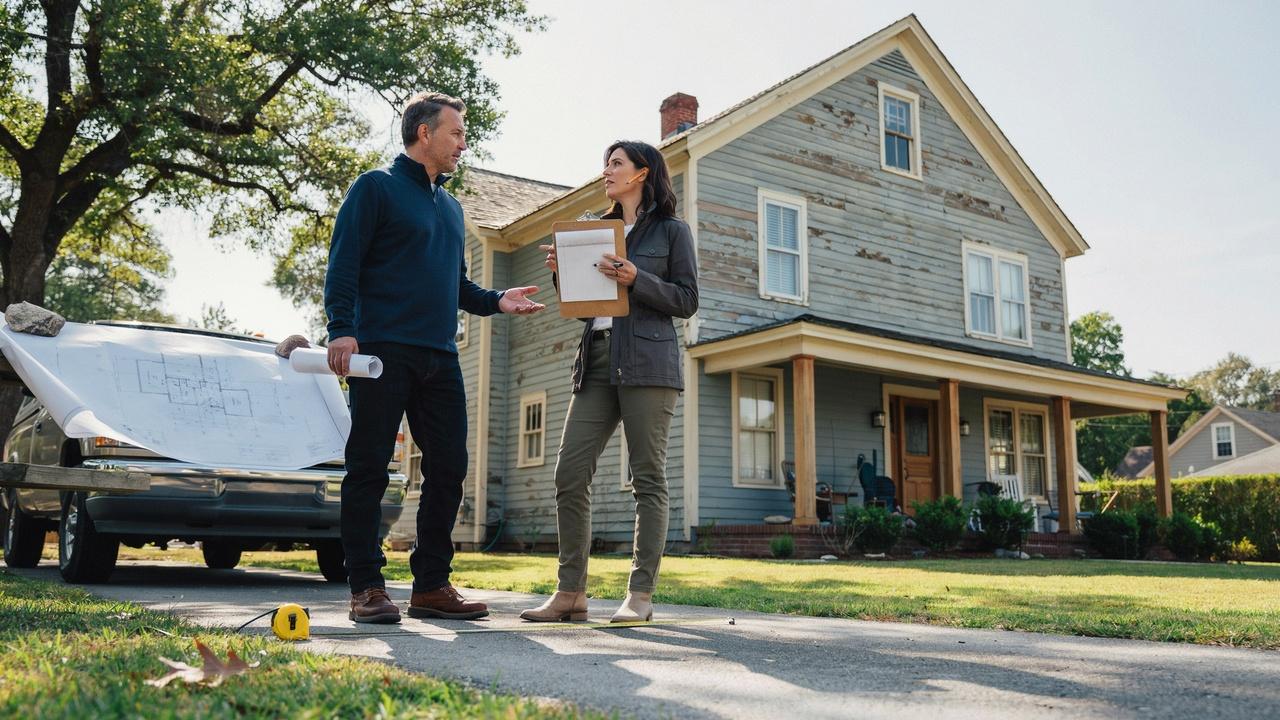
This is where things get risky. Adding a second story, extending a building's footprint, or building a new addition can trigger current zoning rules, since you're no longer just maintaining what existed before. Expanding beyond the property's original scope can put your entire grandfathered status at risk, not just the new part.
Increasing how intensely the property is used, sometimes called intensifying the use, carries the same risk. Turning a single-family rental into a multi-unit one is a good example. That kind of change almost always needs formal approval first, even if the building itself stays the same size.
Some cities also cap how much you can expand a nonconforming structure, even with a permit. Always ask your zoning office before you touch anything beyond repairs.
How Grandfathered Rights Can Be Lost
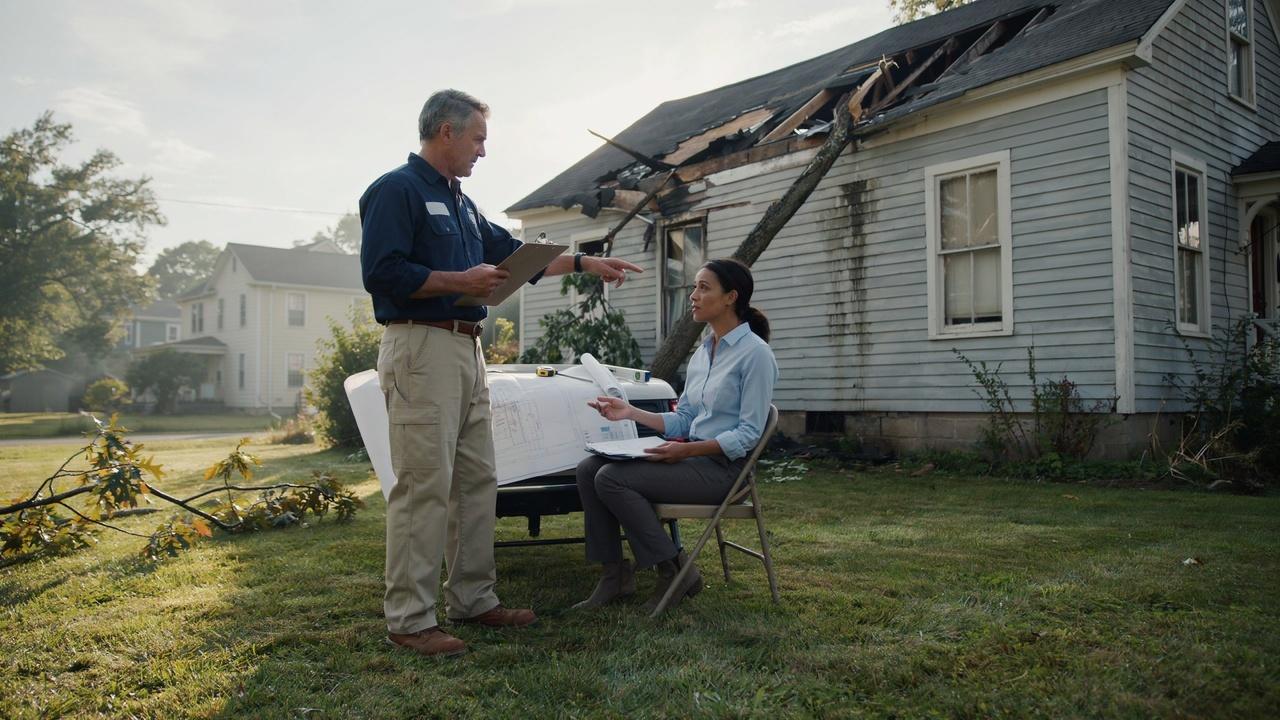
Grandfathered rights aren't permanent, and losing them is easier than people think. Abandonment is the biggest risk: stop the original use for too long, often six months to a year depending on local rules, and the protection can vanish.
Changing the use entirely, like converting a shop into an apartment, usually ends the grandfathered status for the old use. Major renovations that go beyond simple repairs can also trigger a review, and expanding or intensifying beyond what the property originally did puts your protection in jeopardy too.
Some cities also set an amortization period, which gives a nonconforming use a fixed number of years to shut down on its own, separate from abandonment. Finally, if the structure is destroyed by fire, storm, or demolition, many cities require any rebuild to follow current zoning, not the old rules. Local codes often set a destruction threshold, so if repairs would cost half or more of the building's value, you may have to rebuild to current standards.
Do Grandfathered Rights Transfer When Property Is Sold?

Good news here: grandfathered rights usually follow the property itself, not the person who owns it, so if you buy a property with legal nonconforming status, that protection typically transfers to you. The catch is you have to keep the same qualifying use going, since changing what the property is used for after buying it can cost you the protection the previous owner had.
This is exactly why verifying grandfathered status before you close on a property matters so much, and why a title search is worth the cost. A property that looks perfectly fine on a walkthrough can carry restrictions you won't find out about until you try to renovate or expand it later.
How to Check If a Property Is Grandfathered
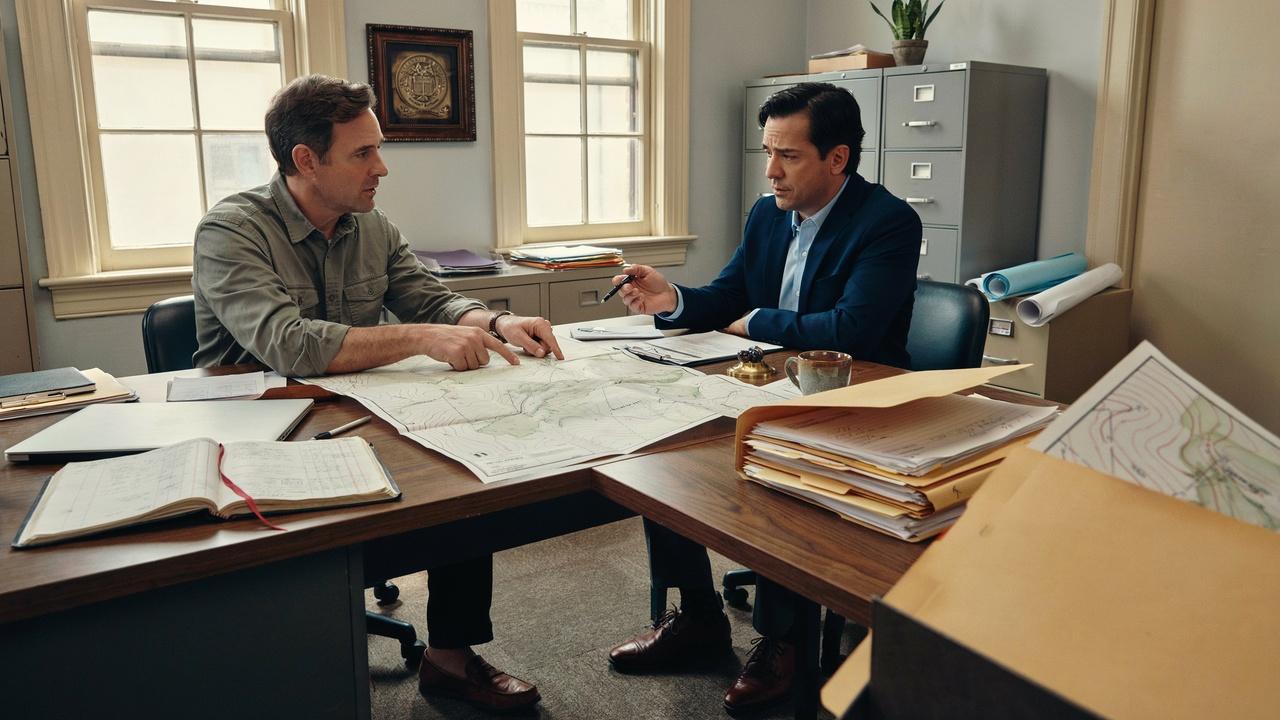
Start by contacting your local zoning department directly. They can pull the property's zoning history and tell you if it's ever been flagged as legal nonconforming. Ask to review old permits and certificates of occupancy too, since those often hold the proof you need.
Historical records, including old property surveys, a title search, or tax documents, can fill in gaps the zoning office doesn't have. It also helps to ask whether the area falls under a new comprehensive plan, since that's usually what drives a rezoning in the first place.
If your property qualifies, ask for written confirmation, not just a verbal answer. A letter or official document protects you later if the status is ever questioned, especially during a sale or when you're planning any kind of renovation.
Grandfathered Property vs Variance: What's the Difference?
People mix these up constantly, but they work in very different ways.
| Grandfathered Rights | Variance |
| Protects an existing legal use | Allows an exception to current rules |
| Based on previous compliance | Requires approval from a zoning board of appeals |
| Usually tied to the property's history | Granted through a formal application process |
Grandfathering looks backward at what already existed. A variance looks forward, asking permission for something new.
Buying a Grandfathered Property: Due Diligence Checklist
Before you sign anything, run through this list. Each item catches a different way a nonconforming property can turn into a costly surprise after closing.
- Verify legal nonconforming status: Get written confirmation from the zoning department, not just word of mouth.
- Confirm what restrictions apply: Know exactly what's protected and what isn't before you commit.
- Check abandonment rules: Ask how long the current use needs to continue to avoid losing protection.
- Review expansion possibilities: Find out if you'll ever be able to add on or grow the property's use.
- Obtain surveys, permits, and professional advice: Pull old documents, run a title search, and talk to a zoning attorney if the property is complex.
Grandfathered Property Lines vs Zoning Rights
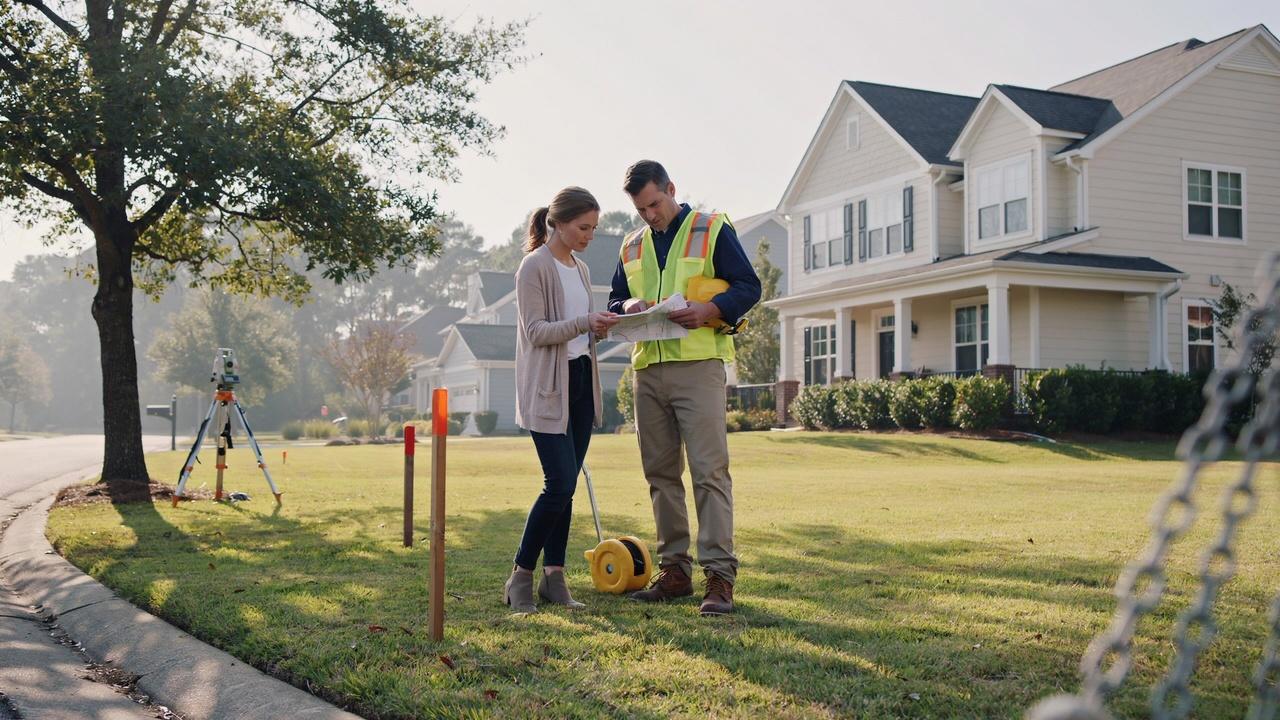
Property lines and zoning rights sound similar, but they cover different things. Property lines are about boundaries, meaning exactly where your land starts and stops based on surveys and deeds.
Zoning rights are about permitted use, covering what you're allowed to build or do on that land, plus rules like setbacks and structure limits.
Both matter before you build anything or buy a property. A lot line might be grandfathered because the lot is smaller than today's minimum size, while the zoning use on that same lot could carry its own separate grandfathered status.
In many older neighborhoods, you'll find homes where the lot itself doesn't meet current size rules, even though the house use is perfectly standard. Checking both, not just one, protects you from surprises during construction or closing.
Practical Tips for Handling a Grandfathered Property
A few habits keep your protection intact and make problems easier to fix if they come up. None of them take much time, but they matter most in the moment you least expect to need them.
- Keep every permit, inspection report, and certificate of occupancy in one folder.
- Ask your zoning office for a letter of determination confirming your status in writing.
- Avoid gaps in use, since even a temporary closure can raise abandonment questions later.
- Check local rules before any addition, since even small expansions can trigger a full review.
- Respond fast if you ever get a zoning enforcement notice, since waiting can turn a small issue into a bigger one.
- Talk to a real estate attorney before buying or selling a property with nonconforming status.
Conclusion
You've made it through the confusing part, and now you know what grandfathered property and zoning laws actually protect.
The biggest win in almost every one of these situations is the same: get everything in writing early, before you need it.
If you're buying, selling, or planning any changes, call your local zoning office first, since it saves you from surprises later. Got a grandfathered property story or question? Drop it in the comments below.
Frequently Asked Questions
Is a grandfathered property harder to sell?
Not usually, but some buyers hesitate without written proof, so lenders may ask for extra documentation before approving a loan.
Does homeowners insurance cover a grandfathered structure?
Most standard policies cover it as is, but rebuilding to current code after damage often costs more, so ask about ordinance or law coverage.
Can a city force you to give up grandfathered rights?
Rarely outright, but some jurisdictions use amortization schedules or buyout offers to phase out a nonconforming use over time.
Do grandfathered rights apply to fences and driveways, not just buildings?
Yes, any structure or feature that predates a rule change, including fences, driveways, and easements, can carry the same legal nonconforming protection.