Just inherited a house and already dreading a tax bill you don't understand?
You're not alone. Many heirs assume selling inherited property creates a huge tax bill. The rules are usually more forgiving than that, thanks to something called the stepped-up basis.
This guide walks you through the federal tax rules that apply when you sell inherited property. You'll learn how capital gains get calculated and what factors can push your tax bill up or down.
State tax laws differ too, so it's worth checking the rules where the property sits. Getting the numbers wrong can mean paying more than you owe, or running into reporting problems later.
Is Selling Inherited Property Taxable?
Yes, selling inherited property can be taxable. But the tax usually applies to the gain from the sale, not the inheritance itself.
Inheriting a property and selling it are two separate events for tax purposes. Receiving the property generally doesn't create taxable income for you as the heir.
Is inheritance taxable income? No. You don't owe federal income tax just for inheriting a house, a car, or cash. Tax only comes into play once you sell, or if the property earns income like rent before you sell it.
Once you do sell, capital gains tax may apply. It's based on the difference between the sale price and the property's cost basis.
That basis usually resets to the home's fair market value on the date the original owner died. This is the stepped-up basis rule. Because of it, many inherited properties sold soon after inheritance produce little or no taxable gain.
Some states also charge their own estate or inheritance tax on top of federal capital gains tax. Check both sets of rules, so you know the full picture.
How Capital Gains Are Calculated
The stepped-up basis resets where your gain calculation begins, but basis alone doesn't determine your tax bill. Four other numbers work alongside it, and getting any one of them wrong shifts your final figure.
Fair Market Value at Inheritance
Your basis usually changes to the property's fair market value on the date the original owner died. This is the stepped-up basis rule, and it often shrinks your taxable gain compared to using the original purchase price.
If the home appreciated for decades before you inherited it, this step-up can make a real difference. A professional appraisal done around the time of death is what documents this value for the IRS.
Selling Price
Your selling price is the final amount the buyer pays, before you subtract any selling expenses. It's the starting point for your gain calculation.
Selling Expenses
Real estate commissions, certain closing costs, and legal fees tied to the sale can all reduce your taxable gain. Keep the closing statement from your sale.
It itemizes every fee separately, which makes it easy to pull out exactly what qualifies when you file.
Improvements and Adjusted Basis
You can add the cost of qualifying capital improvements made after you inherited the property to your adjusted basis. This lowers your taxable gain.
Keep your receipts and records. If the IRS ever questions your numbers years down the line, this documentation is what backs you up.
Real estate commissions are negotiable and vary by market, but on a $400,000 home, even a modest commission rate translates to thousands of dollars off your taxable gain before you factor in closing costs or legal fees.
Factors That Affect Your Tax Bill

A handful of factors can shift your final tax number, sometimes by a lot. Here's what typically moves the needle.
Holding Period
Inherited property automatically gets long-term capital gains treatment. This applies no matter how long you personally owned it before selling.
Sell within weeks of inheriting and you still qualify for the lower long-term rate instead of the higher short-term one. That can meaningfully cut what you owe.
The long-term capital gains tax rate isn't a flat number; it depends on your taxable income for the year you sell. For most people it falls into one of three brackets: 0%, 15%, or 20%.
Single filers with a taxable income under roughly $47,000 (or joint filers under about $94,000) may owe nothing on the gain. Most middle-income sellers pay 15%. The 20% rate kicks in only at higher income thresholds, above roughly $518,000 for single filers in 2025.
If you're selling in a lower-income year; recently retired, between jobs, or spreading income across tax years, it's worth checking whether you fall into the 0% bracket before assuming you owe.
Selling Inherited Property With Multiple Owners
Selling inherited property with multiple owners works a little differently than selling it alone. Each co-heir reports gain or loss based on their individual ownership percentage. Tax liability follows the ownership share recorded on the title or deed, not an even split you assumed informally.
If one co-owner wants to sell and another doesn't, you generally have two paths forward. One heir can buy out the others' shares directly. Or, if no agreement is reached, any co-owner can typically request a court-ordered partition sale.
Before you go that route, confirm exactly how ownership was documented. The deed determines each person's basis and gain, not a verbal family understanding. Coordinating with co-heirs before listing helps everyone report consistent figures and avoids mismatches if the IRS ever compares filings across siblings.
Residential vs. Commercial Property
Commercial property can involve extra tax rules that residential homes don't deal with, like depreciation recapture. If you inherited a rental or commercial building, plan for this added complexity early.
Depreciation recapture on commercial property is taxed at a flat 25% federal rate, separate from and often higher than your capital gains rate, so the tax math is meaningfully different from a residential sale.
Local Tax Laws
Some states charge inheritance tax, estate tax, or transfer tax on top of federal rules. These vary widely by state.
Check the requirements where the property is located early in the process. Don't assume federal rules are the only ones that apply.
How to Reduce What You Owe
Several legitimate ways can lower your taxable gain. Most come down to knowing which costs and adjustments you can claim.
Eligible Selling Expenses
Real estate commissions, certain closing costs, and legal fees tied directly to the sale reduce the selling price before you calculate your gain.
Say a home sells for $400,000 with $24,000 in commissions and closing costs. Your taxable gain starts at $376,000, not $400,000.
Capital Improvements Made After Inheritance
Improvements made after you inherited the property increase your adjusted basis. That reduces your gain dollar for dollar.
A new roof, a kitchen renovation, or an added structure all qualify if you document them. Routine repairs and maintenance generally don't count. Keep your receipts and contractor invoices.
The Home Sale Tax Exclusion
If you move into the inherited property and make it your primary residence, you may qualify for the home sale tax exclusion. You generally need to have owned and lived in the home for two of the five years before the sale.
Meet that threshold, and you can exclude up to $250,000 of gain from federal tax, or $500,000 if you're married and filing jointly. This stacks on top of your stepped-up basis and can wipe out the taxable gain entirely.
Working With a Qualified Tax Professional
A tax professional can confirm your correct stepped-up basis, flag every deduction you qualify for, and walk you through state-specific rules. On higher-value properties, this advice usually saves far more than it costs.
Small errors on expensive properties add up fast, and they're costly to fix after the fact.
Legal Steps Before You Sell
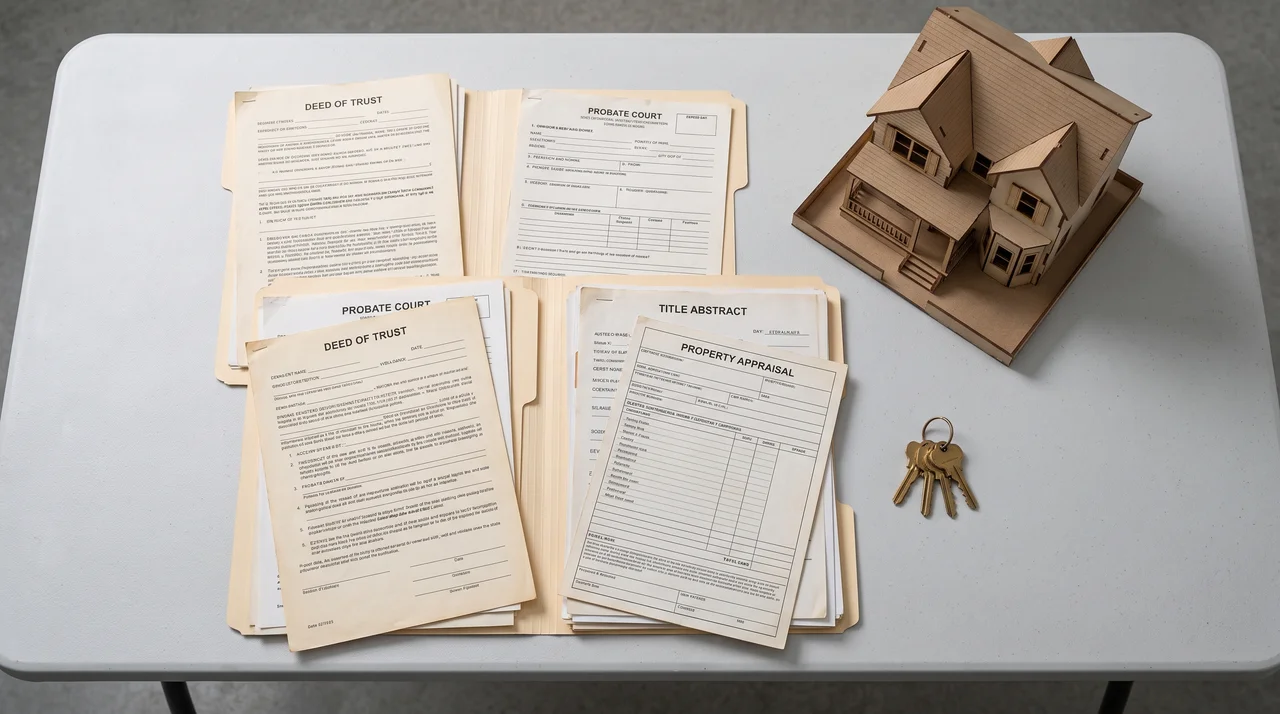
Before you can close a sale, a few legal steps usually need to happen first. Skip one, and you risk delays or title problems.
Transferring Ownership Through Probate
You generally need to transfer ownership through probate, or an equivalent process, before you have legal authority to sell. How long this takes depends on your state, how the property was titled, and whether a will exists.
Some transfers move quickly through a trust or joint ownership setup. Others require a full probate proceeding that can take months.
Confirming the Title Is Clear
A title search surfaces liens, unresolved claims, or errors in the chain of ownership. Order this review before you list the property, not after.
Problems caught early are far less disruptive than problems discovered mid-sale.
Getting a Professional Appraisal
A professional appraisal establishes the property's fair market value on the date you inherited it. This figure becomes your stepped-up basis, so accuracy matters.
An informal estimate creates risk if the IRS later questions your basis. A licensed appraiser's documentation protects you.
Gathering Required Legal Documents
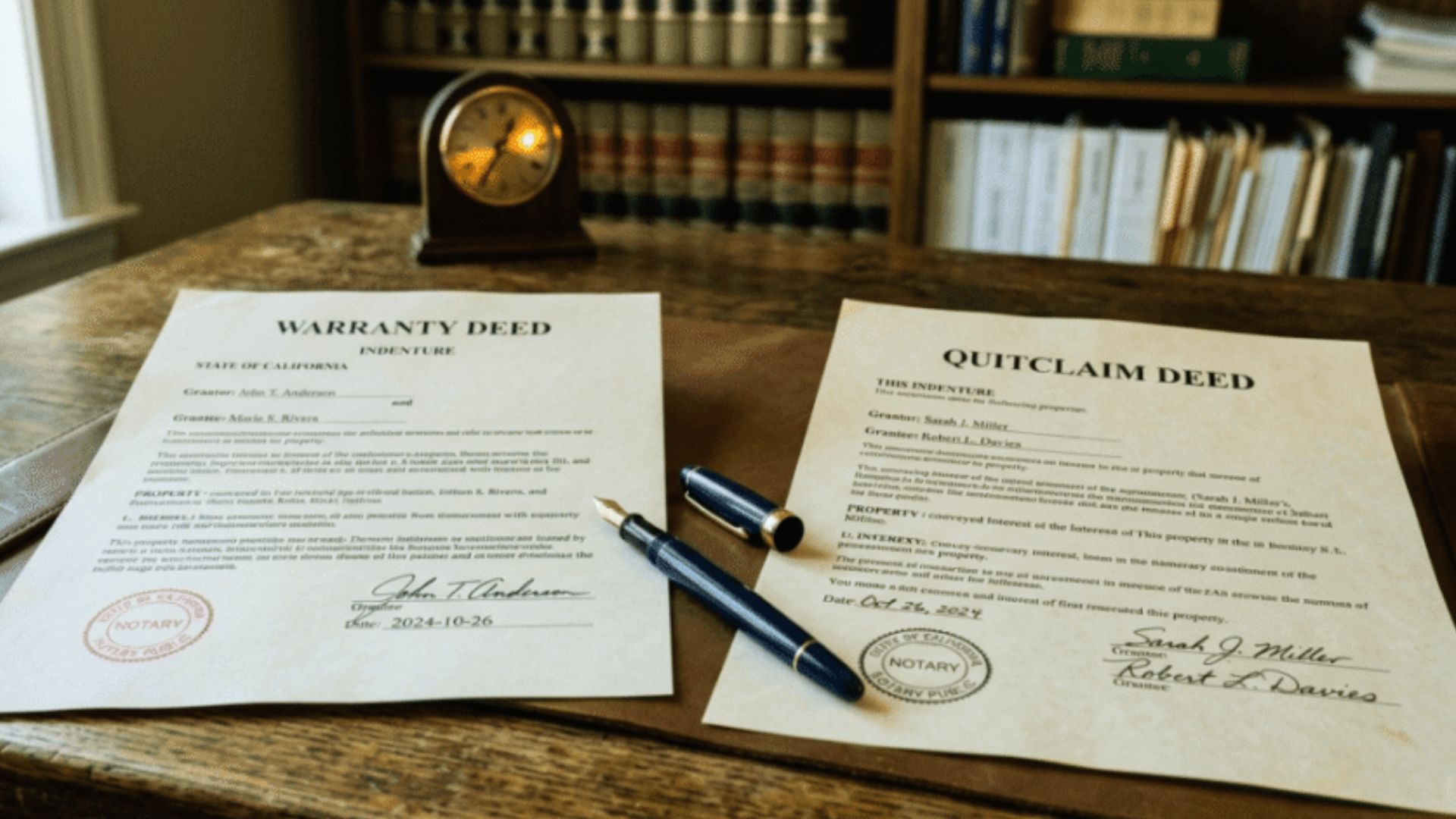
Depending on your state, you may need an executor's deed, affidavit of heirship, letters testamentary, or similar paperwork proving your authority to sell.
A real estate attorney familiar with estate transactions can tell you exactly which documents apply where the property is located.
How to Report the Sale to the IRS
Selling inherited property requires reporting the transaction on your federal tax return for the year the sale closes.
You'll use IRS Form 8949 to report the details: your stepped-up basis, the sale price, and the net gain or loss after subtracting selling expenses. That information then flows to Schedule D, which totals your capital gains and losses for the year.
Both forms attach to your standard Form 1040. If you worked with a real estate attorney or CPA on the sale, they can prepare these. If you're filing on your own, the closing statement from the sale and your appraisal documentation are the two records you'll need to complete them accurately.
Common Mistakes to Avoid
A few recurring mistakes can raise your tax bill, delay your sale, or create reporting headaches down the road.
Treating inherited property as automatically tax-free to sell. The inheritance itself isn't taxed as income, but the gain from selling usually is. Mixing these two up catches a lot of heirs off guard after closing.
Using the original purchase price instead of the stepped-up basis. This overstates your gain significantly. If a parent bought a home for $80,000 decades ago and it's worth $350,000 at death, your basis is $350,000, not $80,000.
Leaving eligible selling expenses on the table. Commissions, certain closing costs, and legal fees tied to the sale all reduce your gain. These get overlooked often, especially without professional guidance.
Not checking state taxes. Federal rules get most of the attention, but several states tax inherited property or its sale separately. Ignoring these rules doesn't make them disappear.
Skipping the paper trail. An appraisal at the time of inheritance, receipts for improvements, and closing documents from the sale are the minimum you should hold onto. Without them, you can't defend your numbers if the IRS asks.
A Simple Example of How the Numbers Work
Say a parent bought a home for $90,000. At the time of their death, the home is worth $375,000. That $375,000 becomes your stepped-up basis.
You sell the home for $400,000 and pay $22,000 in commissions and closing costs. Here's how that breaks down:
- Sale price: $400,000
- Less selling expenses: $22,000
- Net proceeds: $378,000
- Less stepped-up basis: $375,000
- Taxable gain: $3,000
You'd owe capital gains tax on $3,000, not on the $310,000 gap between the original purchase price and the sale price. That's what the stepped-up basis rule does for you in practice, and it's why most heirs owe far less than they expect.
Wrapping Up
The stepped-up basis is the single most important thing to understand before you sell inherited property. It's what separates the actual tax bill from the much bigger one most heirs fear.
Your final number still depends on how much the property appreciated since you inherited it, which expenses and improvements you can deduct, and what your state charges on top of federal rules.
Start with a professional appraisal to document fair market value at the time of inheritance. Then confirm your adjusted basis and available deductions with a CPA before you list. These two steps alone prevent most of the costly mistakes heirs make.
A CPA familiar with estate transactions can walk through your specific numbers and flag anything here that applies differently to your situation.
Frequently Asked Questions
Is inheritance taxable income?
No, not at the federal level. You don't owe income tax just for inheriting property, cash, or other assets. Tax only applies later, once you sell the property for more than its stepped-up basis, or if it generates income like rent before the sale.
Does selling an inherited property out of state change how it's taxed?
Yes. The state where the property is located may charge its own transfer or capital gains rules, separate from your state of residence.
Can inherited property be sold before probate is fully complete?
Sometimes, depending on your state. Most sales still require at least partial court approval or executor authority before closing.
Is there a time limit for selling inherited property to avoid extra taxes?
No strict federal deadline exists. Selling sooner usually keeps the sale price closer to your stepped-up basis, which limits potential gain.
Do heirs need to file anything with the IRS just for inheriting property?
Typically, no special filing is required at inheritance itself. Large estates may need separate estate tax filings, usually handled by the executor.
How is capital gains tax split when inherited property has multiple owners?
Each co-owner's tax liability follows their recorded ownership share, not an automatic even split. If owners disagree on selling, options usually include one heir buying out the others or a court-ordered partition sale.