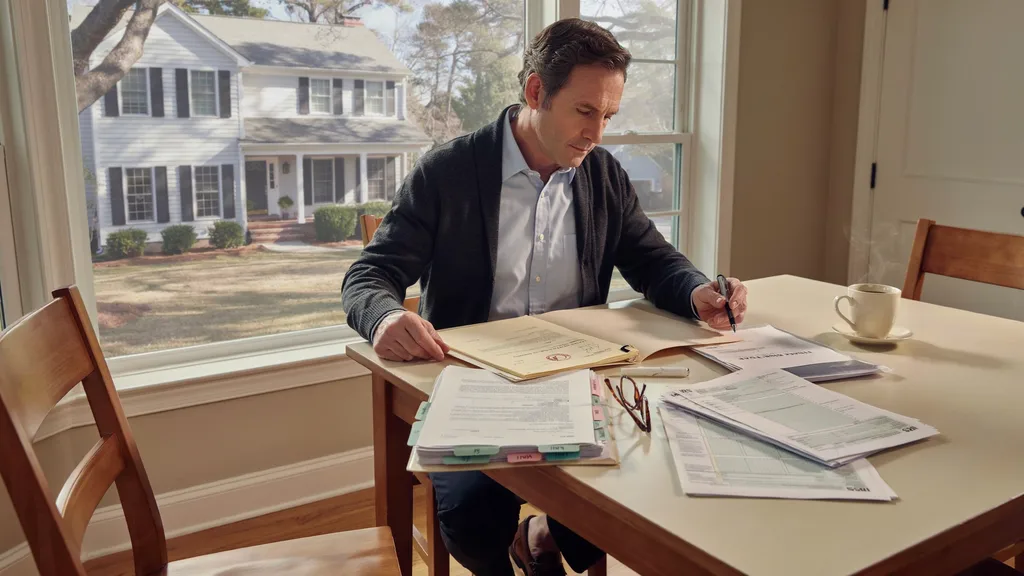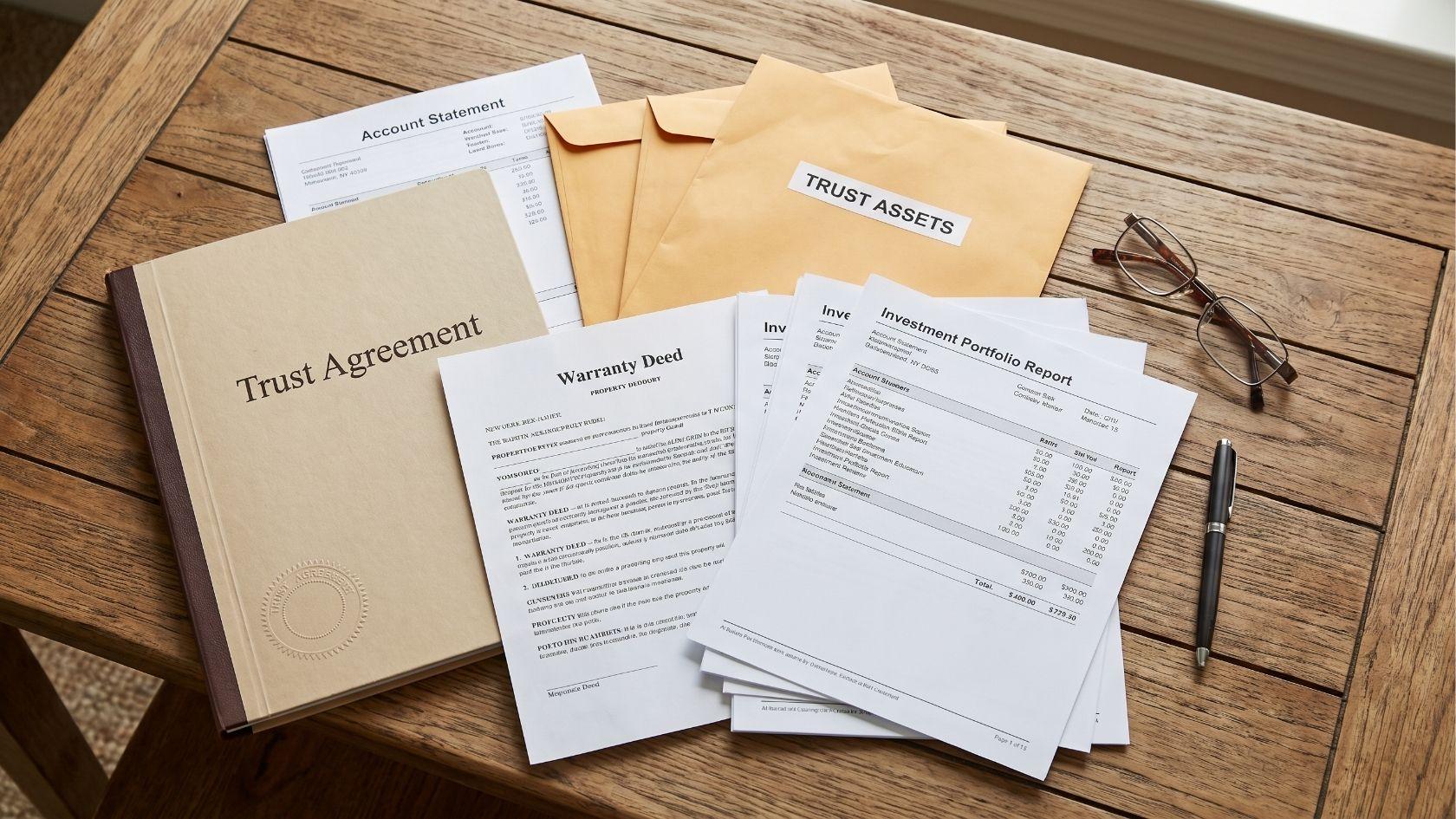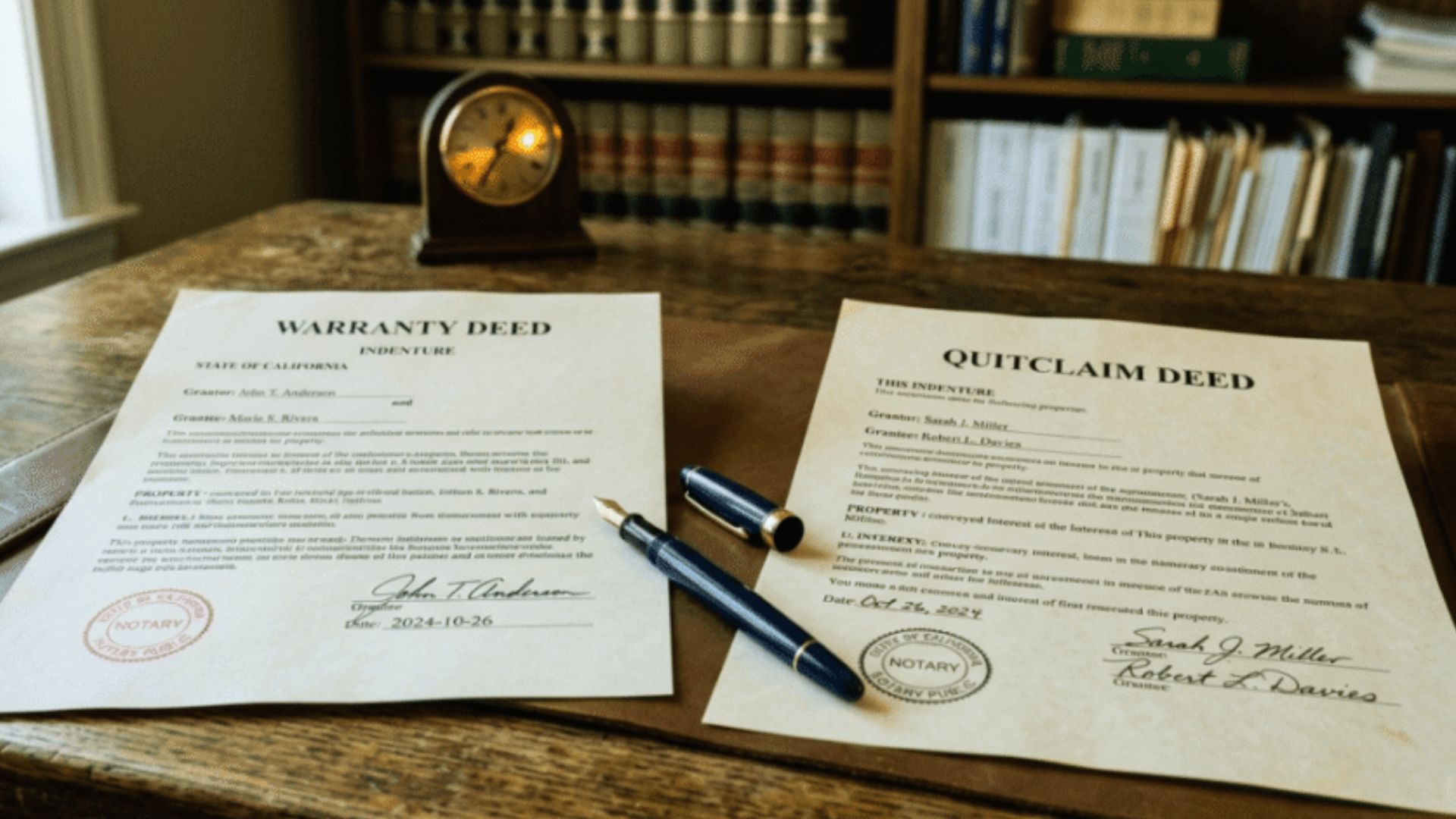


Putting a house into a trust does not freeze it in place. If a property is in a trust, it can be sold, and the process is often more straightforward than people expect.
The part that trips people up is not the sale itself. It is not knowing who actually controls it, what the trust document permits, and whether the type of trust changes the rules.
Get any of those wrong, and the title company will stop the closing cold. The answer depends on a few specific details that rarely get checked until a sale is already underway..
What those details are, and how they affect the outcome, is where things get interesting.
Who Has the Legal Right to Sell Trust Property
When a property sits inside a trust, the sale does not work the way most people assume.
How the Trustee Signs at Closing
The trustee is the only person with legal authority to sell trust property. Not the beneficiaries. Not the person who created the trust, unless they are also the trustee.
At closing, the signature line cannot simply read "Jane Doe." It must read "Jane Doe, Trustee of the Jane Doe Revocable Living Trust." That exact wording matters. Get it wrong and the title company flags it.
If the original trustee has died or stepped down, the successor trustee takes over but must first prove their authority using the trust document.
What the Title Company Will Ask For
The title company needs to confirm the person signing the deed actually has the right to do so. With trust property, that means one extra step.
They will ask for a certification of trust, the full trust agreement, or both. The certification is the cleaner option; it confirms the trust exists and names the trustee without exposing private financial terms.
They will also check that the property is titled in the trust's name. If the deed still shows the grantor's personal name, a corrective deed is needed before the sale can move forward.
If the trust document cannot be located or was never properly recorded, an attorney will need to petition the court to establish trustee authority.. a process that can add weeks to the timeline.
This is rare but worth knowing before assuming the document is somewhere in a filing cabinet.
Can a Trustee Sell Without Beneficiary Approval
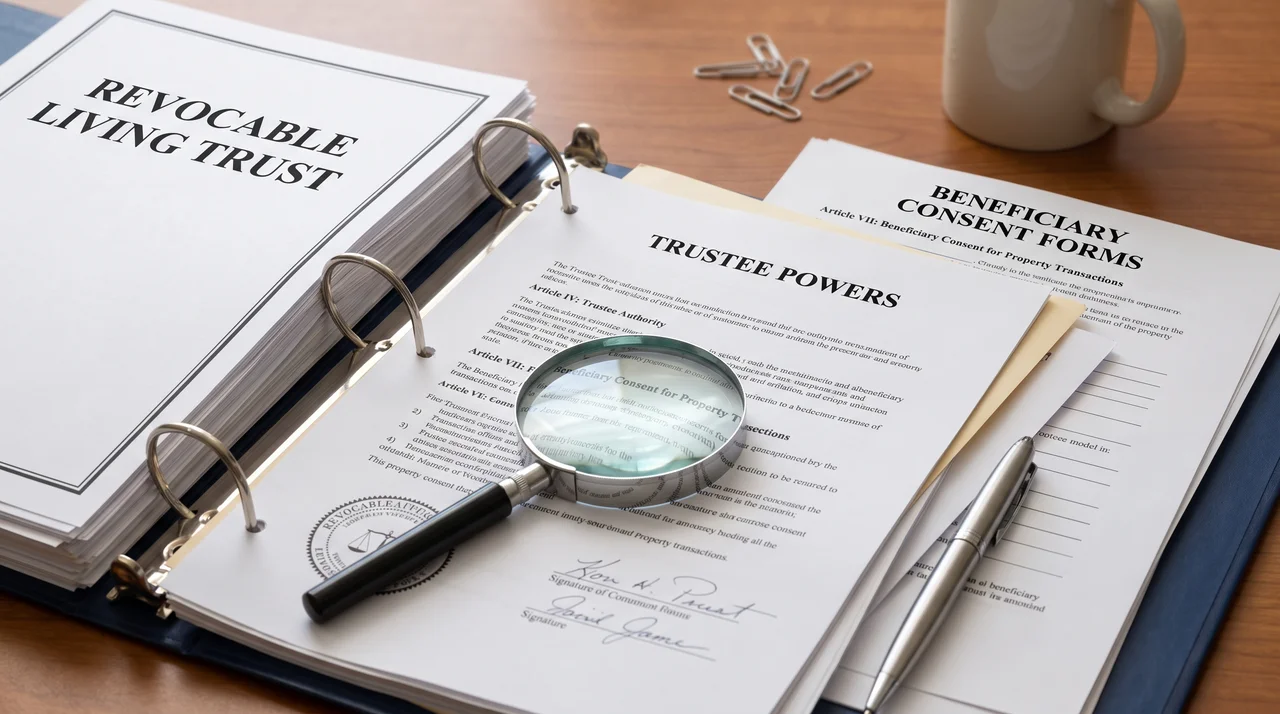
The answer is usually yes but the trust document is the only place that tells you for certain.
When Consent Is Required
In most revocable trusts, the trustee does not need beneficiary approval to sell. The trust document grants them that authority outright.
That is by design. Waiting for multiple beneficiaries to agree on every decision would make the trust nearly impossible to administer.
Irrevocable trusts are different. The document may require written consent from some or all beneficiaries before a sale can proceed.
This is more common when the trust was set up to protect a specific asset, such as a family home, rather than simply to hold wealth.
Even when consent is not required, the trustee still carries a fiduciary duty. They must act in the best interest of the beneficiaries at all times.
Selling below market value, rushing a sale to benefit themselves, or ignoring a reasonable offer without cause can all constitute a breach of that duty.
What Happens If a Beneficiary Objects
A beneficiary who disagrees with a sale has limited but real options. They cannot block the sale on their own.
But they can file a formal objection with the court, which can pause the transaction while a judge reviews whether the trustee acted properly.
Courts will typically look at whether the trustee followed the trust document, sold at fair market value, and acted without a conflict of interest. If the trustee did all of that, the objection is unlikely to succeed.
The more practical risk is delay. Once a formal objection is filed, the court typically schedules a hearing, which can take four to twelve weeks depending on the jurisdiction.
During that time, the sale cannot close. Buyers on a timeline walk. The trust continues paying property taxes, insurance, and maintenance throughout.
Trustees who communicate openly with beneficiaries before listing a property avoid most of these disputes before they start.
Revocable vs Irrevocable: How Trust Type Changes the Sale
The type of trust determines how much control you have, how the IRS treats the sale, and how complicated the process gets.
| Factor | Revocable Trust | Irrevocable Trust |
| Who controls the sale | Trustee – often the grantor themselves | Trustee – but bound strictly by the trust document |
| Can the grantor sell freely | Yes, with minimal friction | No, the grantor gave up that control when the trust was created |
| Beneficiary consent needed | Rarely required | Often required, depending on the trust document |
| IRS tax treatment | Trust is invisible to the IRS; treated as the grantor's personal asset | Trust is a separate tax entity the grantor's personal tax benefits do not automatically apply |
| Section 121 capital gains exclusion | Applies if the grantor meets the two-year ownership and use requirement | Does not apply in most cases the trust pays capital gains at trust tax rates |
| Step-up in basis at death | Property receives a stepped-up basis when the grantor dies, reducing capital gains for heirs | No step-up in basis under IRS Revenue Ruling 2023-2 – heirs inherit the original purchase price |
| Proceeds after sale | Can be distributed to the grantor or beneficiaries per the trust terms | Must stay inside the trust in most cases to preserve the trust's legal protections |
| Complexity at closing | Low – standard certification of trust usually sufficient | Higher – trust document review often required, consent may need to be documented |
| Flexibility to change terms | Full flexibility while the grantor is alive | None terms are fixed at creation |
What About Testamentary Trusts
A testamentary trust does not exist while the grantor is alive. The will creates it, and it only takes effect after death.
How the Sale Process Works
Once the trust activates, the named trustee gets the same authority to sell as any other trustee. They still sign as "Trustee," and the title company still asks for proof of that role.
The difference shows up earlier in the process. There is no years-long trust history or existing bank account to check, since the trust never operated while the grantor was alive. The trustee's authority traces back to the will itself.
Why It Often Moves Faster
Testamentary trusts usually come with fewer competing interests. The will already spelled out who gets what, so beneficiaries have less room to argue over the sale.
One thing can slow it down. Probate has to reach the right stage before the trustee can act, and that step adds time even when the sale itself is simple.
Tax Rules When a Trust Sells Property
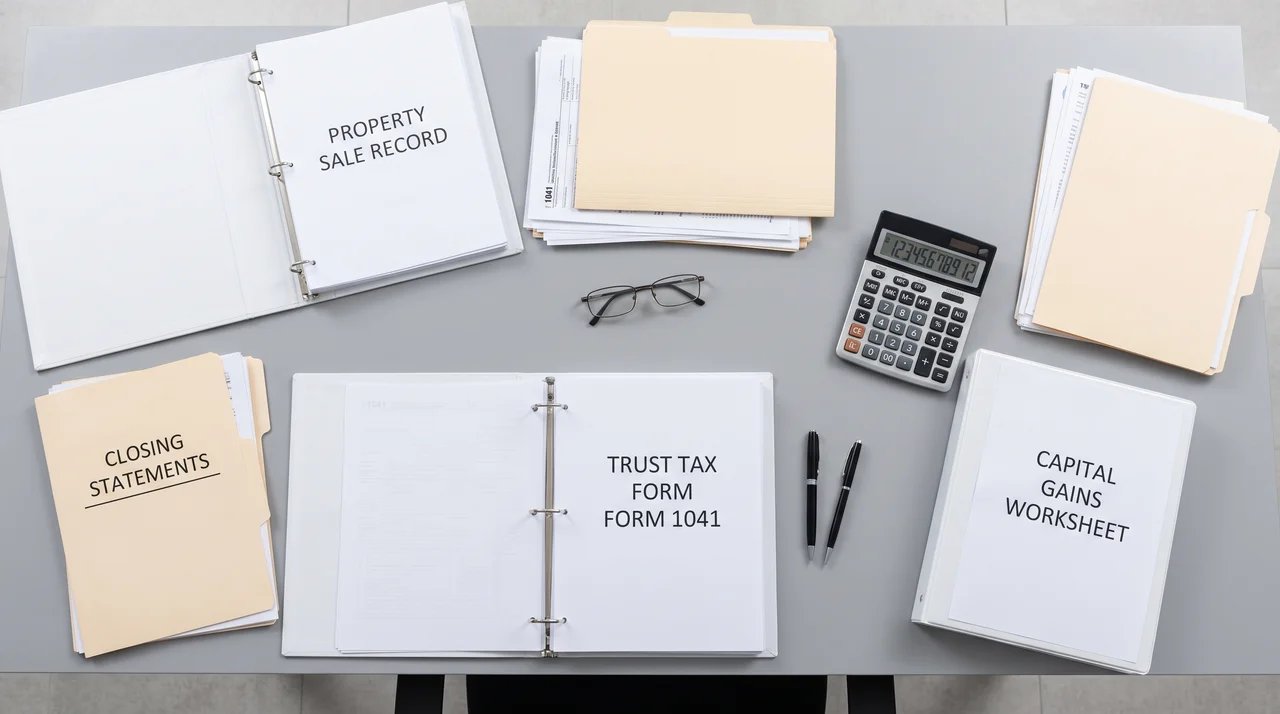
A trust sale does not automatically create extra tax complexity. Whether it does depends entirely on the type of trust.
The Capital Gains Exclusion and Why It Still Applies
Selling a home usually triggers capital gains tax. But federal law lets homeowners exclude up to $250,000 of that gain if single, or $500,000 if married filing jointly.
For a revocable living trust, this exclusion still applies. The IRS uses grantor trust status, meaning it treats you and the trust as the same entity.
The sale goes on your personal tax return. The Section 121 exclusion applies exactly as it would if you owned the home outright.
Irrevocable trusts are different. The trust pays capital gains at trust tax rates, which reach 37 percent once taxable income exceeds $15,650 (2024 threshold); a ceiling that most property sales will clear.
What Happens to the Sale Proceeds
In a revocable trust, the trustee has flexibility. Proceeds can go to the grantor, stay inside the trust, or fund another asset purchase.
Proceeds from a trust sale cannot go straight into the trustee's personal account. They have to be made payable to the trust and deposited into the trust's own bank account first.
From there, the trustee distributes according to the trust document. If a beneficiary receives money from that distribution, they may owe tax on it, depending on how the trust is structured.
This catches people off guard. A beneficiary can assume the trust already paid any tax owed, but that is not always the case. Checking with a tax professional before distribution avoids a surprise bill later.
In an irrevocable trust, the money typically must stay inside the trust. Pulling it out can undo the legal protections the trust was built to provide.
The step-up in basis is worth addressing before the sale closes. Property passing through a revocable trust at death gets a new cost basis at current market value.
Irrevocable trusts do not get this reset under IRS Revenue Ruling 2023-2, which can mean a significant tax bill later.
How to Actually Sell a Property in a Trust
The authority questions matter, but most sellers get stuck on the practical steps. Here is how the process runs from decision to closing.
1. Pull the trust document and read it.
Before anything else, locate the full trust agreement. Confirm the trustee's name, verify that the trust grants authority to sell real property, and check whether beneficiary consent is required. Do not assume, the document is the only source of truth.
2. Confirm the property is titled in the trust's name.
Run a title search or pull the recorded deed. If the property is still in the grantor's personal name, a corrective deed must be filed before the sale can move forward. This is one of the most common delays in trust sales.
3. Get a professional appraisal.
An appraisal sets the fair market value before you list. It protects the trustee if a beneficiary later questions the sale price, and most title companies expect one on file for trust sales.
4. Obtain a certification of trust.
Most title companies will accept a certification of trust in place of the full trust document. This confirms the trust exists, names the trustee, and affirms their authority to sell without disclosing the financial details inside the trust. Have this ready before listing.
5. List and accept an offer as trustee.
The trustee signs the listing agreement and any purchase contract in their trustee capacity. Contracts signed in a personal name rather than trustee capacity can create title issues.
6. Notify beneficiaries if required.
If the trust document requires notice or consent before a sale, send written notice to all required parties and document it. Even when consent is not required, proactive communication prevents objections that can delay closing.
7. Sign the deed correctly at closing.
The deed must be signed exactly as: "[Name], Trustee of the [Trust Name]." The title company will verify this language matches the trust records before issuing title insurance.
8. Distribute or retain proceeds per the trust terms.
After closing, the trustee follows the trust document on what happens to the money. In a revocable trust, it can go to the grantor or stay in trust. In an irrevocable trust, it typically must remain inside the trust.
Selling Trust Property After the Original Trustee Dies
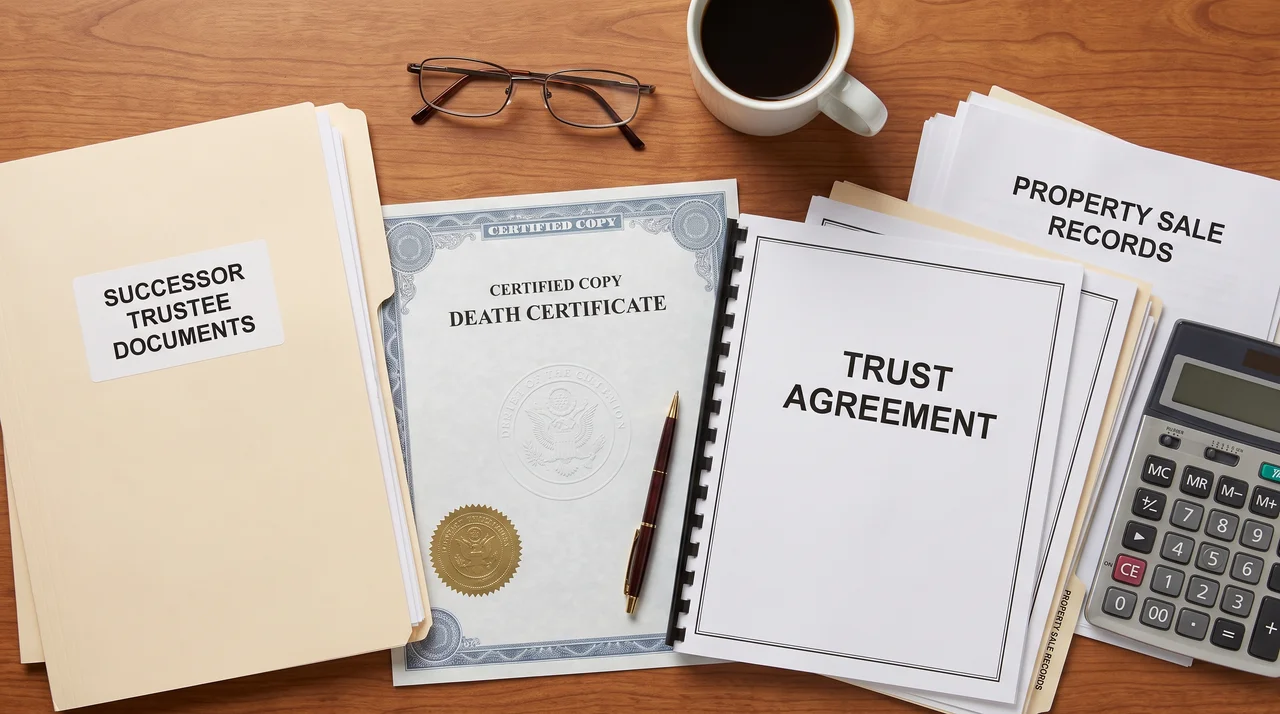
When the original trustee dies, the property does not get stuck. The trust document names a successor trustee for exactly this reason, and that person steps into the role with the same legal authority to sell.
The process at closing is nearly identical, with one added requirement the successor trustee must prove their authority before the title company will proceed. That means providing the section of the trust document that names them, along with a death certificate for the original trustee. Most title companies and buyers will request certified copies, so it's worth ordering at least five to ten in advance.
In a revocable trust, if the grantor and trustee were the same person, their death also changes the trust's tax status it is no longer treated as the grantor's personal asset, and the probate timeline, proceeds handling, and tax treatment that come with selling a house in a trust after death can shift depending on when the sale happens and how the trust was structured. The successor trustee should speak with a tax professional before listing the property.
Final Verdict
If a property is in a trust, it can be sold, and in most cases, the process is cleaner than people expect once you understand who holds the authority and what the trust document actually permits.
The type of trust matters more than most people realise, especially when tax treatment and proceeds distribution come into play.
Getting the right documents ready before listing saves time and prevents closing delays that catch sellers off guard.
Working with an estate attorney before listing the property takes most of the uncertainty off the table, especially when the trust is irrevocable or the trustee has recently changed.
Frequently Asked Questions
Can a Beneficiary Force the Trustee to Sell Trust Property?
Generally no. A beneficiary can petition the court, but the trustee controls the sale unless the trust document specifically grants beneficiaries that power.
Can Two Trustees Disagree and Block a Sale?
Yes. When a trust has co-trustees, most trust documents require unanimous agreement. One trustee disagreeing can legally halt the process until resolved.
Is a Real Estate Agent Required to Sell Trust Property?
No. A trustee can sell without an agent. However, using one helps establish fair market value, which protects the trustee from fiduciary duty disputes later.
Can Trust Property Be Sold to a Family Member?
Yes, but it carries risk. The trustee must sell at fair market value. Selling below that price to a relative can be treated as a breach of fiduciary duty.