

You found a house you like, and the loan process is moving. Then someone mentions an inspection, and you wonder if it’s part of the deal.
So, is a home inspection required for a mortgage? Not by most lenders. But here’s the part that surprises people.
Your lender and you are checking two different things. One is protecting a loan. The other is protecting you. Mixing them up is where buyers get tripped up. Once that clicks, the rules make sense.
Disclaimer: Lender, FHA, and VA requirements change and differ by lender and state. This article isn’t legal or financial advice, so confirm what applies to your loan with your lender or a real estate attorney before you waive or skip an inspection.
Is a Home Inspection Required to Get a Mortgage?
No. Most lenders don't require a general home inspection to approve your loan.
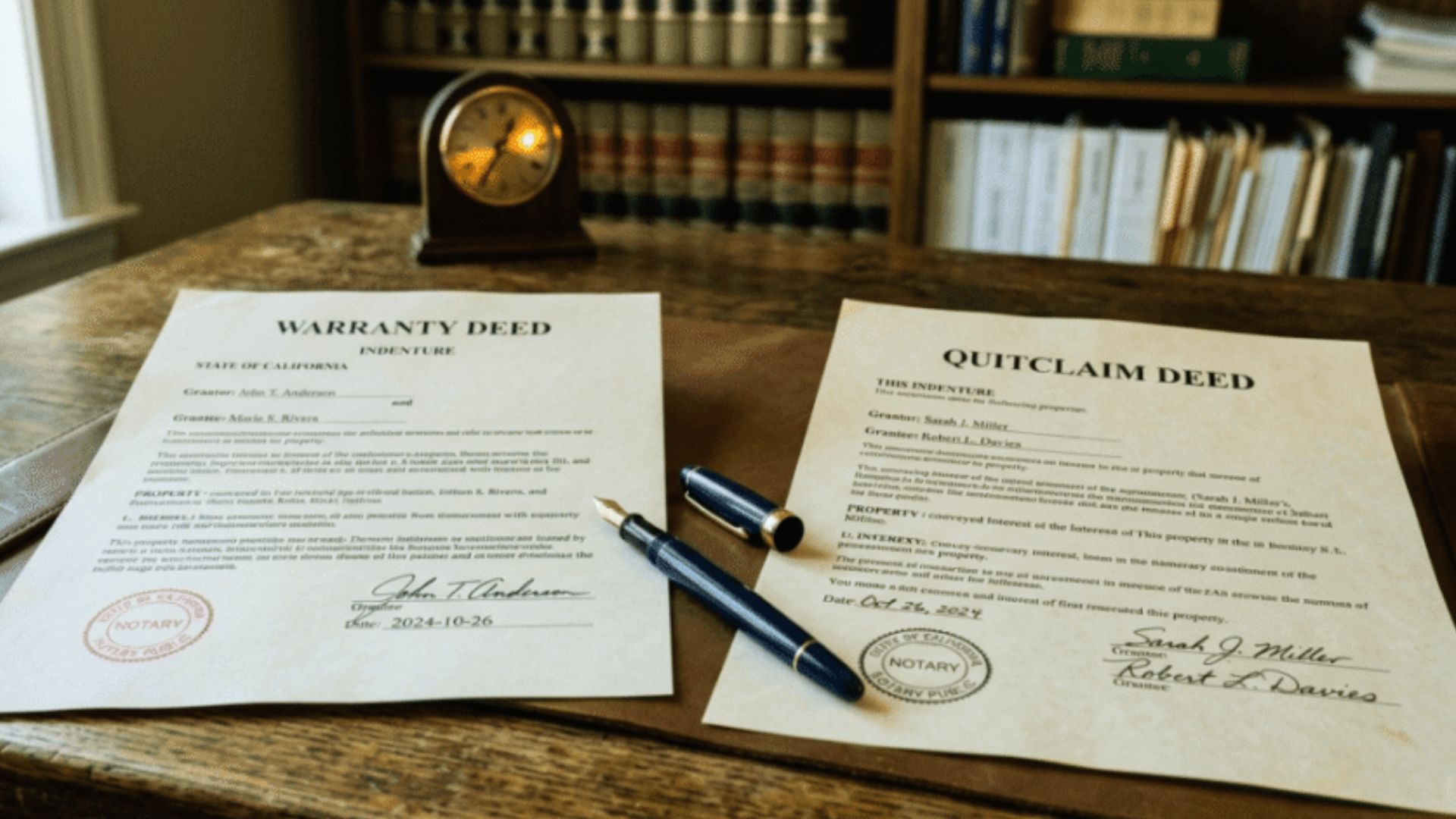
What they do require is an appraisal. It's a separate review, and buyers mix the two up all the time.
You order and pay for the inspection yourself. A lender can approve your loan without ever seeing a report on the roof, the pipes, or the wiring. That part is left to you.
There are exceptions. They depend on your loan program, the type of property, and what the appraisal finds.
Why Do Lenders Require an Appraisal but Not an Inspection?
The home is the lender's collateral. If you stop paying, the lender sells it to get the money back.
So the lender needs to know the home is worth at least what you're borrowing. That's what an appraisal does. An appraiser estimates market value by comparing the home to similar recent sales.
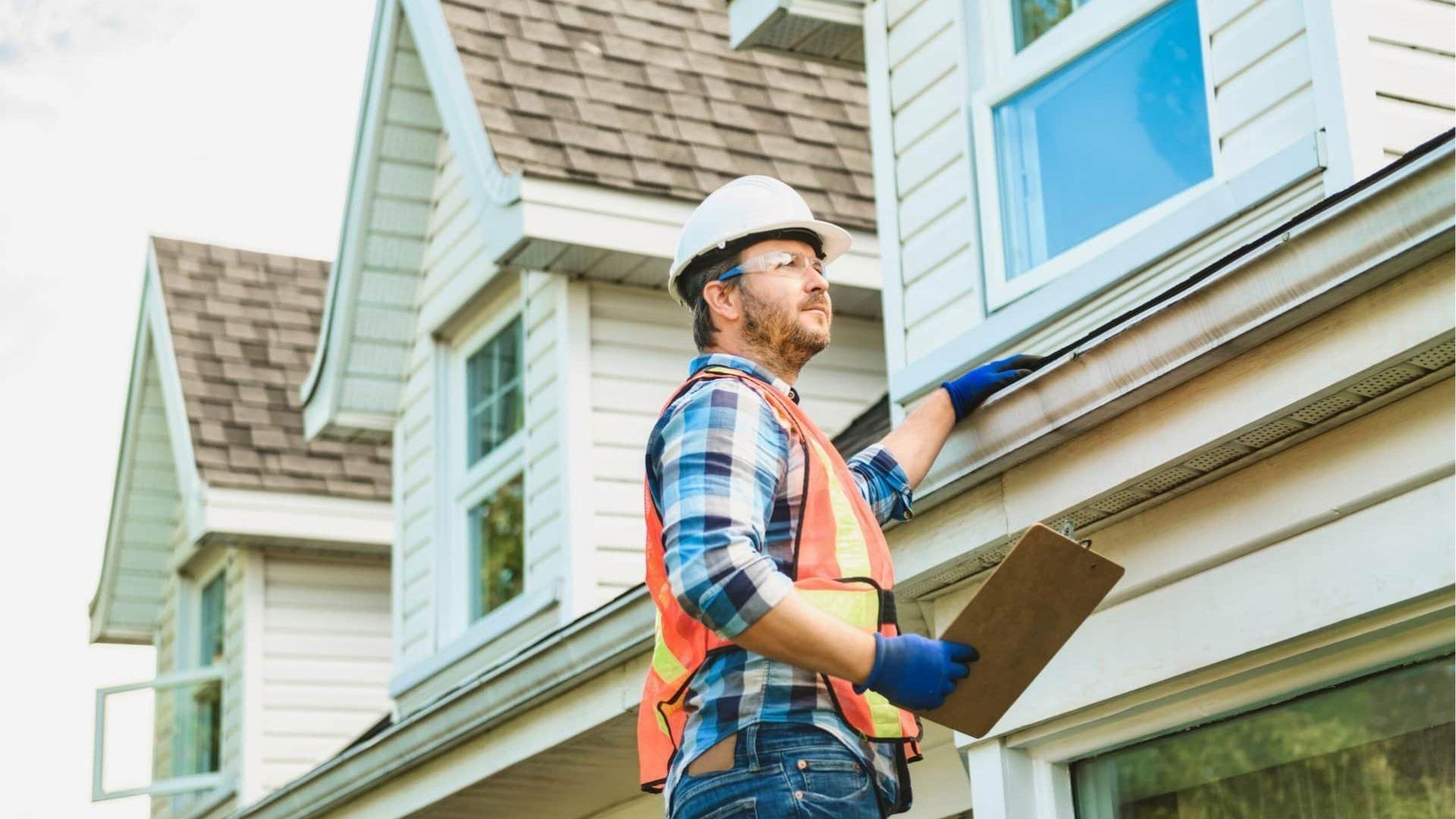
An inspection asks a different question: what shape is this house in? An inspector checks the roof, foundation, plumbing, electrical, and HVAC. The report is written for you.
Here's the contrast that matters. Value follows the market and nearby sales. Condition follows age, upkeep, and what's hiding behind the walls.
A tired house in a hot market can appraise high. A well-kept house in a slow market can appraise low.
That's where the appraisal falls short as a safety check. A home can appraise at full price and still have a leaking roof or a failing furnace. In many states, sellers must also disclose known material facts, but that rarely covers everything an inspector would find.
The lender is fine with that, because the value still covers the loan. You're the one holding the repair bill.
I've seen buyers treat a clean appraisal like a thumbs-up on the house. It isn't. It tells you the price holds up, and nothing about the condition.
When Can a Lender Still Require an Inspection or Repairs?
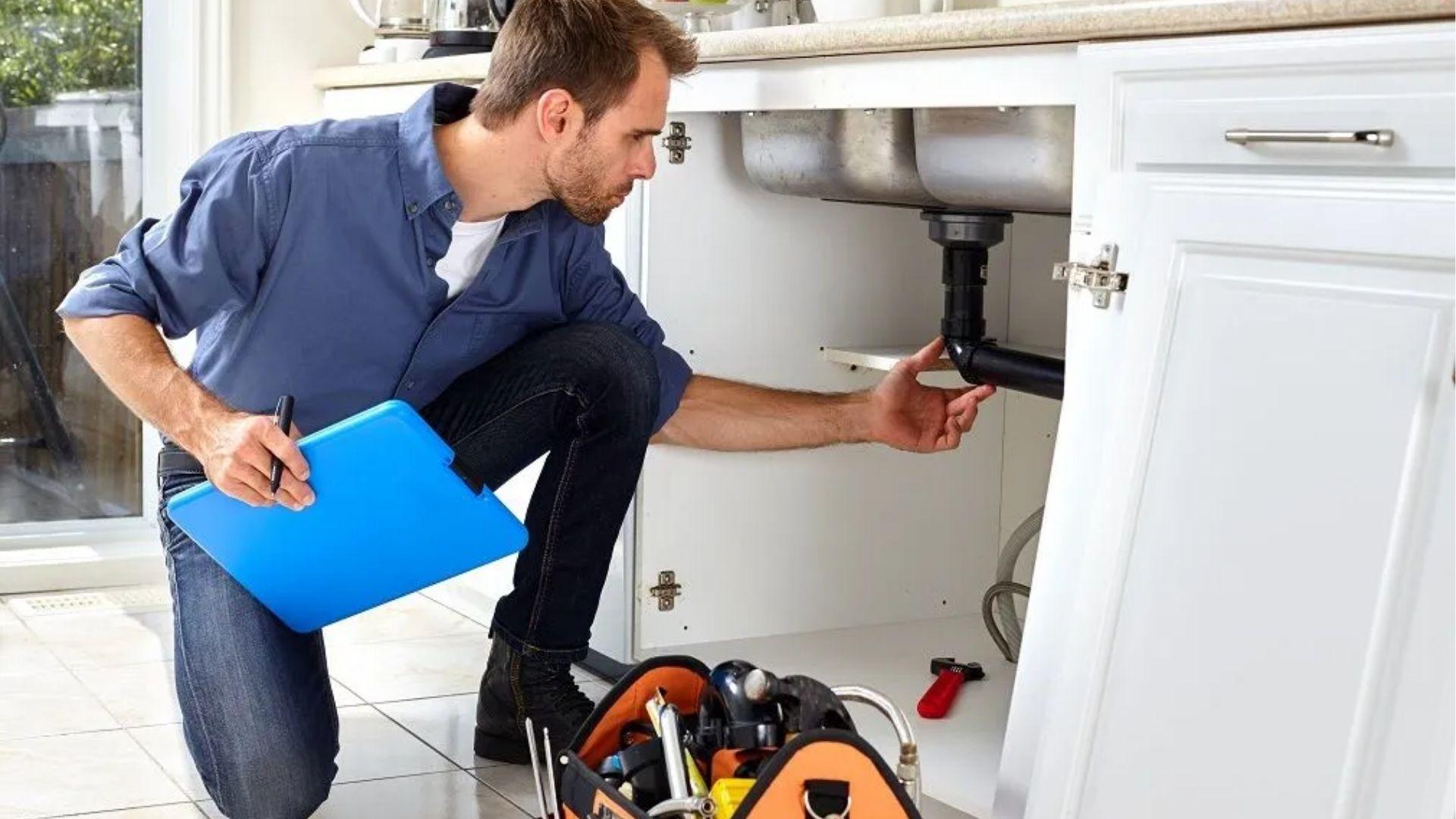
Lenders don't ask for a general inspection. But three things can still lead to required repairs or specialist reviews.
Those three are the appraisal, the loan program, and the property itself. None of them is your choice.
Cost is the usual hesitation. HomeAdvisor’s 2026 data puts the national average near $344, and bigger homes run higher. Set that next to one repair. A bad roof or a failed furnace can cost thousands.
Appraisal Flags That Trigger Follow-Up
It starts when the appraiser notes a problem. Think of a damaged roof, signs of water damage, or a broken stair rail.
The lender reads that note and makes your approval conditional. You may need to fix the problem, or have a roofer or structural engineer confirm it’s minor.
Closing then waits. It moves forward only after the repair is done and the lender is satisfied.
How serious the flag is changes everything. A scuffed floor gets ignored, but a sagging roofline does not.
Lenders also differ. Some are stricter than the loan program requires, so the same note can get different responses. If yours seems overly strict, you may be able to switch lenders after pre-approval.
Conventional loans work this way too. The appraisal focuses on value, and condition matters mainly where it affects that value.
Even so, a lender can hold condition standards that aren’t written down. A serious problem can still hold up your approval.
FHA and VA Appraisal Standards
FHA and VA loans don’t require a separate general inspection. Their appraisals include a basic check for health, safety, and structural soundness.
People hear that and assume the house gets a full inspection. It doesn't. The appraiser checks the home against minimum standards.
Think chipped paint on an older home, a roof that leaks, or a heating system that doesn’t work. Those can hold up closing, but dated finishes and worn carpet won’t.
A home can meet those standards and still need major work. Passing means it's livable on paper, not that it's in good shape.
Program rules change over time. Confirm the current guidance with your lender before you count on any detail.
Property-Specific Inspections
Some properties bring extra requirements. The common ones are pest or termite reports, also called wood-destroying organism reports, and well or septic checks.
These exist because the damage is hidden and costly. Termites can eat through framing without a visible sign. A failing septic system can make a home unlivable.
Where the home sits matters. A suburban house on city sewer rarely triggers a septic check. A rural home on a well and septic often does.
Requirements vary by lender, loan program, and region. Ask your lender early, so nothing surprises you near closing.
What Actually Changes If You Skip the Inspection?
The inspection is a contingency in your purchase agreement. It is not a condition of your loan.
That means skipping it doesn't change your approval. The lender won't notice, and it won't speed anything up.
What changes is your protection. By waiving it, you give up the following.
- The right to ask the seller for repairs or credits based on what turns up
- The chance to back out without losing your deposit, if your contract allows it
- A clear picture of what the home will cost you in its first years
Those three are the whole reason the inspection exists. The lender never had a stake in any of them.
My position is simple: get the inspection. Waiving it may win a competitive offer, because the seller sees fewer ways for the deal to fall apart. But you take on every repair the inspection would have caught.
If you're tempted anyway, talk to your agent or a real estate attorney first. State rules and your contract terms can change what skipping costs you.
Final Inspection
So, is a home inspection required for a mortgage? No. But that answer only covers the lender’s side.
Your lender needs the house to be worth the loan. You need it to be worth living in. Those are separate questions, and only one report answers yours.
Don’t let a clean approval fool you into skipping it. Approval says the numbers work. It says nothing about the roof.
Before you make an offer, call your lender and agent. Ask what your loan program may require, then book a licensed inspector.
Frequently Asked Questions
Can I get a mortgage without a home inspection?
Yes. Most lenders approve mortgages without a general home inspection, because they require an appraisal instead. The appraisal confirms the home supports the loan amount; it does not assess the home's condition for you. An inspection remains a buyer's choice, though lender or loan program rules can add specific inspections or repairs.
Do FHA and VA loans require a home inspection?
No. FHA and VA loans do not require a separate general home inspection. Both require an appraisal that checks the property against safety, health, and structural standards. If the appraiser flags problems, the lender can require repairs or specialist inspections before closing. So the appraisal can still lead to inspection-type requirements.
Is a home appraisal the same as a home inspection?
No. An appraisal estimates the home's market value for the lender, who needs to know the property covers the loan amount. An inspection examines the home's condition, including the roof, plumbing, electrical, foundation, and HVAC, for the buyer. Appraisals are required by lenders; inspections are a buyer's decision.
Will my lender ask for my home inspection report?
Not usually. Lenders generally don't require your inspection report, since it's ordered for your protection. They may ask for it when repair requests, seller credits, or condition concerns affect the loan or the appraisal. If you share it, documented defects can then influence underwriting.