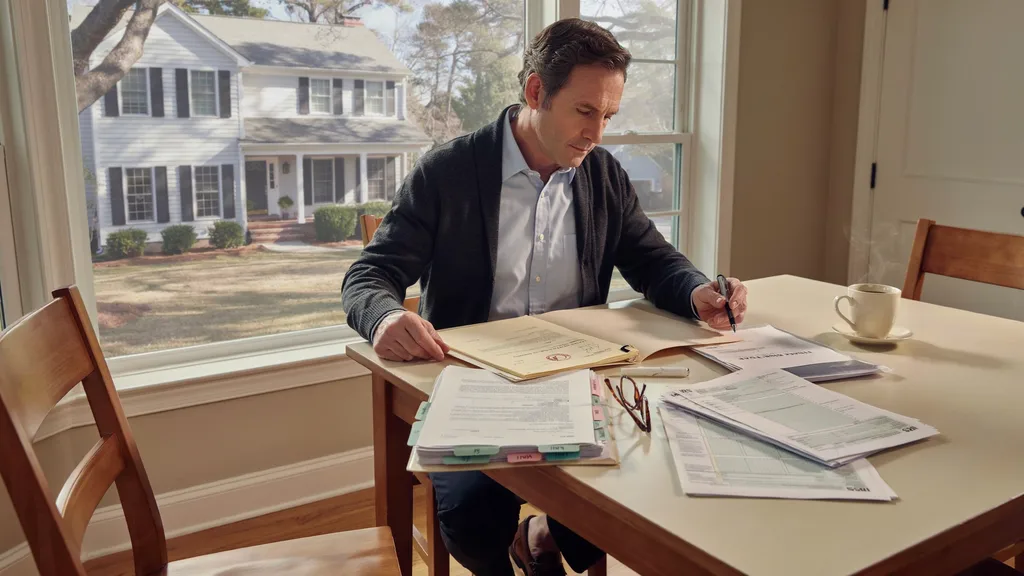
Finding out that your property was transferred without your authority is unsettling. You want to know whether the person responsible can be fined, jailed, or forced to give it back.
The punishment for illegal transfer of property can include civil penalties, criminal charges, fines, restitution, and prison time in serious cases, and a court can also cancel the transfer entirely and restore the property to its rightful owner.
For example, if someone forges a homeowner's signature on a deed and records it to claim ownership, they may face criminal prosecution for forgery, while a separate civil court can declare the deed invalid.
The exact outcome depends on the facts of the case and the laws where the property sits.
What Laws Govern Illegal Property Transfers?

Several types of law can apply, depending on the state, the type of property, and the circumstances of the transfer.
Civil Laws That Address Fraudulent Transfers
Civil laws focus on protecting property owners and creditors.
Most states have adopted some version of the Uniform Voidable Transactions Act (UVTA), formerly the Uniform Fraudulent Transfer Act (UFTA), which lets creditors challenge transfers made to hide assets or dodge lawful debts (Uniform Law Commission, Uniform Voidable Transactions Act).
Not every state follows the identical version, so local rules can differ.
For example, if a homeowner transfers a $350,000 house to a relative for $10 shortly before losing a lawsuit, a creditor can argue the transfer was made to avoid paying the judgment and a court can set it aside if it agrees.
Criminal Laws That May Apply
When an illegal transfer involves intentional wrongdoing, criminal law adds another layer. Common charges include forgery of deeds or signatures, identity theft, real estate fraud, filing false public records, and obtaining property by deception.
The FBI treats mortgage and real estate fraud as serious financial crimes that can trigger both state and federal investigation (FBI, Mortgage Fraud).
State-Specific Property Transfer Laws
Property law is largely state-governed, so recording requirements, evidence standards, filing deadlines, and criminal penalties for forged deeds all vary by jurisdiction.
Anyone involved in a disputed transfer should check the laws of the state where the property is located rather than relying on general information.
When Federal Laws May Apply
Most illegal transfers stay in state court, but federal law can step in when conduct crosses state lines or involves wire fraud, mail fraud, bank fraud, mortgage fraud affecting federally insured lenders, or organized identity theft.
These cases often involve multiple agencies and can add penalties on top of whatever the state imposes.
What Penalties Do Courts and Prosecutors Impose?

Cases often run on two tracks at once civil and criminal and the punishment depends on which track (or both) applies.
Civil Penalties and Financial Liability
A civil judge can order the wrongdoer to repay the property's value, cover the victim's legal costs, and in some states pay punitive damages on top.
Courts can also void the transfer entirely and restore the rightful owner's name to the title.
Criminal Charges and Possible Jail Time
Forgery involving a deed is treated seriously in most states. In Texas, forging a deed to obtain property worth $30,000–$149,999 is a third-degree felony punishable by 2 to 10 years in prison, while property worth $300,000 or more makes it a first-degree felony (Tex. Penal Code § 32.21).
New York classifies deed forgery as second-degree forgery, a class D felony, with the most serious forgery charges carrying up to 15 years (N.Y. Penal Law §§ 170.10–170.15).
Several states also add sentencing enhancements when the victim is elderly Colorado, for instance, increases the felony class automatically when the victim is an "at-risk" individual, including anyone 70 or older (Colo. Rev. Stat. § 18-5-102).
Fines, Restitution, and Court Costs
Beyond prison time, courts frequently order restitution of the victim's financial losses plus fines, which can range from a few thousand dollars for lower-level forgery up to $10,000 or more per count in states like Texas and New York, not counting restitution or the victim's attorney fees.
Can the Transfer Be Reversed?
Yes, in most cases. A court can cancel the deed and restore the original owner's name to the title, sometimes through a quiet title action, which formally settles who owns the property once the fraud is proven.
This civil remedy can proceed even while a related criminal case is still pending.
Types of Illegal Property Transfers

Recognizing these patterns early can help you spot a problem before it grows into a full legal fight.
Fraudulent Transfer to Avoid Creditors
This happens when someone moves property to another person specifically to keep it out of a creditor's reach, often right before or during a lawsuit or bankruptcy.
Courts look for "badges of fraud" transfers to relatives, a sale price far below market value, or the seller quietly keeping control of the property after the sale.
Forged Deeds and Signature Fraud
A forged deed occurs when someone signs another person's name without permission, or fabricates a deed entirely.
In one common pattern, a scammer finds a vacant lot or an elderly owner's home, forges a deed transferring it to a shell buyer, and lists the property for a fast sale before anyone notices the true owner often only learns about it when a title company or buyer contacts them.
Because a forged signature is legally invalid, courts typically cancel the deed once the fraud is proven, and criminal charges often follow.
Transfer Using False Documents
Some schemes skip forged signatures entirely and instead use fake identification, altered records, or false notarizations for example, using fake ID at closing, filing altered ownership documents with the recorder's office, or creating a false power of attorney.
These are designed to look legitimate on paper, which makes early detection especially important.
Unauthorized Sale of Jointly Owned Property
When property has multiple owners, one owner usually can't sell the whole thing without the others' consent or legal authority.
If two siblings inherit a home as co-owners, for instance, one generally cannot sell the entire property without the other's participation, doing so anyway can lead to court action and cancellation of the sale.
The outcome depends on how the property is titled, such as joint tenancy versus tenancy in common.
Property Transfers Through Identity Theft
A criminal steals someone's personal information, poses as the owner, and transfers or sells the property without the real owner's knowledge.
Victims often find out only after an unexpected tax notice, mortgage statement, or title alert arrives.
Elder Financial Exploitation
Older homeowners are frequent targets, often through a trusted-relationship scam where a caregiver, distant relative, or new acquaintance pressures the owner into signing a deed or power of attorney they don't fully understand.
Many states, as noted above, treat crimes against elderly or "at-risk" victims as more serious offenses, and Adult Protective Services in most states can investigate suspected exploitation alongside any criminal case.
Illegal Transfer vs. Legal Property Transfer
Understanding the gap between a valid sale and a fraudulent one makes it easier to spot warning signs early.
Watch for a deed you never signed, a notary stamp from someone you never met, a sale price far below market value, or paperwork that shows up in county records without your knowledge.
| Feature | Legal Property Transfer | Illegal Property Transfer |
| Consent | All required parties knowingly agree | Consent is missing or obtained through fraud |
| Documentation | Properly prepared and legally executed | Forged, altered, or false documents |
| Registration | Correctly recorded with local authorities | May involve fraudulent or false recording |
| Ownership effect | Ownership legally changes | Transfer may later be canceled by a court |
| Legal consequences | None, when completed lawfully | Civil liability, criminal charges, fines, or imprisonment |
Who Can Be Held Liable?
Understanding who may be legally responsible can help you recognize how property fraud is handled. Liability depends on each person's role and involvement in the illegal transfer.
Sellers: Sellers who knowingly hide ownership information, forge documents, or falsely claim they can sell a property may face civil lawsuits, criminal charges, and court-ordered restitution.
Buyers Acting in Bad Faith: Buyers who knowingly participate in a fraudulent transaction or help conceal assets may lose ownership rights and face financial or legal penalties.
Real Estate Professionals: Agents, attorneys, title professionals, and notaries who knowingly assist with fraudulent transfers may face civil liability, professional discipline, and criminal prosecution.
Family Members and Other Participants: Anyone who knowingly helps with a fraudulent property transfer, including family members, may face lawsuits, financial penalties, or criminal charges.
What Should You Do If Your Property Was Transferred Illegally?

If you believe your property was transferred without your permission, act quickly to protect your ownership rights.
Taking the right steps early can help preserve evidence, prevent additional transfers, and improve your chances of recovering the property.
Gather Evidence and Ownership Records
Collect the original deed, purchase agreement, mortgage documents, property tax records, closing papers, correspondence, and county recording records related to the property.
Keep both physical and digital copies organized by date so you can quickly provide proof of ownership if it is challenged.
Having complete documentation readily available can also help your attorney assess the situation and build a stronger legal case.
Report the Fraud
Notify the appropriate authorities as soon as possible. Depending on the situation, this may include local law enforcement, the county recorder's office, your state attorney general, or a consumer protection agency.
If identity theft is involved, reporting it promptly can help limit further damage.
File a Civil Lawsuit if Needed
If necessary, file a civil lawsuit to protect your ownership rights and prevent additional harm.
Depending on the circumstances, you may ask the court to declare the deed invalid, restore ownership, award financial damages, or issue an injunction to stop further transfers while the case is pending.
Because every state has a statute of limitations for these claims, taking legal action promptly is important to avoid losing your right to seek relief.
Get Legal Help Early
Consult an experienced real estate attorney as soon as you suspect an illegal property transfer. An attorney can review deeds, title records, and other evidence, explain the laws that apply to your situation, and recommend the most effective legal strategy.
Early legal guidance may also help preserve evidence, meet important filing deadlines, negotiate with the other parties, or represent you in court if litigation becomes necessary.
How Courts Decide These Cases
Judges look at signature comparisons, notary logs, bank records showing who actually received payment, and witness statements about the circumstances of the signing.
They weigh intent, whether fair payment was made, how the property was used after the transfer, and whether the buyer acted in good faith.
Depending on what the evidence shows, a court may void the deed, order restitution, issue a criminal conviction with jail time, or dismiss the claim if the evidence doesn't meet the legal standard.
How to Prevent an Illegal Property Transfer
Verify Ownership Before Any Transaction: Review the recorded deed, confirm the seller's identity, and compare ownership records with the county before signing any documents. Taking these steps can help you identify potential fraud before the transfer is completed.
Monitor Your Property Records: Many counties offer free property fraud alert programs that notify you whenever a document is recorded under your name. Enrolling in these services can help you detect suspicious activity early and respond quickly.
Use Licensed Professionals: Work with licensed real estate agents, attorneys, title companies, and notaries whenever possible. These professionals are trained to identify irregular documents and help ensure the transfer complies with legal requirements.
Keep Ownership Documents Secure: Store your deed, closing papers, mortgage records, tax documents, and estate planning paperwork in a safe and organized location. Having easy access to these records can make it easier to prove ownership if a dispute arises.
Common Mistakes That Lead to Disputes
Many property disputes start with avoidable mistakes during a transaction. Knowing these common errors can help you protect your ownership rights.
Signing Documents Without Reading Them: Always review the property description, ownership details, names of all parties, and signature pages before signing. Taking a few extra minutes to verify the paperwork can help prevent costly disputes later.
Skipping a Title Search: A title search can uncover unpaid liens, ownership disputes, easements, or other legal issues before the sale is completed. Skipping this step may leave you responsible for problems that could have been avoided.
Trusting Unverified Buyers or Sellers: Never rely solely on verbal statements about ownership or authority to sell. Verify identities, ownership records, and supporting documents before completing any property transaction.
Delaying Legal Action After Discovering Fraud: If you suspect a fraudulent transfer, act as soon as possible. Evidence can become harder to obtain, witnesses' memories may fade, and legal deadlines may limit your ability to challenge the transfer.
Ignoring Suspicious Warning Signs: Unusually low sale prices, unexpected changes to ownership documents, or pressure to sign quickly should never be ignored. Investigating these red flags early can help prevent an illegal property transfer or reduce further losses.
Practical Tips to Protect Yourself
Taking a few simple precautions can reduce the risk of fraud and legal disputes. These practical tips help make property transactions more secure.
- Verify every signature and identity before closing. Confirm that all required parties sign the documents in the presence of a notary and verify their identification to reduce the risk of fraud or forged paperwork.
- Use a trusted and experienced notary for every property transaction. Proper notarization helps confirm the authenticity of signatures and can provide stronger evidence if the transaction is later challenged.
- Consider purchasing title insurance to protect against certain ownership disputes and undiscovered title defects. Review the policy carefully because coverage, exclusions, and claim requirements vary between insurers.
- Record the deed as soon as the transaction is complete. Prompt recording establishes the public ownership record and can reduce the risk of competing claims or fraudulent filings affecting the property.
- Seek legal advice for complex property transactions involving inherited real estate, trusts, business interests, or multiple owners. An experienced real estate attorney can identify potential legal issues before they become costly disputes.
Conclusion
Understanding the punishment for illegal transfer of property helps you recognize warning signs early and understand the legal consequences that may follow.
Depending on the circumstances, an illegal transfer can result in civil penalties, criminal charges, fines, restitution, imprisonment, or a court order reversing the transaction and restoring ownership to the rightful owner.
If you believe your property was transferred without your knowledge or consent, act quickly by gathering deeds, title records, and other relevant documents.
Consulting an experienced real estate attorney as soon as possible can help protect your rights and determine the best course of action.
Frequently Asked Questions
Can a power of attorney be used to transfer property legally?
Yes, if the power of attorney is valid and specifically authorizes property transactions under the laws of the state where the property is located.
Does title insurance cover every illegal property transfer?
No. Coverage depends on the policy's terms, exclusions, and when the fraud occurred, so review your policy carefully before assuming a claim is covered.
Can heirs challenge a property transfer made before someone died?
Yes. Heirs may challenge a transfer if they believe it involved fraud, undue influence, or a lack of legal authority under the applicable estate laws.
Is recording a deed the same as proving legal ownership?
No. Recording gives public notice of a transaction, but it doesn't automatically prove the deed is legally valid if fraud occurred.
Can an LLC be used to hide an illegal property transfer?
No. Simply routing property through an LLC doesn't make an illegal transfer lawful, courts can still examine the underlying transaction if fraud or deception is alleged.