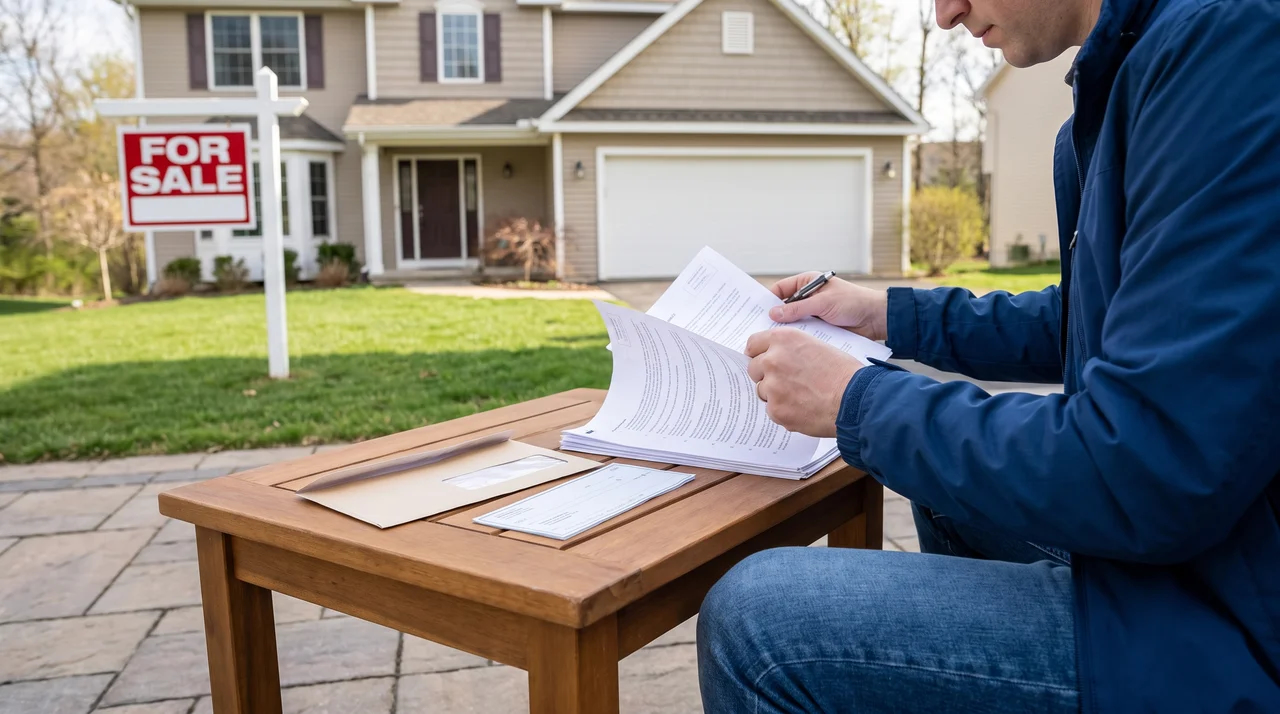


Real estate dispute resolution is the process of settling legal disagreements between two or more parties over property through negotiation, mediation, arbitration, or court.
Property disputes can feel overwhelming, especially when money, ownership, or your home is on the line. You may not know where to start, who to call, or what your rights are.
You will learn about the types of disputes, the methods used to solve them, and the steps you can take right now.
Whether it is a boundary issue, a contract problem, or a landlord conflict, this guide will help you make the right next step. This guide explains each option clearly so you can choose the most appropriate solution.
What Is Real Estate Dispute Resolution?

When two or more parties cannot agree on a property issue, the process steps in to find a fair solution, whether through a simple conversation or a formal court trial.
When two or more parties cannot agree on a property issue, the process steps in to find a fair solution, whether through a simple conversation or a formal court trial.
Most disputes start small but grow when ignored. Legal fees increase, relationships suffer, and property values can drop over unresolved title issues.
Many states also have strict filing deadlines, so waiting too long can cost you your rights.
Depending on the situation, buyers, sellers, landlords, tenants, neighbors, contractors, attorneys, mediators, or judges may all be involved.
8 Common Types of Real Estate Disputes
Real estate conflicts come in many forms, and knowing what type you are dealing with helps you choose the right solution.
1. Boundary and Property Line Disputes
These happen when neighbors disagree about where one property ends and another begins.
A fence, a driveway, or a tree can become the center of a heated conflict.
A licensed surveyor can help establish the correct boundary, and that report often becomes key evidence in resolution.
2. Title and Ownership Disputes
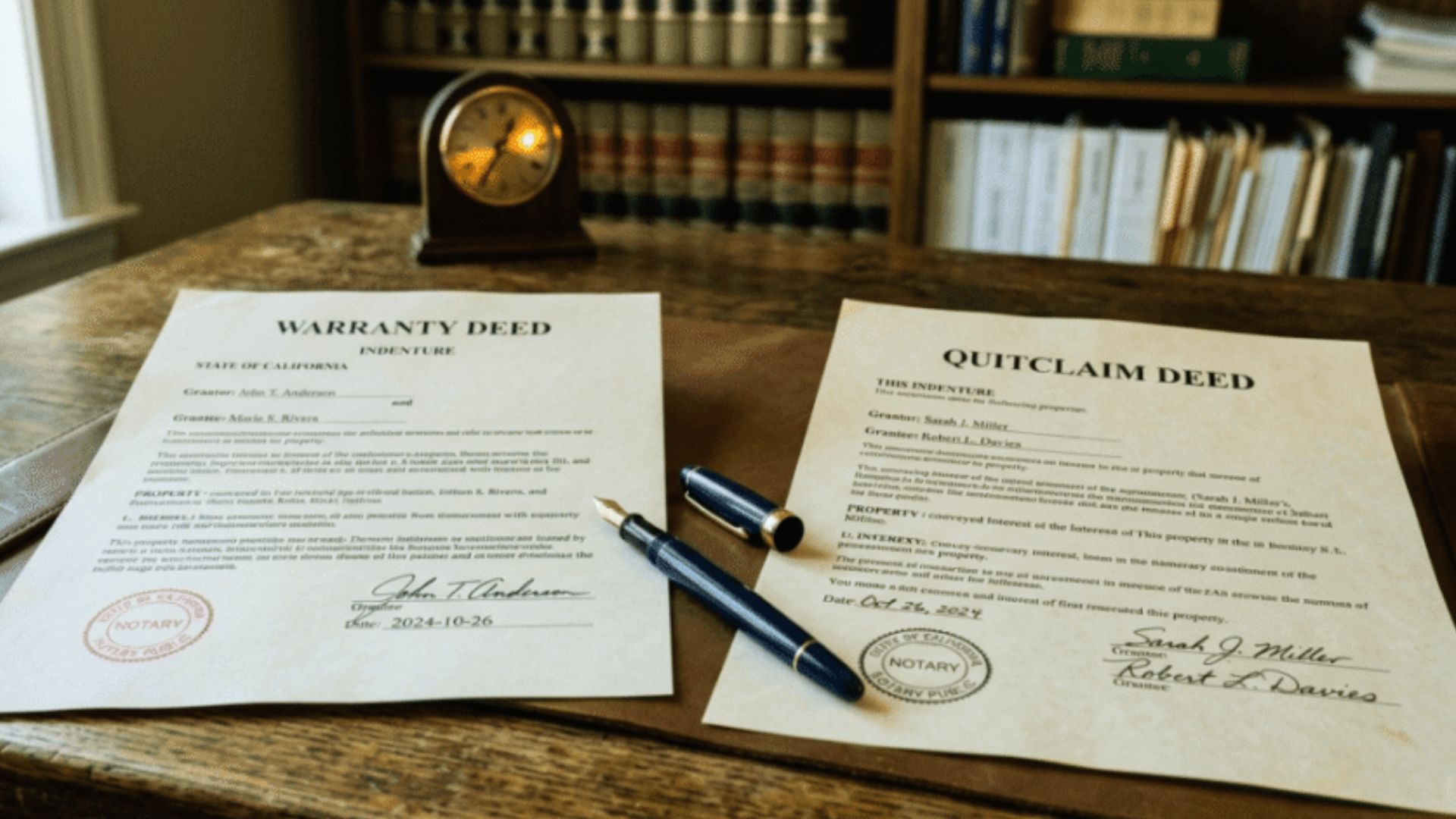
Title disputes involve questions about who legally owns a property.
This can arise from errors in public records, forged documents, unknown heirs, or unpaid liens.
Title insurance and a thorough title search before closing can prevent most of these problems.
3. Contract and Purchase Agreement Disputes
Buyers and sellers sometimes disagree about what was promised in a contract. Maybe repairs were not completed.
Maybe the closing date was missed. These disputes often come down to what is written in the agreement and whether both sides followed through.
4. Landlord and Tenant Disputes
These are among the most common real estate conflicts.
Security deposits, lease violations, eviction procedures, habitability standards, and unauthorized subletting are frequent issues.
Most states have specific landlord-tenant laws that govern how these disputes must be handled.
5. Easement and Right-of-Way Disputes
An easement gives someone the legal right to use part of another person's property, often for access.
Disputes arise when that right is blocked, abused, or misunderstood. These cases require careful review of property deeds and local land records.
New property owners are often unaware of existing easements, so reviewing the title report before purchase can prevent these conflicts entirely.
6. Construction Defect and Contractor Disputes
When a contractor does poor work or fails to finish a job, the property owner may seek compensation.
These disputes often involve breach of contract, negligence, or violations of building codes. Documentation of the work and the original agreement is critical.
7. HOA, Neighbor, and Zoning Disputes
Homeowners associations can enforce rules about everything from fence height to paint colors.
When homeowners feel those rules are applied unfairly, or when neighbors violate zoning laws, disputes follow.
Many HOA conflicts have an internal appeals process before outside resolution is needed.
8. Co-Owner and Partition Disputes
When two or more people own a property together and cannot agree on what to do with it, a partition action may be filed.
A court can order the property sold and the proceeds divided, or in some cases, physically divide the land.
If one owner refuses to cooperate, a partition lawsuit gives the court authority to force a resolution even without mutual agreement.
4 Real Estate Dispute Resolution Methods
There is no single way to resolve a property conflict. The right method depends on the situation, the relationship between the parties, and how far the dispute has gone.
1. Negotiation
Negotiation is the simplest and least expensive option. The parties talk directly, often with their attorneys, and try to reach an agreement.
No third party is involved, and the outcome is not legally binding unless put in writing. Many disputes are resolved this way without ever going further.
2. Mediation
Mediation brings in a neutral third party, called a mediator, to help both sides communicate and find common ground.
The mediator does not make decisions. They guide the conversation. Mediation is confidential, usually faster than court, and less expensive.
Many courts require it before a case goes to trial.
3. Arbitration
Arbitration is more formal than mediation. An arbitrator hears both sides and issues a binding decision both parties must follow.
Many real estate contracts include arbitration clauses, so check your agreement before assuming court is an option.
Unlike mediation, you generally cannot appeal an arbitration ruling, which makes reviewing the clause before signing essential.
4. Litigation
Litigation means taking the dispute to court. A judge, and sometimes a jury, reviews the evidence and makes a final decision.
It is the most expensive and time-consuming option, but sometimes it is the only one that works, especially when large sums of money or legal rights are at stake.
Negotiation works well for minor disagreements, mediation fits disputes where both parties are willing to cooperate, arbitration is best when a binding decision is needed faster than a court can provide, and litigation is a last resort but sometimes the right one. The comparison table below breaks these differences down in more detail.
Mediation vs Arbitration vs Litigation
These three methods each have a distinct role in dispute resolution, and understanding the differences helps you choose wisely.
| Factor | Mediation | Arbitration | Litigation |
| Binding | No, unless agreement is signed | Yes, usually binding | Yes, court order |
| Formality | Informal and flexible | Semi-formal | Fully formal with legal procedures |
| Cost | Least expensive | Moderate | Most expensive |
| Timeline | Fastest | Faster than court | Can take years |
| Privacy | Private and confidential | Private and confidential | Public record |
| Enforceability | Binding only if agreement is reached | Final and easy to enforce | Enforceable through court order |
| Best For | Preserving relationships | Quick binding decisions | Serious rights violations |
| Attorney Required | Recommended | Recommended | Always required |
Real Estate Dispute Resolution in Texas: An Example of State-Specific Rules
Every state handles real estate disputes a little differently, and the rules that apply to you depend entirely on where the property is located. Texas is used here as a detailed example of how state-level procedures shape the process.
1. How Texas Handles Real Estate Disputes
Texas courts take real estate disputes seriously. The state has well-developed property laws, and disputes often move through district courts.
Texas also has strong support for alternative dispute resolution, and many cases are resolved before reaching a courtroom.
2. Mediation Requirements in Texas Real Estate Cases
Texas courts frequently order mediation before allowing a case to go to trial.
The Texas Civil Practice and Remedies Code supports the use of ADR methods, and judges have broad authority to refer cases to mediation.
This keeps court dockets manageable and encourages settlements.
3. Arbitration Clauses in Texas Real Estate Contracts
Many real estate contracts in Texas, including those used by the Texas Real Estate Commission, include arbitration clauses.
These clauses require both parties to resolve disputes through arbitration rather than litigation. It is important to understand what you are agreeing to before signing any contract.
4. When Litigation Becomes Necessary in Texas
Sometimes, mediation and arbitration do not lead to a resolution. In those cases, filing a lawsuit in a Texas district court may be the only option.
Cases involving fraud, title defects, or large financial claims often require the authority of a court to fully resolve.
Costs and Timelines for Real Estate Dispute Resolution
Understanding the cost and time involved helps you plan better and avoid surprises along the way.
1. How Much Does Real Estate Dispute Resolution Cost?
Costs vary widely depending on the method you choose. Negotiation is essentially free if you handle it yourself, though attorney fees apply if you involve legal counsel.
Mediation typically costs between $1,500 and $5,000, split between both parties.
Arbitration can range from $3,000 to $15,000 or more, while litigation often exceeds $50,000 when you factor in attorney fees, court costs, and expert witnesses.
2. How Long Does Each Resolution Method Take?
Negotiation can wrap up in days or weeks, while mediation usually takes one to three sessions spread over a few weeks.
Arbitration generally concludes within three to six months depending on case complexity.
Litigation is the longest route, often taking one to three years before a final judgment is reached. Knowing these timelines upfront helps you choose a method that fits your situation.
Governing Laws That Apply to Real Estate Disputes Resolutions
Property conflicts do not exist in a vacuum. Several layers of law shape how they are handled.
1. Federal, State, and Local Laws That Matter
Real estate disputes are primarily governed by state law, meaning the rules vary depending on where the property is located.
In Texas, the Property Code, the Deceptive Trade Practices Act, and TREC-approved contracts all play a role.
At the federal level, laws like the Fair Housing Act and RESPA apply in certain cases.
Local zoning ordinances and county land use regulations also affect boundary, easement, and development conflicts.
2. Key Legal Authorities and Organizations Involved
The American Arbitration Association (AAA) provides structured arbitration services with rules specifically designed for real estate cases.
The National Association of REALTORS® maintains a Code of Ethics and a built-in dispute resolution process for conflicts involving member agents.
The County Recorder's Office holds official deeds, title documents, and property records that serve as primary evidence in many disputes.
Knowing which organization to contact early can save you significant time and effort.
Evidence You Need for Real Estate Dispute Resolution

Strong evidence is the foundation of any successful property conflict resolution, regardless of the method you choose.
The type of evidence you need depends on the nature of the conflict you are facing.
For boundary disputes, a licensed survey report and recorded plat map are critical starting points.
Contract disputes rely on the signed agreement, written amendments, and all communication between the parties.
In landlord-tenant conflicts, the lease, move-in checklists, and written notices are often the deciding factors in the outcome.
Step-by-Step Real Estate Dispute Resolution Process
Knowing what steps to take makes the process far less stressful.
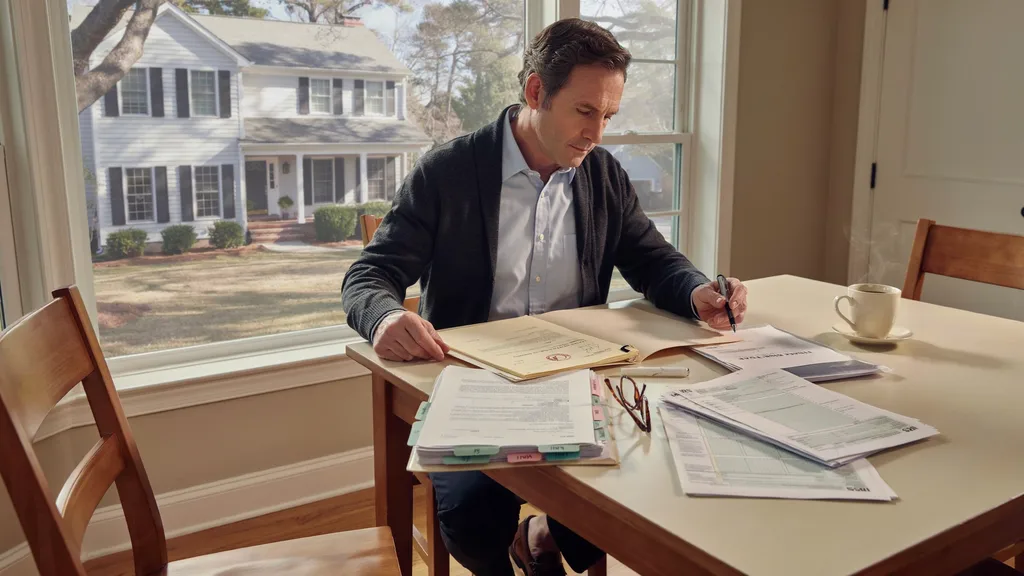
1. Identify the Dispute and Gather Evidence
Start by clearly defining the problem. What is being disputed? What do you want as an outcome?
Then gather everything relevant: photos, messages, emails, contracts, receipts, and any other documentation that supports your position.
2. Review Contracts, Deeds, and Property Records
Go back to the original documents. Contracts often include clauses about dispute resolution, deadlines, and remedies.
Property deeds, survey maps, and public land records can also clarify ownership and boundary questions.
3. Attempt Negotiation or Send a Demand Letter
Before going to mediation or court, try to resolve it directly. If that fails, a formal demand letter from an attorney can sometimes push the other party toward a settlement.
It shows you are serious and have documentation to support your claim.
4. Start Mediation or Arbitration If Needed
If direct communication fails, move to mediation or arbitration. Choose a qualified mediator or arbitrator with real estate experience.
Prepare your documents and be ready to present your case clearly and calmly.
5. File a Lawsuit When Other Methods Fail
If nothing else works, file a complaint in the appropriate court.
Your attorney will guide you through the filing process, the discovery phase, and trial preparation.
This step should be taken only after exhausting other options.
6. Enforcing Settlements and Court Judgments
Reaching an agreement is only part of the process.
If the other party does not comply with a settlement or court order, you may need to take additional legal steps to enforce it, including wage garnishment, property liens, or contempt proceedings.
Common Mistakes That Can Delay or Worsen Property Disputes
Avoiding these mistakes can save you time, money, and serious legal trouble.
- Ignoring deadlines or contract obligations can cost you your legal rights entirely.
- Failing to document evidence leaves you without proof when you need it most.
- Misunderstanding property rights leads to weak claims and poor decisions.
- Waiting too long to seek legal advice gives the other side an advantage.
- Refusing reasonable settlement offers can drag a dispute into years of litigation.
When Should You Hire a Real Estate Attorney?
Some disputes can be handled without legal help, but many cannot.
If your case involves large amounts of money, fraud, title issues, or complex legal questions, hiring a real estate attorney is the right move.
If the other party already has legal representation, you should too.
Before hiring, ask about their experience with real estate disputes, how they charge, and how long similar cases typically take.
When you go in for a consultation, bring copies of your contract or lease, property photos, the deed, survey records, any correspondence with the other party, and prior settlement offers.
Being organized helps your attorney assess your case faster.
Expert Tips for Faster Real Estate Dispute Resolution
Small steps taken early can make a big difference in how quickly and smoothly a dispute gets resolved.
- Contact the other party in writing as soon as a problem appears and propose a specific resolution rather than just stating the issue.
- Take dated photos, save every email and text, and keep a written log of conversations with dates and key points.
- Read your contract carefully, know your state's filing deadlines, and never assume a right unless it is documented.
- Match the dispute resolution method to the level of conflict and the outcome you need before taking any action.
- Get legal advice before committing to arbitration since those decisions are difficult to appeal and usually final.
Conclusion
Real estate dispute resolution is not always simple, but it is manageable when you know your options.
The key is to act early, document everything, and choose the right method for your situation.
Negotiation, mediation, arbitration, and litigation each serve a purpose, and the right choice depends on the facts of your case.
If you are dealing with a property conflict right now, do not wait. Contact a licensed real estate attorney and understand your legal position and options.
Frequently Asked Questions
Do I need a lawyer for every real estate dispute?
No. Simple disagreements can often be resolved through direct negotiation or mediation without an attorney. Legal representation becomes important when large sums of money, fraud, or title issues are involved.
Can I switch methods if negotiation or mediation fails?
Yes. Most disputes move through methods in order, starting with negotiation, then mediation or arbitration, and finally litigation if nothing else resolves the issue.
Is an arbitration decision final?
Generally yes. Arbitration rulings are binding and very difficult to appeal, which is why reviewing any arbitration clause carefully before signing a contract is important.
How do I know which resolution method applies to my contract?
Check your purchase agreement or lease for a dispute resolution clause. Many real estate contracts specify mediation or arbitration requirements before litigation is allowed.
Do real estate dispute resolution rules vary by state?
Yes. Procedures, filing deadlines, and required steps differ by state and sometimes by county, so confirming local rules early protects your legal rights.