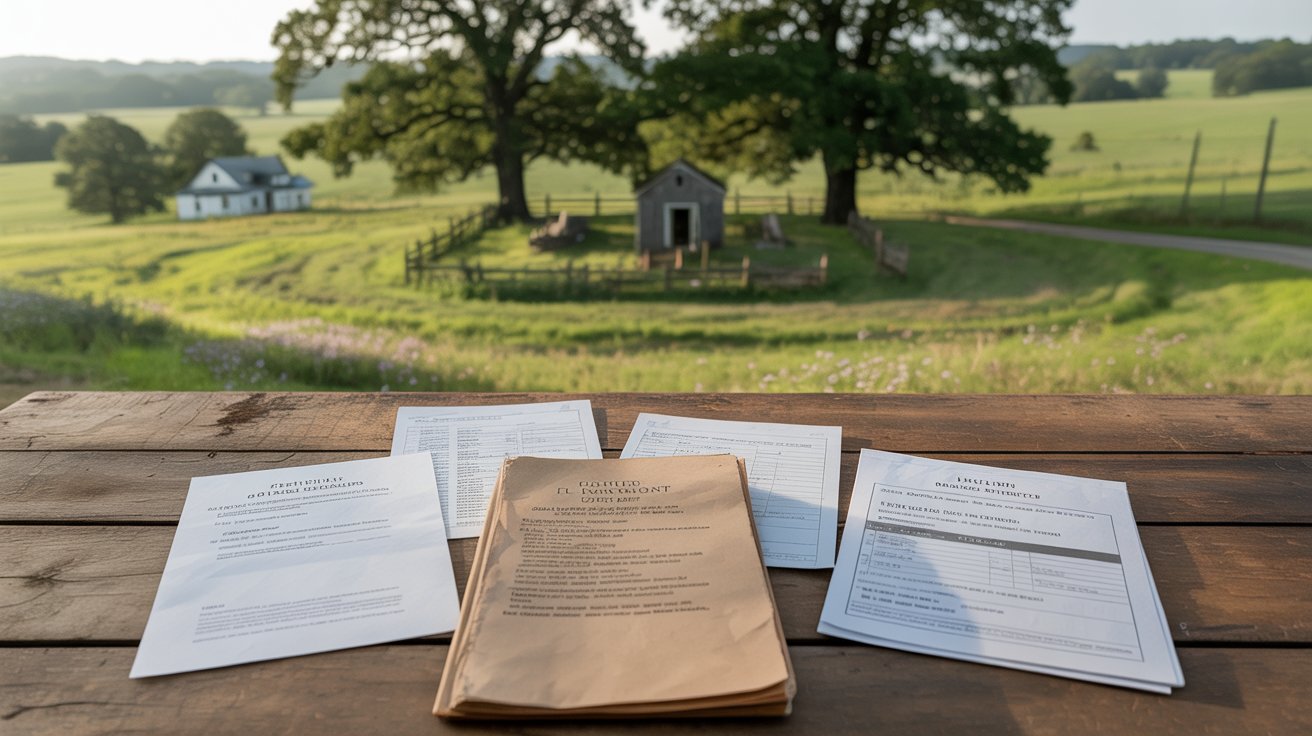
I have seen investors get excited about tax deed properties, and I get it. The prices look great on paper. But the real risks of buying tax deed properties can turn a good deal into a costly mistake fast.
In this blog, I will walk you through how tax deed investing works, the biggest risks to watch out for, hidden costs that eat into your profits, and a step-by-step auction guide.
I have worked through these concepts with new and experienced investors alike, and you can trust this guide to give you honest, practical information.
Tax Deed Properties and Why Investors Consider Them

When a homeowner stops paying property taxes, the local government seizes the property after a set period and sells it at a public auction.
The buyer gets a tax deed showing legal ownership, often at a price well below market value. That low entry cost is what draws so many investors in. You can buy, resell, or rent for steady income. But here is the honest truth.
Low prices do not always mean good deals. Tax deed properties come with real legal, financial, and physical risks you must understand before placing a single bid.
How Tax Deed Investing Works

A straightforward breakdown of the process, from unpaid taxes to auction day.
Tax Delinquency and Property Foreclosure Process
When a property owner misses tax payments, the county sends notices. If the owner still does not pay, the county places a tax lien on the property.
If the lien goes unpaid for a certain number of years, the county moves forward with a tax deed sale.
The timeline varies by state. Some states wait two years. Others wait five or more.
Tax Deed vs Tax Lien: Key Differences
A tax lien gives you the right to collect unpaid taxes with interest. You do not own the property yet. A tax deed gives you actual ownership of the property after the county sells it at auction.
With a tax lien, you wait for the owner to repay you. With a tax deed, you own the property right away, but it comes with more responsibility.
What Happens at a Tax Deed Auction
The county lists properties online or in local newspapers. Bidders register and show up on auction day. The property goes to the highest bidder. You pay the full amount, often on the same day or within 24 to 72 hours.
Once payment clears, the county issues the tax deed in your name.
Top Risks of Buying Tax Deed Properties

The risks are real. Here is what every investor must know before placing a bid.
Title Issues and Hidden Liens
A tax deed does not always come with a clean title. The previous owner may have had other debts tied to the property. Mortgages, contractor liens, or judgments can stay attached even after the tax deed sale.
You could buy a property and then find out you owe money to someone else.
Redemption Period Risks and Ownership Uncertainty
Some states allow the original owner to reclaim the property after the auction. This is called the redemption period. It can last anywhere from a few months to several years.
During this time, you cannot be fully sure the property is yours to keep. Any money you spend on repairs or renovations could be lost.
Property Condition and Unexpected Repair Costs
You rarely get to inspect a tax deed property before buying. The previous owner may have stopped maintaining it. There could be structural damage, mold, or broken systems.
What looks like a cheap buy can turn into a money pit.
Legal and Procedural Complications
Tax deed laws differ from state to state and even county to county. Missing a filing deadline or making a paperwork error can cost you the property or lead to legal trouble.
Without proper legal knowledge, these mistakes are easy to make.
Market Risks and Resale Challenges
Buying cheap does not guarantee a quick resale. If the neighborhood is struggling or the market has cooled, you may sit on the property for a long time. Holding costs add up fast.
Hidden Costs That Can Reduce Your Profit
Before you bid, know the full cost picture, not just the auction price.
Title Clearance and Legal Fees
To get a clean title, you may need to go through a quiet title action. This is a legal process that can cost thousands of dollars and take months to complete.
Many buyers skip this step and regret it later.
Property Taxes and Ongoing Expenses
You are responsible for property taxes the moment the deed is in your name. Even if the property is sitting vacant, those bills keep coming.
Insurance and Maintenance Costs
Vacant properties are hard to insure. When you do find coverage, it tends to be expensive. Add in basic maintenance like lawn care and security, and your monthly costs grow quickly.
Renovation and Surprise Repairs
A roof repair, foundation fix, or plumbing overhaul can cost more than the property itself in some cases. Always have a repair budget ready before bidding.
Long-Term Holding Costs
If you cannot sell or rent the property quickly, every month you hold it costs money. Taxes, insurance, and loan interest (if applicable) stack up over time.
How to Evaluate a Tax Deed Property Before Bidding

The more you research before the auction, the fewer surprises you face after.
Researching Property Title and Liens
Pull the title history from the county recorder’s office. Look for any outstanding liens, mortgages, or judgments. If the title history is messy, it may not be worth bidding on.
Estimating Market Value and ROI
Use recent sales data in the area to estimate what the property is worth after repairs. Then subtract renovation costs, legal fees, and holding costs. Whatever is left is your potential profit.
Checking Property Condition and Location
Drive by the property. Look at the exterior. Check the neighborhood. Research flood zones, zoning rules, and local crime rates. These factors affect value and resale speed.
Understanding Local Laws and Redemption Rules
Study the rules in the specific county where you plan to bid. Know the redemption period, what the deed covers, and what it does not.
Auction Tips to Minimize Risks and Maximize Returns
Smart habits that separate successful bidders from those who learn the hard way.
- Never bid on a property without researching the title, condition, market, and local laws first. This one step can save you from serious financial loss.
- Set your maximum bid before the auction starts and do not go over it, no matter how competitive the room gets.
- Stay calm during bidding. If the numbers stop making sense, let the deal go. Winning is not worth overpaying.
- Know your exit plan before you bid. Decide if you will flip, rent, or resell so every decision stays focused.
- Work with a real estate attorney and an experienced agent. Their fees are far smaller than the cost of a bad deal.
Conclusion
Tax deed investing is not a shortcut to easy money, and I want to be straight with you about that. It takes real research, patience, and discipline.
I have seen people rush in without checking title risks, redemption rules, or hidden costs, and it rarely ends well. But when you do the work, the rewards are real.
If this guide helped you see the full picture of the risks of buying tax deed properties, drop a comment below and share it with someone planning their first auction bid.
Frequently Asked Questions
What is the biggest risk of buying a tax deed property?
The biggest risk is a cloudy title. Other debts tied to the property may still be valid after the sale, leaving you responsible for costs you did not expect.
Can the previous owner take back the property after the auction?
Yes, in many states the original owner has a redemption period. During this time, they can repay the taxes and reclaim the property from the new buyer.
How do I find out about liens before bidding?
Visit the county recorder’s office or search the online public records database. A title search will show any outstanding liens, mortgages, or legal judgments on the property.
Do I need a lawyer to buy a tax deed property?
It is not always required, but it is strongly advised. A real estate attorney can help you clear the title, handle legal filings, and protect your investment.
How is a tax deed different from a tax lien certificate?
A tax lien certificate gives you the right to collect unpaid taxes with interest. A tax deed gives you direct ownership of the property after it has been sold by the county at auction.