Selling a house in an irrevocable trust before death is possible, but the process is very different from a normal home sale.
The trustee, the trust document, and tax rules all determine what can happen. I’ve spent time breaking this down to make it easier for you.
In this guide, I’ll cover what an irrevocable trust is, who can legally sell the property, how the process works, what taxes to expect, and what happens to the money after the sale.
I’ll also share common mistakes to avoid.
I have researched estate planning and trust management extensively while writing legal guides for property owners and families navigating inheritance issues.
Let’s get started.
What Is an Irrevocable Trust?
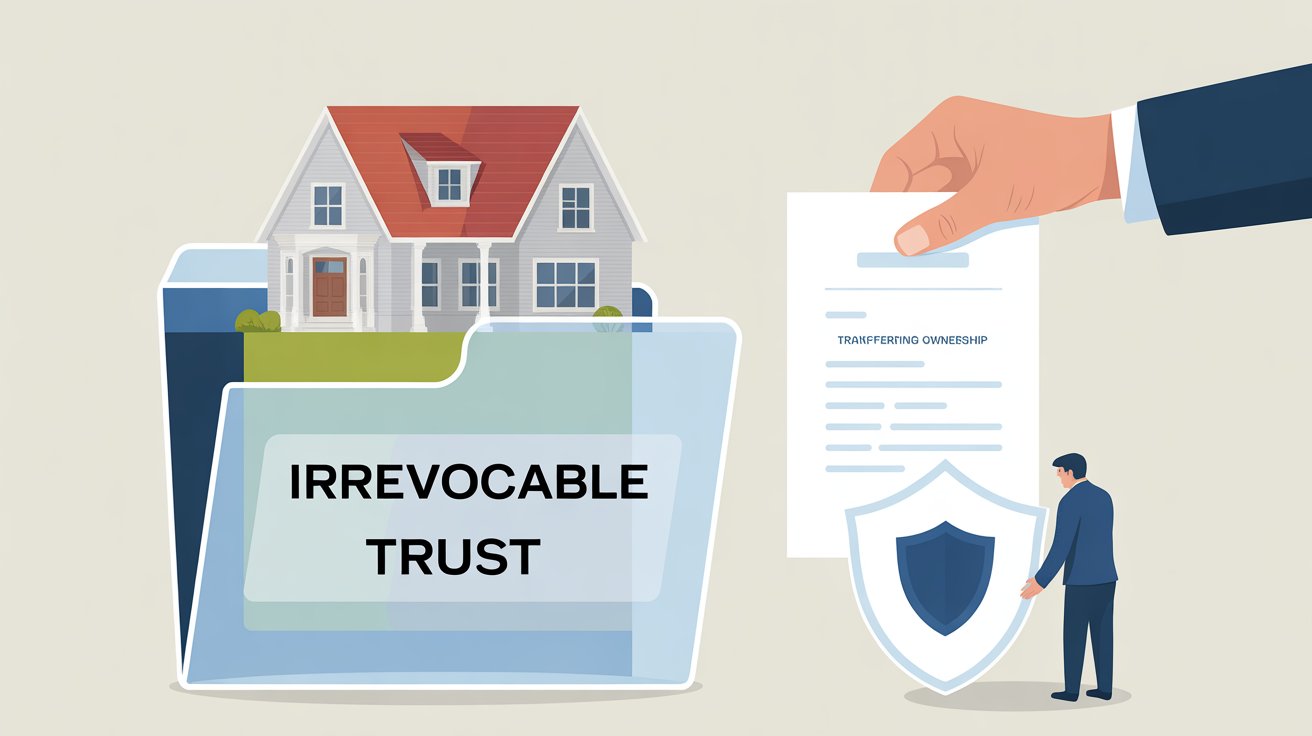
An irrevocable trust is a legal structure where you transfer ownership of your assets, including your home, into a trust.
Once it’s created, you generally cannot change or cancel it on your own. The property no longer belongs to you personally. It belongs to the trust.
Why People Put a House Into an Irrevocable Trust
There are several reasons families do this. The most common ones are protecting assets from creditors, lowering estate taxes, and qualifying for Medicaid without losing the home.
Some parents also use it to pass property to their children in an organized way. It’s a long-term planning tool.
Can You Sell a House in an Irrevocable Trust Before Death?
Yes, you can. But the trust document controls whether a sale is allowed.
If the trust gives the trustee power to sell, the process can move forward. If it doesn’t, you may need a court order.
Before you assume anything, read the trust document carefully. That one step saves a lot of time.
Who Has the Legal Authority to Sell the House?
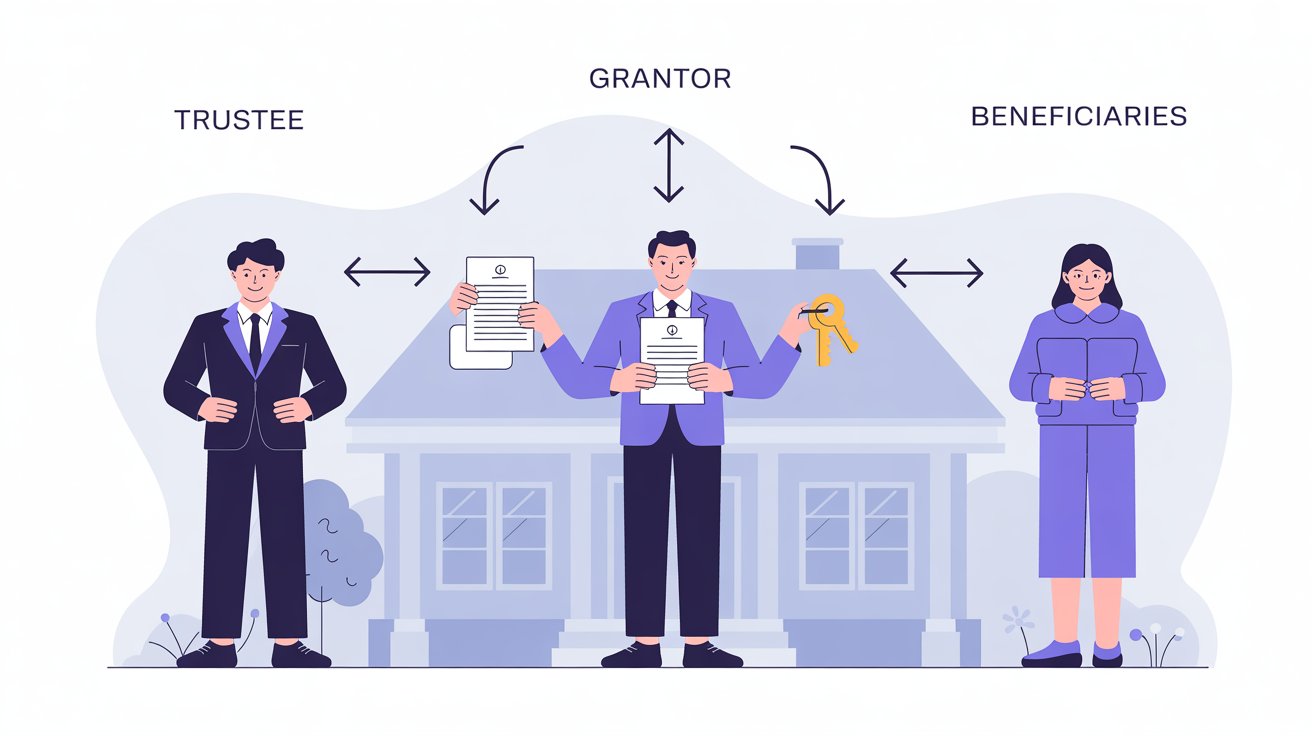
The authority to complete a trust property sale sits with the trustee, not the original homeowner.
Role of the Trustee
The trustee manages the trust and its assets. If the trust document gives the trustee authority to sell the property, they can initiate the sale.
The trustee has a legal duty to act in the best interest of the beneficiaries, not for personal gain. When a house owned by an irrevocable trust is sold, the trustee handles all legal documents at closing.
Role of the Grantor
The grantor is the person who created the trust. In an irrevocable trust, the grantor generally gives up control.
Depending on how the trust was written, the grantor may still hold limited rights, but they cannot simply sell the home like it’s still theirs.
Role of the Beneficiaries
Beneficiaries receive the benefits of the trust. Some trusts require their written consent before any property is sold.
Others give the trustee full authority. It depends entirely on the language in the trust document.
How Selling a House in an Irrevocable Trust Before Death Works
Here’s a straightforward breakdown of the steps:
- Read the trust document to confirm a sale is allowed.
- The trustee agrees and starts the trust real estate sale process.
- Get written consent from beneficiaries if required.
- Hire a real estate agent who has experience with trust property sales.
- The trustee signs as the seller during closing.
- Sale proceeds go directly into the trust account.
The key difference here is that the trustee signs all documents, not the original homeowner. That’s a step many families miss when they first start the process.
Tax Implications of Selling a House in an Irrevocable Trust
Tax rules for selling real estate held in trust are different from a standard home sale, and the timing of that sale matters a lot.
Capital Gains Tax
When the house is sold inside an irrevocable trust, capital gains tax may apply. It’s calculated based on the difference between the sale price and the original purchase price. If the trust is a non-grantor trust, the trust itself pays this tax.
Step-Up in Basis Considerations
This is a major factor. Assets sold before death do not receive a step-up in basis. That means more capital gains tax is owed compared to waiting until after the grantor’s death. For families with high-value properties, this can be a significant cost.
Income Tax Responsibilities
Trust income from a sale is often taxed at trust income tax rates, which can be higher than individual rates. A tax advisor can help you review your specific situation before you commit to selling.
Estate Tax Effects
Selling the home before death removes it from the taxable estate. For large estates, this can reduce estate taxes. However, the sale proceeds remain in the trust and may still count depending on the trust’s structure.
Here is a quick side-by-side look at how timing affects the tax outcome when you sell property in an irrevocable trust:
| Factor | Before Death Sale | After Death Sale |
|---|---|---|
|
Step-up in basis |
No |
Yes |
|
Capital gains tax |
Usually higher |
Often lower |
|
Who controls sale |
Trustee |
Beneficiaries |
|
Estate tax impact |
Reduced |
Depends on estate value |
Reviewing these factors with a tax advisor before moving forward can save the trust a significant amount of money.
What Happens to the Money After Selling a House in an Irrevocable Trust
The proceeds go into the trust’s bank account.
The trustee then manages those funds according to the trust’s instructions. They can reinvest the money, distribute it to beneficiaries, or hold it.
The grantor does not receive the money directly. This surprises many families who assumed the original owner would get paid.
When selling property in an irrevocable trust, the trust document always dictates where the money goes.
Pros and Cons of Selling a House in an Irrevocable Trust Before Death
Before moving forward with a trustee selling trust property, it helps to see the full picture laid out clearly.
| Pros | Cons |
|---|---|
|
Removes property from taxable estate |
No step-up in basis means higher capital gains tax |
|
Sale proceeds are protected from personal creditors |
Grantor has no direct access to the sale money |
|
Funds can cover care costs or other needs |
Court approval may be needed if the trust restricts sales |
|
Simplifies asset management during the grantor’s lifetime |
Beneficiary disputes can slow or block the sale |
Every family’s situation is different, so weigh these points carefully with an estate attorney before making any decisions.
Situations When Selling a House in an Irrevocable Trust May Require Court Approval
Not every trust sale goes smoothly. Court approval may be required if the trust document does not clearly allow a sale, if beneficiaries refuse to give consent, or if there is a dispute over the property’s value.
In these cases, a probate attorney can help you file a petition with the court.
Common Mistakes to Avoid
I’ve seen families run into these issues:
- Assuming the grantor can sell the home like a regular owner.
- Not checking the trust document before contacting a real estate agent.
- Failing to open a separate trust bank account for the proceeds.
- Skipping a tax advisor before the sale, leading to surprise tax bills.
- Moving forward without proper legal authority and invalidating the sale.
Alternatives to Selling the House
If selling feels complicated, there are other paths. You can rent the property so the trust collects ongoing income.
You can also wait until after death, when beneficiaries inherit the property with a step-up in basis, which lowers capital gains tax.
In some cases, refinancing is another option. Speak with an estate attorney to find what fits your situation best.
Real Example Scenario
A mother placed her home into an irrevocable trust 10 years ago. She later needed funds for nursing home care.
Her son, the trustee, reviewed the trust document and confirmed he had authority to sell. He listed the home, got written consent from his two siblings who were beneficiaries, and closed the sale.
The proceeds went into the trust account and were used to pay for her care. No court involvement was needed because the document clearly allowed it.
This is a very manageable process when the right steps are followed from the start.
Key Takeaways
Let’s have a look at the main points:
- Selling a house in an irrevocable trust before death is possible if the trustee has authority under the trust document.
- The trustee signs all sale documents at closing, not the grantor.
- Capital gains tax is usually higher when selling before death because there is no step-up in basis.
- All sale proceeds go into the trust account and are managed according to trust terms.
- Always review the trust document before listing the property or contacting an agent.
Conclusion
Understanding the rules around selling a house in an irrevocable trust before death helps families avoid legal mistakes and unexpected tax problems.
Families considering selling a house in an irrevocable trust before death should carefully review the trust document and tax implications before moving forward.
The trustee holds the authority. The trust document sets the terms. Work with a qualified estate attorney and a tax advisor before taking any steps.
Every trust is different, and small details can change the outcome. The goal is always to protect the assets and the people who depend on them.
Have you reviewed your trust document lately?
Frequently Asked Questions
Can a grantor sell a house that is in an irrevocable trust?
Generally no. Once the trust is set up, the grantor gives up ownership of the property. Only the trustee has the legal authority to sell, based on what the trust document allows.
Do all beneficiaries need to agree before a trust property is sold?
It depends on the trust document. Some trusts require written consent from all beneficiaries before a sale, while others give the trustee full authority to act without their approval.
What capital gains tax applies when trust property is sold before death?
The tax is based on the difference between the sale price and the original purchase price. Since there is no step-up in basis before death, the tax owed is often higher than it would be after the grantor dies.
Can a court force the sale of a house inside an irrevocable trust?
Yes, in some cases. If there is a legal dispute or the trust document does not clearly permit a sale, a probate court can step in and approve or order the sale.
Is it better to sell trust property before or after the grantor’s death?
Waiting until after death often means beneficiaries receive a step-up in basis, which lowers capital gains tax. Selling before death may still make sense if funds are needed for care or other financial reasons.