

A special warranty deed only protects you against title problems that happened while the current seller owned the property.
Anything from before their ownership is not covered. This matters because it changes how much protection you get at closing.
On the deed, the seller is called the grantor and you, the buyer, are called the grantee.
Sellers often choose this deed because it limits what they are responsible for after the sale. Knowing this difference helps you decide what extra steps to take before you sign.
Is a Special Warranty Deed Safe to Buy With?

Safety depends almost entirely on the property's ownership history. A clean record with few past owners carries less risk, while a property with a long or unclear ownership history needs more checking before you commit.
Most buyers can judge this with help from a title company and a real estate attorney, who review the public record and flag anything that looks off.
This deed is common and low risk in many everyday sales. Newer homes with only one or two past owners tend to have fewer hidden title problems.
Builders and banks both use this deed type as a standard part of their sales process, and buyers rarely run into trouble when the record is short and well documented.
Foreclosures, estate sales, and older homes carry a higher chance of hidden title issues, the more owners a home has had, the more room there is for something to have gone wrong on paper.
In these cases, a full title search and a real estate attorney are worth the extra time and cost. Skipping that step to save money often costs far more later if a claim surfaces.
Why Do Sellers Use a Special Warranty Deed?

Sellers use it to limit their responsibility for claims they had no part in creating. Sellers use this deed to limit how much responsibility they carry after closing.
It protects them from claims tied to owners before their time, which matters most when the seller was not involved in the property for long.
Four types of sellers rely on it most often, each for a slightly different reason tied to how they came to own the property in the first place.
Foreclosed and Bank-Owned Properties
Banks rarely know the full history of a foreclosed home, often called an REO. A special warranty deed shields the bank from claims tied to earlier owners.
This is why almost every bank sale uses this deed instead of a general one, and it is one reason these homes sometimes sell below market price.
Buyers should expect to do more of the title checking themselves in these deals.
New Construction Homes
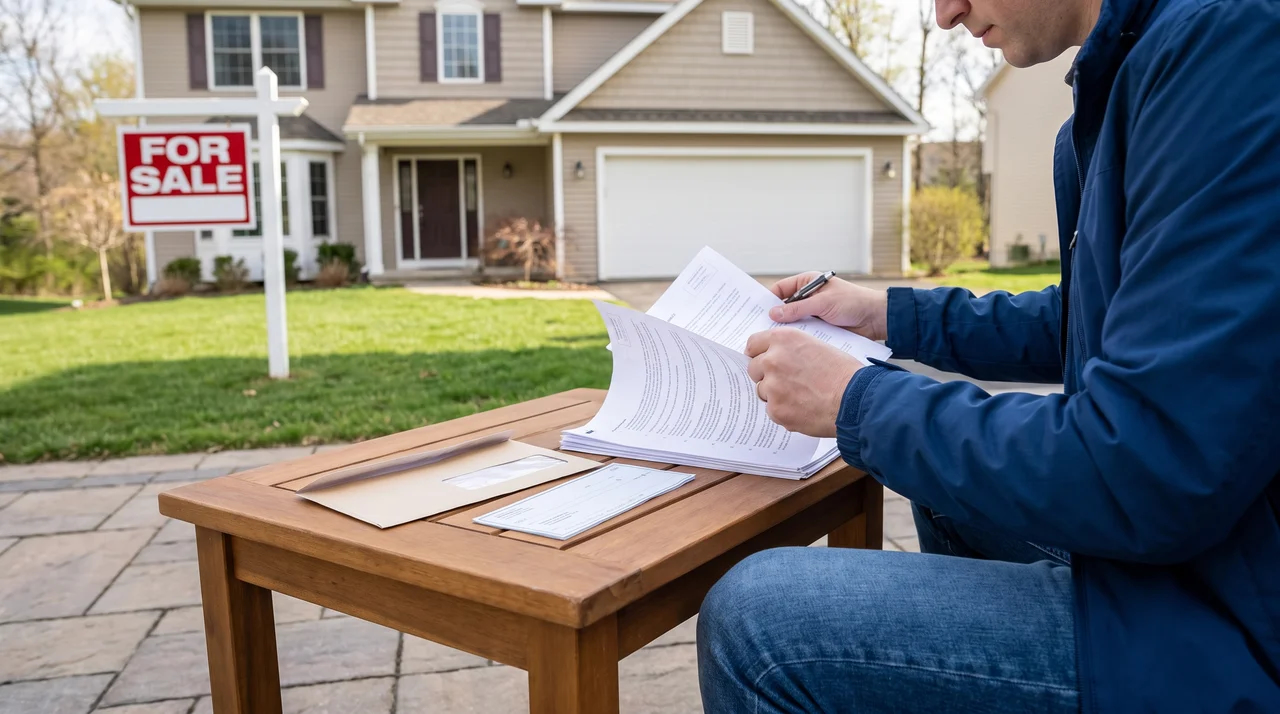
Builders often owned the land for only a short time before building on it.
Because their ownership window was brief, they can only speak to that period, not the land's history before they bought it.
This keeps their legal exposure low and speeds up closing, and buyers usually face less risk here since the ownership history is short.
Commercial Real Estate Sales
Business property sales tend to move fast and involve several parties. A special warranty deed keeps the transaction simpler for the seller.
It is standard practice in most commercial deals, and buyers in this space typically bring their own legal team to review the terms before closing and confirm the title is clear.
Estate and Trust Sales
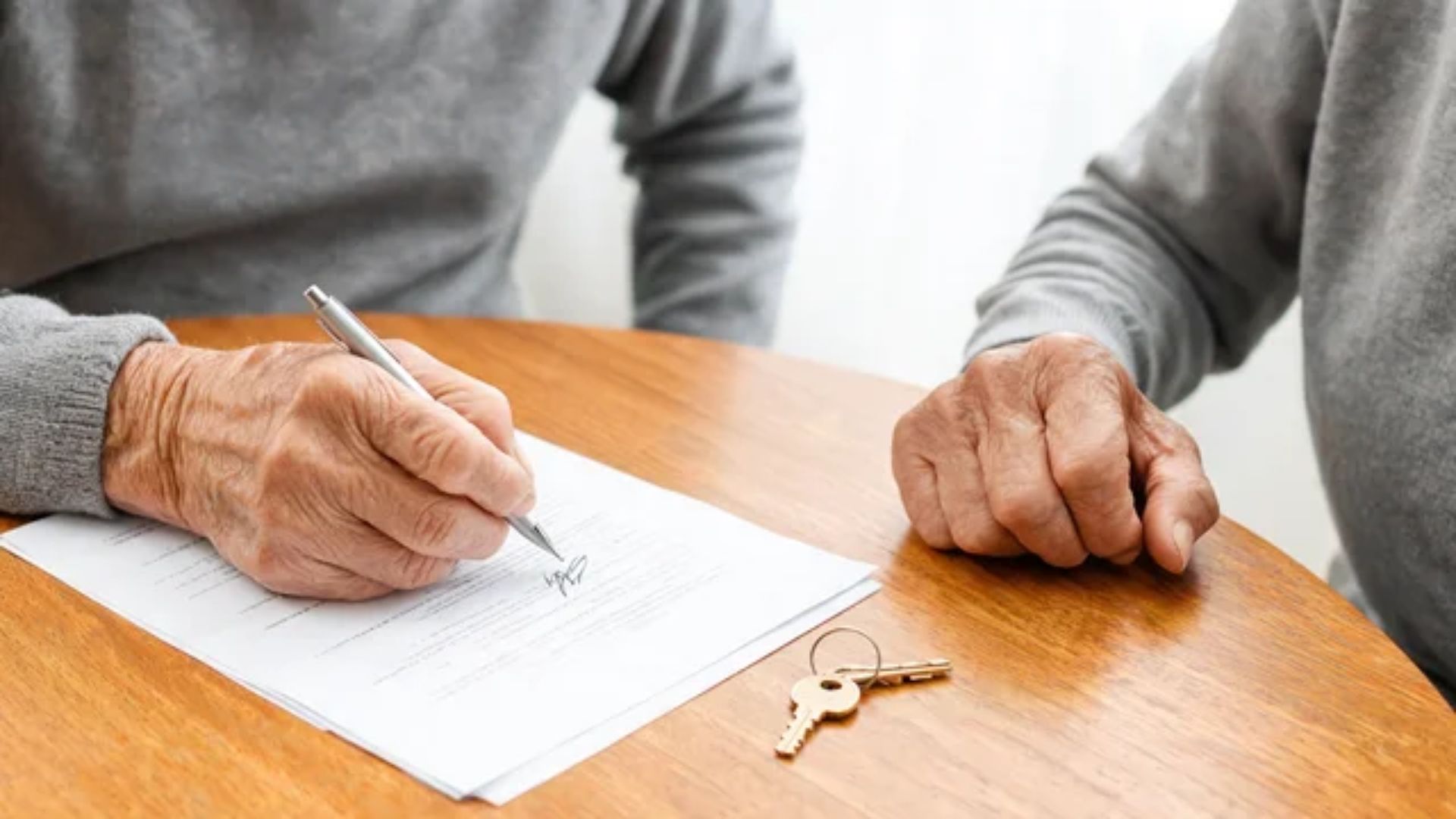
Executors selling inherited property often do not know its full history.
As a fiduciary seller, an executor uses this deed to keep the estate clear of claims tied to earlier generations of ownership.
Buyers should ask extra questions in these cases before moving forward, since the property may have passed through several family members over the years.
What Risks Come With a Special Warranty Deed?

Older title problems become the buyer's problem, not the seller's.
Older title problems are not covered, so more risk falls on you as the buyer. Four issues come up most often, and each one can cost real time and money if it surfaces after closing.
Knowing what they look like helps you catch them before you sign, rather than dealing with them after you already own the property.
Title Defects From Previous Owners
Old ownership disputes or paperwork errors can surface years after you close. You would be responsible for resolving them, not the seller.
If an old claim does surface, you may need to file a quiet title action, a court process that clears up disputed ownership.
This process can be slow and costly, which is why catching issues early matters.
Unpaid Liens and Judgments
If a past owner left unpaid debts tied to the home, those debts can follow the property.
A common example is an HOA lien, where the homeowners association pursues the new owner for fees the old owner never paid.
A title search usually catches these before they become your problem, but it only works if it covers the full ownership history, not just recent years.
Easements and Boundary Disputes
Old agreements about shared driveways or property lines may still apply to your home. These issues do not always show up right away.
They can surface years later when a neighbor raises a concern, which is why a property survey is worth the cost before closing.
A survey shows exactly where the boundaries sit, so there is less room for a dispute to catch you off guard.
Limited Seller Liability
The seller is not responsible for anything that happened before they owned the home. That gap is where your risk sits.
It comes down to the covenant of title, the seller's legal promise about what they will and will not stand behind.
Title protections and record-keeping quality also vary by state, so a clean history in one state may raise more questions in another.
How Does Title Insurance Help?

Title insurance covers exactly the gap the deed leaves open.
Title insurance closes the gap that a special warranty deed leaves open. It covers you against ownership disputes, forged documents, and liens tied to the property.
Most lenders require it before closing, but owner's title insurance goes further and protects you personally, not just the lender.
Since the seller is not covering older issues, this insurance becomes your safety net. Skipping it is risky, especially on properties with a longer or unclear ownership history.
Buying owner's title insurance is one of the most direct ways to close that coverage gap.
What to Do Before You Buy

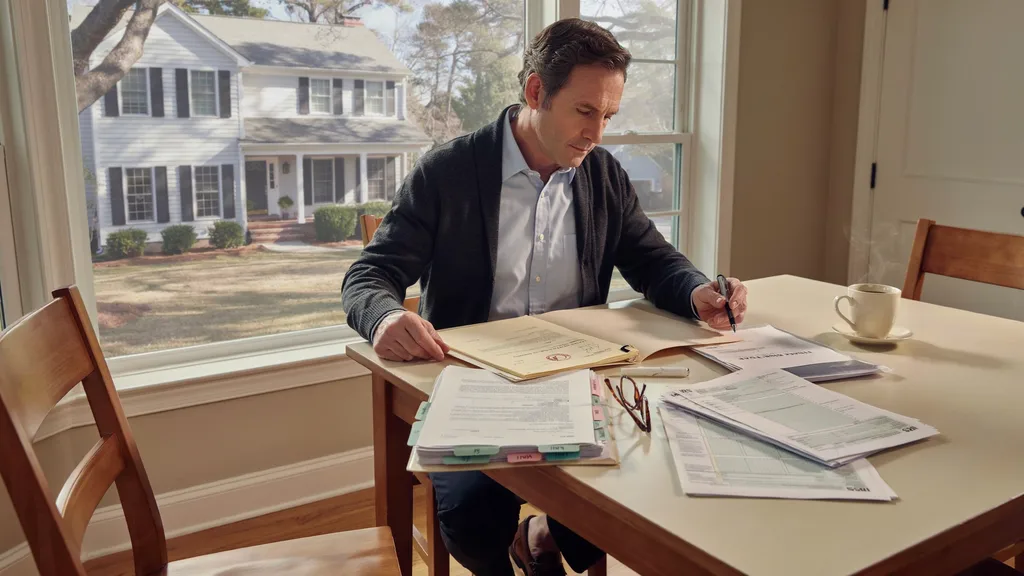
A short checklist can catch most problems before you're legally committed. Each step gives you information the deed itself doesn't.
- Request a full title search:Ask for a chain of title search, sometimes called a 60-year search, not just a basic check. A title company reviews public records for past claims, liens, and ownership gaps.
- Review the ownership history: Check how many times the home changed hands and how recently. Frequent transfers can be worth asking about.
- Get a property survey:This confirms the exact boundary lines and flags any encroachments or easements before they become your problem.
- Work with a real estate attorney: An attorney can review the deed, including the covenant of title language, and explain what it does and doesn't cover.
- Ask the seller why this deed is being used: Their answer can tell you a lot about the property's history and how open they're being with you.
Pros and Cons of a Special Warranty Deed

Faster and cheaper on one side, riskier and more work on the other.
| Pros | Cons |
| Faster closings compared to some other deed types | Less seller responsibility for older title issues |
| Common and accepted in commercial and bank sales | More risk falls on the buyer |
| Often paired with title insurance for added coverage | More research required on the buyer's end |
| Sometimes tied to a lower price, especially with foreclosures | Harder to negotiate on distressed sales |
Common Types of Property Deeds
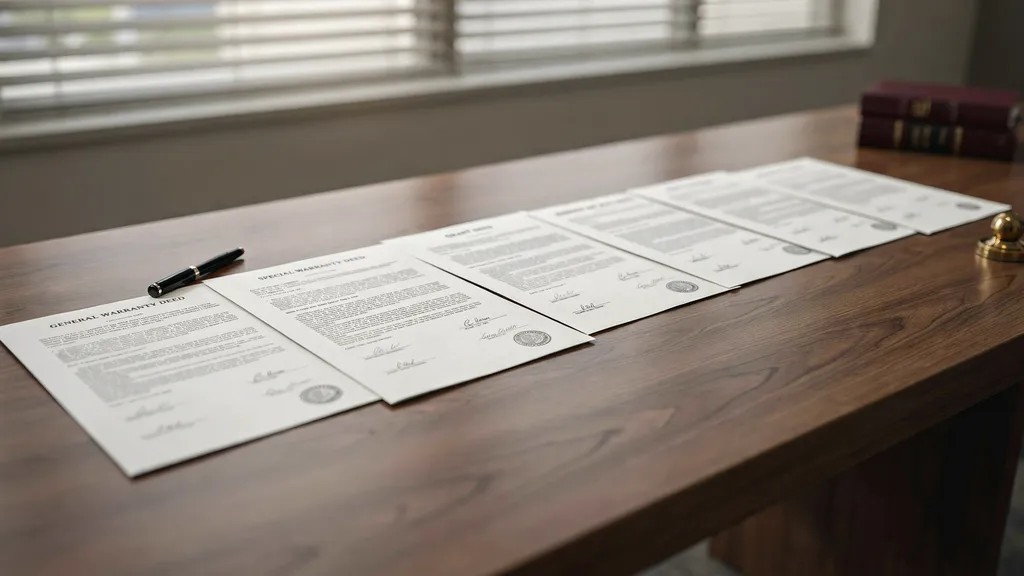
Coverage ranges from full protection down to none at all.
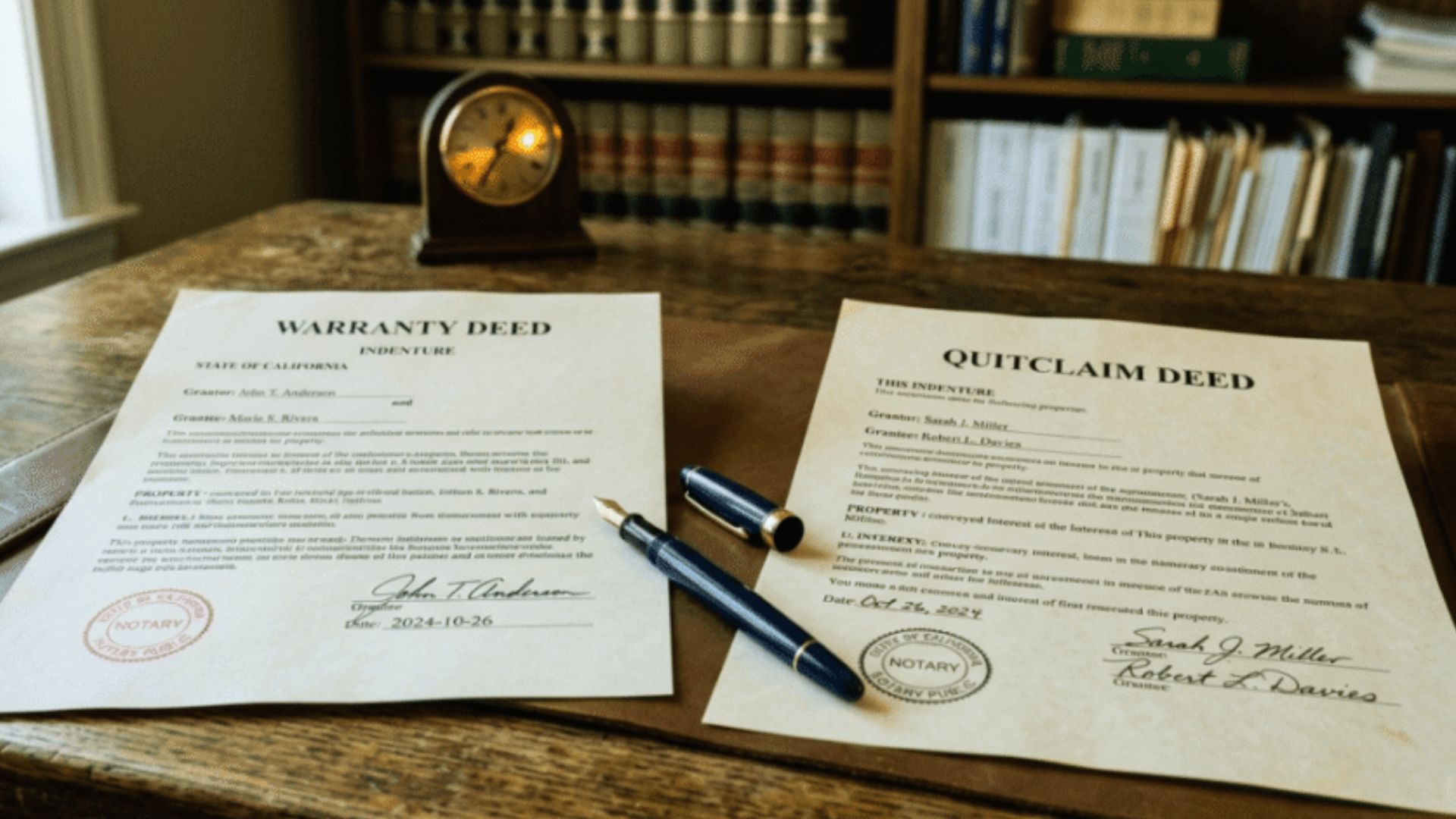
| Deed Type | What It Covers |
| General Warranty Deed | Covers the full ownership history, not just the seller's time with the property |
| Special Warranty Deed | Covers only the period the current seller owned the home |
| Quitclaim Deed | Offers no guarantees about the title, often used between family members |
| Grant Deed | Confirms the seller has not already sold the property to someone else |
| Bargain and Sale Deed | Implies ownership but offers limited protection against past claims |
| Deed of Trust | Involves a trustee who holds the title as security for a loan |
| Sheriff's Deed | Used in court-ordered foreclosure sales, with little to no buyer coverage |
Tips for a Smoother Purchase
Small habits before closing lower your risk without costing much time.
- Buy owner's title insurance for added protection.
- Review public records before closing day.
- Have a real estate attorney read the deed in full.
- Never skip the title search, even if it costs extra.
- Ask the seller direct questions about the property's past.
Mistakes to Avoid
Most buyer mistakes here come down to skipping a step to save time or money.
- Assuming the seller guarantees the entire title history.
- Skipping title insurance to save money.
- Ignoring existing liens or encumbrances on the property.
- Not asking why a special warranty deed is being used.
- Rushing through closing without reading the deed in full.
Conclusion
Buying with a special warranty deed is manageable once you know where the gaps sit. More of the responsibility for the property's past lands on you, so a short checklist matters, order a full title search, get a survey, buy owner's title insurance, and have an attorney read the deed before you sign.
These steps can save you thousands of dollars and months of stress later. If you're not sure where to start, a real estate attorney or a local title company is the right first call.
Frequently Asked Questions
Quick, direct answers to the questions buyers ask most.
Is a special warranty deed bad?
Not on its own. It means the seller offers less coverage than a general warranty deed. Your actual risk depends on the property's history and how well documented it is.
Do I need title insurance with a special warranty deed?
Yes, it is strongly recommended. It covers the gaps the seller's deed does not, including older claims and liens tied to the property.
Can I ask for a different deed type?
Sometimes. Ask your agent if a general warranty deed is possible, though sellers on bank sales or estate sales may decline.
How do I check a property's title history?
Hire a title company to run a full chain of title search. This uncovers most liens, judgments, and past ownership claims before you close.
Are special warranty deeds common in home sales?
They are common in foreclosures, new construction, and commercial deals, but less common in typical resale homes between individual owners.