

Missing rent or breaking lease rules can put you in a tough spot. If you’re worried about what happens when you default on a lease, you’re not alone.
Many tenants face this situation and don’t know where to turn. This article explains what a lease default is, what your landlord can do, and how you can protect yourself.
You’ll also find practical steps to fix the problem before it gets worse. A default often starts with a written notice rather than a court date, which usually gives you a short window to fix the problem before the landlord can escalate.
Understanding Lease Default
A lease default is more serious than a simple late payment and can trigger legal action if left unaddressed.
Defaulting on a lease means you have failed to meet one or more legal obligations stated in your rental agreement.
This goes beyond missing rent and includes any significant violation that breaches the contract.
In legal terms, a default is treated as a breach of contract that gives the landlord specific remedies under the lease and applicable state law.
Common reasons tenants default include non-payment of rent, unauthorized occupants, keeping prohibited pets, subletting without permission, property damage, or illegal activity on the premises.
Lease violations also fall into two clear categories:monetary default, such as missing rent or unpaid charges, and non-monetary default, such as breaking use or maintenance rules.
Job loss and medical emergencies often drive non-payment, but the cause rarely changes the legal outcome.
Not every violation immediately becomes a default. Many landlords first issue a cure or quit notice that gives tenants a set number of days to fix the problem before the default becomes official. The deadline depends on your state and your lease.
Every lease also contains a default clause that defines exactly what counts as a default and what steps the landlord can legally take next.
What Happens If You Default on a Lease?

Once a notice period passes without a fix, your landlord can choose from several remedies, and what you owe depends on which ones they use.
What Your Landlord Can Do After a Default
Once you are in default, your landlord has several legal options.
These vary by state, but common actions include:
- Sending a written default notice
- Terminating the lease if the default isn’t fixed by the deadline in the notice
- Filing for eviction in housing court using an unlawful detainer action
- Suing you for unpaid rent or damages
- Hiring a collection agency to recover money owed
- Reporting the debt to credit bureaus
Depending on your state and lease, your landlord may be able to apply your security deposit to unpaid rent and damage first, and may still pursue you for any balance the deposit does not cover.
They may also pursue a judgment against you, which allows them to garnish wages or place a lien on your property.
Some leases also include an acceleration clause, which means all remaining rent for your lease term could become due immediately once you default.
Financial Consequences You May Face
The financial impact of a lease default can be significant.
You may owe:
- All unpaid rent through the end of your lease term
- Late fees and penalties outlined in your lease
- Court filing fees if the landlord sues you
- Attorney fees if the lease has a fee-shifting clause
- Costs to repair any damage you caused
Depending on your state, your landlord may be required to make a reasonable effort to re-rent the unit. This is called the duty to mitigate.
Say you pay $1,400 a month and have six months left on the lease. If your landlord re-rents after two months, you may owe about $2,800 plus re-letting costs instead of $8,400. If the unit sits empty, you could owe the full amount.
How a Lease Default Can Affect Your Credit and Rental History
A lease default can show up on your credit report in a few ways. If your landlord sells the debt to a collection agency, that account will appear on your credit file and can stay there for up to seven years.
Eviction cases can also show up in tenant screening reports. Future landlords often check these reports during the screening process.
A default on your record can make it very hard to rent again, especially in competitive housing markets.
Even if you eventually pay the debt, the record of the default may still appear. Some landlords will work with you if you can show the debt is paid, but others may still decline your application.
Can You Be Evicted After Defaulting?
Yes, eviction is a real possibility after a lease default. However, it is not instant.
Landlords must follow a legal process that includes giving proper written notice, filing an unlawful detainer in court, attending a hearing, and waiting for a court order before removing you.
The timeline varies by state, and it usually starts with a short notice period. For unpaid rent, that is often 3 days in states like California and Texas, or 14 days in New York. From there, some eviction cases move within a few weeks, while others take months if the court is backlogged.
If you are served with court papers, respond by the deadline printed on them. A tenant who ignores a summons can lose by default judgment without ever telling their side.
You have the right to appear at the hearing and present your side. Many tenants are able to work out a deal before the eviction is finalized.
What Should You Do If You Default on a Lease?

Your first moves are about buying time: find out exactly what you owe, then reach your landlord before any notice period runs out.
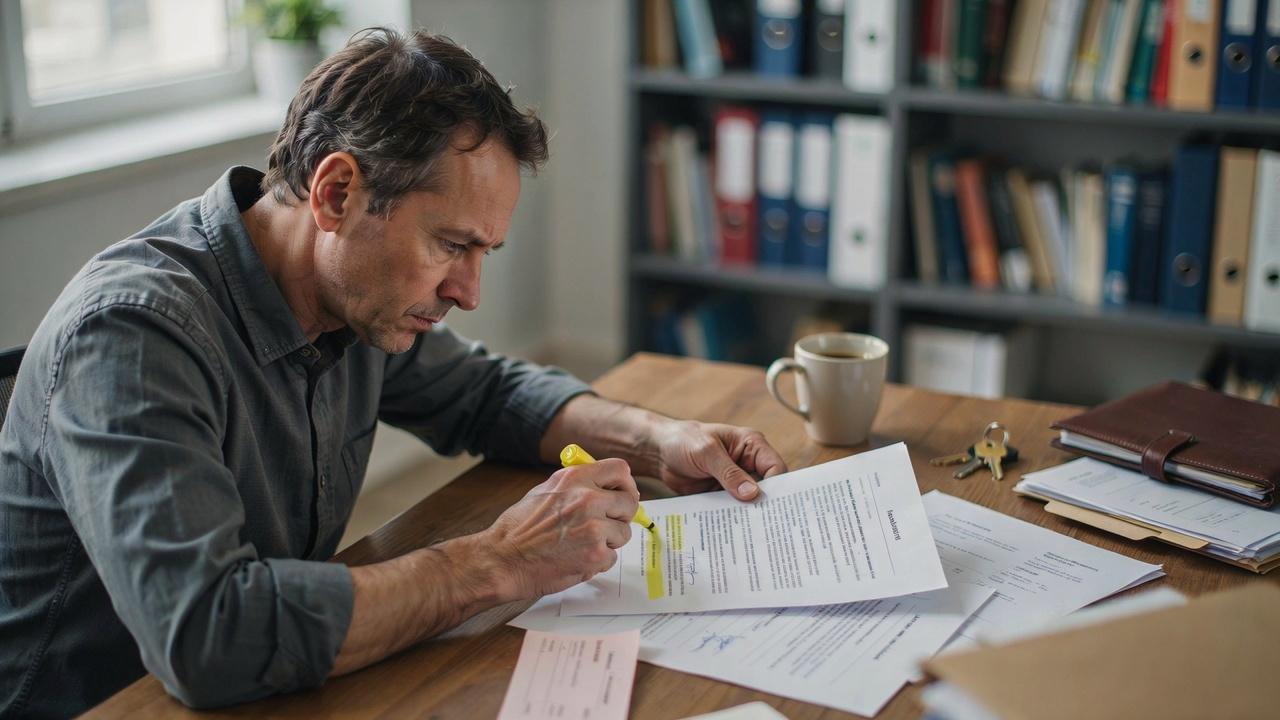
Review Your Lease Agreement
Start by reading your lease carefully. Look for the default clause that explains what happens in case of a violation.
Check the notice requirements, any grace periods, and whether there are cure provisions that let you fix the problem.
Also look for any clauses about fees, court costs, or remedies. Knowing exactly what your landlord is entitled to will help you understand your situation clearly and decide your next step.
Contact Your Landlord as Soon as Possible
Reaching out to your landlord early shows good faith. Many landlords prefer to resolve issues without going to court because evictions cost time and money for them too.
Call or email your landlord and explain your situation honestly. Keep it brief and focused on solutions. Ask whether there is any flexibility on timing or payment.
A landlord who hears from you first is more likely to work with you than one who has to chase you down.
Always follow up any verbal conversations with a written message. This creates a record you can refer to later if needed.
Discuss Payment Plans or Other Solutions
If you owe back rent, ask about a payment plan. Many landlords will agree to accept partial payments over time rather than going through the court process.
Get any agreed plan in writing and stick to it. In some cases, a landlord may also consider a forbearance agreement, a written deal that pauses legal action while you catch up on what you owe.
Other possible solutions include:
- Asking a family member or friend to help with a short-term loan
- Calling 211 or your county housing department to ask about emergency rental assistance, since funds are limited and often run out
- Working with a nonprofit that provides tenant support services
- Negotiating a mutual lease termination if staying is no longer realistic
When to Seek Legal Advice
If your landlord has already filed for eviction or is threatening legal action, it’s time to consult a lawyer. Many cities have free or low-cost tenant legal aid services.
Look for a local tenants’ union, legal aid office, or bar association referral program.
A lawyer can review your lease, explain your rights, represent you in court, and help you negotiate. Even one consultation can give you a much clearer picture of your options.
Don’t wait until you have a court date to reach out.
Can You Recover From a Lease Default?

A lease default doesn’t always end in eviction or lasting damage. What you can still do depends mostly on one thing: whether your landlord has filed in court yet.
Ways to Resolve the Default Before Eviction
The best time to fix a default is before your landlord files in court. Once a case is filed, it often becomes part of the public record even if it’s later dismissed.
Options to resolve the default early include:
- Paying all overdue rent and fees in full
- Agreeing to a written repayment plan or forbearance agreement
- Fixing the lease violation if it’s something correctable
- Negotiating a move-out agreement with your landlord
Many landlords will drop a notice or hold off on filing if you show real effort to fix the problem.
Paying Overdue Rent and Other Lease Obligations
If non-payment is the issue, try to pay everything you owe as quickly as possible. In some states, if you pay in full before the court date, the case may be dismissed. Some courts call this “redemption.”
If you can only pay part of what you owe, pay what you can and ask for a written receipt each time. A partial payment does not stop a notice or a court filing on its own, and some landlords accept it while reserving the right to continue the case, so ask in writing how the money will be applied.
Also address any other violations. If you have an unauthorized pet or occupant, removing them may be part of resolving the default.
Negotiating a Settlement or Lease Modification
A settlement might involve a reduced payoff amount, a temporary rent reduction, or a revised payment schedule.
A lease modification might adjust rent terms, extend a grace period, or change other conditions.
Put every agreement in writing. Both you and your landlord should sign it. A verbal deal is difficult to enforce and easy to dispute later. A written agreement protects you both.
When Moving Out May Be the Best Option
Sometimes staying isn’t realistic. If you genuinely can’t afford the rent and there’s no near-term change expected, agreeing to move out voluntarily may be the smarter path.
A negotiated move-out can sometimes avoid an eviction filing altogether.
Ask your landlord if they will accept a mutual lease termination. In exchange for leaving by a set date, they may waive some of the fees or agree not to pursue you for the remaining term.
This keeps your rental record cleaner than a formal eviction would.
Lease Default vs Other Rental Situations
Notices, court papers, and lease clauses use similar words for different stages, and confusing them can make you miss a deadline.
| Comparison | Lease Default | Other Rental Situation |
| Lease Default vs Lease Breach | A default occurs when a lease breach is not corrected within the required timeframe or after receiving notice. | A lease breach is any violation of the lease terms. Not every breach becomes a default if the tenant fixes the issue promptly. |
| Lease Default vs Breaking a Lease Early | A default happens when a tenant violates the lease without resolving the issue or following the proper legal process. | Breaking a lease early is a voluntary decision to end the lease before it expires, often by following the lease terms and paying any required early termination fees. |
| Lease Default vs Eviction | A default is the legal reason that may lead to eviction if the issue remains unresolved. | Eviction is the legal court process used by a landlord to remove a tenant after a lease default or another valid legal reason. |
| Lease Default vs Lease Termination | A default is a lease violation that occurs while the rental agreement is still active. | Lease termination is the formal end of a rental agreement, either at the end of the lease term or by mutual agreement between the landlord and tenant. |
Tips to Avoid Defaulting on a Lease
Many defaults start with a single late payment or an ignored notice, so these habits focus on catching problems early.
Read the whole lease before you sign it. Pay particular attention to the default clause, late fees, grace periods, cure periods, and violation clauses, and ask about anything unclear before you commit.
Rent comes first in your budget. Aim to keep it within 30 percent of your income and hold at least one month of rent in savings for emergencies.
Tell your landlord before a payment slips. Most respond better to early notice and may waive the late fee. If the hardship is serious, look into emergency rental assistance in your area before you fall behind.
Keep records of every payment and message. Save receipts, emails, and bank statements, and get a signed receipt for anything paid in cash.
Confirm verbal agreements by email. A quick summary after each conversation protects you if a dispute comes up later.
Conclusion
Facing a lease default feels stressful, but knowing your options helps. Whether you’re dealing with missed rent or a lease violation, taking action early makes a big difference.
Review your lease, talk to your landlord, and find solutions before the situation becomes a legal matter. A lease default doesn’t have to follow you forever if you handle it the right way.
If this article helped you understand what to do, share it with someone who might need it or drop a question in the comments below.
Find our related guides on tenant rights and rental agreements for more helpful information.
Frequently Asked Questions
Can a landlord report a lease default to a credit bureau without going to court?
It can happen. A landlord can place unpaid rent with a collection agency, and the agency may then report the debt to the credit bureaus.
How long does a lease default stay on your rental history report?
Eviction records can stay on tenant screening reports for up to seven years, and collection accounts related to a default can stay on credit reports for up to seven years.
Does paying off a default remove it from your credit report?
Paying off the debt updates the account status but usually does not remove it. The record may still show as a paid collection for years.
Can a co-signer be held responsible if a tenant defaults on a lease?
Yes. A co-signer is equally liable for the lease. If the tenant defaults, the landlord can pursue the co-signer for unpaid rent and damages.
Is a default notice the same as an eviction notice?
No. A default notice informs you of a violation and gives you a chance to fix it. An eviction notice comes after the default remains unresolved.
“`html
“`