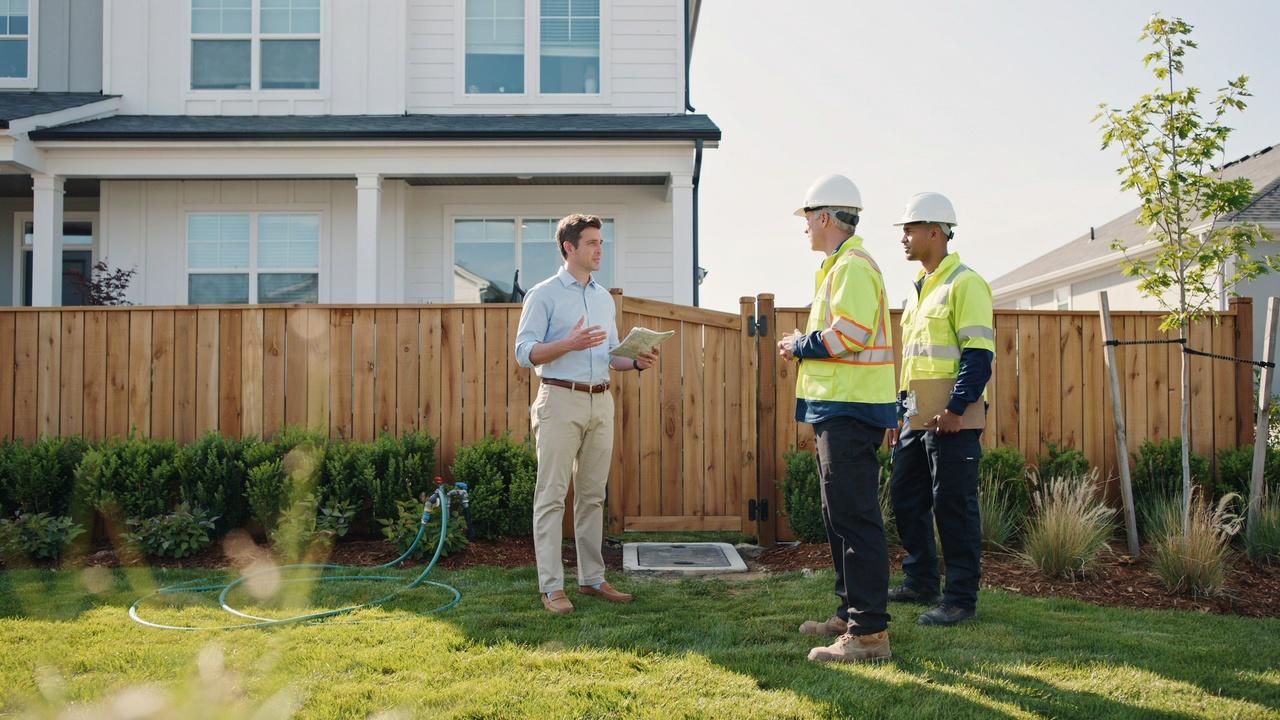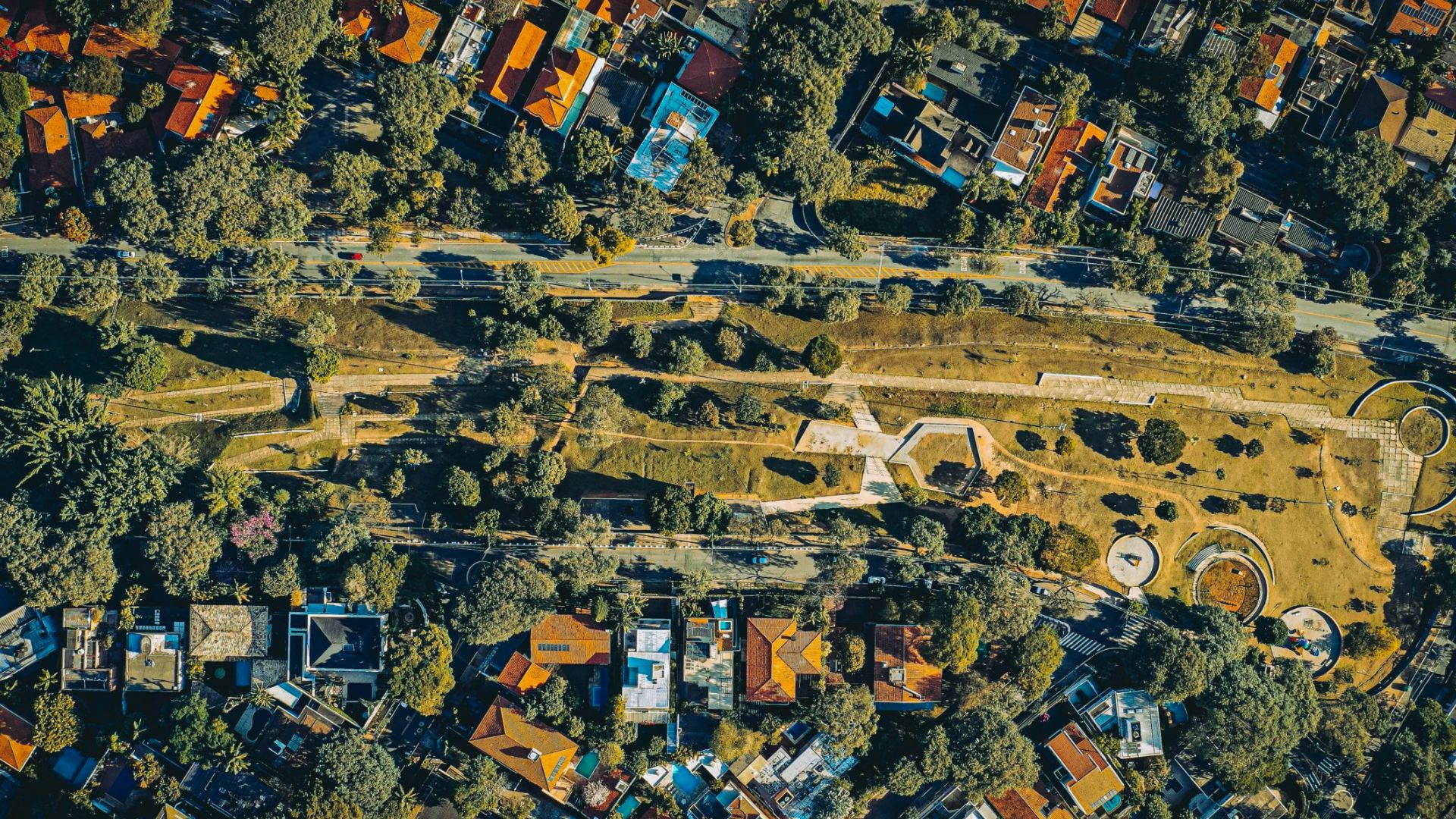
A drainage easement on your property gives a city, county, or utility the right to manage water runoff across part of your land, even though you still hold the title.
Finding this on your deed after closing can feel alarming. It's not a big deal once you understand what it actually means.
Here's what the easement covers: who owns and pays taxes on that strip, the difference between public and private easements, your maintenance duties, and how it affects your home's value.
Know where your boundary sits and what your rights are, and that part of your yard stops feeling like a mystery.
What Is a Drainage Easement?
A drainage easement is a legal right that lets someone other than the property owner use part of a lot for water management.
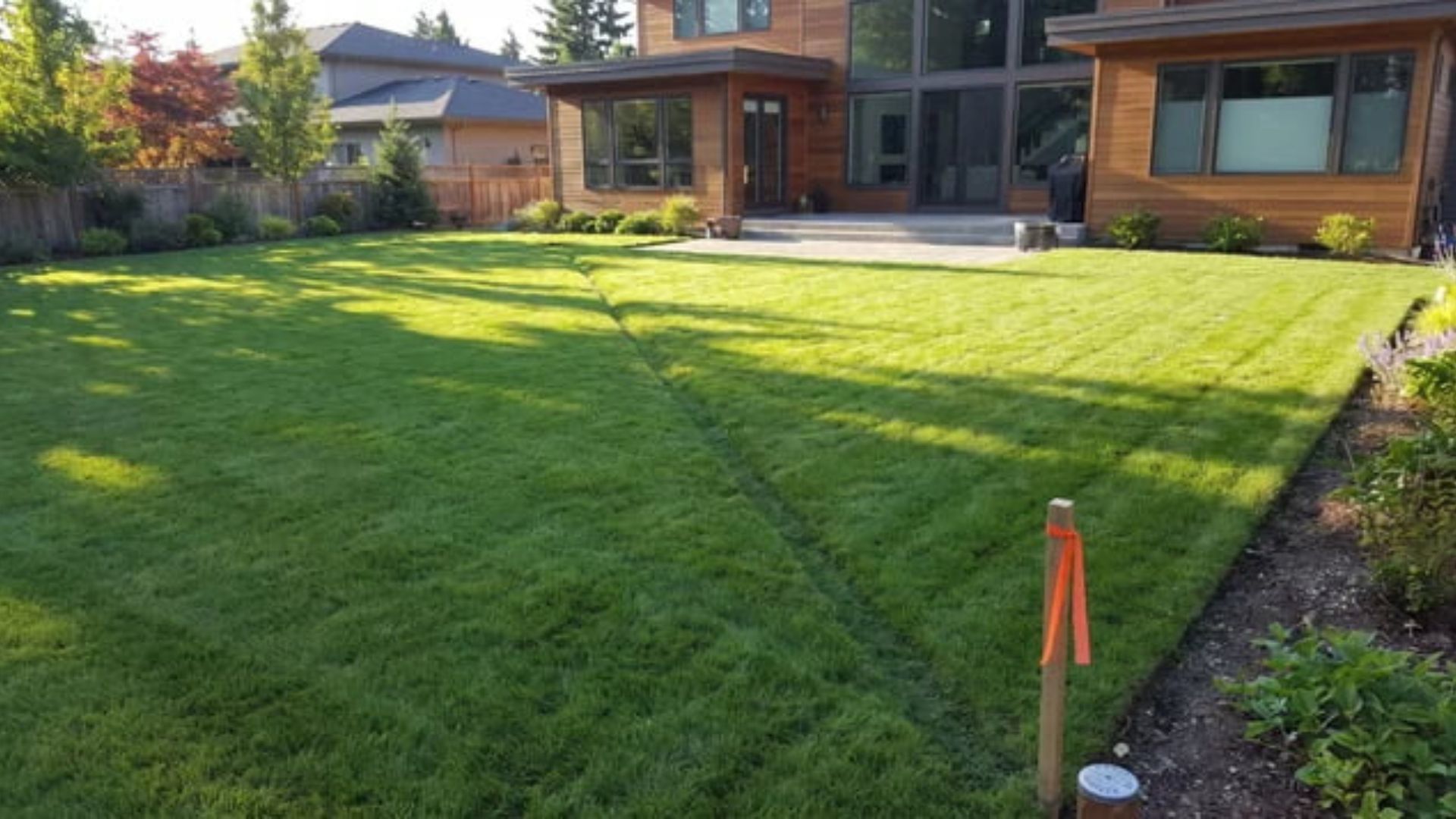
Think stormwater pipes, drainage ditches, or a swale that channels runoff during a heavy storm. The holder is usually a city or county government, sometimes a utility company, and occasionally an HOA if the community manages its own stormwater system.
It exists because water has to go somewhere. Without a controlled path, runoff floods streets, undermines foundations, and backs up into homes, so the easement creates a legally protected corridor to keep that from happening.
The easement gives the holder legal access to keep that path clear and working, even though the land underneath still belongs to you.
What Owning Land With a Drainage Easement Actually Means
Owning the land is only half the picture. Here's how ownership actually splits between you and the easement holder:
Who Owns and Pays Taxes on the Easement Area
You own the easement area, and you pay property taxes on it, even though you don't have full control over it. That surprises a lot of people. It feels wrong to pay tax on land you can't fully use.
The easement doesn't transfer ownership. It only grants a right of use for a specific purpose, usually water management.
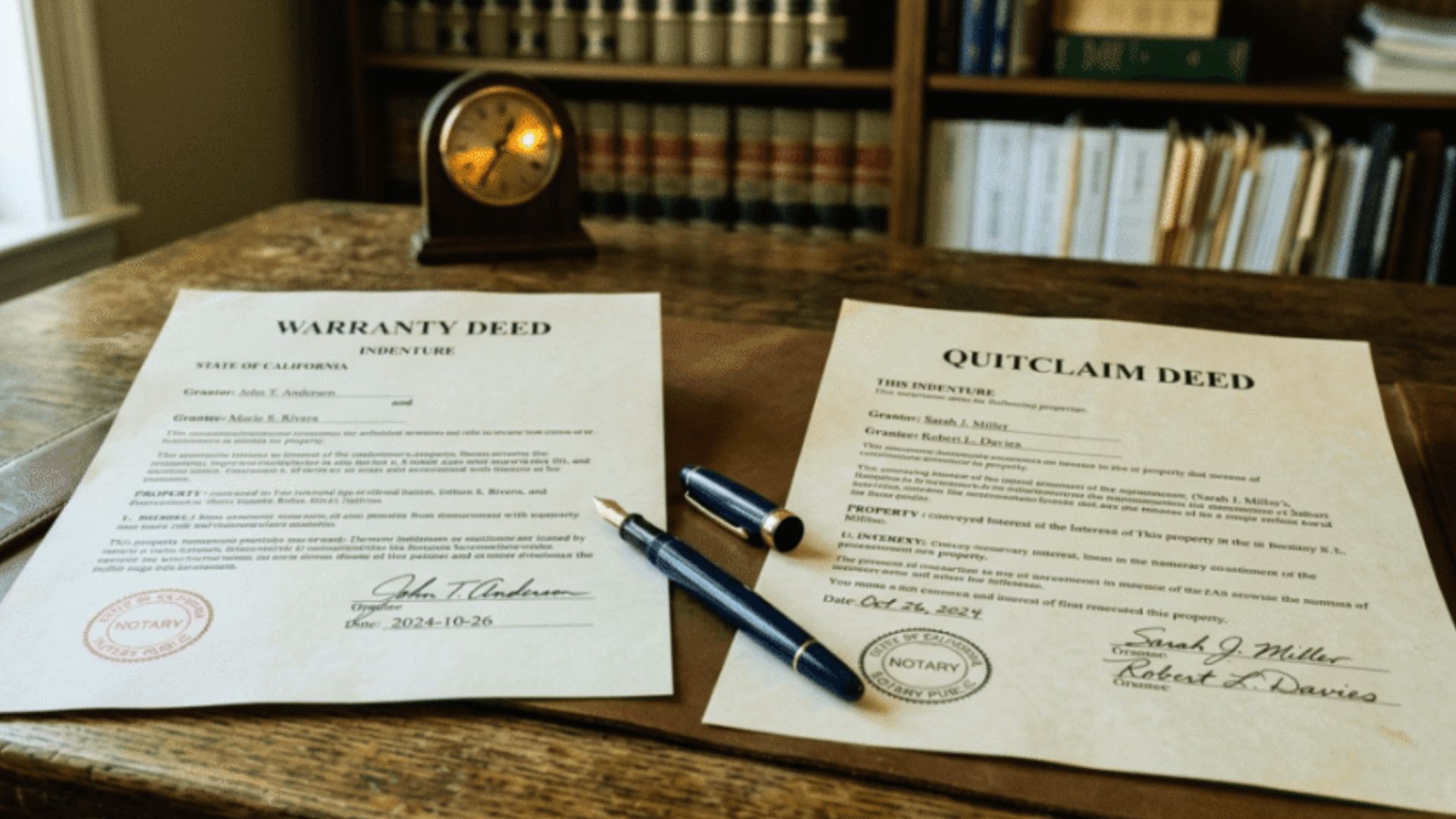
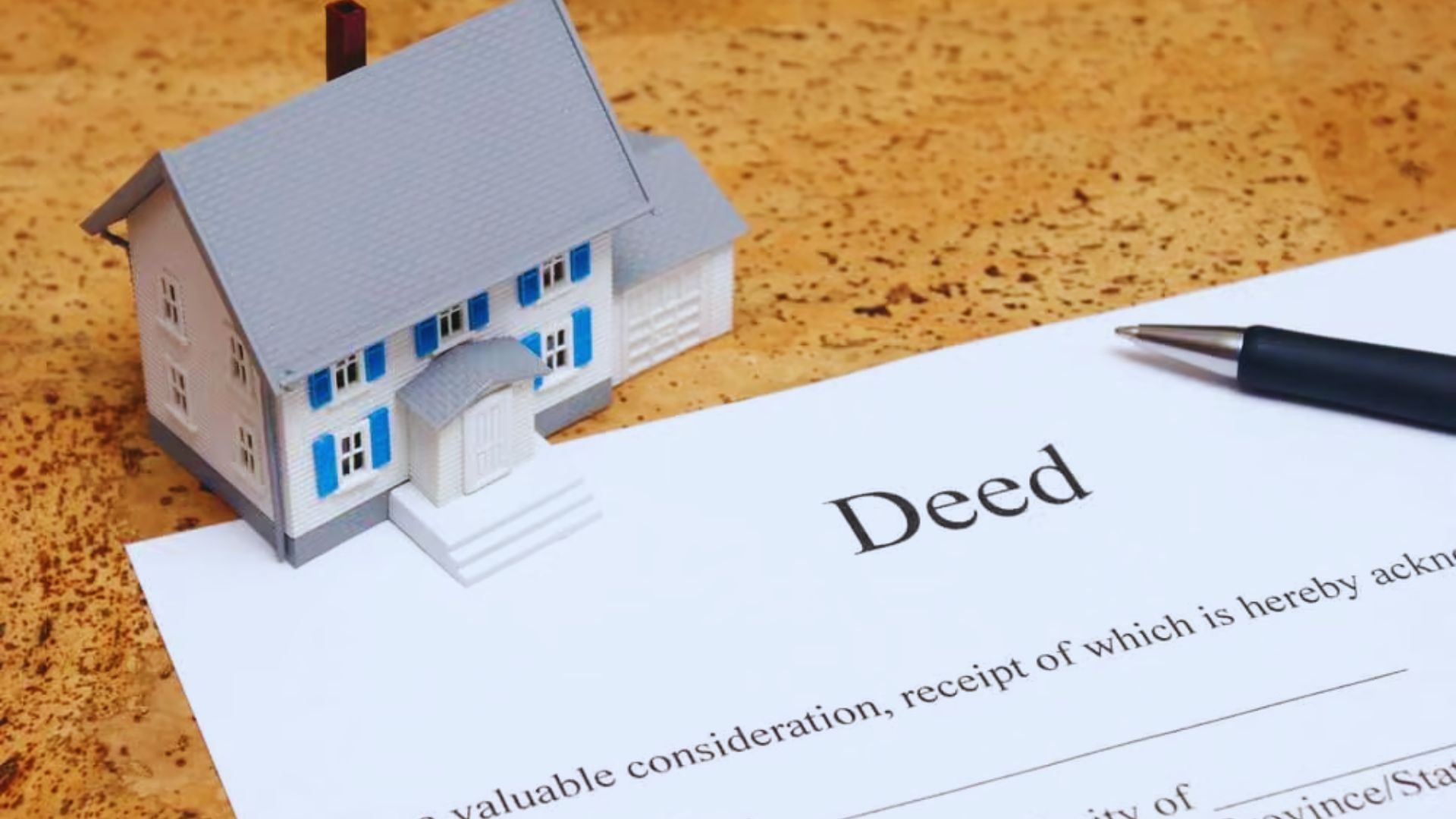
You'll find it recorded on the deed, along with a legal description of its boundaries. When you sell, that record transfers with the property.
Buyers and their lenders will see it during title review, so it rarely comes as a surprise at that stage, even if it does to first-time owners.
Public vs. Private Drainage Easements
A public easement is held by a government body or utility for community-wide stormwater systems. If a pipe under it fails, you call the city or county public works department, not a neighbor.
A private easement runs between two property owners. One lot uses part of another to route water toward a street or storm drain.
You can tell which one you have by checking the deed language or the plat map filed with the county. The document names the holder directly. That matters because it decides who shows up when something breaks, and who pays for the fix.
Access and Maintenance Responsibilities
You're not the only one with rights to this land. Here's who can enter, when, and who handles what once they're on it:
- Routine inspections usually come with notice, often a mailed or posted heads-up before crews arrive
- Emergencies, like a burst pipe or active flooding risk, skip that notice entirely
- You handle the small stuff:mowing, clearing leaves, and pulling weeds around the easement
- The authority handles pipe replacement, ditch regrading, and structural repairs
That split exists for a reason. Infrastructure work needs specialized equipment and liability coverage you don't carry as a homeowner. If you're unsure where your responsibility for easement maintenance ends and the authority's begins, it usually comes down to scale: small upkeep is yours, structural repairs are theirs.
Does a Drainage Easement Affect Home Value or a Home Purchase?
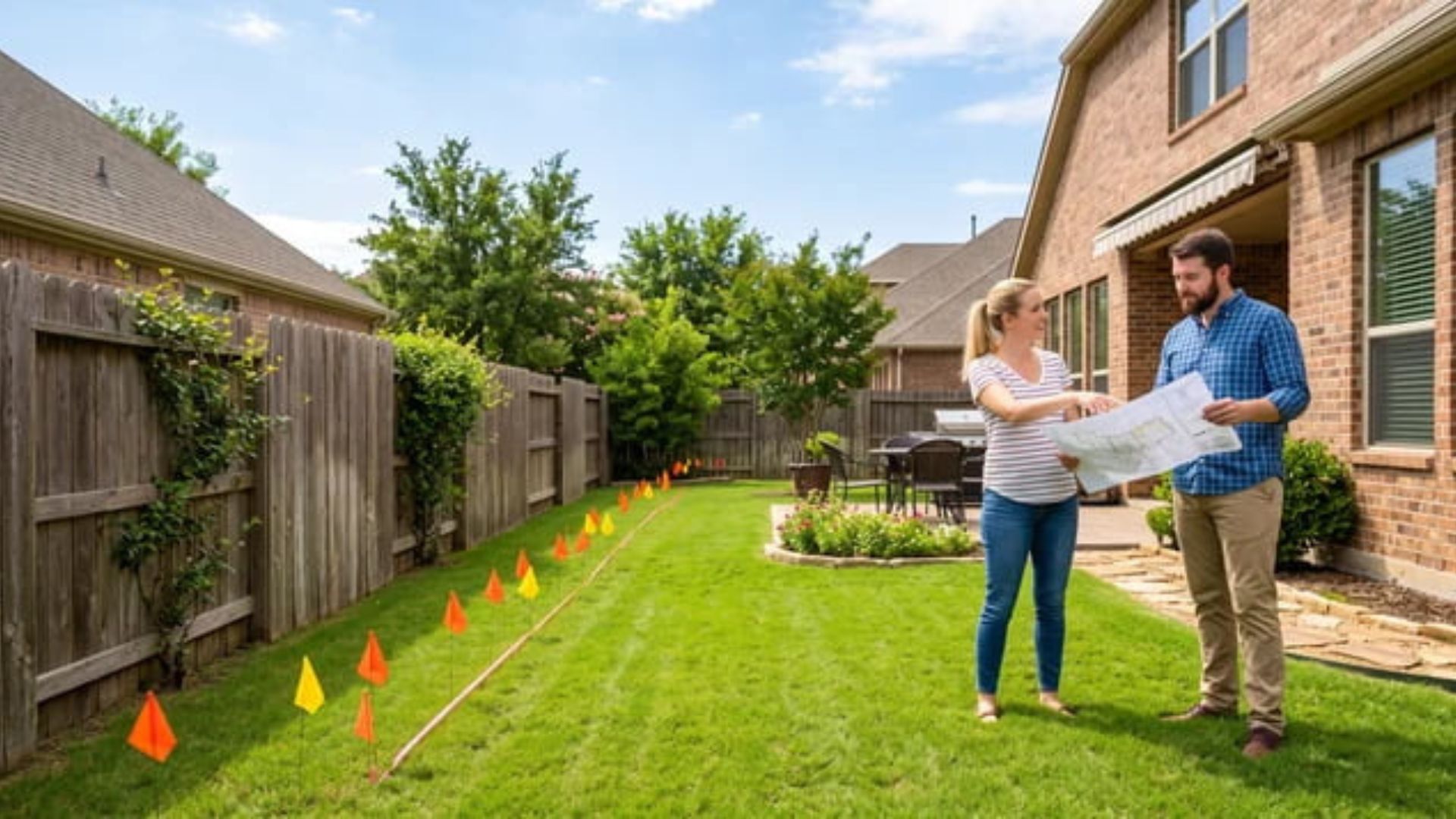
It depends on placement more than anything else. An easement tucked along a back fence line rarely affects a buyer's offer; it doesn't reduce usable yard space and doesn't block any obvious improvement.
One that cuts through your only buildable side yard is different: it can rule out a pool, an addition, or a garage, and buyers doing the math on those projects will price that restriction in.
Sellers have to disclose known easements as a material fact a seller must disclose, and title reports catch the ones that aren't obvious from a walk-through.
I always tell buyers to pull the survey before they fall in love with a yard. If you're picturing a pool or an addition, check whether that spot sits inside the marked easement first. It can shift a purchase decision, but it rarely kills one outright.
Will a Drainage Easement Raise Your Home Insurance Costs?
Insurers treat a drainage easement as a flood risk marker, and it can affect your premium. Here's what that usually looks like once underwriting spots one on your deed:
- Higher premiums, since a pipe or ditch on your land raises your odds of a water damage claim
- Denied standard coverage in some cases, with insurers pushing you toward a separate flood policy instead
- More questions during underwriting, even if your property has never flooded
- No flood coverage under a standard policy anyway, easement or not, so you may need that extra coverage regardless
Talk to your agent early if your deed shows a drainage easement. Ask directly about your premium, whether you'll be denied standard coverage, and whether you need flood insurance layered on top. That one conversation can save you from a denied claim after a storm.
Can a Drainage Easement Be Changed, Moved, or Removed?
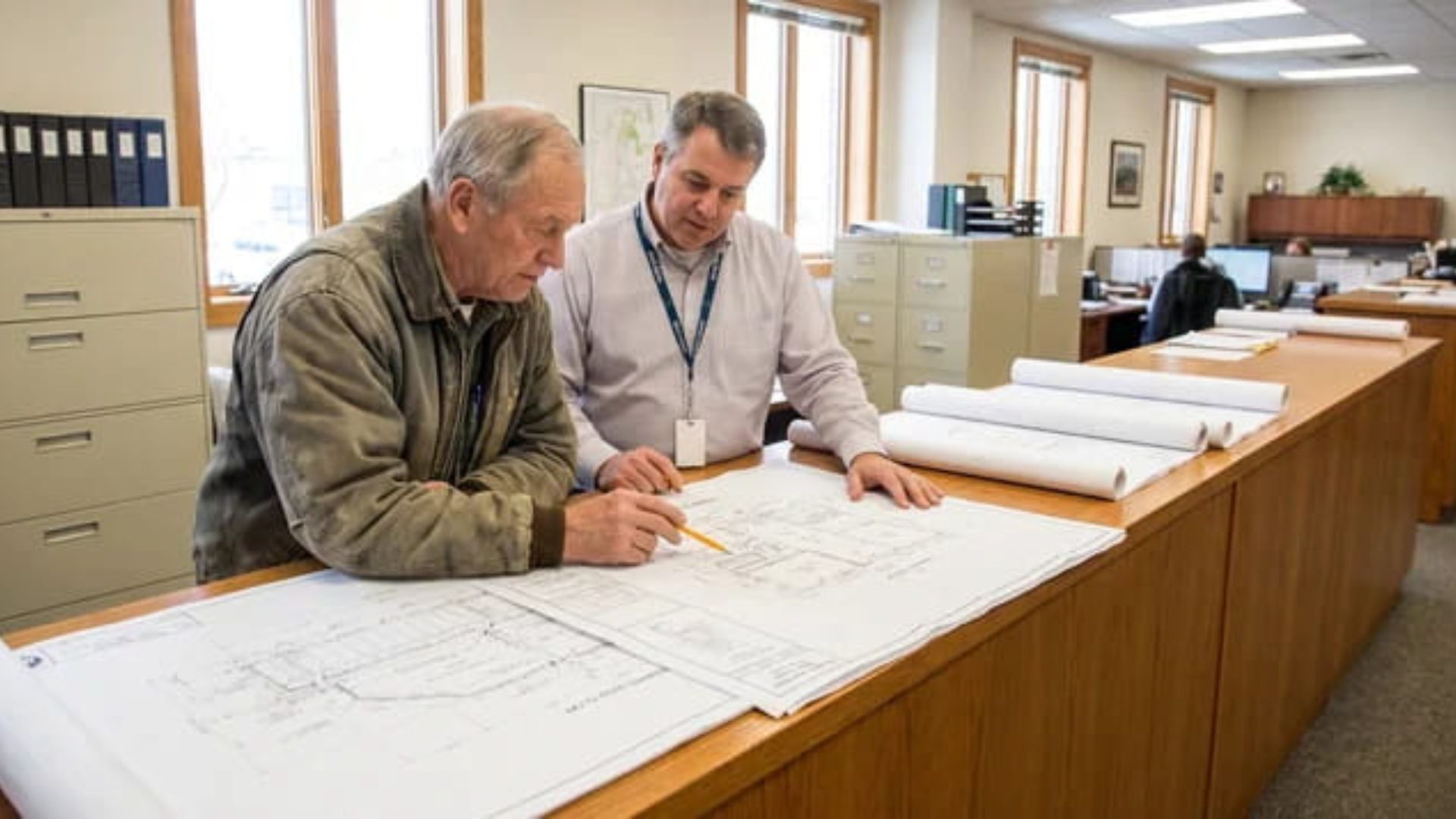
Technically yes, but it's rare, and it's rarely cheap. You'd start by petitioning the holding authority, usually the city or county public works office, to relocate or vacate the easement.
That petition triggers an engineering review. The authority has to confirm the new location handles runoff just as well as the old one, and that nothing downstream gets worse.
The property owner usually covers the engineering and construction costs, not the government. Between the cost and the review standard, most requests get denied or abandoned before they reach a final decision.
If you're set on trying, talk to the holder early, before you've spent money on plans that assume it'll go through.
What to Do If a Drainage Easement Turns Into a Dispute
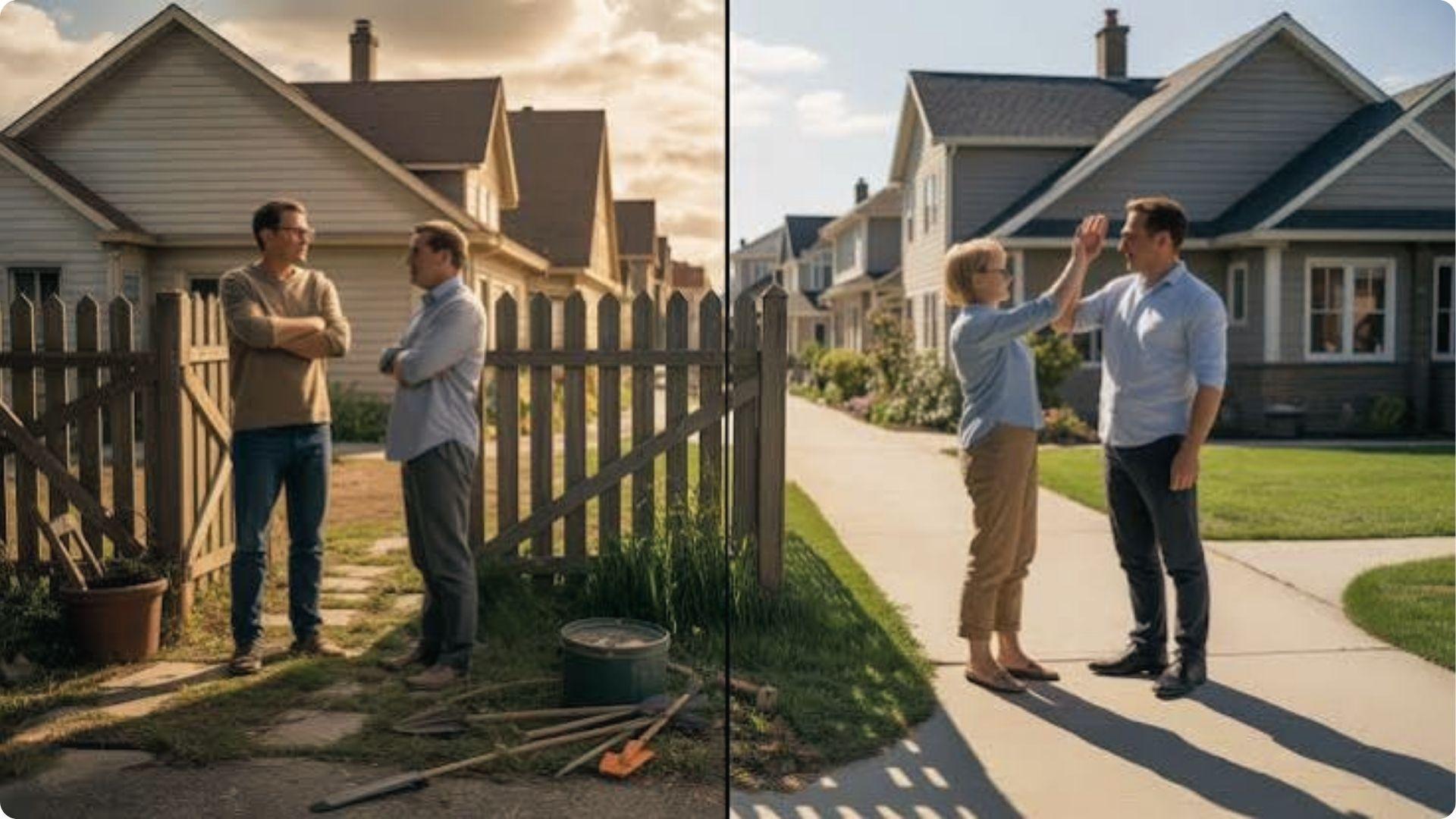
Most disputes start the same way: someone builds something they shouldn't have, or drainage work on one property shifts water flow onto another.
Pull the exact easement language from your deed or plat map first. That tells you who holds the rights and what's actually permitted.
Photograph any changes to grading, structures, or water flow as soon as you spot them. Contact the easement holder or your neighbor directly before things escalate.
A civil engineer can confirm whether flow has actually changed, and a real estate attorney can tell you if you have grounds for a complaint. Most disputes settle before reaching a courtroom, but you'll need documentation ready if yours doesn't.
What to Do If You're Planning a Project Near a Drainage Easement
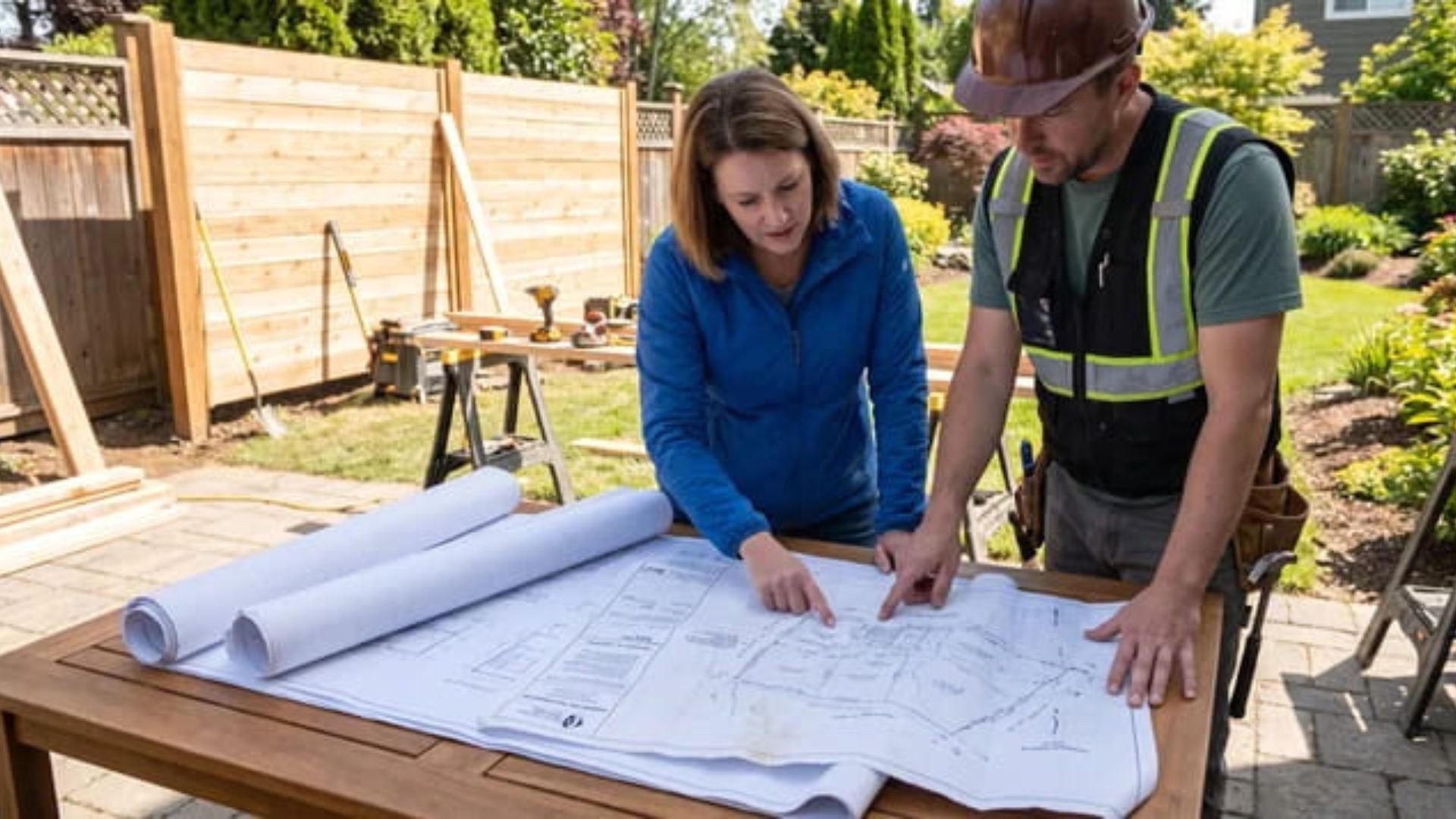
Start with your plat or survey. Don't guess at the boundary based on where the grass looks different or where a pipe marker sits.
Once you have the exact lines, contact the easement holder before you finalize any design work. Ask directly whether your planned structure, deck, or fence falls inside the marked area.
As a general rule, permanent structures are prohibited inside the easement boundary. That includes additions, decks, sheds, retaining walls, and most fencing.
The restriction exists because the easement holder needs clear access and an unobstructed corridor for equipment. A fence post or shed foundation in the wrong spot can block a maintenance crew or damage underground pipe during installation.
Some ground-level hardscapes are typically allowed: driveways, sidewalks, and open patios often fall within the permitted range because they don't impede water flow or block access in the same way.
But "typically" is doing a lot of work in that sentence… local codes vary, and the only way to confirm what your jurisdiction allows is to ask the easement holder directly before you pour anything.
Build outside that boundary, full stop. Even a shed foundation inside an easement can get you a removal order, and you'll eat the cost of moving it.
A five-minute call to public works costs a lot less than tearing out a structure you already paid to build.
Final Takeaway
You still own the land under a drainage easement, but the holder has the right to access it and the easement restricts what you can build there permanently.
For most homeowners, that only matters twice: when you're buying and checking what the easement rules out, and when you're building and need to confirm exactly where the boundary falls.
Pull your survey before either decision. The plat is free from your county recorder's office and takes five minutes to request. Less time than it takes to move a fence you put in the wrong place.
Frequently Asked Questions
What are the five types of easements?
The five common types are easements by necessity, prescription, express, implied, and in gross. A drainage easement is usually an express easement.
What's an example of a drainage easement?
A strip of yard with an underground stormwater pipe, or a shallow drainage swale that channels rainwater away during storms.
What's the difference between a public and private drainage easement?
A public easement is held by a government body or utility for community stormwater systems. A private easement runs between neighboring property owners, usually to route water across one lot to reach a street or drain.
Is it bad to have a drainage easement on your property?
Not necessarily. An easement along a rear property line with no planned improvements is largely a non-issue. One that runs through the yard space you'd need for an addition, pool, or detached garage matters more. It can permanently limit what's buildable on that lot. Placement and your plans for the property are the two factors that determine how much it actually affects you.