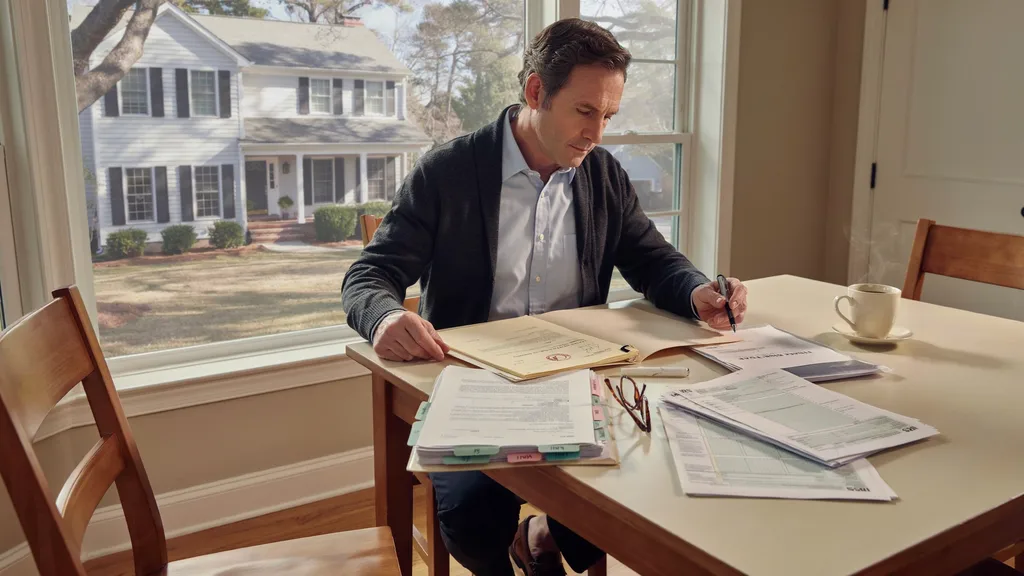
Maybe your neighbor parked across the shared driveway again, and you are wondering whether you have any legal right to object. Or perhaps you found an old deed mentioning a right of way and now you want to understand how it affects your property.
Driveway easement rights can be confusing because they involve both property law and everyday use of shared spaces.
Real estate professionals and property attorneys often review driveway easements during transactions because unclear access rights can lead to disputes, unexpected restrictions, or problems when making improvements.
Understanding how driveway easements are created, used, and enforced can help you protect your property interests and avoid future conflicts.
What Are Driveway Easement Rights?
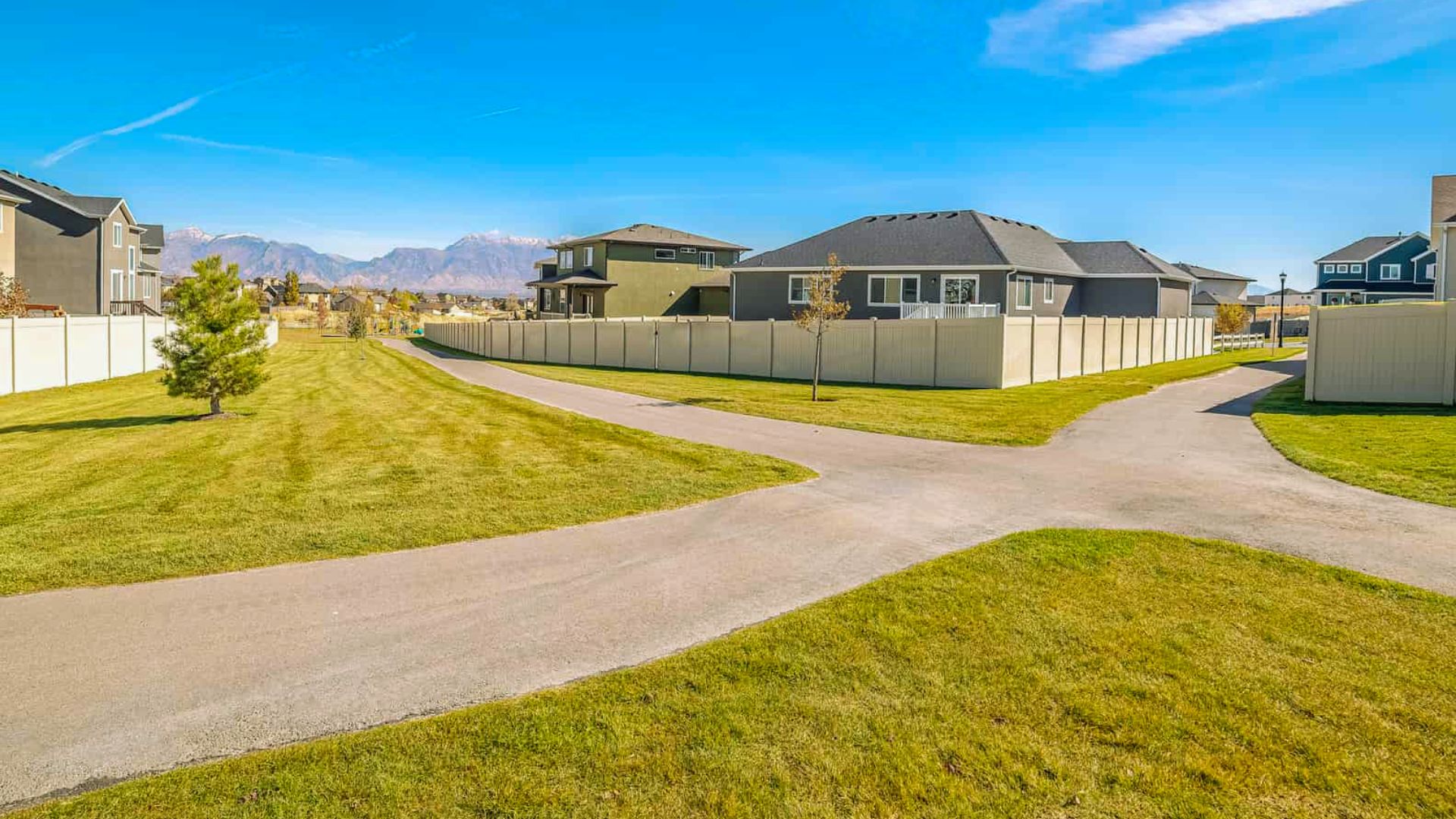
A driveway easement right is a legal permission that allows one person to use part of another person’s property for a specific purpose, usually to access a residence, garage, or public road.
The person using the easement receives access rights, but they do not become the owner of the driveway area.
For example, if your neighbor’s home can only be reached by crossing your driveway, a recorded easement may allow them to use that portion of your property for access. You still own the land, but you generally cannot interfere with the permitted use described in the easement.
The property owner whose land contains the driveway is commonly called the servient estate owner, while the property benefiting from the access right is known as the dominant estate owner.
You may also see the term right-of-way used because it describes the legal ability to cross another person’s land for a specific purpose.
Types of Driveway Easements
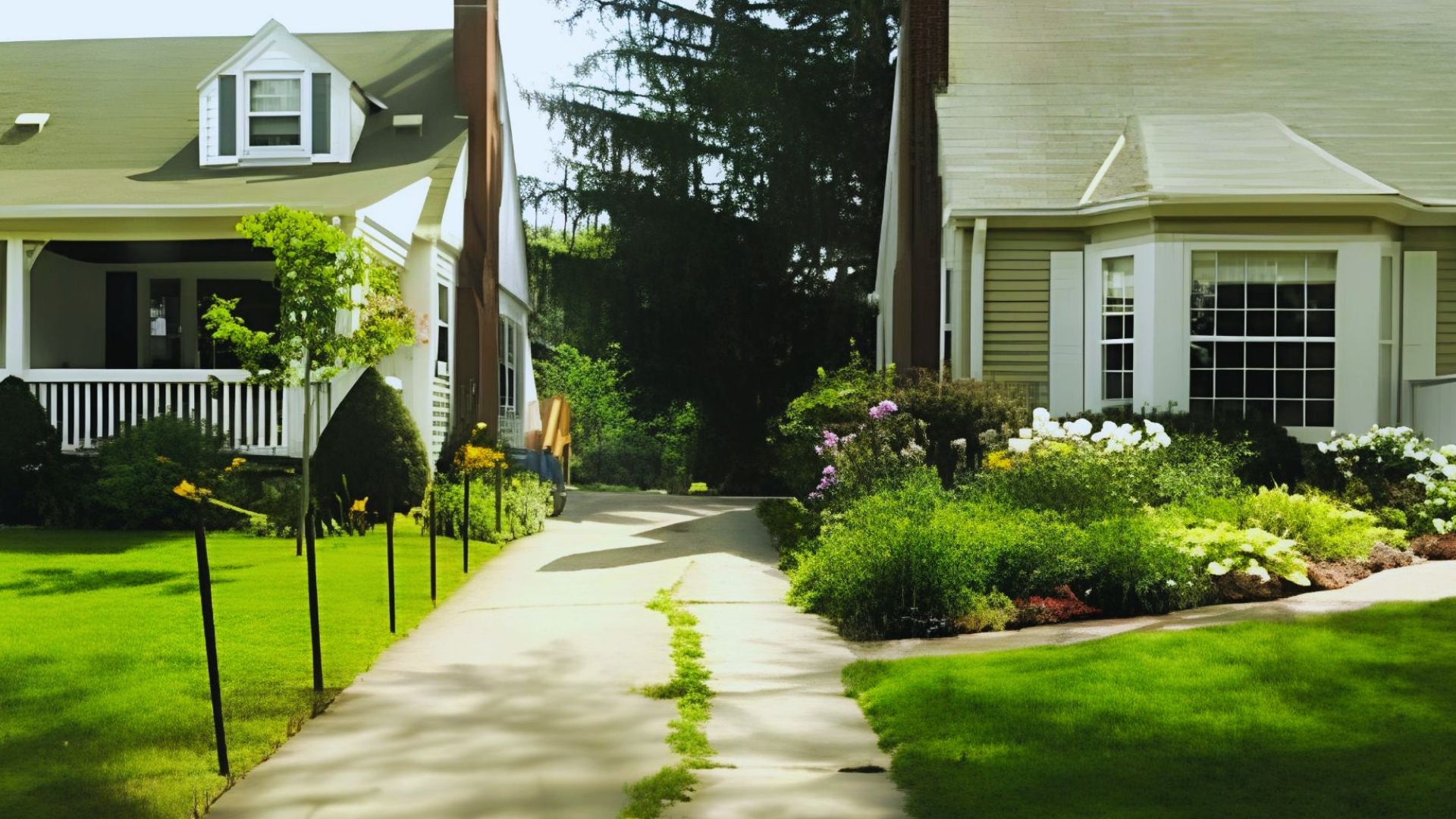
Driveway easements can be created through written agreements, long-term use, property history, or legal necessity.
Knowing the type of easement affecting your property helps you understand the rights, responsibilities, and limitations involved.
Shared Driveway Easement
A shared driveway easement allows two or more property owners to use the same driveway area for access. This arrangement is common in older neighborhoods, narrow lots, and properties created from divided parcels.
Both owners may have access rights, but they generally must follow the terms of the easement regarding parking, repairs, improvements, and other uses. If the property is located in a planned community, homeowners association rules may also affect driveway use.
For example, two neighboring homeowners may share one driveway leading to separate garages. One owner may own the land beneath the driveway, while both owners have legal rights to use it for access.
Private Driveway Easement
A private driveway easement allows one property owner to cross another person’s land to reach their property. The person using the easement does not gain ownership rights over the driveway area.
Their use is usually limited to the purpose stated in the easement, such as reaching a home, garage, or public road. They generally cannot expand the use beyond what the agreement or applicable law allows.
Express Easement
An express easement is created through a written agreement, deed, or recorded document. It clearly defines the driveway's location, permitted use, maintenance responsibilities, access rights, and any restrictions on changes.
Because these terms are documented, reviewing the recorded easement is often the first step in resolving disputes between property owners.
Implied Easement
An implied easement may exist even when there is no separate written agreement. It can arise when property history shows that access was intended to continue after land was divided.
For example, if a larger property was split into two parcels and one parcel continued using an existing driveway to reach the road, a court may recognize an implied easement depending on the circumstances and state law.
Factors such as previous use, property layout, and the intent of the original owners may influence whether an implied easement exists.
Prescriptive Easement
A prescriptive easement may develop when someone openly and continuously uses another person’s property for a legally required period without permission. The required time period and legal standards vary by state.
A person claiming this type of easement generally must prove specific elements, such as continuous use and compliance with state requirements.
Unlike adverse possession, a prescriptive easement usually provides a right to use the property rather than ownership of the land.
Property owners should review applicable state statutes and court decisions because requirements differ by jurisdiction.
Easement by Necessity
An easement by necessity may apply when a property has no reasonable access to a public road without crossing another parcel. Courts may recognize this type of easement when access is legally necessary for the property to be usable.
For example, if a new parcel is created from a larger property and the new lot has no road connection, a court may consider whether access through neighboring land is required.
How to Know If Your Property Has a Driveway Easement
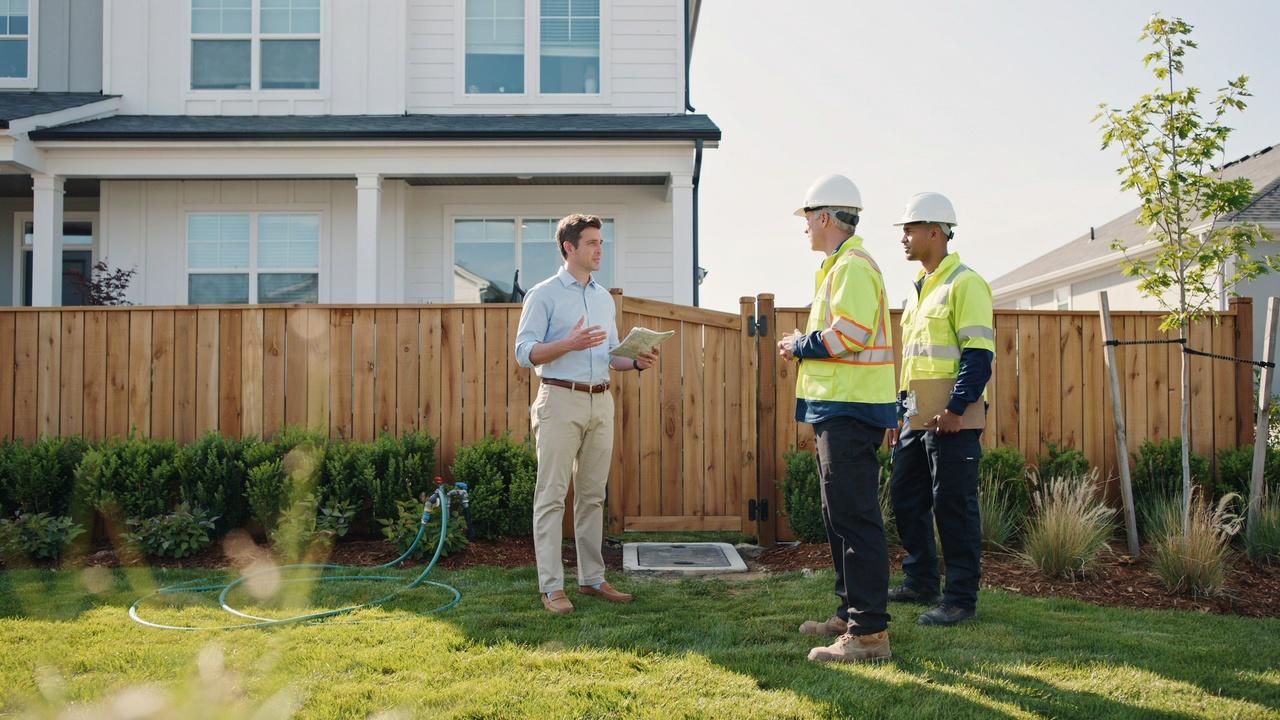
Before installing a fence, changing landscaping, adding a gate, or modifying a driveway, confirm whether an easement exists. Many homeowners find access rights only after a disagreement begins.
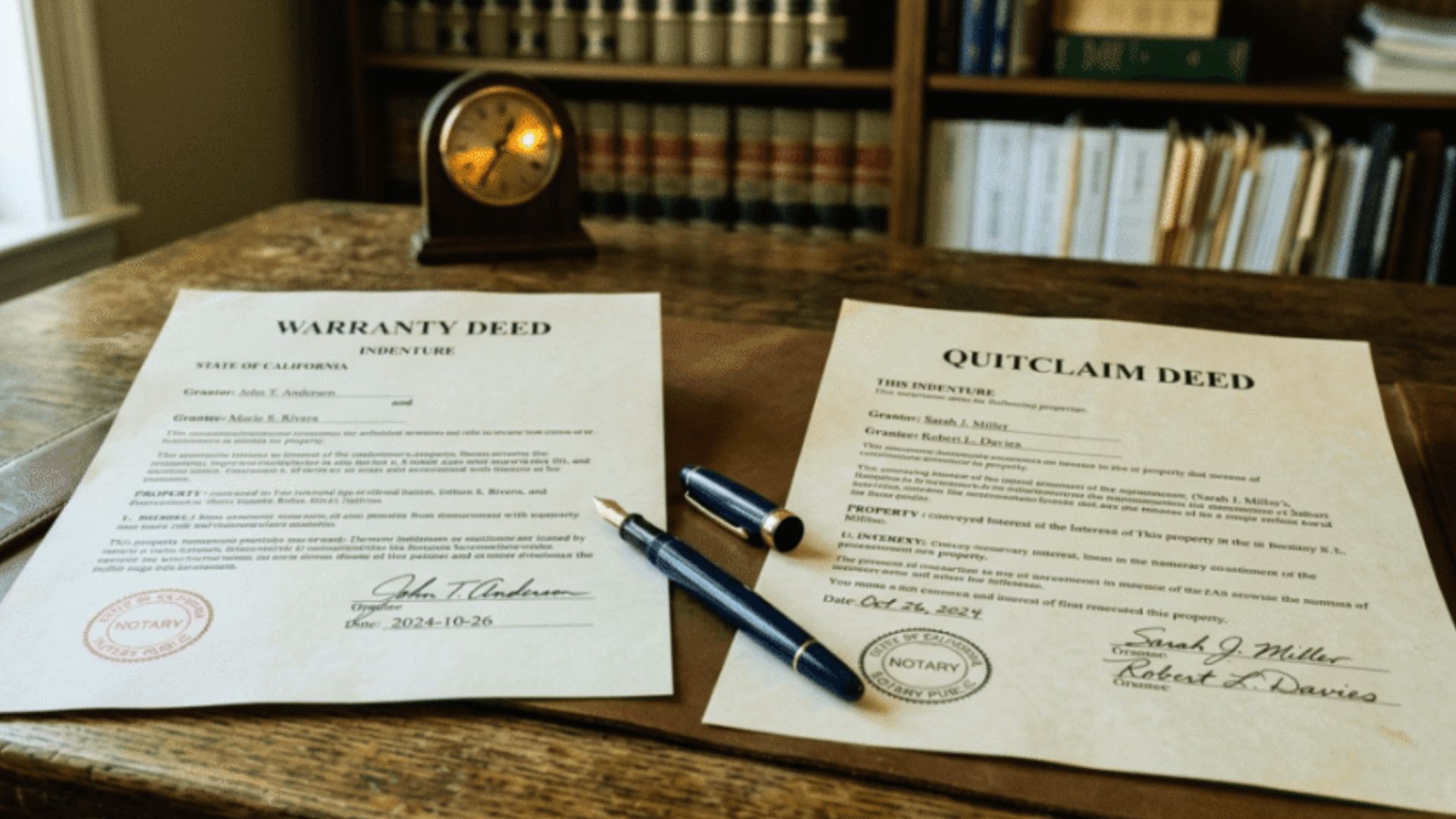
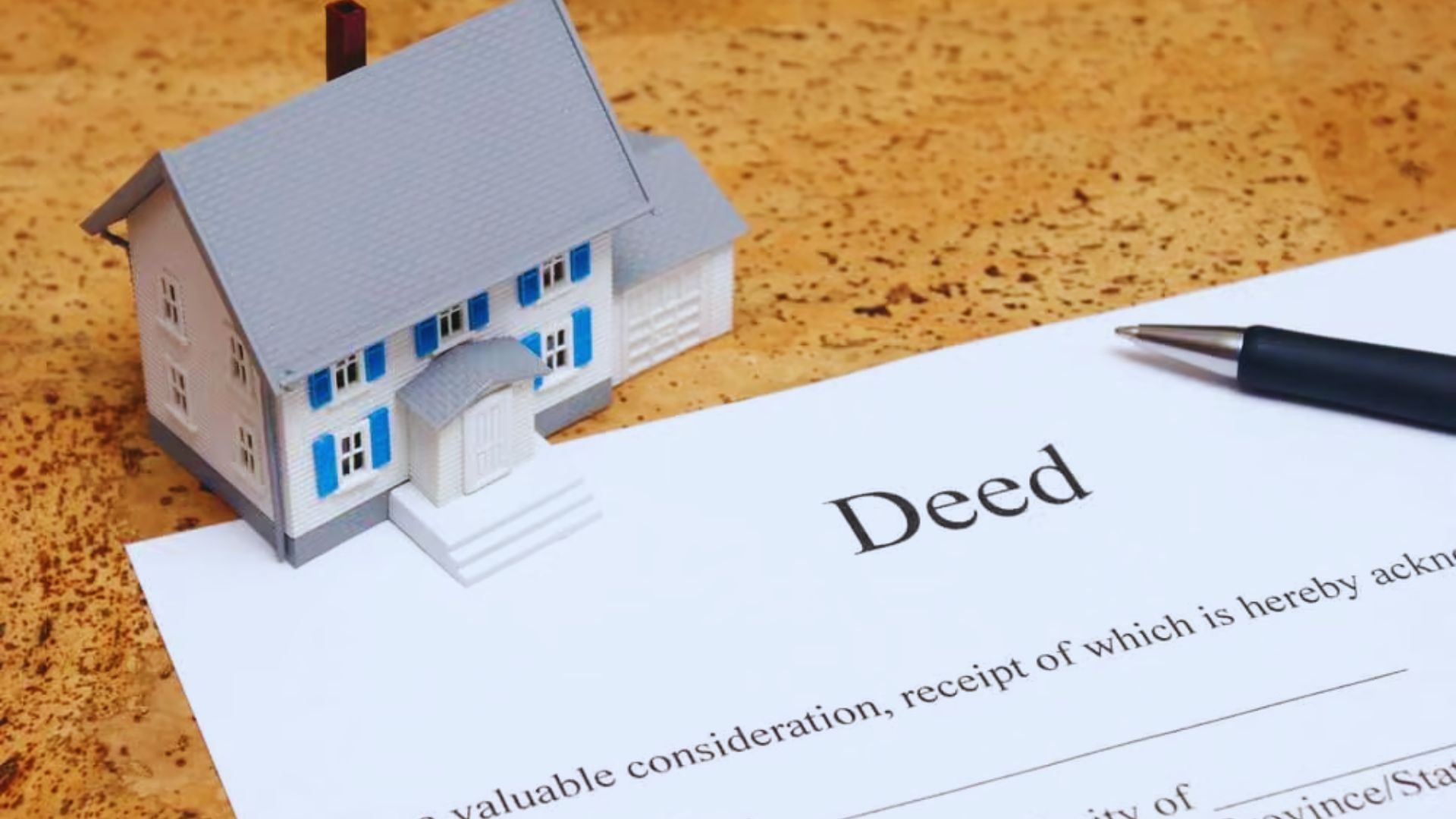
Check your property deed: Review your deed for right-of-way language, legal descriptions, or references to recorded easement agreements. Keep in mind that some easements may be recorded separately with the county land records office.
Review your title report or title insurance policy: A title report may identify recorded easements, access rights, or other interests affecting the property. Your title insurance policy may also provide protection against certain covered title issues, depending on the policy terms and exclusions.
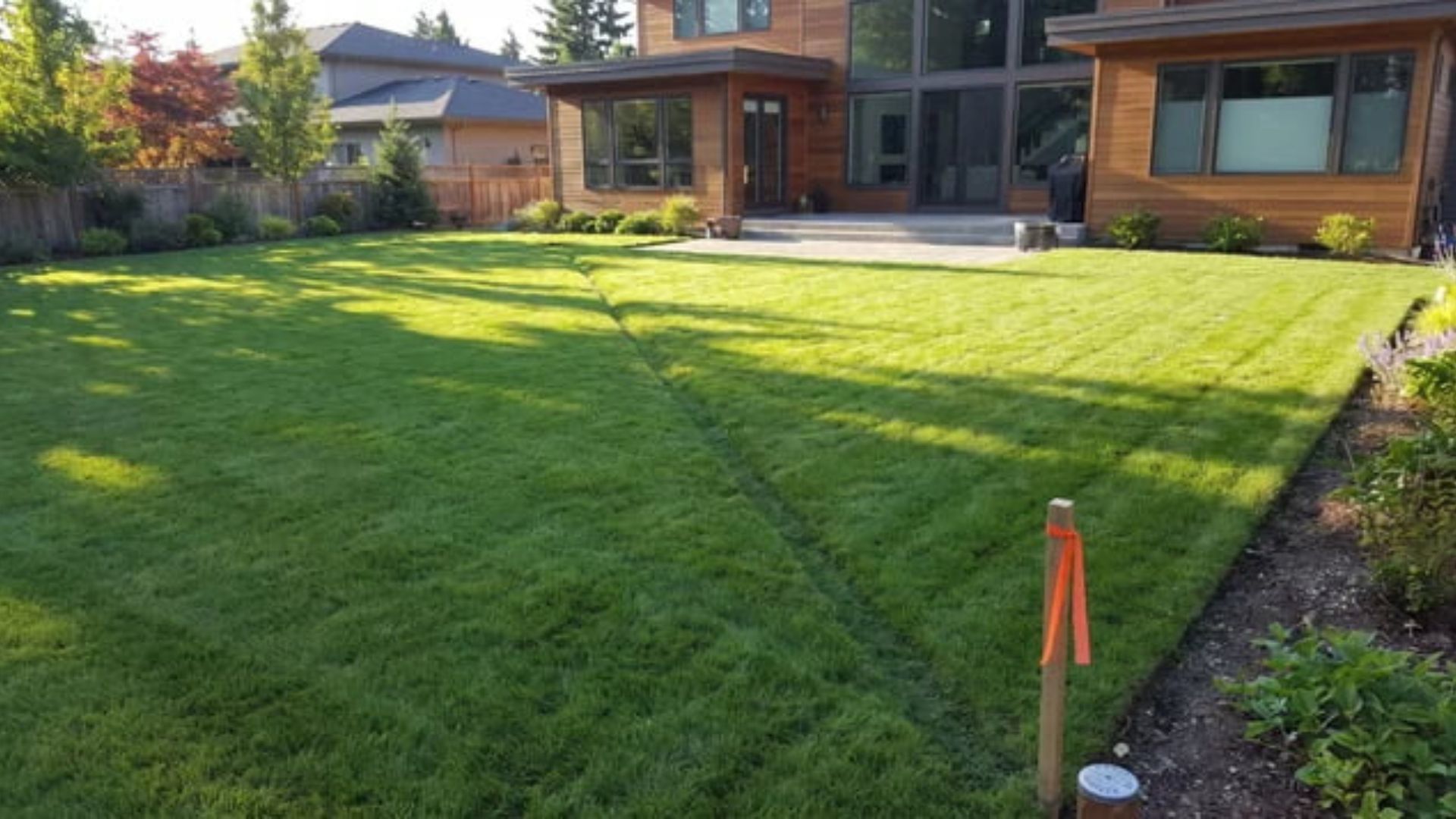
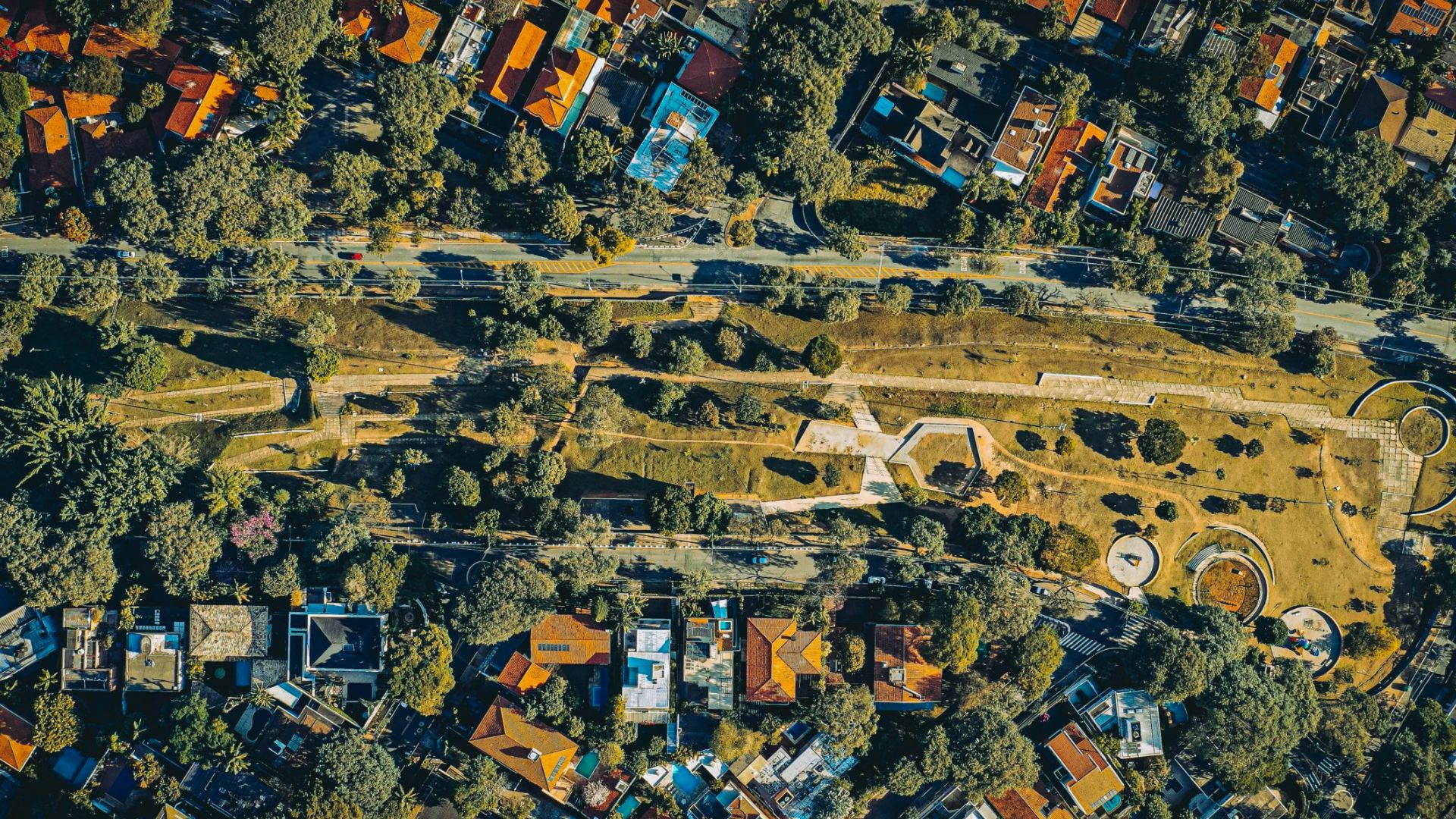
Check the property survey or plat map: A survey or plat map can show the exact location and dimensions of an easement. This is especially helpful before building a fence, expanding a driveway, or making other improvements near property boundaries.
Who Has Rights Under a Driveway Easement?
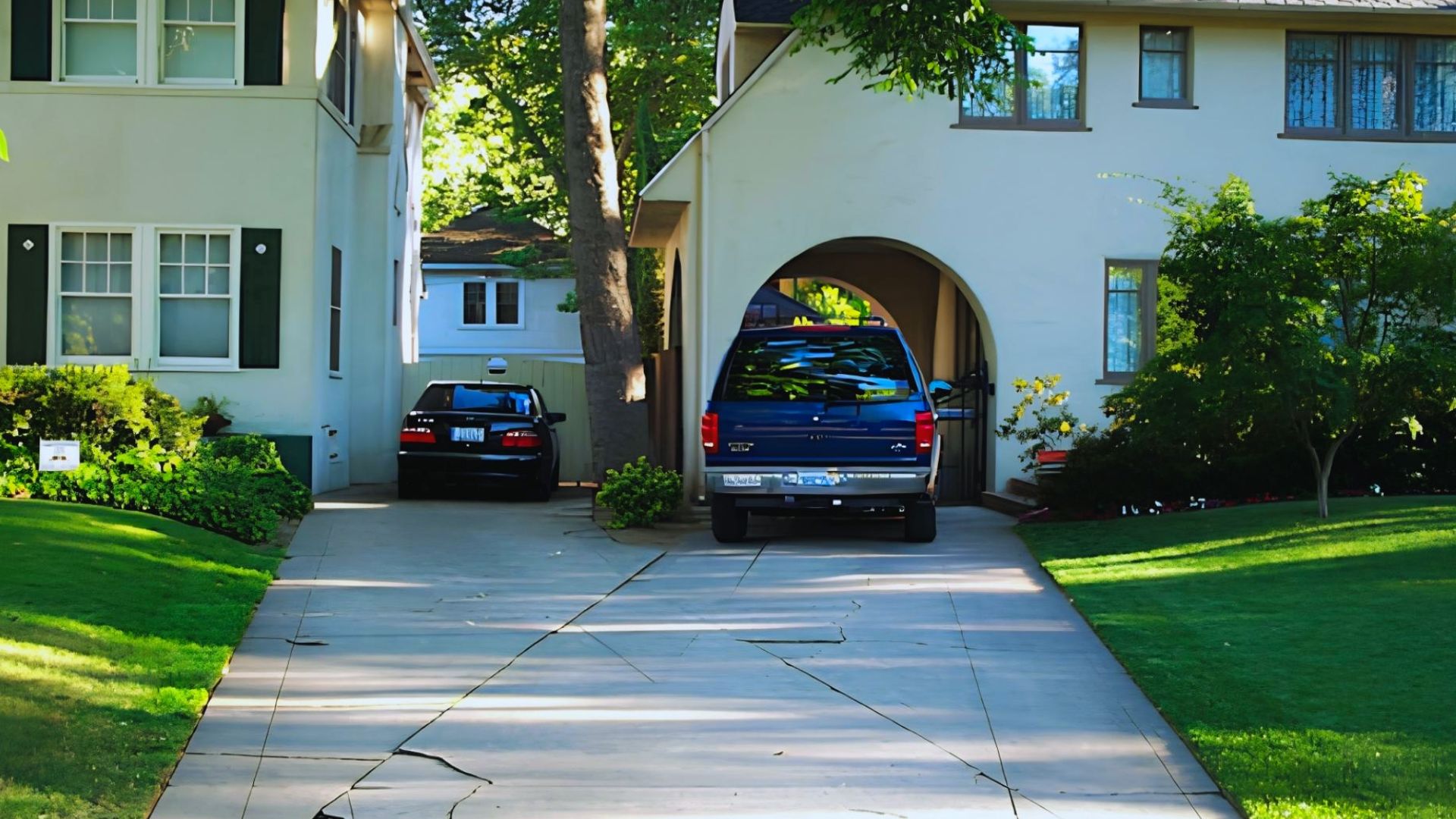
A driveway easement gives both the property owner and the person using the driveway specific rights and responsibilities. The easement terms and applicable state law generally determine what each party can and cannot do.
Rights of the Dominant Estate Owner
The dominant estate owner generally has the right to use the driveway for the purpose stated in the easement, such as accessing a home, garage, or public road.
However, the owner’s use is usually limited to the terms of the easement. They may not make changes, increase usage, or use the driveway for unrelated purposes unless allowed by the agreement or applicable law.
Rights of the Servient Estate Owner
The servient estate owner keeps ownership of the driveway area and may continue using the property as long as that use does not interfere with the easement rights.
For example, the owner may usually park on their property or make improvements, but they cannot place a structure, gate, or other obstacle that prevents lawful access.
Rights of Guests and Service Providers
Guests, delivery workers, contractors, and service providers of the dominant estate owner may generally use the driveway when their access supports the permitted purpose of the easement.
The extent of this access depends on the easement language and local property law.
Shared Responsibilities Between Owners
Both parties generally have a responsibility to use the driveway reasonably. One owner cannot intentionally block access, damage the driveway, or interfere with the other owner’s legal rights.
Future buyers usually receive the same easement rights and obligations because most driveway easements attach to the property rather than the individual owner.
Comparison: Different Types of Driveway Easements
Different driveway easements provide different levels of certainty. A written and recorded easement usually creates clearer expectations because the parties can review the exact terms.
| Easement Type | How It Is Created | Does It Continue With Property Ownership? | Typical Duration | Owner Rights |
| Express Easement | Written agreement, deed, or recorded document | Usually yes | Often continues until legally modified or terminated | Defined by written terms |
| Implied Easement | Created from property history and circumstances | Usually yes | Depends on continued legal recognition | Based on prior use and intent |
| Prescriptive Easement | Established through qualifying long-term use | Usually yes after legal recognition | Depends on state law and circumstances | Limited to proven use |
| Easement by Necessity | Recognized when access is legally required | Usually connected to the property | May continue while necessity exists | Limited to necessary access |
| Shared Driveway Easement | Created through agreement or property division | Usually yes | Often continues through ownership changes | Shared access and responsibilities |
Maintenance Responsibilities for a Driveway Easement
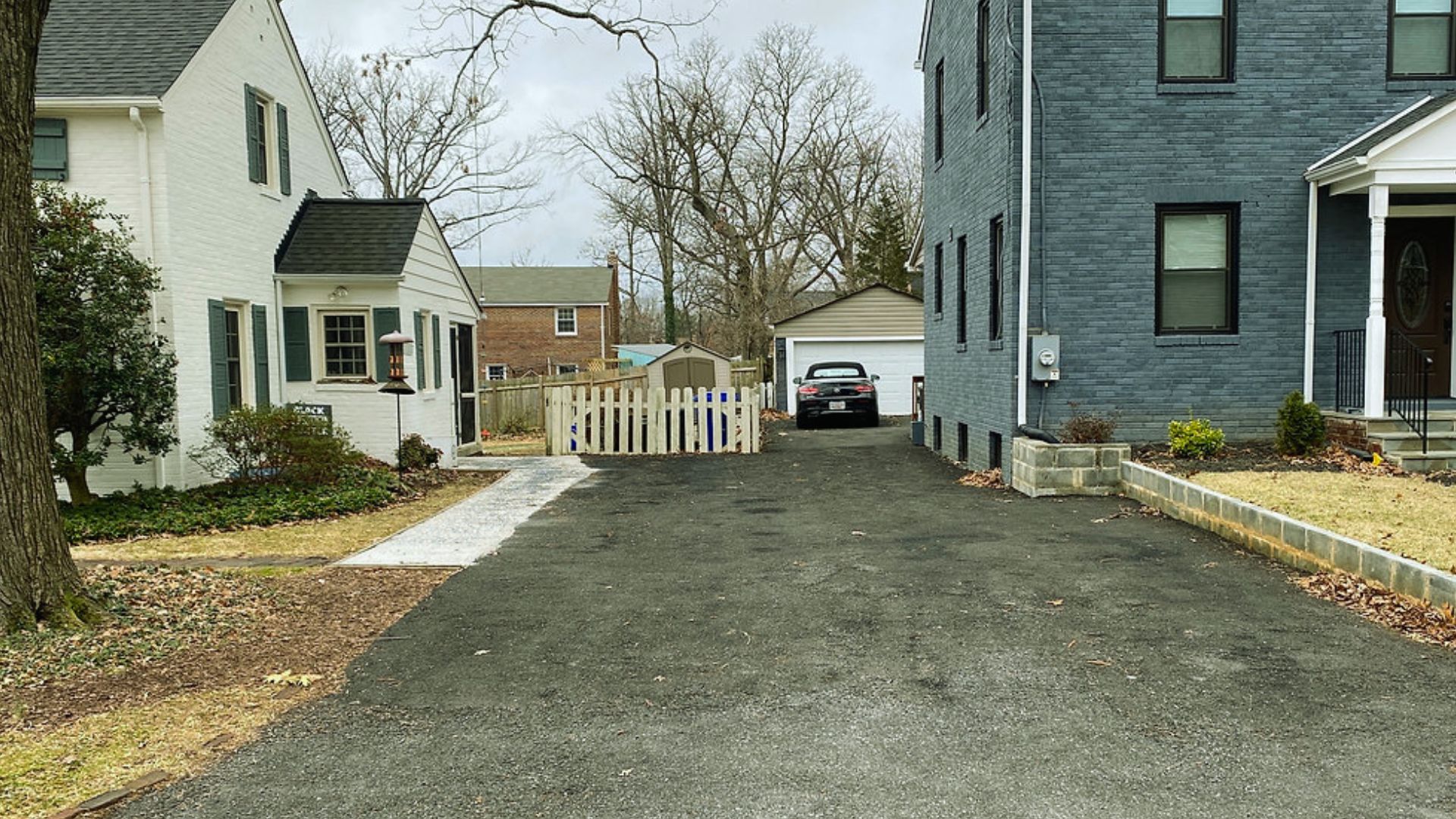
Driveway maintenance is one of the most common sources of conflict between neighboring property owners. Repairs, resurfacing, drainage improvements, snow removal, and general upkeep may require cooperation between multiple parties.
The person responsible for these costs depends on the easement agreement, property circumstances, and applicable state law.
Who Pays for Repairs and Maintenance?
If the easement agreement explains how maintenance costs are divided, those terms usually control. Some agreements require equal sharing, while others assign costs based on usage, ownership, or specific responsibilities.
If the agreement does not address maintenance, owners may need to negotiate a reasonable arrangement. In some situations, courts may consider factors such as how much each party benefits from the driveway.
For example, if two homeowners share a driveway and resurfacing costs $6,000, they may agree to split the expense equally. However, if one owner uses the driveway significantly more, a different arrangement may be appropriate.
How Maintenance Responsibilities Are Usually Shared
Maintenance responsibilities are usually divided according to the easement agreement and how each owner uses the driveway. Costs may be shared equally, split based on usage, or assigned by specific tasks such as snow removal or landscaping.
A clear written agreement helps set expectations and reduce the risk of future disputes.
What Happens When Owners Disagree About Costs?
Maintenance disagreements often start with smaller issues, such as one owner refusing to contribute to repairs or questioning whether work is necessary.
Without communication, these disagreements can grow into larger disputes involving access rights, property damage, or legal action.
Keeping records of repair estimates, payments, photographs, and conversations can help owners resolve disagreements more effectively. Written documentation may also become valuable if mediation or legal assistance is needed.
How Much Does a Driveway Easement Cost?
The cost of creating, modifying, or documenting a driveway easement varies based on the property's circumstances and local legal requirements.
Common expenses may include:
Attorney fees: For drafting, reviewing, or negotiating the easement agreement.
Survey costs: To identify and map the exact easement location and boundaries.
Recording fees: Charged by the county to officially record the easement.
Negotiation or mediation costs: If property owners need professional assistance to resolve disagreements.
Simple agreements between cooperative neighbors are generally less expensive than easements involving boundary disputes or court proceedings.
How Does a Driveway Easement Affect Property Value?
A driveway easement does not automatically lower a property's value. Its impact often depends on how clearly the easement is documented and whether it creates practical concerns for buyers.
Factors that may influence property value include:
Clear documentation: Well-defined easements often provide buyers with greater confidence.
Unclear boundaries: Uncertain easement locations can create future disputes.
Neighbor conflicts: Ongoing disagreements may make the property less attractive.
Building restrictions: Easements may limit future construction or improvements.
Maintenance obligations: Shared repair costs or responsibilities can affect buyer interest.
Before purchasing a property, buyers should review the easement documents to understand how the arrangement may affect future use and ownership responsibilities.
How to Resolve Driveway Easement Disputes
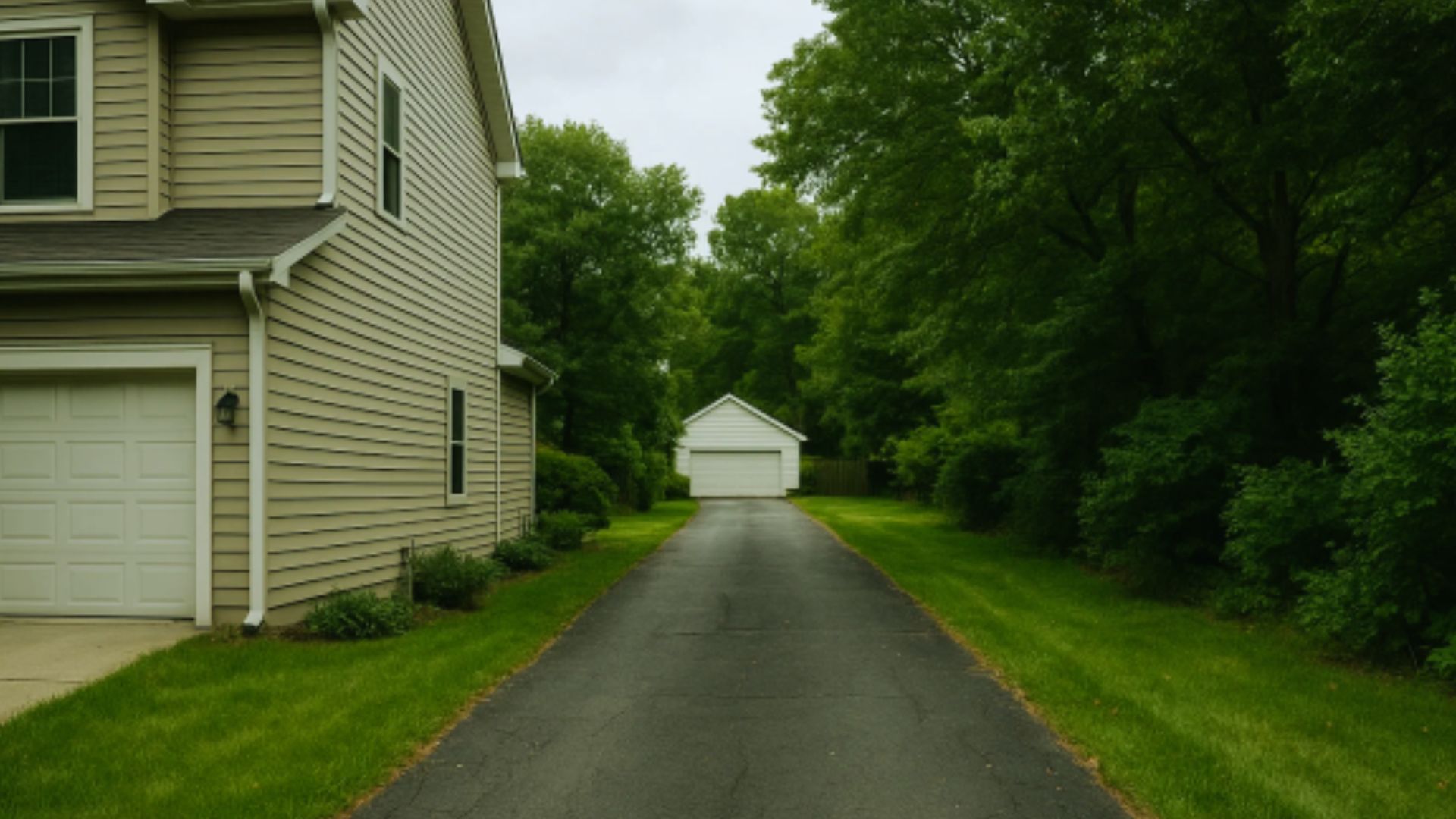
Most driveway easement disputes arise from disagreements over access, maintenance, parking, or property boundaries. Reviewing the easement documents and addressing concerns early can often help prevent costly legal conflicts.
Review the Easement Agreement
Start by reviewing the recorded easement, property deed, survey, and any related agreements.
These documents explain the permitted uses, access rights, maintenance responsibilities, and restrictions, helping determine whether the dispute is caused by a misunderstanding or an actual violation.
Talk With the Neighboring Owner
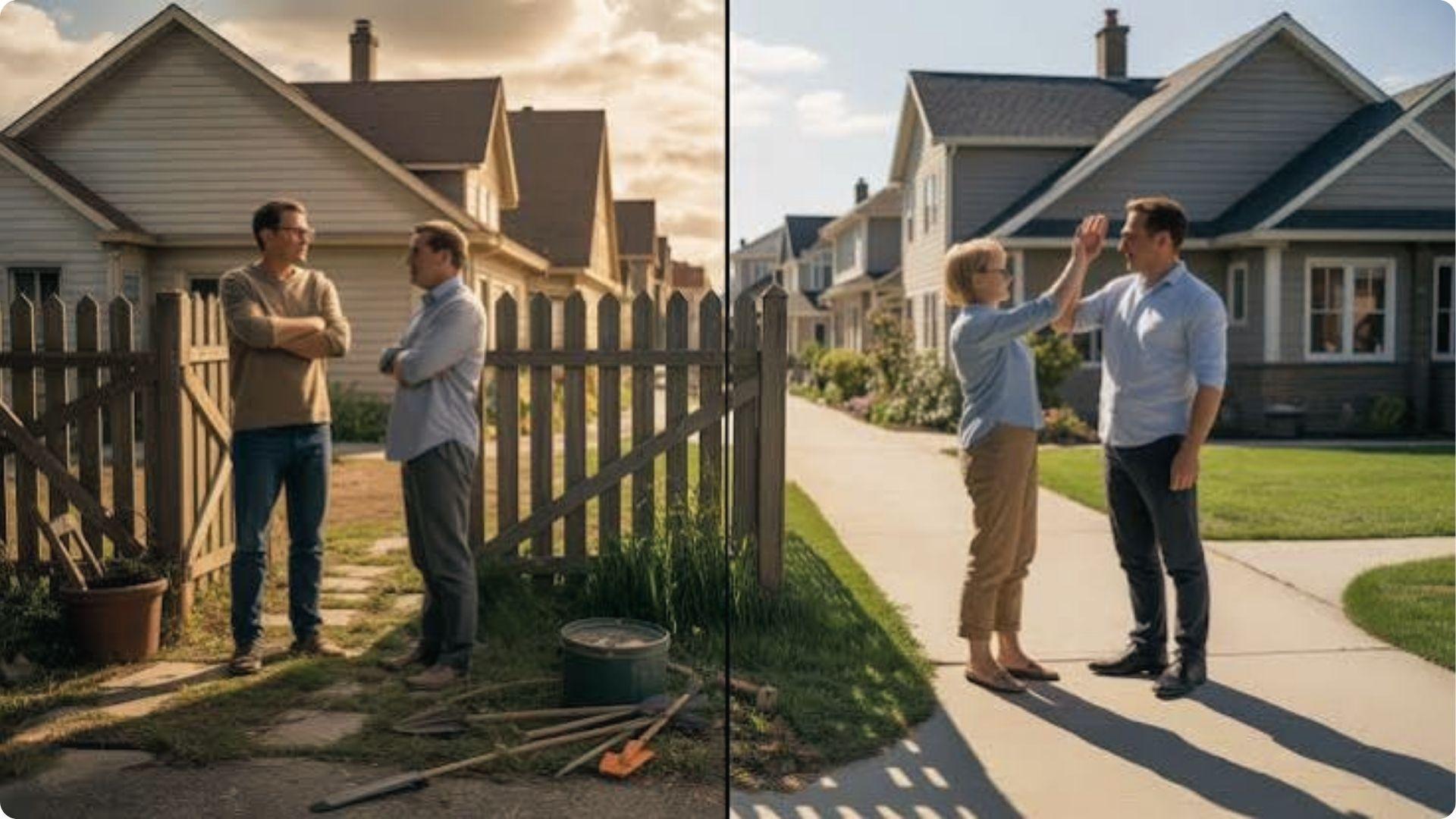
A respectful conversation is often the quickest way to resolve a driveway easement dispute.
Discuss the issue openly, review any relevant documents together, and try to reach an agreement on matters such as parking, repairs, guest access, or snow removal before considering legal action.
Use Mediation Before Litigation
If discussions do not resolve the issue, mediation can help both parties reach an agreement without going to court.
A neutral mediator helps identify practical solutions for disputes involving maintenance costs, shared driveway rules, access concerns, or proposed changes to the easement area.
How to Protect Your Driveway Easement Rights

Taking proactive steps can help prevent misunderstandings and protect your position if a disagreement develops.
Keep Accurate Property Records
Keep copies of your deed, recorded easement documents, title report, property survey, and any maintenance agreements related to the driveway.
Store both physical and digital copies so you can easily access them when planning improvements, buying or selling the property, or resolving a dispute.
Having complete and organized records can help confirm your rights and avoid unnecessary misunderstandings with neighboring property owners.
Document Maintenance and Repair Expenses
Keep receipts, invoices, photographs, and written communication related to driveway maintenance and repairs.
These records can help show who paid for improvements, how costs were shared, and what work was completed.
Clear documentation can make future discussions easier and provide useful evidence if a dispute arises.
Create Written Agreements for Shared Responsibilities
If the original easement does not clearly explain maintenance or shared-use responsibilities, consider creating a separate written agreement with the other property owner.
The agreement can outline repair duties, snow removal, cost-sharing arrangements, and rules for future improvements, helping prevent misunderstandings and future conflicts.
Schedule Updated Surveys When Needed
A new survey can help when property boundaries are unclear or construction is planned near an easement area.
For example, before installing a fence, a survey can confirm whether the planned location interferes with another owner’s access rights.
Common Mistakes Property Owners Make
Small mistakes can lead to driveway easement disputes and legal issues. Avoid these common problems to protect your property rights.
Ignoring deed language: Many owners review their deed only during the purchase process and overlook access clauses that may affect future property use.
Relying only on verbal agreements: Informal promises about driveway use may create problems later, especially after the property changes hands.
Blocking or changing the easement area: Installing a gate, fence, or landscaping feature that interferes with access may lead to legal disputes.
Failing to update agreements after property changes: New construction, additional vehicles, or increased driveway use may require updated arrangements.
Skipping easement research before buying: Buyers who do not review title records may find restrictions after completing the purchase.
Ignoring small conflicts: Minor disagreements about parking or repairs can become serious if owners do not address them early.
Tips for Managing a Shared Driveway
Good communication and clear expectations can help prevent many shared driveway disputes. These practical tips can make shared access easier and protect your rights.
- Discuss parking rules, guest access, and maintenance expectations before problems occur.
- Keep written records of repair decisions, payments, and important conversations.
- Review easement documents after property transfers or major renovations.
- Use calm communication first because many disagreements can be resolved without court involvement.
- Take dated photographs of driveway conditions to document damage, repairs, or changes.
Conclusion
Driveway easement rights become easier to manage when you understand the documents, responsibilities, and limits involved. Start by reviewing your deed, title report, survey, and recorded easement documents to confirm what rights apply to your property.
Clear communication and written agreements can help prevent many shared driveway disputes. Whether you are buying, selling, or modifying a property with an easement, reviewing these details early can protect your interests and reduce future problems.
If you are unsure about your driveway easement rights, consider reviewing the recorded documents with a local real estate professional before making changes that could affect access or property use.
Frequently Asked Questions
Can a driveway easement be sold separately from the property?
Usually, no. Most driveway easements are connected to the property rather than the individual owner, so they generally transfer when the property is sold.
Does a driveway easement affect property taxes?
A driveway easement usually does not directly change property taxes. However, certain restrictions may affect property value, which could influence assessments depending on local rules.
Can I install a gate on a shared driveway easement?
Only if the gate does not interfere with the access rights granted by the easement and any required approvals are obtained. Blocking another owner’s legal access may result in a dispute.
How long does a prescriptive easement take to form?
The required time period depends on state law. Some states require five years of qualifying use, while others require longer periods before a court recognizes a prescriptive easement.
Can a neighbor sell a property with a driveway easement?
Yes. A property with a valid driveway easement can usually be sold. The buyer typically receives the property subject to existing easement rights and responsibilities.