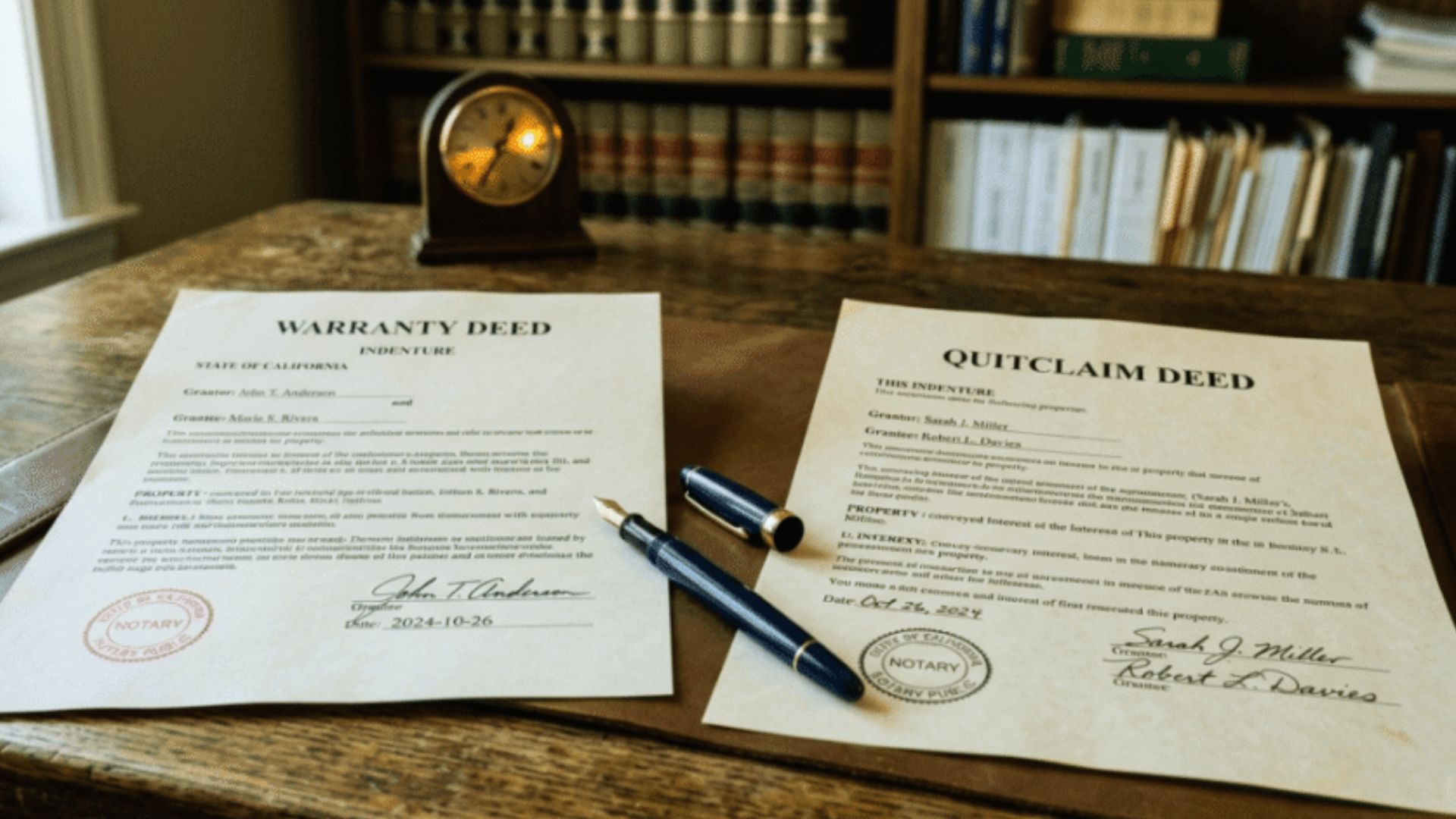
Going through a divorce is hard enough. But when you add property division into the mix, things get even more confusing. What belongs to you? What belongs to your spouse? And how does the court decide?
This article breaks down what marital property is, how it differs from separate property, and how courts divide assets during a divorce. You will also find practical tips to help protect what is yours.
Understanding marital property early can save you from costly mistakes later. Many people have used this knowledge to make smarter decisions during one of life's most stressful moments.
The sooner you understand how property classification works, the better position you will be in to protect your finances and your future.
Understanding Marital Property

Marital property includes everything a couple acquires together during marriage, from bank accounts to real estate to shared debts.
When two people marry, their financial lives begin to overlap in ways they often do not think about until something goes wrong.
Marital property refers to assets and debts acquired during the marriage, and it does not matter whose name is on the title or account. If it was obtained while you were married, the law likely considers it shared.
Classification matters because not everything you own goes through division. Courts need to know what is shared and what belongs to one person alone. Getting this wrong can cost you.
State laws add another layer of complexity. Some states split things 50/50 under community property rules, while others use equitable distribution, which focuses on fairness rather than equality.
Equitable distribution does not mean equal. It means a judge looks at the full picture and divides the net marital estate in a way that seems reasonable. Where you live shapes everything.
What Qualifies as Marital Property
The law covers far more than just the house and the joint bank account. Income, retirement savings, investments, personal belongings, and even debts all count as marital property.
Picture everything that came into your life after the wedding day, the paycheck deposited every two weeks, the 401(k) growing quietly in the background, the car you drove off the lot, the credit card balance that crept up over the years.
All of it likely falls under marital property. Wages, bonuses, freelance income, and tips earned during the marriage are considered shared, no matter who brought them in.
Real estate bought together, from the family home to a rental property, belongs in this category too. So do cars, furniture, jewelry, and artwork picked up along the way. Retirement accounts are one area that catches many couples off guard.
Any amount added to a 401(k), IRA, or pension during the marriage usually qualifies, and dividing these requires a legal document called a QDRO (Qualified Domestic Relations Order).
Stocks, mutual funds, and other investments made with marital funds follow the same rule.
And do not forget debt. Credit card balances, car loans, medical bills, and mortgages taken on during the marriage are often shared too, meaning both spouses may be on the hook when it is time to divide everything.
What Qualifies as Separate Property
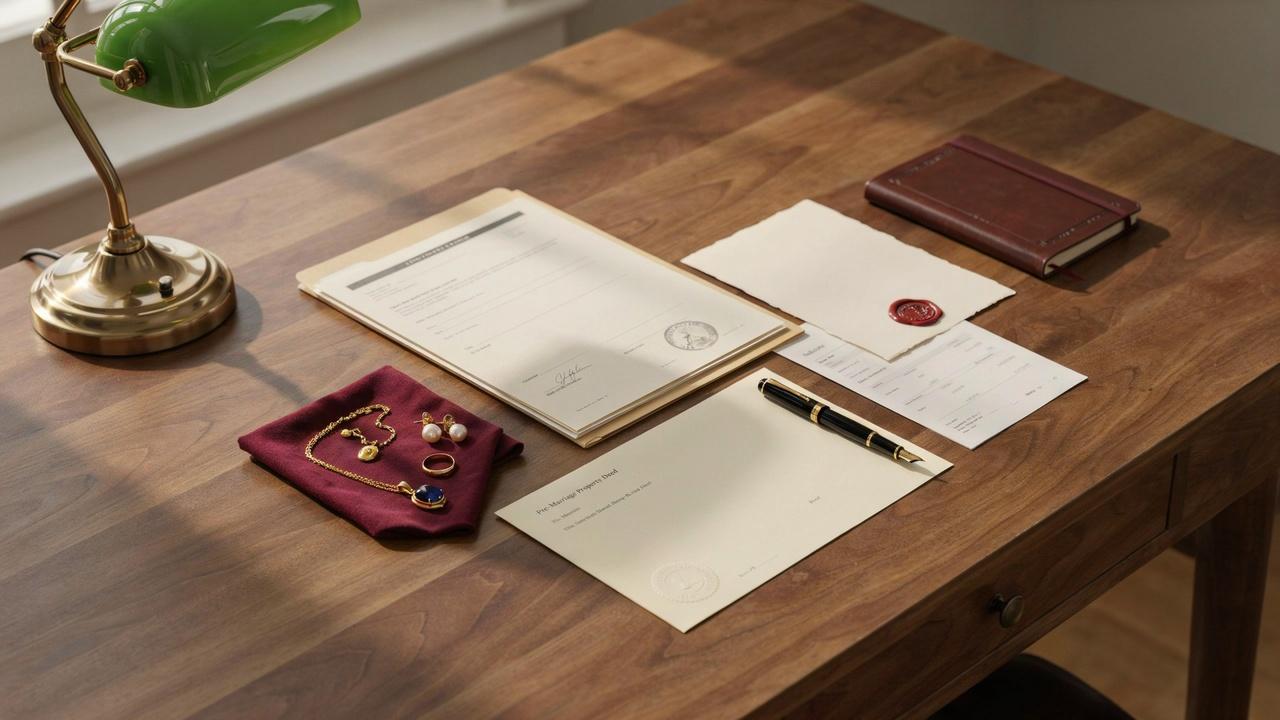
Separate property is what you owned before marriage or received personally as a gift or inheritance, and it generally stays yours alone through a divorce.
Not everything you own becomes shared just because you got married. Property you had before the wedding, money left to you in a will, and assets covered by a prenuptial or postnuptial agreement typically remain yours under the law.
The law recognizes these as personal, not marital. But here is where many people get caught off guard.
Separate property can lose its protected status if it gets mixed with marital funds, used for shared purposes, or if a spouse contributes to its growth through renovation or active management.
Courts also look at whether value increased actively or passively, treating active gains as marital even when the original asset was separate.
Knowing the exceptions is just as important as knowing the rule itself.
Marital Property vs Separate Property
Here is a quick side-by-side comparison that makes the difference between marital and separate property easy to see at a glance.
| Category | Marital Property | Separate Property |
| Definition | Property acquired during the marriage using marital income or shared resources. | Property owned before marriage or received individually as a gift or inheritance. |
| When It Is Acquired | During the marriage. | Before the marriage or individually during the marriage. |
| Ownership | Generally belongs to both spouses, regardless of whose name is on the title. | Belongs to one spouse unless its status changes. |
| Common Examples | Home purchased after the wedding, joint savings account, retirement contributions made during marriage, car purchased with shared income. | Savings account owned before marriage, inheritance received in one spouse's name, personal gifts, property protected by a prenuptial agreement. |
| Treatment in Divorce | Usually divided between spouses according to state law. | Usually remains with the original owner if it has remained separate. |
| Can Its Status Change? | Generally remains marital property unless otherwise agreed by law. | Yes. It can become marital property through commingling, joint ownership, or other legal actions. |
| Why It Matters | Determines what assets are subject to division in a divorce. | Helps protect assets that are not subject to division if properly documented. |
When Separate Property Becomes Marital

Separate property does not always stay separate, and a few common mistakes can quietly turn what was yours alone into something a court splits between both spouses.
Commingling Assets
Commingling happens when separate and marital funds get mixed together.
For example, if you deposit an inheritance into a joint checking account and both spouses use it, it becomes hard to prove what was originally yours. Courts may then treat those funds as marital property.
Keeping separate accounts for personal assets is the easiest way to avoid this problem.
Joint Ownership Changes
Adding your spouse's name to a property title can change its legal status.
If you owned a home before marriage and later added your spouse as a co-owner, that home may now be considered marital property. This is true even if you paid for it entirely on your own.
Be careful before making any changes to how an asset is titled.
Using Separate Funds for Marital Purposes
Spending personal money on shared goals can muddy the waters.
If you used savings from before the marriage to pay for a shared vacation, home renovation, or joint investment, those funds may lose their separate status. Courts look at how the money was used, not just where it came from.
This is a common way people unknowingly give up their claim to separate property.
Records That Help Prove Ownership
Keeping good records is the best way to protect separate property.
Useful documents include bank statements from before the marriage, inheritance letters, gift documentation, original purchase receipts, and property titles.
Tax returns from recent years can also help a family law attorney identify assets and debts quickly when divorce proceedings begin. The more proof you have, the stronger your case.
Store these records safely and update them if anything changes.
How Marital Property Is Divided

Where you live matters more than most people realize, because the state you divorce in directly controls how a court splits everything you and your spouse built together.
Community Property States
Nine states follow community property rules. These include California, Texas, Arizona, Nevada, and a few others.
In these states, most marital property is split 50/50. Each spouse is seen as an equal owner of everything acquired during the marriage.
Debts are also split equally in most cases.
Equitable Distribution States
The remaining states use equitable distribution. This does not mean equal. It means fair.
A judge looks at the full picture and divides assets in a way that seems reasonable based on the circumstances. One spouse might receive more than half if the court decides that is the fairer outcome.
This system gives courts more flexibility but also more room for varied outcomes.
Factors Courts Consider
Courts look at many things when dividing property under equitable distribution.
Common factors include:
- Length of the marriage
- Each spouse's income and earning potential
- Contributions made by each spouse
- Age and health of both parties
- Custody arrangements for children
- Whether one spouse gave up a career for the family
The length of the marriage carries particular weight. In a short-term marriage, a court may aim to restore each spouse to the financial position they were in before the wedding.
In a long-term marriage, the split is often more equal. Each case is reviewed on its own merits.
Property Division Agreements
Couples do not always need a judge to decide how to split things. Many choose to work it out through negotiation, mediation, or a settlement agreement.
A legally signed property settlement agreement can be submitted to the court for approval. This gives both parties more control over the outcome.
Working with a family law attorney during this process helps make sure the agreement is fair and enforceable.
Tips to Protect Your Property Rights
Protecting your property rights does not require drastic moves, just a few consistent habits that keep your finances clear and your records solid.
- Review your finances regularly.Check account ownership, titles, and beneficiary information to ensure they still reflect your intentions.
- Separate personal and marital assets. Keep a dedicated account for inheritances, personal savings, and gifts to avoid mixing them with shared funds.
- Document gifts and inheritances. Hold onto wills, gift letters, and legal documents that confirm an asset was meant for you personally, not the couple.
- Seek legal guidance before settlement. Talk to a family law attorney before signing anything, because property division mistakes are very hard to undo once finalized.
- Update records when anything changes. If you add a spouse to a title or use personal funds for a joint expense, document it right away to avoid confusion later.
Conclusion
Understanding marital property gives you a real advantage during one of the hardest times in a person's life.
Now that you understand how assets are classified and divided, you can make informed financial decisions before, during, or after divorce.
Start by reviewing your records and speaking with a legal professional if needed. Do not wait until things get complicated.
If this guide helped you, share it with someone who might need it too, and feel free to leave a comment with your questions below.
Frequently Asked Questions
Can a spouse claim property owned by a business during marriage?
It depends on whether the business was started before or during the marriage and how its profits were handled. Business assets can sometimes be classified as marital property.
What happens to property in a legal separation versus divorce?
Legal separation does not always divide property permanently. Final property division typically happens at divorce, though separation agreements can outline temporary arrangements.
Can marital property agreements be changed after signing?
Yes, postnuptial agreements can modify existing terms. Both spouses must agree, and the updated agreement must meet legal requirements to be enforceable in court.
Does the length of marriage affect how property is divided?
Yes, longer marriages often result in more equal splits. Courts consider how long both spouses contributed financially or otherwise to the marital household.
What if one spouse hides assets during divorce proceedings?
Hiding assets is illegal. Courts can penalize the spouse who hid them and may award a larger share of marital property to the other spouse as a result.