Dealing with property damage caused by a tenant is one of the most frustrating parts of being a landlord. You invested in your property, and seeing it damaged feels both stressful and costly.
This guide walks you through exactly what to do if a tenant damages property from documenting the issue to recovering repair costs and handling disputes.
Whether it ends in a simple conversation or a small claims case, knowing your rights makes all the difference.
With years of real-world landlord scenarios covered here, you'll leave with a clear, step-by-step plan to protect your investment and handle the situation the right way.
The sooner you understand the process, the better your chances of resolving it without unnecessary stress or financial loss.
Understanding Tenant Property Damage
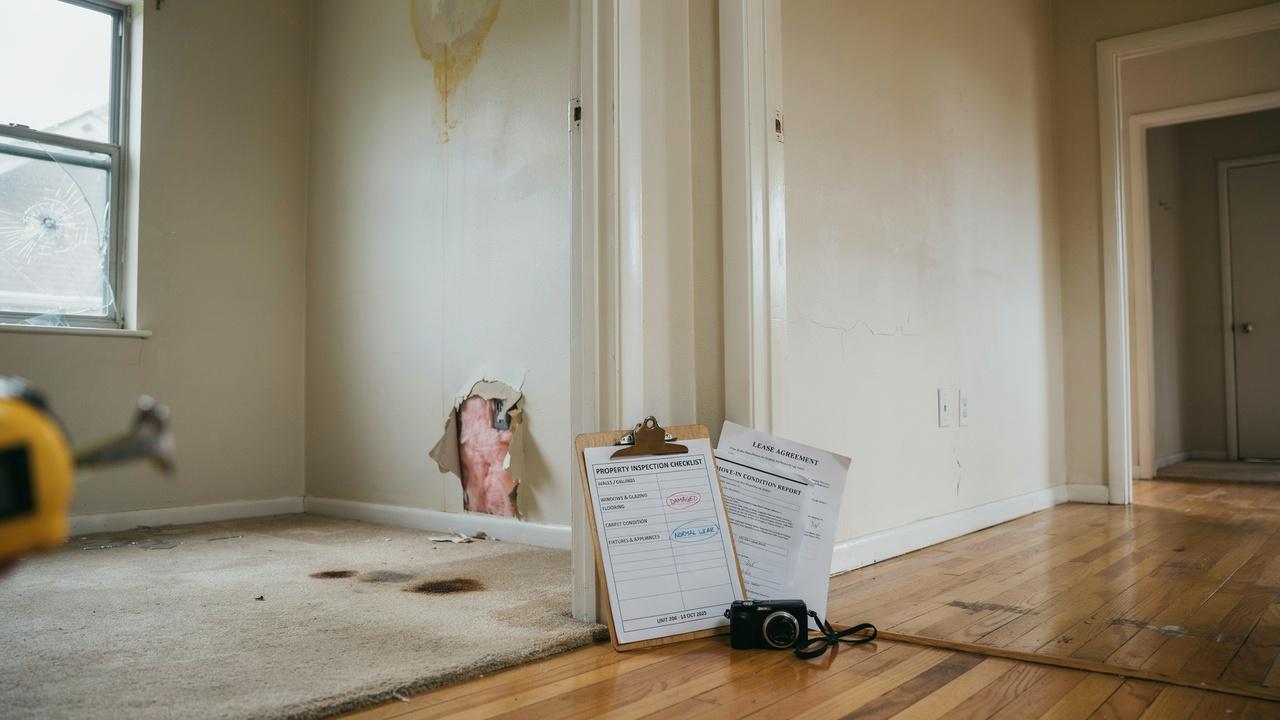
Tenant damage goes beyond normal use. It is any harm caused by misuse, neglect, or carelessness that reduces your property's value or requires repairs beyond standard upkeep.
Before taking action, it helps to understand what actually counts as tenant damage and why keeping records from day one protects you later.
Not all damage is the same. Accidental damage, like a tenant tripping and putting a hole in the drywall, is handled differently from intentional or malicious damage, where a tenant acts out of spite or neglect. Knowing which type you are dealing with shapes every step you take.
Tenant-caused damage includes broken windows, holes in walls, stained carpets, damaged appliances, or unauthorized alterations.
This is very different from normal wear and tear, which covers minor scuffs, small carpet wear, or faded paint from regular use. None of those can be legally charged to a tenant.
Knowing the difference protects you in any dispute. Good records, including move-in inspection forms, photos, and written communication, are your strongest proof if a claim ever goes to court.
What to Do If Tenant Damages Property

When you spot damage, acting quickly and correctly gives you the best chance of recovering costs and resolving the situation smoothly.
Document the Damage with Photos and Videos
As soon as you notice damage, start documenting. Take clear, date-stamped photos and videos of every affected area. Photograph the damage from multiple angles.
Compare these against your move-in documentation to show the difference clearly. The more visual evidence you have, the harder it is for a tenant to dispute the claim.
Review the Lease Agreement
Your lease is your first line of defense. Read through it carefully to confirm what the tenant agreed to regarding property care, damage responsibilities, and repair costs.
Check if there are specific clauses about pets, alterations, or maintenance. This will guide what you can legally claim and how to proceed with the tenant.
Notify the Tenant in Writing
Do not handle this with a phone call alone. Send a written notice to the tenant that details the damage found, references the relevant lease clauses, and outlines what you expect them to do to repair it, cover the cost, or both.
Written communication creates a paper trail that protects you if the situation escalates. Email works well, but a certified letter is even better for legal purposes.
Using the right landlord forms for notices and demand letters also keeps your documentation consistent and professional.
Obtain Repair Estimates
Contact licensed contractors and get at least two or three written estimates for the repair work. This shows the cost is fair and market-based, not inflated. Keep all estimates on file.
If you plan to use the security deposit or take the tenant to small claims court, these estimates will be key pieces of evidence.
How to Recover Property Damage Costs

Once the damage is documented and the repair costs are clear, your next step is figuring out how to get that money back.
When You Can Use the Security Deposit
In most states, landlords can legally deduct repair costs from the security deposit if the damage was caused by the tenant and goes beyond normal wear and tear.
You typically must provide the tenant with an itemized statement of deductions and return any remaining deposit balance within a set timeframe, often 14 to 30 days depending on your state.
Make sure you follow your local rules exactly to avoid penalties.
What If Repairs Cost More Than the Deposit?
This happens more often than landlords expect. If repair costs exceed the deposit amount, you have a few options.
You can send the tenant a written request for the remaining balance, offer a payment plan if they are willing to cooperate, pursue a small claims court case, or in some situations, work with a collections agency.
Start with the written request first, as many tenants will pay once they see the documented evidence and understand the legal path ahead.
It also helps to review your landlord insurance policy. In cases of severe or malicious damage, your policy may cover costs that go well beyond what the security deposit can offset.
Keep Records of Repair Expenses
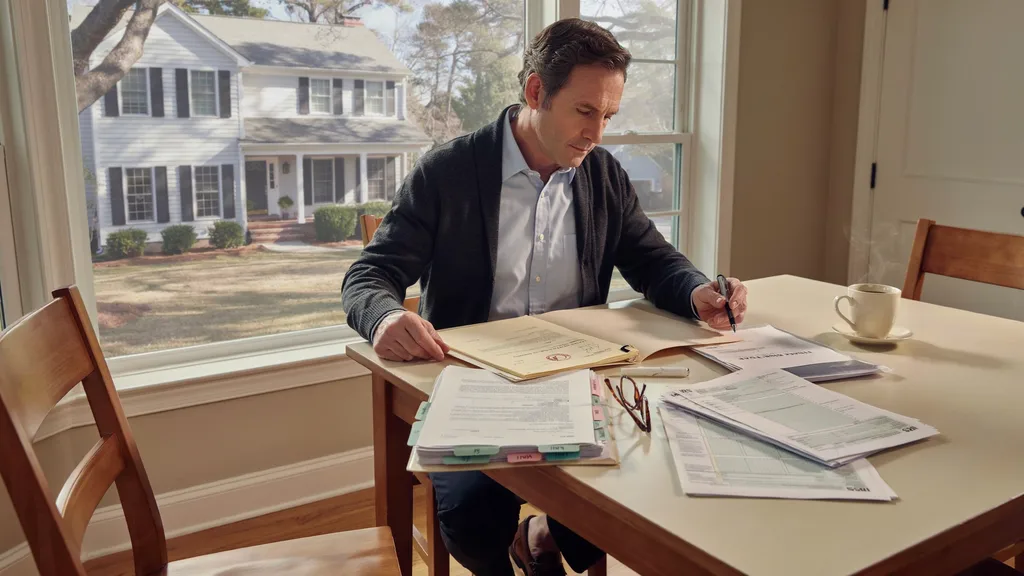
Build a complete repair expense file that includes invoices, contractor estimates, receipts, and payment confirmations.
If you completed any repairs yourself, list the materials used and the actual costs involved.
A well-organized expense file shows exactly how the total claim was calculated, making it easier to justify the amount during negotiations or legal proceedings.
What If the Tenant Refuses to Pay?
If a tenant refuses to pay for damages, start with direct communication, then escalate to a formal demand letter, small claims court, or eviction if necessary.
Not every tenant will cooperate, but you have solid legal options when that happens. Start by reaching out one more time with a calm, fact-based conversation and give them a clear deadline to respond.
Many tenants back down once they see organized documentation and realize you are serious.
If that fails, send a formal demand letter stating the amount owed, the reason, your evidence, and a payment deadline of 10 to 14 days.
Should they still refuse, small claims court is your next move. No lawyer is needed. Just bring your lease, photos, estimates, and receipts.
If the damage was intentional or malicious, contact your local police department to file a report. Intentional destruction of a landlord's property can be classified as criminal mischief or criminal damage, which gives you an additional legal avenue outside of civil court.
If the tenant is still occupying the property and continues violating lease terms, eviction through proper legal channels may be the right call.
Legal Rights and Landlord Responsibilities
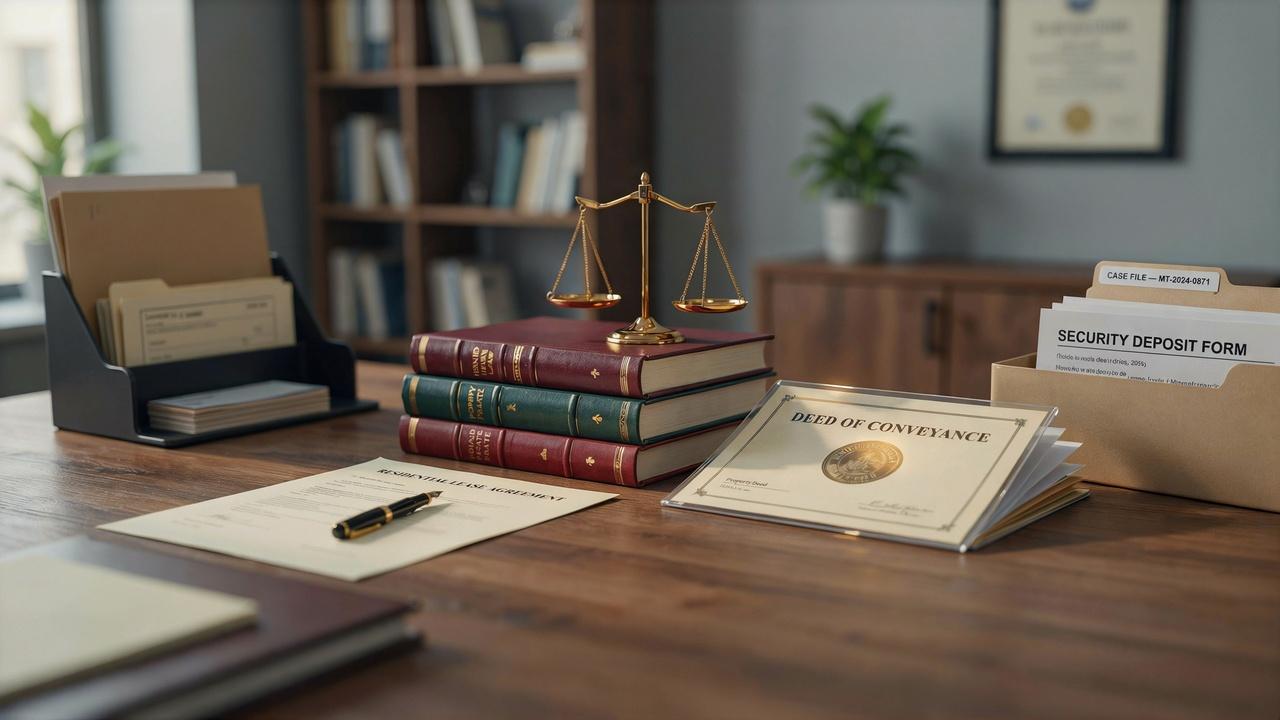
Knowing the law keeps you protected and helps you act in ways that hold up if challenged.
Follow State and Local Landlord-Tenant Laws
Landlord-tenant laws vary significantly by state and city. Rules about security deposit limits, notice requirements, and how damages must be documented all differ by location.
Research your state's specific laws or consult a legal resource before taking action. Acting outside these rules, even accidentally, can hurt your case.
Avoid Unlawful Deductions and Penalties
Only deduct from the security deposit what you can clearly justify. Charging for normal wear and tear, inflating repair costs, or failing to provide an itemized breakdown are common mistakes that can lead to legal trouble.
In some states, wrongful deductions can result in the landlord owing the tenant double or triple the deposit amount.
Know When to Consult a Real Estate Attorney
For major damage, disputes involving large sums, or complicated legal situations, it is worth speaking with a real estate attorney.
They can review your lease, advise on local laws, and help you avoid costly mistakes. Many attorneys offer initial consultations at low or no cost.
Common Mistakes Landlords Should Avoid
Even experienced landlords make avoidable errors. These are the most common ones that can cost you money or weaken your legal position.
Failing to Document the Damage
Skipping thorough documentation is the biggest mistake landlords make. Without before and after evidence, you have very little to stand on in a dispute.
Always conduct detailed move-in and move-out inspections and keep the records on file for several years.
Delaying Communication with the Tenant
Waiting too long to address the issue gives the impression that it was not serious or that you were not sure about your claim.
Act quickly, communicate clearly, and create a documented timeline from the start.
Delays can also affect your legal rights in some states where notice must be given within a specific window.
Making Repairs Without Keeping Evidence
Getting the property fixed fast is tempting, but if you repair first and document later, you lose valuable evidence.
Take photos before and after the repair, save all invoices, and note the date the work was done. This creates a complete record that supports your deduction or claim.
Ignoring Legal Notice Requirements
Many landlords skip required steps like formal written notices or proper return of deposit statements.
These requirements exist to protect both parties, and skipping them can result in you losing a court case even when you are clearly in the right.
Always follow the process your state requires.
Tips to Prevent Future Property Damage
Prevention is far less costly than recovery. A few proactive steps can save you a lot of stress down the road.
- Screen tenants thoroughly by running background checks, verifying income, and calling previous landlords before signing anything.
- Do move-in and move-out walkthroughs with photos and a signed inspection form to avoid disputes later.
- Add clear damage clauses to your lease that spell out tenant responsibilities and have an attorney review them.
- Inspect the property once or twice a year with proper notice to catch small issues before they turn costly.
- Stay present and consistent. Tenants who know you check in regularly tend to take much better care of the property.
- Carry landlord insurance so you have a financial safety net if damage costs go beyond what a security deposit can cover.
Conclusion
Knowing what to do if a tenant damages property can save you time, money, and a lot of unnecessary stress.
Start with solid documentation, follow your lease, communicate in writing, and use the legal tools available to you when needed.
Acting quickly and staying organized puts you in the strongest position possible.
If you found this guide helpful, share it with a fellow landlord or leave a comment below with your experience.
The more prepared you are before issues arise, the smoother the process will be when they do.
Frequently Asked Questions
Can a landlord charge a tenant for cleaning costs after move-out?
Yes, landlords can deduct professional cleaning costs from the deposit if the unit was left significantly dirtier than its move-in condition, beyond normal use.
How long does a landlord have to make a damage claim after a tenant moves out?
Most states require landlords to send an itemized deduction statement within 14 to 30 days after the tenant vacates the property.
Does renters insurance cover damage a tenant causes to the rental unit?
Renters insurance typically covers accidental damage a tenant causes to others' property, but not always damage to the landlord's unit itself.
Can a landlord take legal action years after a tenant caused damage?
Statutes of limitations vary, but landlords generally have one to six years to file a civil claim depending on their state's laws.
What happens if a tenant disputes the damage claim in small claims court?
Both parties present evidence before a judge, who decides based on documentation, lease terms, and applicable local landlord-tenant laws.