

Disclaimer: This guide is general information, not legal or tax advice. Trust and property rules vary by state and change over time, so check with an estate planning attorney or tax professional about your own situation.
While filling out a mortgage form or reviewing your estate plan, you spot this line: will the subject property be titled in your trust?
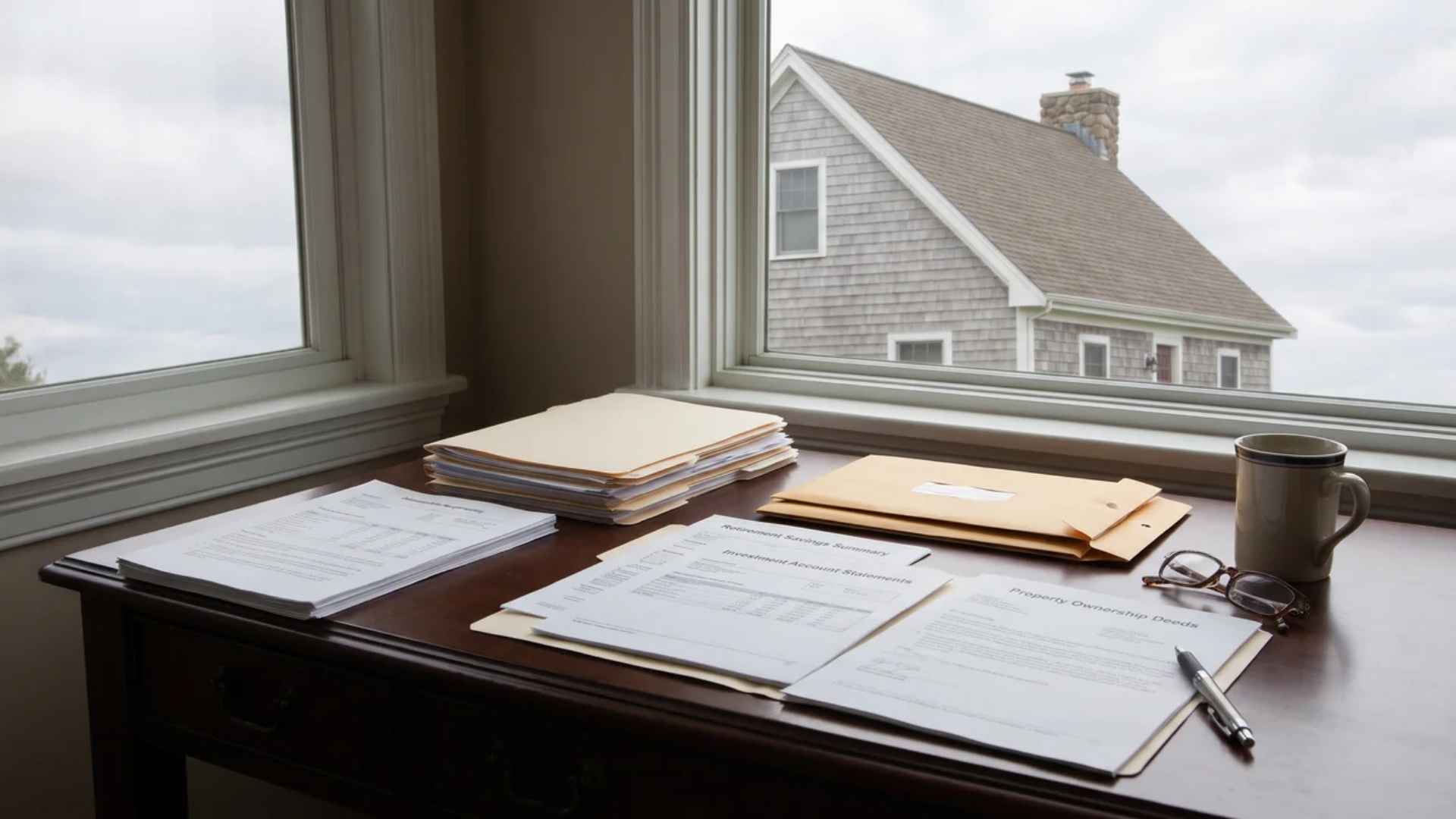
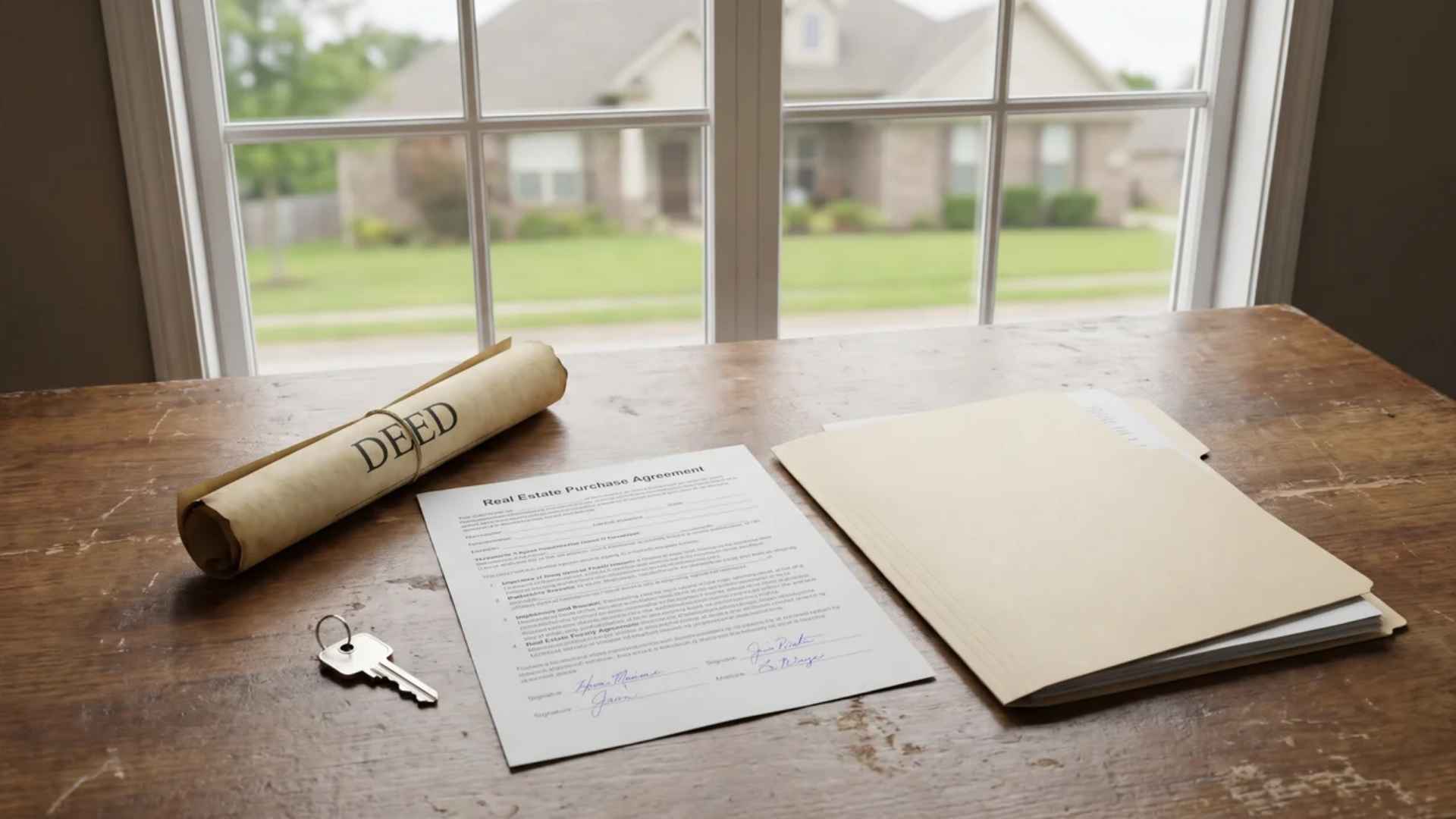
It sounds like legal jargon at first, but it’s a simple question with a big impact on your future. Here’s the short answer: your home is only titled in your trust once you sign a new deed naming the trust as owner and record that deed with your county.
Simply creating a trust document doesn’t do this automatically, and that one missed step decides whether your home skips probate court or gets stuck in it for months.
Many homeowners set up a trust and stop there, assuming the job is done, but a trust only protects what is actually inside it.
This guide walks you through what this question really means, why it matters, and how to make sure your home is properly covered.
What Lenders and Attorneys Actually Mean by This Question?
You will see this question on mortgage forms and estate planning papers alike. It is asking one simple thing. Will the trust legally own this home, or will you own it in your own name?
The “subject property” just means the home tied to that specific document. Lenders ask this to know who holds legal title before they approve a loan.
Say a couple refinances two years after setting up a living trust. Their lender asks this exact question, because the answer changes what documents get requested next. Attorneys ask it too, to make sure your estate plan matches what is actually on the deed.
At close, this question decides one thing. Will the new deed name you, or will it name your trust? Whatever you answer becomes the deed your county records that day.
Why Move a Home Into a Trust?

Putting your home in a trust is not just a legal formality. People do it for real, practical reasons. Here is what pushes most homeowners to make the switch.
Skipping the Probate Court Line
Probate is the court process that decides who gets your property after you pass. It can drag on for months, sometimes over a year. Courts get involved, fees pile up, and your family waits.
When your home sits in a trust, it skips this line completely. Your trustee can hand over the property fast, without a judge signing off on every step.
Keeping Ownership Details Off Public Record
Wills go through probate court, and probate records are public. Anyone can look them up.
Trusts work differently. They usually stay private, so your family’s financial matters do not end up open for anyone to browse.
Staying Protected If You Become Incapacitated
Life can change fast. A stroke, an accident, or a serious illness can leave you unable to manage your own affairs.
If your home is titled in your name alone, someone may need to petition a court for control. A trust already has a plan built in. Your named successor trustee steps in right away, no court fight needed.
Passing the Home to Your Heirs Without a Legal Fight
Homes without a trust often become the center of family disputes. Siblings argue over who gets what.
A trust lays out your wishes in writing, ahead of time. Your heirs get clear instructions and a much smoother handoff.
Trust Ownership vs Individual Ownership: What Really Changes?

Moving a home into a trust does not just change the name on paper. It changes how a few things actually work.
This quick comparison shows what shifts once the trust takes over:
| Factor | Individual ownership | Revocable trust ownership |
| Daily control | You control it | You still control it as trustee |
| Probate at death | Usually required | Skipped |
| Privacy | Public record | Usually private |
| If you become incapacitated | Court may step in | Successor trustee steps in |
| Legal title | In your name | In the trust’s name |
Who Controls the Property Day to Day?
You still call the shots. Most trusts are revocable, meaning you’re both the trustee and the beneficiary, the person who benefits from the trust’s assets, while you’re alive. You can sell, rent, or renovate the home just like before.
The trust holds legal ownership, but your day-to-day control of the property stays the same. This split has a name.
The trust holds legal title, and you hold what’s called beneficial interest, meaning you get all the benefits of ownership without your name sitting on the deed.
What Happens to Taxes and Insurance?
Property taxes usually stay unaffected, since most states don’t reassess your tax bill just because you moved the home into your own revocable trust.
California is an exception worth knowing about: you still need to file a Preliminary Change of Ownership Report, or PCOR, when you record the new deed.
Skipping this specific form is one of the most common reasons a transfer into a trust triggers an unexpected reassessment, according to the Grossman Law Firm.
This requirement applies to California and doesn’t necessarily apply in other states, so confirm the rules where your property is located.
Insurance is a bit trickier; you may need to add the trust as a named insured on your homeowner’s policy, since skipping this step can create gaps in coverage.
Title insurance works differently than homeowner’s insurance. Your existing policy insures the property as of the date you bought it, not the date you move it into a trust.
Some title companies will not automatically extend that coverage to your trust. Ask your title company if you need an endorsement so your trust stays protected too.
How Does Selling or Refinancing Work Differently?
Selling a trust-owned home works almost the same as selling any home. Your trustee simply signs the documents.
Refinancing can involve extra steps. Some lenders ask for a copy of the trust document, or want you to temporarily transfer the property back to your name before closing.
If your home still has a mortgage, your attorney should also check whether the transfer could trigger the due-on-sale clause in your loan agreement. That is a clause that lets a lender demand full repayment after a title change, as LegalClarity explains.
For most owner-occupied homes moved into a revocable trust, a 1982 federal law called the Garn-St Germain Act blocks lenders from calling the loan due.
The protection holds as long as you remain a beneficiary and keep living in the home. It is still worth confirming with your lender in writing.
How to Actually Get Your Property Titled in the Trust?

Getting your home into your trust takes a few clear steps. Miss one, and the property could still end up in probate. Here is how the process usually goes.
Drafting the New Deed
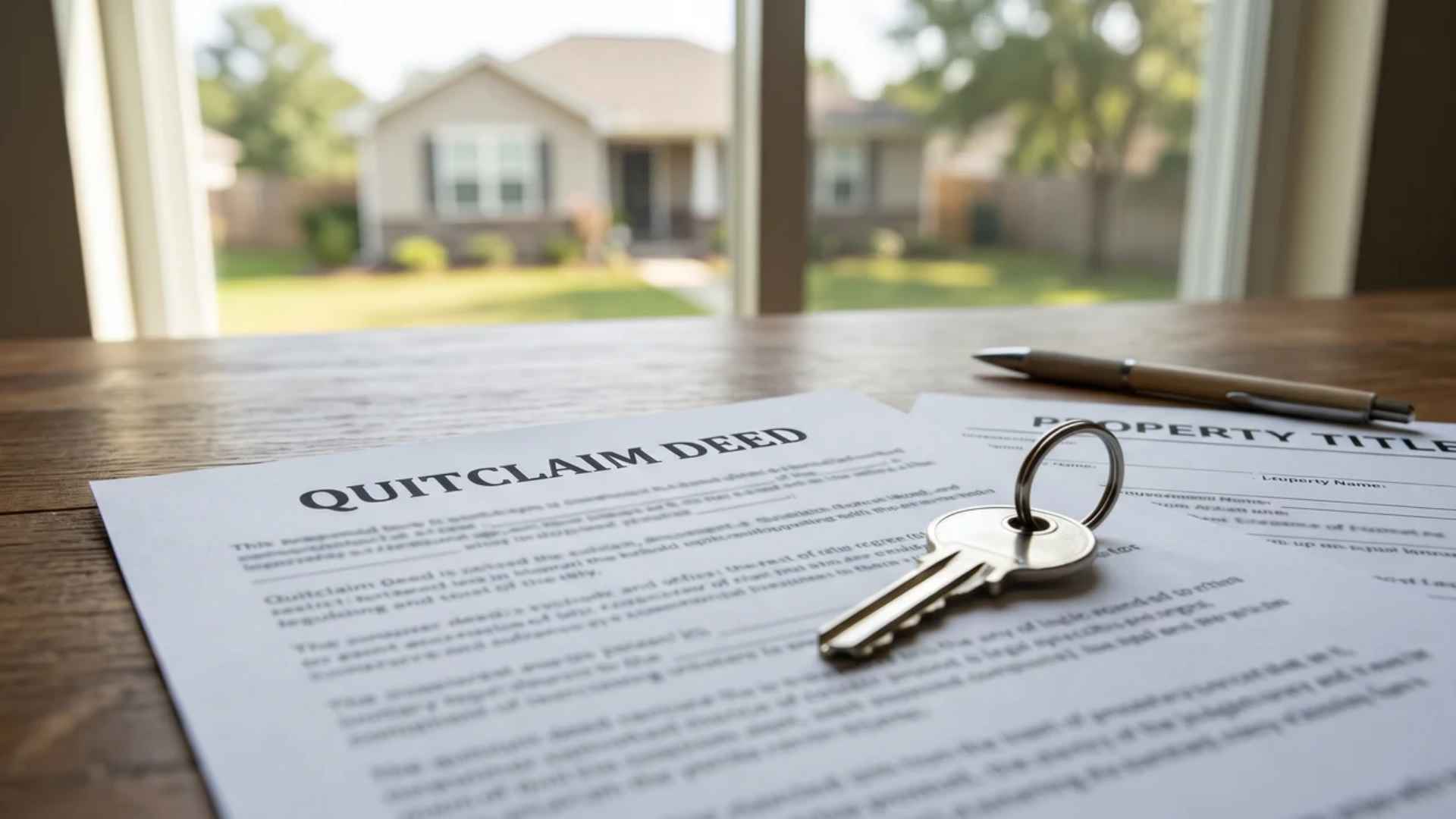
You will need a new deed that moves the property from your personal name into the trust’s name. It usually reads something like “John Smith” to “John Smith, Trustee of the John Smith Living Trust.”
An attorney or title company can prepare this for you. Most attorneys charge somewhere between $500 and $1,000 to handle this kind of deed transfer, according to City National Bank, though simple cases in some areas can cost less.
Recording It With the County
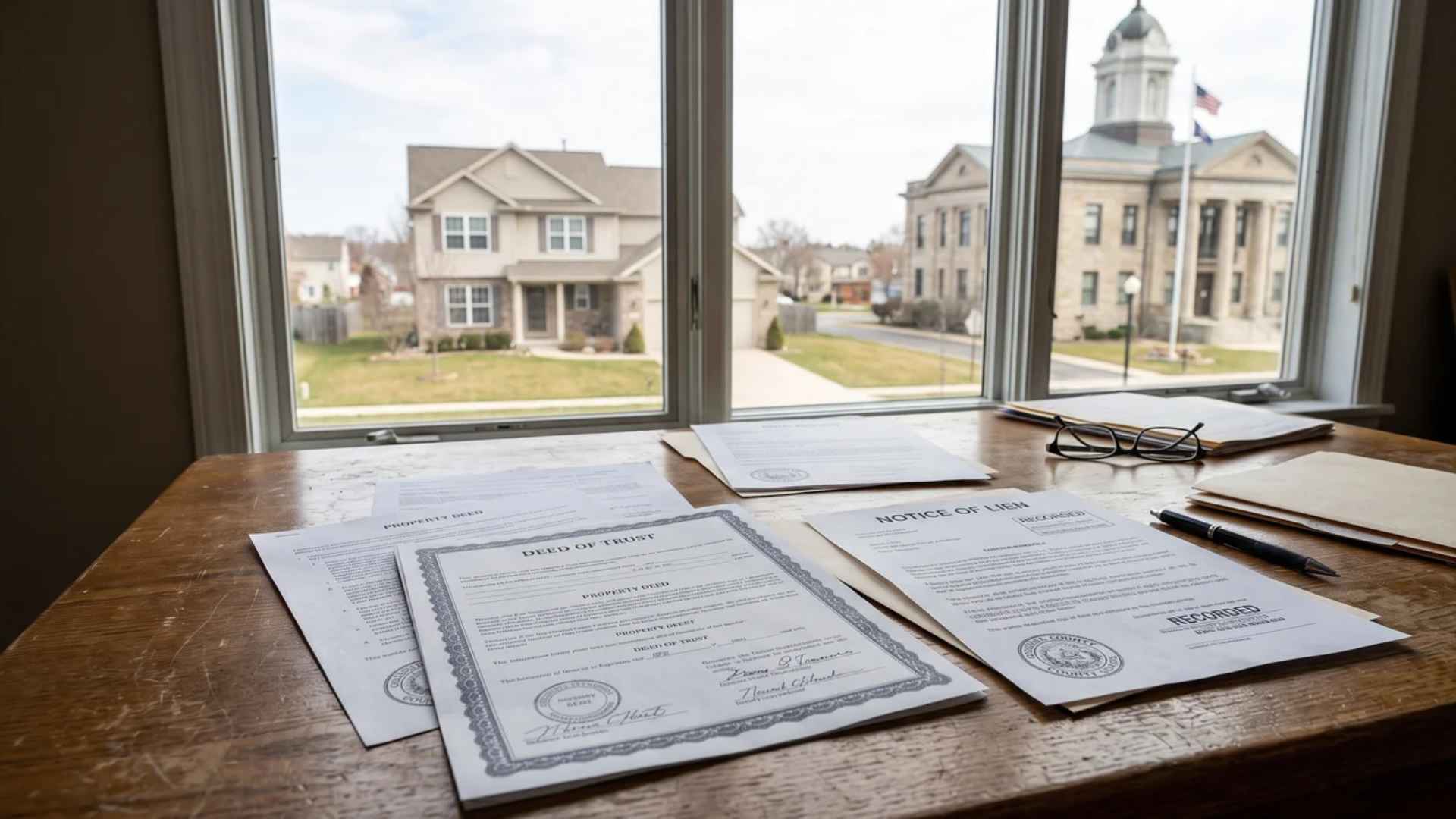
Once the deed is signed, it has to be recorded at your county recorder’s office. This makes the change official and public.
There is usually a small recording fee involved, often close to $100, though this varies by county, per City National Bank. Until this step is done, the trust does not legally own the home.
Letting Your Lender Know
If your home has a mortgage, tell your lender before you make the switch. Federal law protects you from a lender calling the loan due just because you moved the home into your own revocable trust.
Still, a quick notice avoids confusion and keeps your paperwork lined up.
Are There Any Downsides to Putting Your Property in a Trust?

A trust isn’t all upside. Here’s what can trip you up.
Refinancing usually takes extra steps. Some lenders want a copy of your trust document, or ask you to move the property back to your name first, then transfer it again after closing.
Your title insurance may need an update too, since moving the home into a trust can leave a gap your original policy doesn’t cover.
There’s also a real cost. Between attorney fees and the county recording fee, setting things up properly usually runs a few hundred dollars.
None of that outweighs what a trust gives you. It just means going in with clear eyes.
5 Mistakes That Cost People Time and Money
Even with the best intentions, small slip-ups during the transfer process can undo these benefits. Here are the ones that trip people up most often:
- Forgetting to record the new deed: Signing paperwork is not enough. It has to be filed with the county to count.
- Not telling the insurance company: Skipping this step can leave your coverage with gaps you will not notice until it is too late.
- Leaving out newly bought property: Every home you buy after setting up the trust needs its own deed transfer.
- Using vague language in the trust: Courts want clear, specific wording. Vague terms can lead to disputes later.
- Assuming the lender already knows: Always send written notice, even though the law protects you from loan acceleration.
Signs Your Property Might Still Be Sitting Outside Your Trust
A few simple checks can tell you if your home actually made it into your trust. Here is what to look for:
- The deed still has your personal name: Check the deed on file with your county.
- Your trust document is outdated: If you have bought or refinanced since setting up your trust, and that property is not listed anywhere, it needs a closer look.
- Your tax bill lists you, not the trust: That is often the first real sign something was never finished.
- Your insurance policy has not been updated: The trust may not be properly funded on that front either.
- Your loan servicer’s records do not match your trust: This can point to a step that got skipped during the transfer.
If you spot any of these signs, a quick check with your attorney can confirm everything still lines up.
Conclusion
A trust only protects your home if it’s actually titled in the trust’s name; that’s the one thing to remember here. A signed trust document isn’t enough on its own; the deed has to match it.
So take one concrete step today: pull up your property’s deed on file with your county and confirm it lists the trust as the owner, not your personal name.
If the deed still shows your name, or you’re not sure, contact your estate planning attorney to finish the transfer. A five-minute check now can save your family months in probate later.
Found this helpful? Share it with someone planning their estate, and drop a comment if you still have questions.
Frequently Asked Questions
Can an irrevocable trust protect my home from lawsuits and creditors?
Yes, in many cases. Once the home is in an irrevocable trust, you lose direct control, but that separation is what gives it stronger protection.
Creditors generally cannot reach assets you no longer legally own, though transfers made to dodge a known claim can be challenged in court. Because the rules are strict and hard to undo, talk with an attorney before choosing this route.
Can I buy a home first and title it in my trust later?
Yes, plenty of people do this. Once your trust is ready, you prepare a new deed, get it notarized, and record it with the county, just like at closing.
Keep a copy of the recorded deed and your certificate of trust with your estate papers so everything stays easy to find. The key is not to forget that second step after the purchase.
Will moving my home into a trust affect my homestead exemption?
In some states, yes. Homestead protections are sometimes tied to personal ownership, so check your state’s rules before making the move.
Some states, like Florida, have specific provisions that preserve the exemption for homes held in a revocable trust, while others treat it differently. A local attorney can tell you whether your state keeps the exemption for trust-held homes.
Does selling a home through an irrevocable trust change how capital gains are taxed?
It can. Capital gains rules shift once a home sits in an irrevocable trust, so it is worth checking with a tax professional first.
One big factor is whether the trust qualifies for a step-up in basis at death, which can lower or erase the taxable gain for your heirs. The details depend on how the trust is structured and who is treated as the owner.
Can a title company refuse to close if my home is in a trust?
Rarely. Most title companies just ask for a certificate of trust to confirm the trustee has the authority to sign. Some may also want to review the full trust document or confirm the trustee’s identity before closing. Having that paperwork ready ahead of time keeps your closing on track.