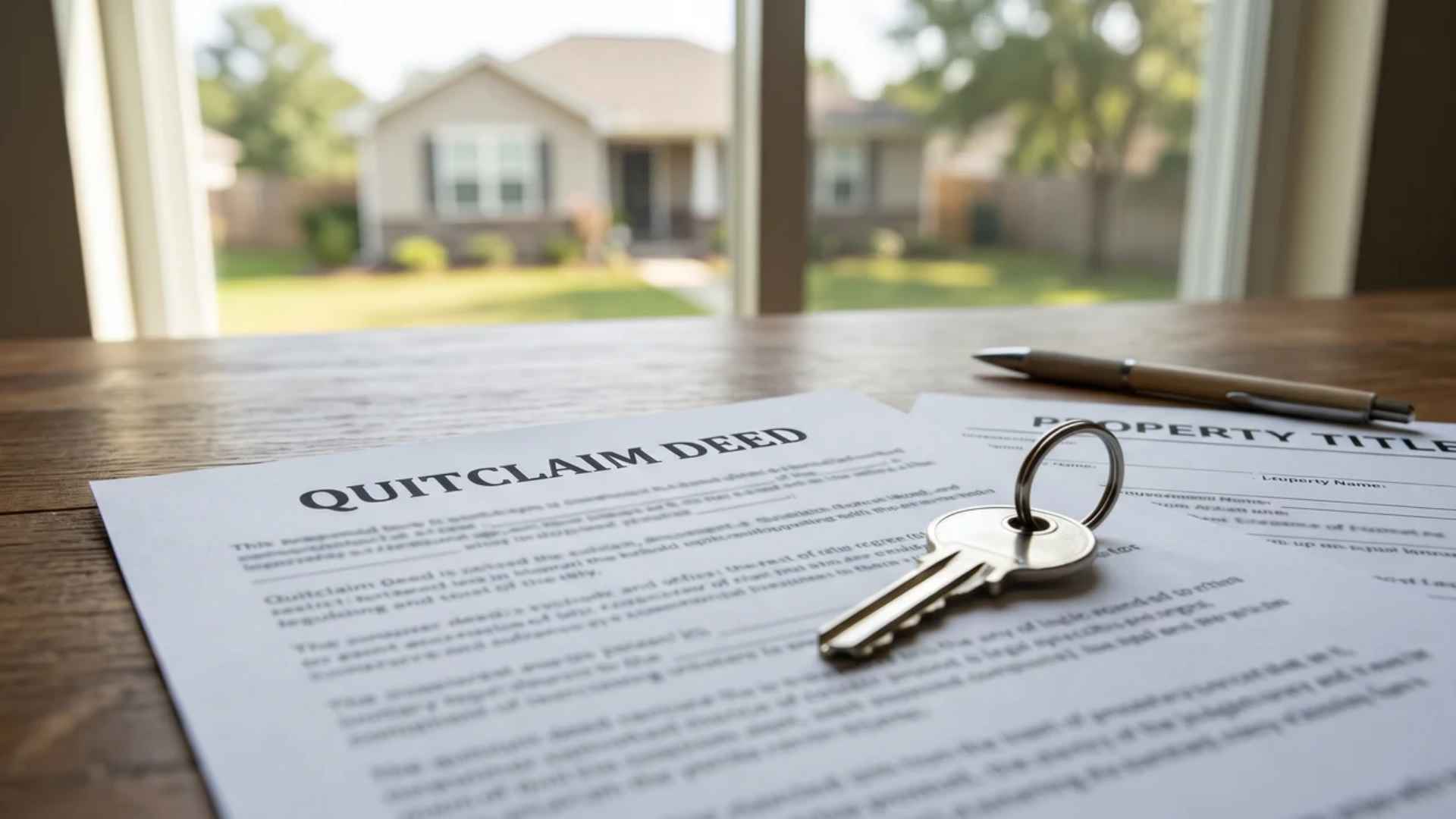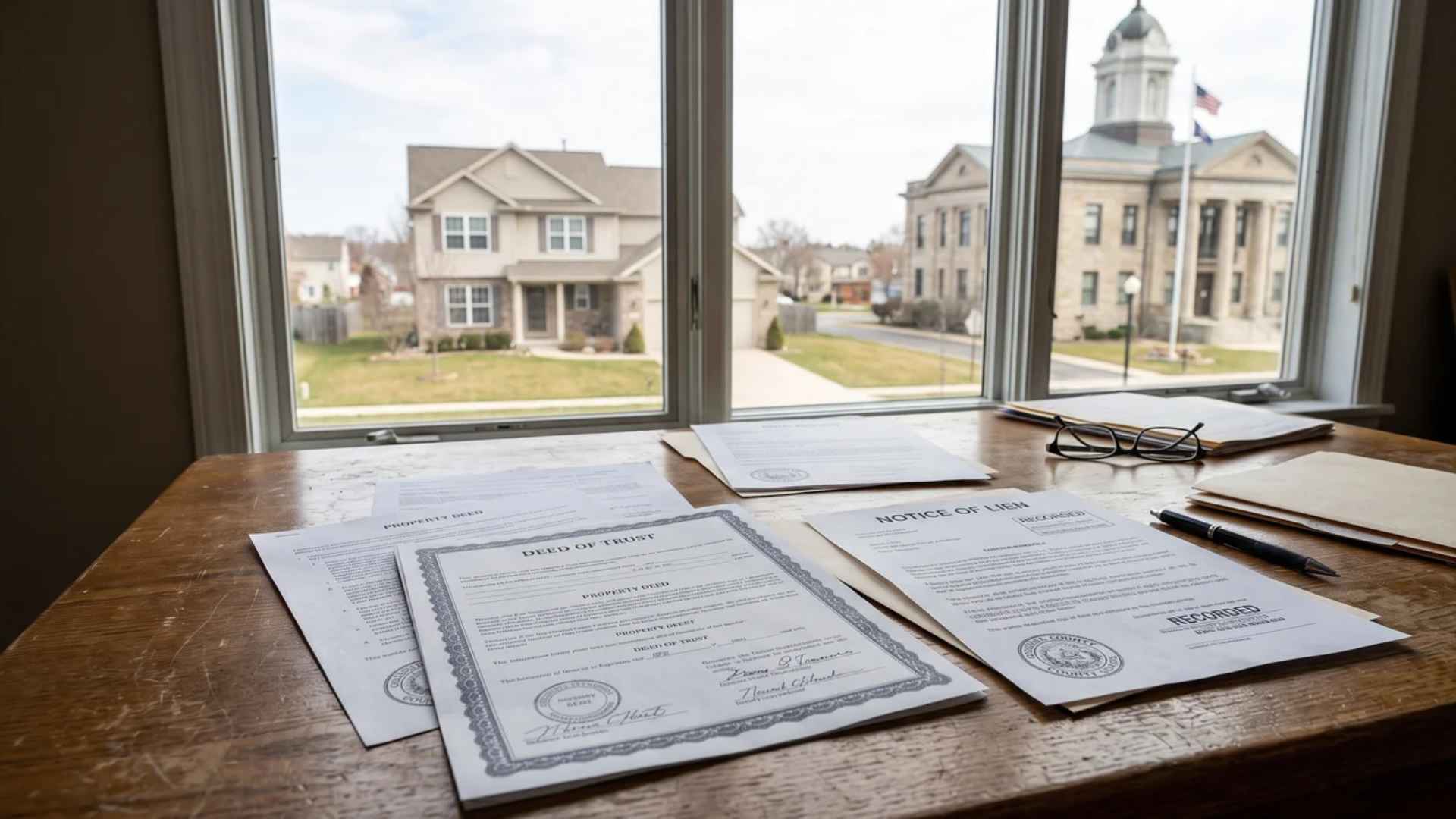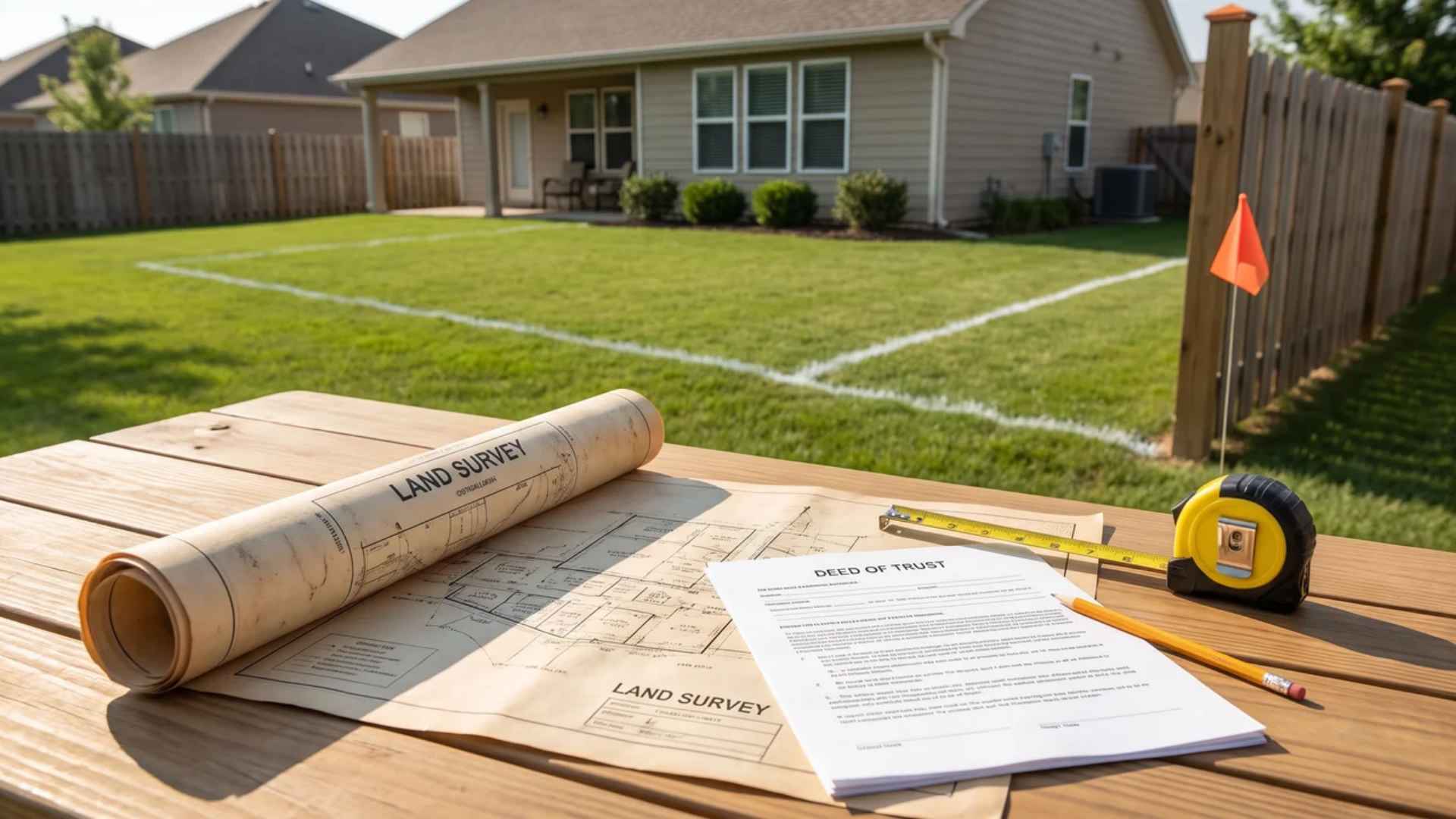


Couples often live together for years, split the bills, and even buy a home. Then a breakup or a death shows how little the law protects them.
Cohabitation property rights for unmarried couples depend on whose name is on the title, who paid, and where you live. Knowing this early can save you real money.
Most people assume time together creates automatic rights. It usually doesn’t. Rights come from paperwork: the name on the deed, a signed agreement, and a will. Without them, courts look at the title and little else. Here is where the law actually stands.
Disclaimer: This article is general information, not legal advice. Laws vary by state, so consult a licensed attorney before making decisions about your property.
Do Unmarried Couples Have Automatic Property Rights?
No. Unmarried couples have no automatic property rights, and ownership comes down to how assets are titled and what written agreements exist.
Living together for ten or twenty years doesn’t change that. If your partner’s name is alone on the deed, the house is theirs. The same goes for bank accounts, cars, and investments.
You also have no automatic claim to spousal support or inheritance. If a partner dies without a will, the estate usually goes to blood relatives, not you.
Courts look at paperwork, not the length of the relationship. Common-law marriage is the one exception, but few states recognize it, such as Texas, Colorado, and Montana.
It also takes more than sharing a home. In those states, you must live together, intend to be married, and present yourselves as spouses. The popular “seven years together” rule is a myth. Time alone never creates a marriage.
Married couples in community property states, such as California, usually own what they earn during the marriage 50/50. Unmarried partners get no default split like that.
What they get instead is contract law. In Marvin v. Marvin (1976), the California Supreme Court said unmarried partners can enforce express or implied property agreements. Written agreements like this are often called Marvin agreements.
Not every state follows Marvin. Illinois, for one, has refused to recognize most of these claims.
How Does Title Decide Who Owns What?

Ownership follows the legal title, not the paycheck. The form of title sets what each partner keeps at a breakup or a death.
Property in One Partner’s Name
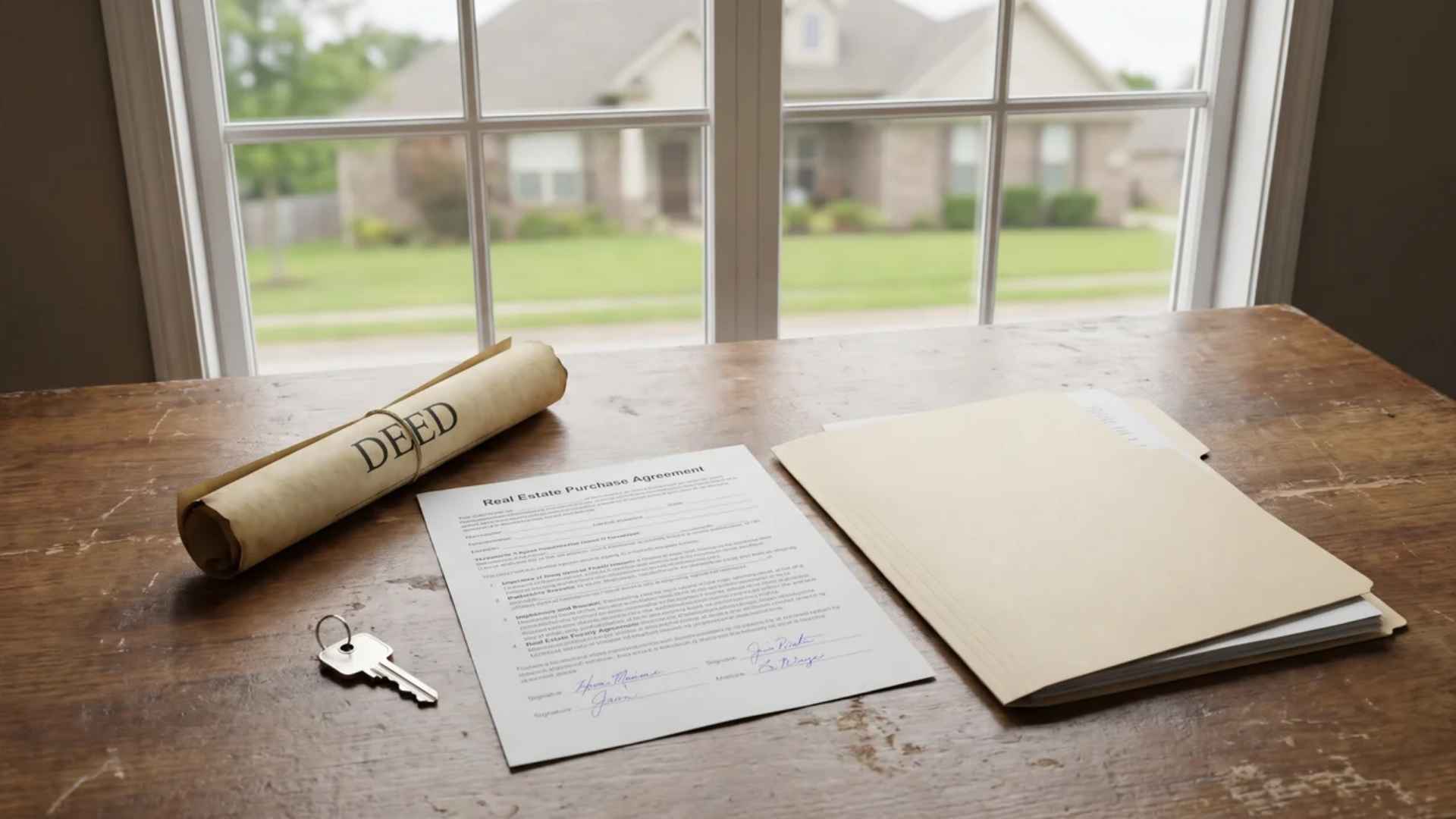
If only one partner is named on the deed, that partner owns the property alone. The other partner has no ownership on paper.
The owner can sell it, mortgage it, or leave it to anyone in a will. Your partner can’t block any of that.
I’ve seen couples live in a home like this for ten years. One partner paid half the bills and fixed the roof. When the relationship ended, the deed decided everything.
Joint Tenancy With Right of Survivorship
In joint tenancy, both partners own equal, undivided shares. Neither owns “the kitchen” or “the left half.” Each owns all of it together.
When one partner dies, the survivor takes the other share automatically. No probate court is involved.
This is the part people miss. Survivorship overrides a will. Your partner can write that their share goes to their sister, and it still goes to you.
It cuts both ways. If you die first, your share goes to your partner, even if you meant it for your child.
Tenancy in Common
Tenants in commoncan hold unequal shares. One partner might own 70 percent and the other 30.
There is no survivorship. When a partner dies, their share goes where their will says. Without a will, local inheritance law decides.
Here is the contrast with joint tenancy. Joint tenants hold equal shares, and the survivor takes everything. Tenants in common keep whatever split they chose, and each controls their own share at death.
This often suits couples who each have children from earlier relationships. It protects both sides.
Beyond the Home: Accounts, Vehicles and Debts
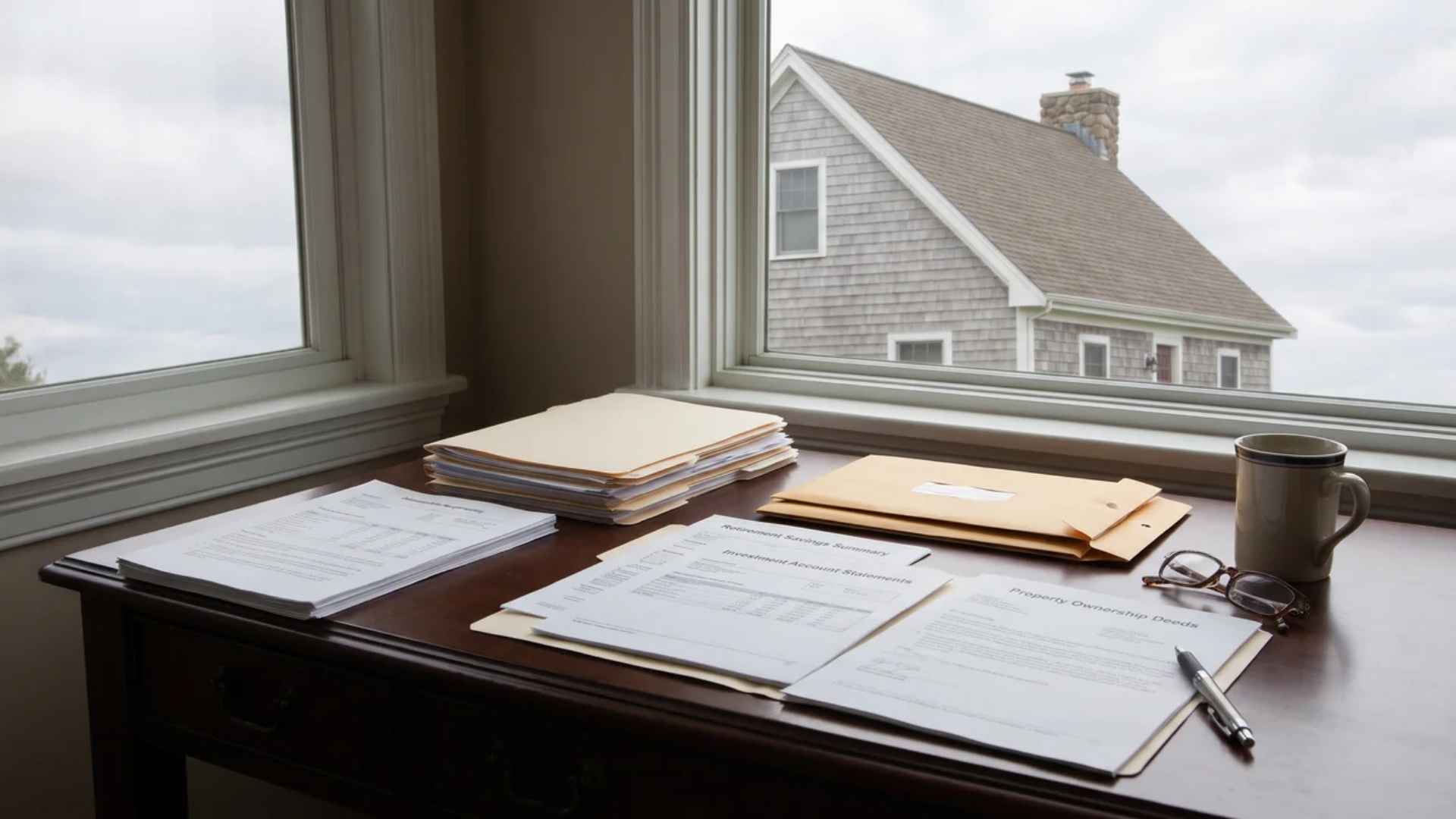
The same rule runs through everything else you share. The name on the account, the vehicle title, or the loan decides who has access and who owes.
A car titled to your partner is theirs, even if you made every payment. A bank account in their name is theirs to empty.
Debts follow names too. If you didn’t sign the loan, the lender generally can’t come after you. If you co-signed, you owe it.
Anyone not named on the title or the account generally has no ownership claim. That gap is where the next section begins.
What Rights Do You Have If Your Partner Owns the Home?
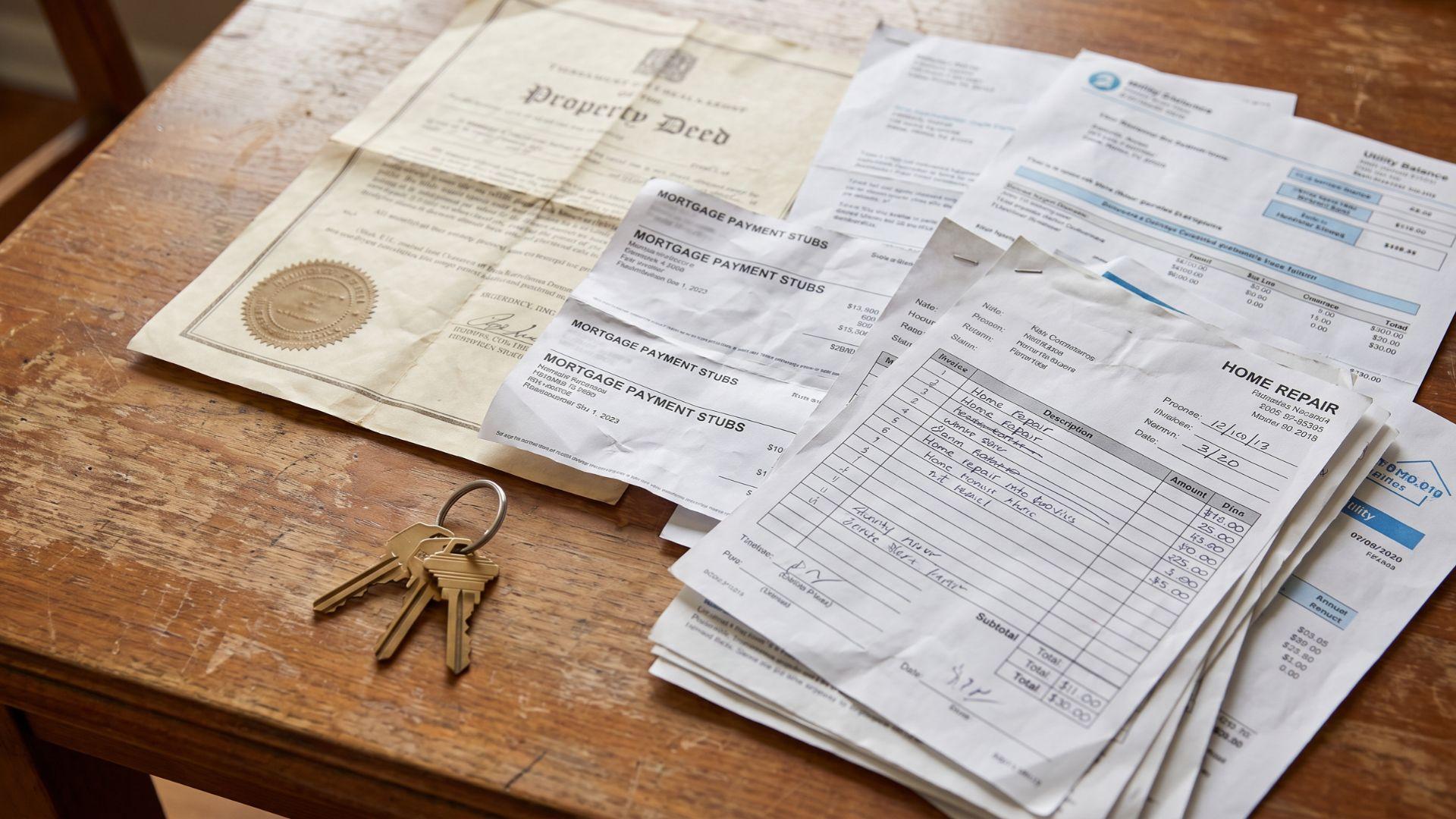
Paying for a home you aren’t on the title for gives you no ownership rights. It gives you, at most, a claim you must prove.
Three questions decide where that leaves you.
Do You Have Ownership Rights If You Paid but Aren’t on the Title?
No. Here is what the title does, and what your payments do instead.
- Title: The deed names the owner, and courts start there.
- Your payments: Paying the mortgage, fixing the roof, or covering the bills counts as evidence. It doesn’t make you an owner.
- What you hold: A claim. You have to bring it yourself, and you have to prove it.
Your payments matter, but only as proof. They never replace the deed.
What Legal Rights Do Your Contributions Give You, and How Do You Prove Them?
Your contributions can support a few different claims. Each one asks you to prove something different.
- Implied agreement: You and your partner agreed, out loud or by behavior, to share the home.
- Unjust enrichment: Your partner gained at your expense, and it wouldn’t be fair to let them keep that gain.
- Resulting trust: You paid toward the purchase, but your partner holds the title. A court can rule that they hold your share for you.
- Constructive trust: Your partner broke a promise or took unfair advantage. A court can order them to hold part of the home for you.
- Usual outcome: Fair compensation, not a share of the home. Many courts simply return what you put in.
Winning depends less on which claim you pick and more on what you can show a court.
- Strong proof: Bank statements, repair receipts, texts or emails showing shared intent, and written promises.
- Weak proof: Spoken promises. They are hard to prove, and some states reject claims without writing.
- State rules: Outcomes vary by state, so check yours before you rely on any claim.
- Best protection: A cohabitation agreement. It turns a shaky claim into a written right.
Keep every record from day one. Paper is what turns a story into a case.
Do You Have the Right to Stay in the Home?
Generally, you live there by permission. That permission can end, but not overnight.
- Your status: You stay at the owner’s invitation, not by right.
- The owner’s limits: They usually must follow a legal notice and removal process first.
- What they can’t do: Change the locks or toss your belongings. Doing so can create legal trouble for them.
- Notice periods: These vary by state. Some give you weeks, others only days.
- Ownership: Staying doesn’t build any. You have a right to a fair process, not a right to keep the home.
You can’t be pushed out without process, but time spent living there doesn’t make the home yours.
What Happens to the Home at a Breakup or a Death?
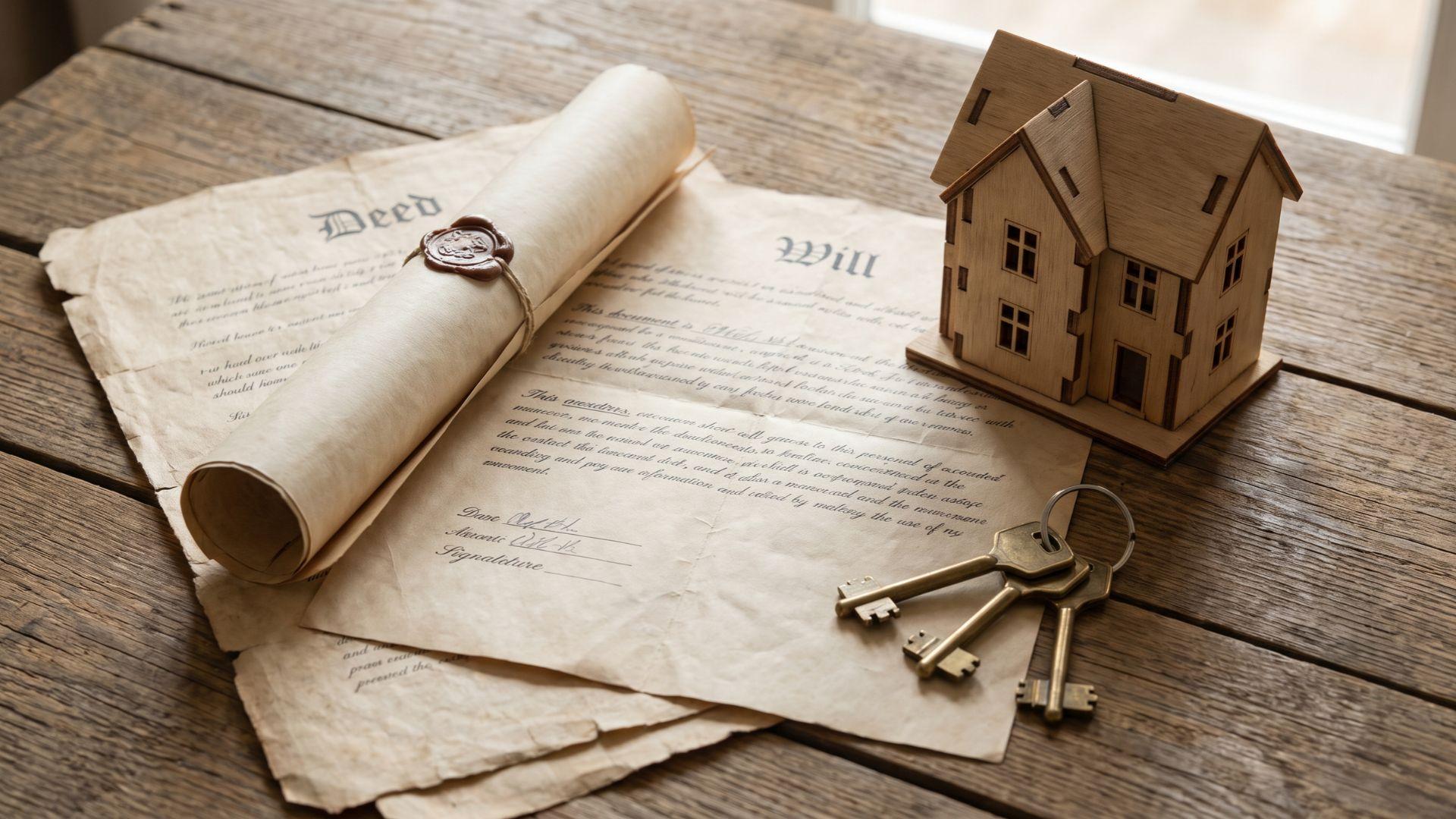
A breakup can end in a court-ordered sale. A death can leave the surviving partner with nothing, depending on title and a will.
Both outcomes come down to one problem. Nothing in writing says what the two of you meant.
Breakup and Partition Actions
If you co-own the home and can’t agree on what to do, a court can step in. The tool is a partition action.
A partition action is a civil lawsuit that forces a sale or a split of the property. Most homes can’t be split, so the court usually orders a sale.
Your share follows your ownership interest. If the deed says 50/50, you each get half of the proceeds. If it says 70/30, the split follows that.
Contributions rarely change the split. Some courts give credit at sale for extra mortgage, tax, or repair payments, but the deed sets the starting point.
It also costs real money and time. Legal fees add up, and a forced sale can take months or longer. Homes sold under court order often bring in less than they would on the open market.
Death, Intestacy and Survivorship
Death follows a different path. The outcome depends on how the home is titled and whether a will exists.
Unmarried partners are not heirs under intestacy laws. Intestacy is what happens when someone dies without a will. The law sends the estate to relatives, not to a live-in partner.
Title can change that. If you own the home jointly with survivorship, the surviving owner takes the whole home automatically. No will is needed.
Without survivorship, the deceased partner’s share goes through the will. If there’s no will, it goes to their relatives.
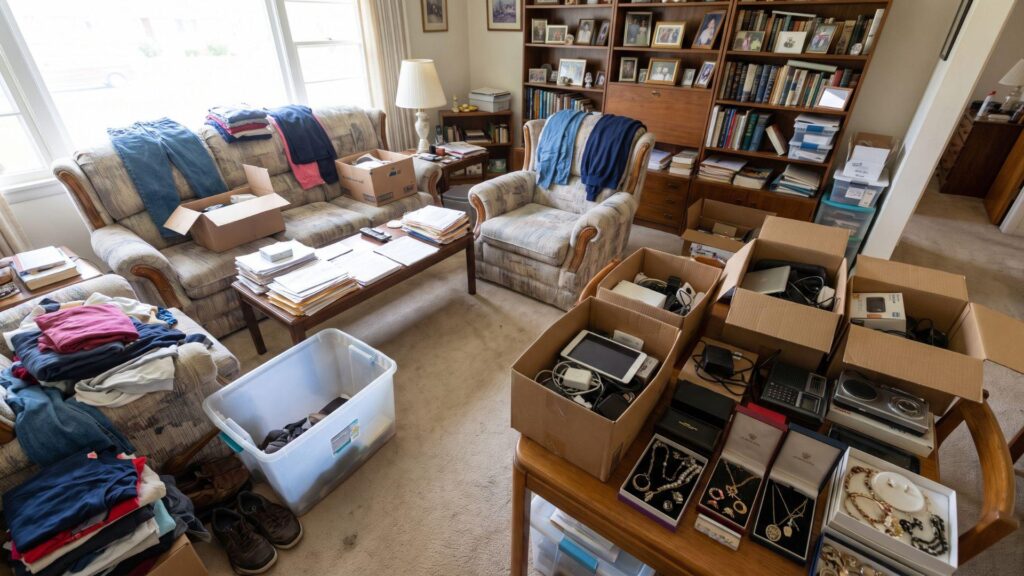
That means a partner of twenty years can be left with no right to stay. The deed and the will decide, not the relationship.
How Do Agreements, Wills and Trusts Close the Gaps?
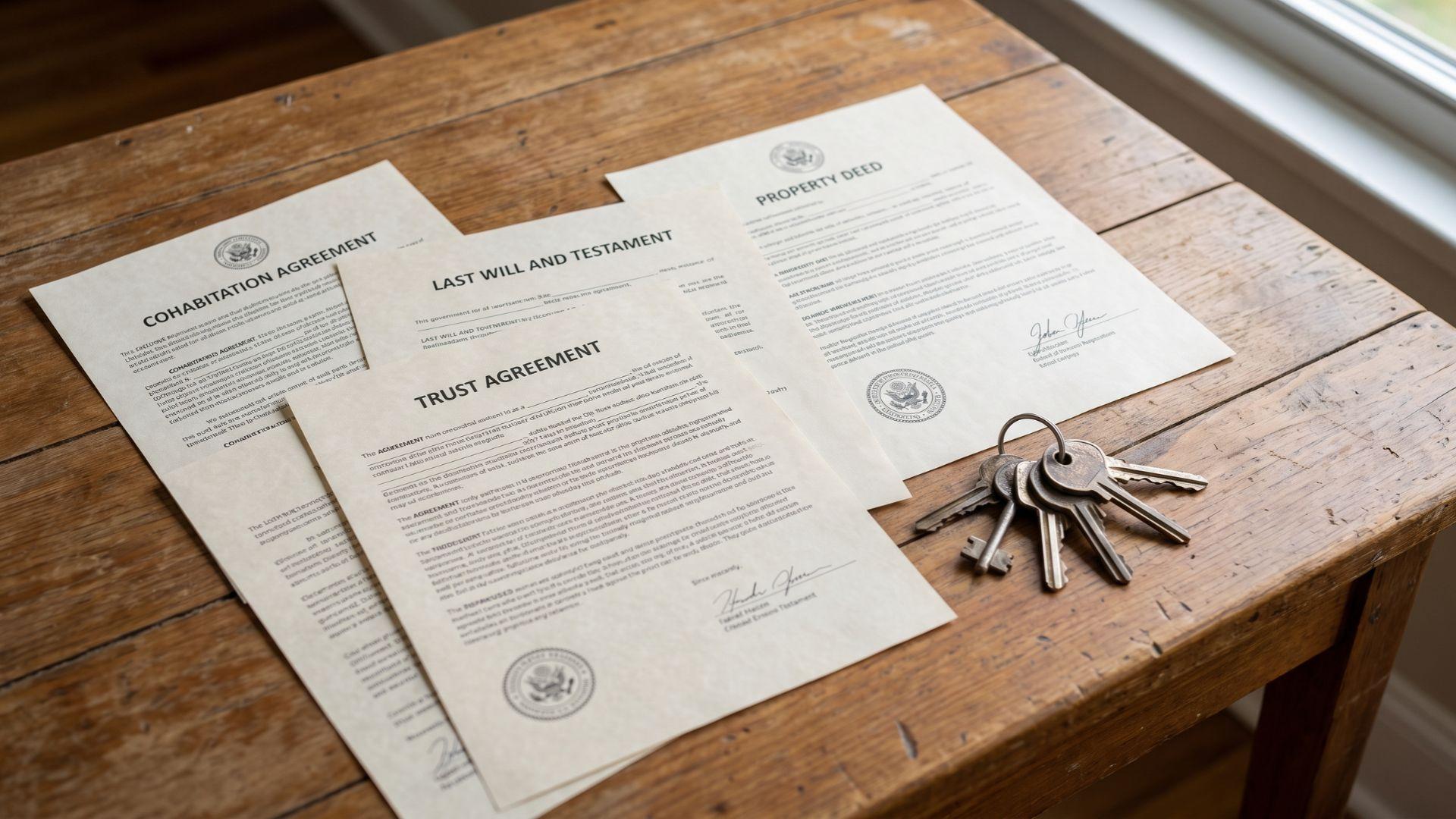
A cohabitation agreement, a will, and the right form of title are what give unmarried partners enforceable rights. Without them, the law fills the blanks, and it usually fills them against you.
Each document fixes a different gap. Here is how they work and where they stop.
What a Cohabitation Agreement Covers
A cohabitation agreement swaps an uncertain lawsuit for a written answer. You decide the terms now, while you still get along.
It states who owns the home and in what shares. It also sets how you split the mortgage, taxes, repairs, and utilities.
Ownership is where couples get stuck. One partner pays the down payment, the other pays the bills, and neither writes it down.
Debts belong in there too. Say who is responsible for which ones, so one partner’s loan doesn’t become the other’s problem.
Then it covers separation: who keeps the home, who buys out whom, and how fast. You write the plan for the worst day on a good one.
When It Holds Up
A cohabitation agreement only helps if a court will enforce it. That starts with a written document that both of you sign.
You must sign voluntarily, with no pressure or rush. Each of you should also have your own lawyer review it.
Separate lawyers matter more than people expect. Without them, one partner can later claim they never understood what they signed.
Enforceability varies by state. Some treat these agreements like any other contract, while others are stricter.
Courts may also refuse terms tied to the sexual relationship itself. Money and property terms hold up far better.
Wills and Trusts for Unmarried Partners
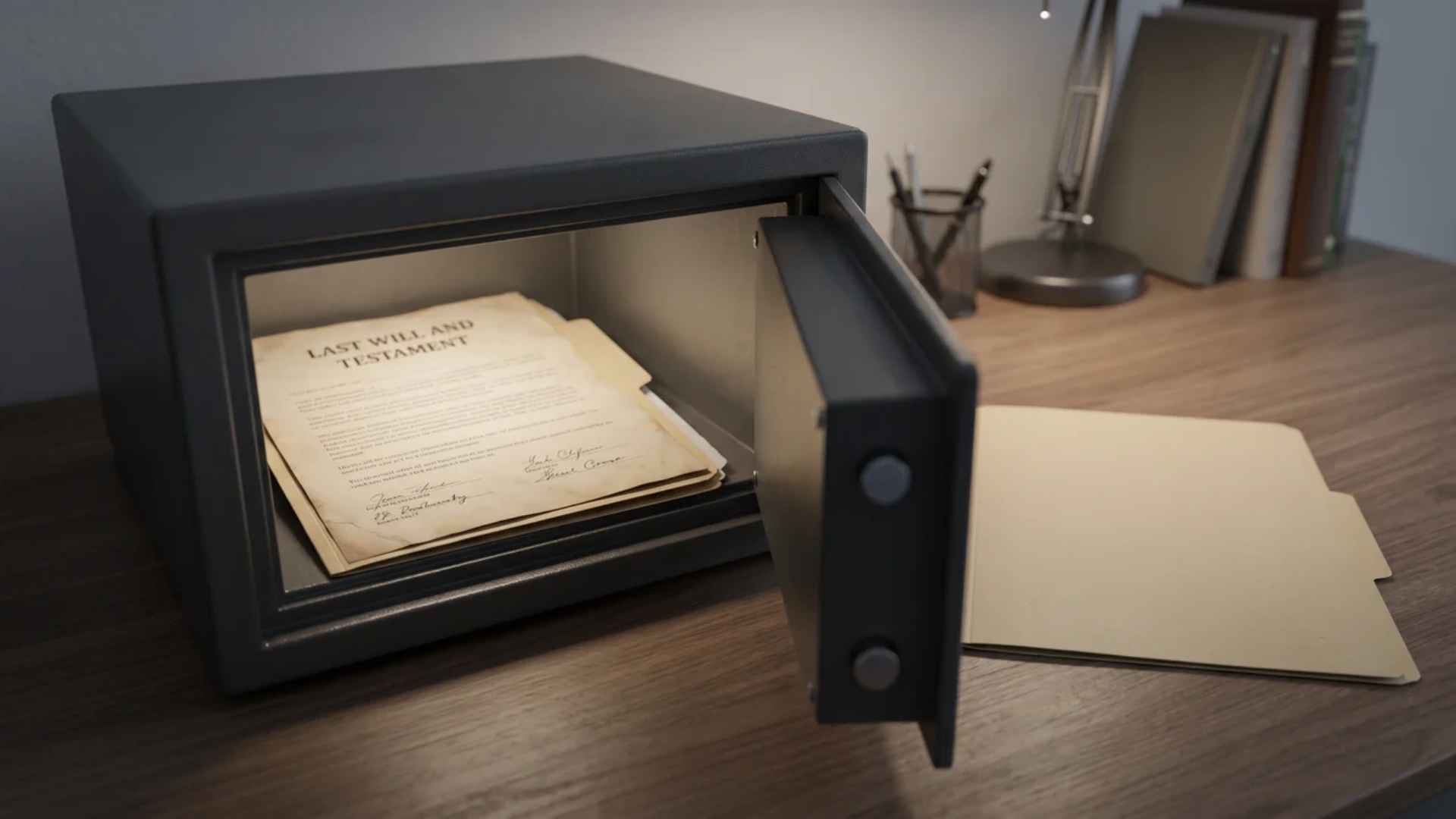
A will or trust is the only sure way for your partner to inherit. Intestacy law, which applies when you die without a will, skips unmarried partners.
Your assets go to blood relatives instead. That can mean parents, siblings or distant cousins, while a partner of twenty years gets nothing.
With a living trust, you retitle the home in the trust’s name and name your partner as beneficiary. When you die, a successor trustee you choose transfers it to your partner without probate court.
I’d never skip this one. A cohabitation agreement covers a breakup, but only a will or trust covers a death.
Changing the Title
Adding your partner to the deed is the simplest fix. It makes them an owner on paper, so ownership is no longer an open question.
It isn’t free of side effects. A lender may object, especially if your mortgage has a due-on-transfer clause.
Giving a partner a share of the home can require a federal gift tax return. Some states also reassess property taxes after a transfer.
Joint tenancy passes the home to the surviving owner automatically. Tenancy in common does not.
Talk to a real estate attorney or tax professional before you sign anything.
Why Do Unmarried Couples’ Property Rights Vary So Much by State?
Unmarried couples’ property rights are set by state law, so the same facts can produce different outcomes in different states. Each state makes its own rules on three things.
- Common-law marriage: Some states recognize it, and some don’t, which decides whether you’re treated as married.
- Agreements and implied contracts: States differ on whether and how they enforce cohabitation agreements and unspoken promises.
- Fairness claims: Courts treat claims like unjust enrichment differently, so the same contribution can earn money in one state and nothing in another.
- Title and survivorship: These rules are mostly consistent everywhere, so your form of ownership is the part you can rely on.
- Informal promises: This is where states split the most, and a partner with no paperwork is the most exposed.
- Moving or buying elsewhere: A new state, or property in a state where you don’t live, can change which rules apply.
Final Takeaway
Cohabitation property rights for unmarried couples come down to one hard truth: the law protects what you write down, not what you meant.
Many partners who lose a home aren’t unlucky. They simply never had the conversation while things were good. A shared life feels permanent, but the paperwork rarely says so.
The fix is usually one honest talk and a few signed pages. Start by checking whose name is on your deed, accounts, and car.
Then book a consultation with a local family or real estate attorney and get your plan in writing.
Frequently Asked Questions
What evidence do I need to prove we lived together?
Shared address records work best, such as a joint lease, utility bills, or bank statements. What counts as enough proof varies by state and by what you’re trying to prove.
Is it legal for unmarried couples to live together?
Yes, living together unmarried is legal across the U.S. A few states still have old cohabitation laws that are rarely enforced, and your lease may limit who can live there.
Can we use a cohabitation agreement template?
A template works as a starting checklist, but not as a finished agreement. Signing and enforcement rules vary by state, so have a lawyer review it before you sign.
Can unmarried couples file taxes together?
No. Only married couples can file a joint federal return, so each partner files separately. Tax rules change and depend on your situation, so confirm details with a tax professional.