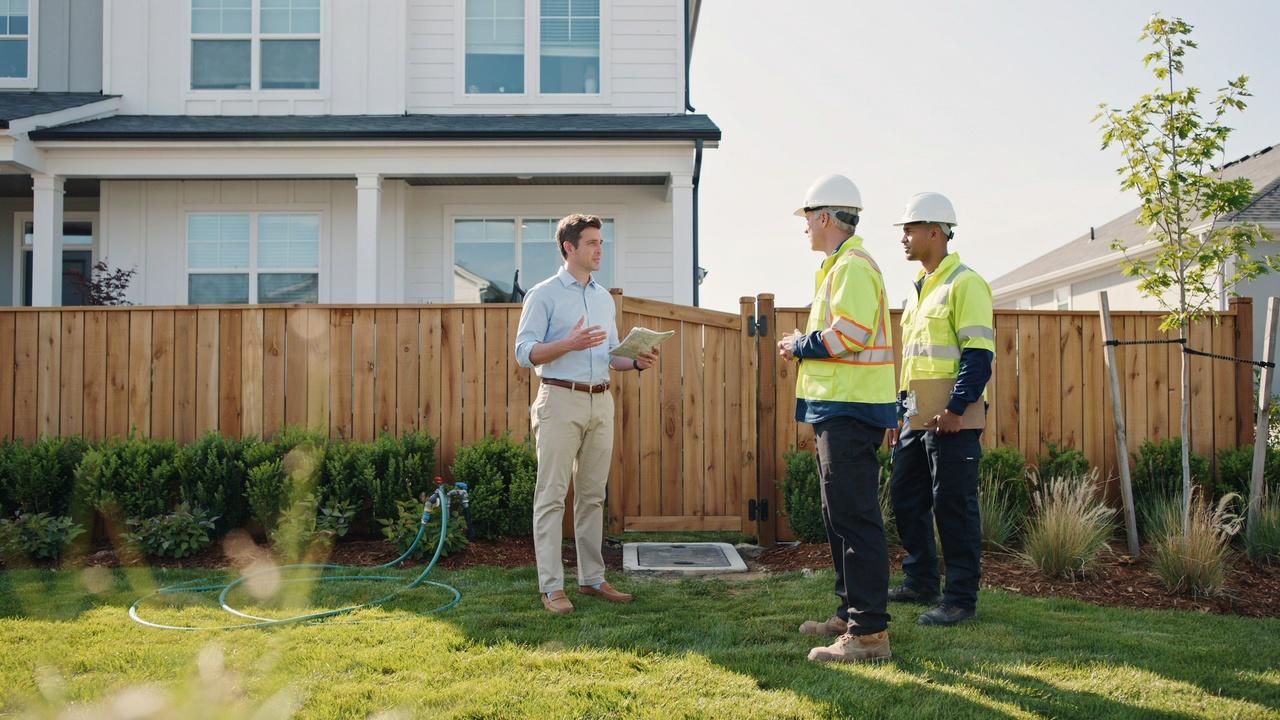
If a neighbor's fence, driveway, or shed sits partly on your land, you may be dealing with encroachment in real estate, when a structure or improvement from one property crosses onto a neighboring property without permission.
This is a common issue that can lead to confusion, tension, and even legal disputes between property owners.
This guide explains what encroachment means, why it happens, how it differs from an easement, and the practical steps to identify and resolve it before it grows worse.
What Does Encroachment in Real Estate Mean?

Most encroachment cases don't start with bad intentions. They usually happen because of outdated records, unclear boundaries, or simple oversight during construction.
Common causes include:
- Old or missing property surveys
- Fences built based on guesswork instead of actual boundary markers
- Construction done without checking updated property lines
- Natural changes like tree growth or shifting soil
- Miscommunication between neighbors about where the line actually sits
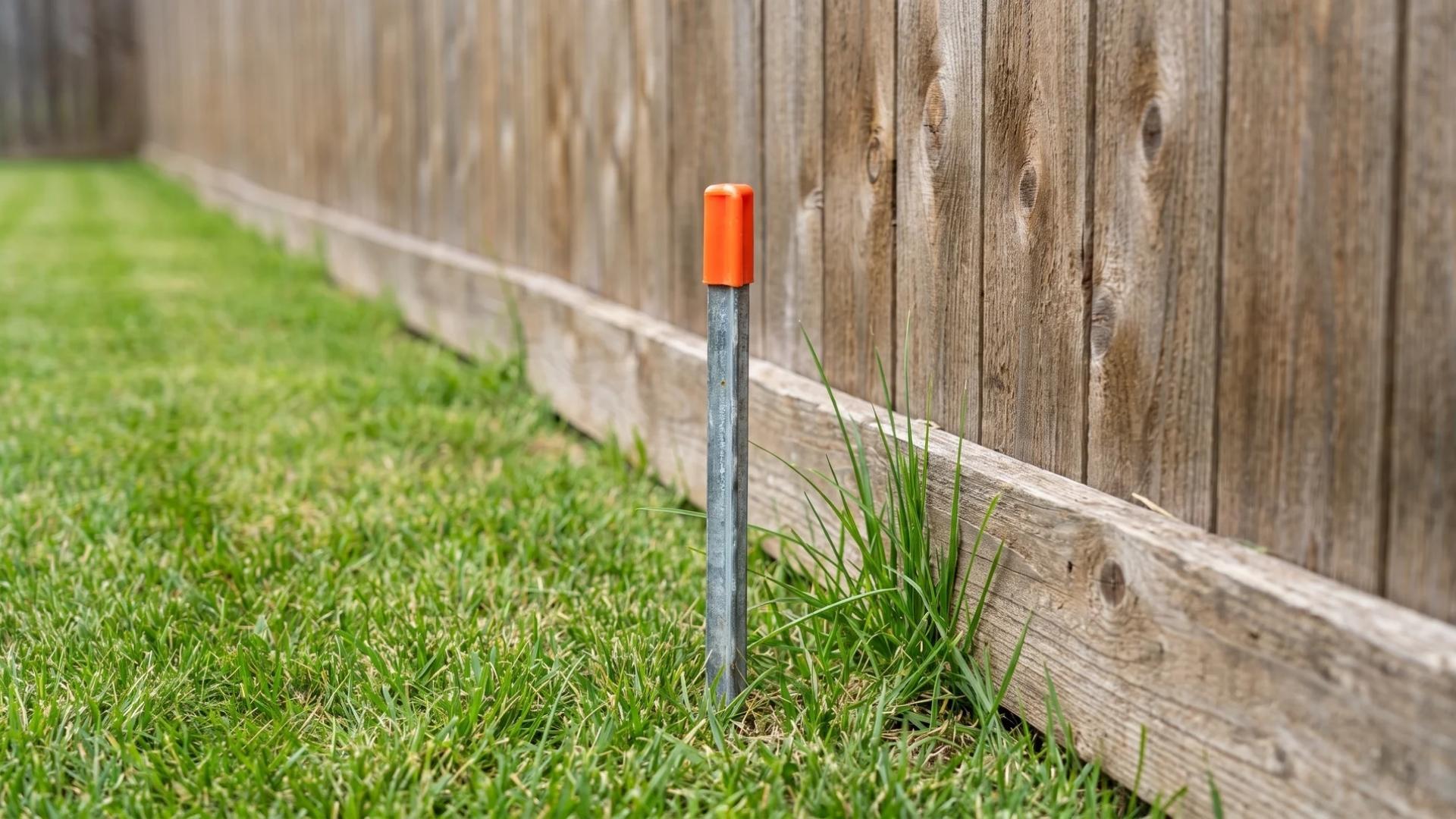
In older neighborhoods, property lines were sometimes marked with wooden stakes or informal agreements that were never recorded. Over the years, this creates confusion for new owners who assume the fence or hedge marks the real boundary.
Common Types of Encroachment
Encroachment can show up in many forms, some obvious and some easy to miss. Some are minor and simple to fix, while others are structural, meaning they're built to last and harder to resolve.
Fences and Walls
A fence built a few feet past the actual property line is one of the most frequent examples, often the result of relying on an old or incorrect boundary marker.
In one common scenario, a homeowner assumes a neighbor's new fence is on the wrong side of the line, only for a survey to reveal it's actually their own driveway that crosses the boundary.
Driveways and Sheds
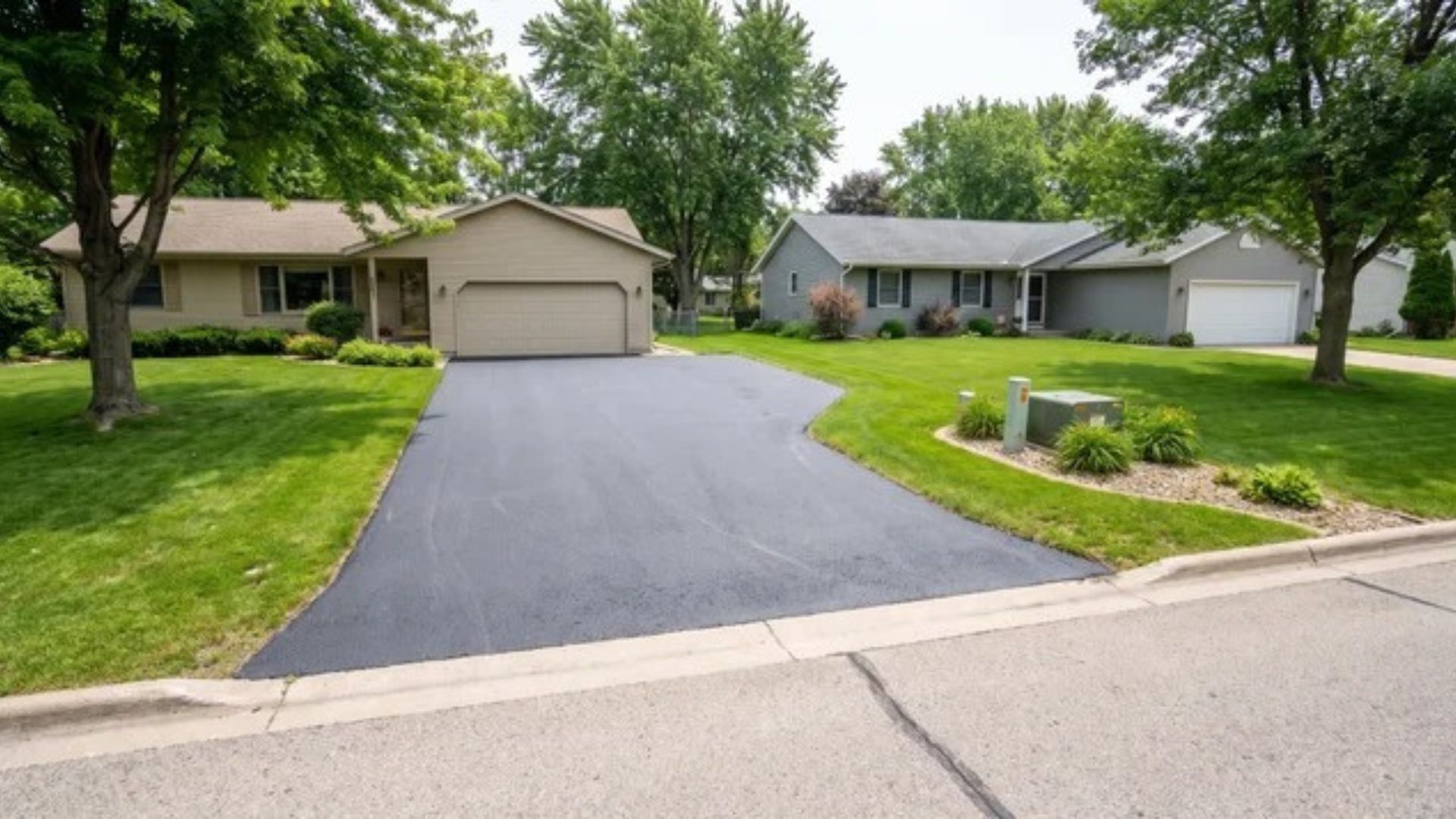
Paved driveways, storage sheds, or parking pads that extend past a lot line can quietly become long-term encroachment issues.
Owners often notice these only when they order a new survey or list the home for sale, since daily use rarely reveals a few feet of overlap.
Overhanging Trees and Roots
Tree branches or roots that spread onto a neighbor's yard count as encroachment, especially when they cause damage to a fence, roof, or foundation.
Many local governments allow the affected neighbor to trim growth back to the property line, though cutting into a healthy trunk usually requires the tree owner's consent.
Additions and Extensions
Home additions, decks, or patios built without a proper survey sometimes cross the boundary line, especially on older properties with unclear records.
Once a structure like this is built, moving it can mean costly demolition, which is why a pre-construction survey pays for itself.
What Causes Encroachment in Real Estate?
Most encroachment cases don't start with bad intentions. They usually happen because of outdated records, unclear boundaries, or simple oversight during construction.
Common causes include:
- Old or missing property surveys
- Fences built based on guesswork instead of actual boundary markers
- Construction done without checking updated property lines
- Natural changes like tree growth or shifting soil
- Miscommunication between neighbors about where the line actually sits
In older neighborhoods, property lines were sometimes marked with wooden stakes or informal agreements that were never recorded. Over the years, this creates confusion for new owners who assume the fence or hedge marks the real boundary.
Why Encroachment Can Become a Serious Problem
A small encroachment might seem harmless at first, but ignoring it can create bigger issues later.
Over time, an unresolved encroachment can affect a property's value and make it harder to sell. Some encroachments also lead to a legal concept called adverse possession, where the person using the land can eventually gain legal rights to it if the true owner never objects.
In other cases, a neighbor may only gain a prescriptive easement instead, which is a limited right to keep using that part of the land rather than full ownership of it.
Adverse possession rules, including how many years of use are required, vary from state to state, so it's worth checking your local law.
Encroachment disputes can also strain relationships between neighbors, leading to arguments, legal notices, or court cases. Left unaddressed, what started as a two foot fence overlap can turn into a costly legal battle involving surveys, attorneys, and even property line litigation.
Encroachment vs. Easement: What's the Difference?
People often confuse encroachment with an easement, but they are very different legal situations.
| Feature | Encroachment | Easement |
| Permission | No permission given | Legally granted permission |
| Legal Status | Unauthorized use of land | Documented legal right |
| Common Example | Fence built over the line | Utility company access to run power lines |
| Resolution | Must be removed or resolved | Stays in place as agreed |
| Recorded in Deed | Usually not recorded | Often recorded with the property |
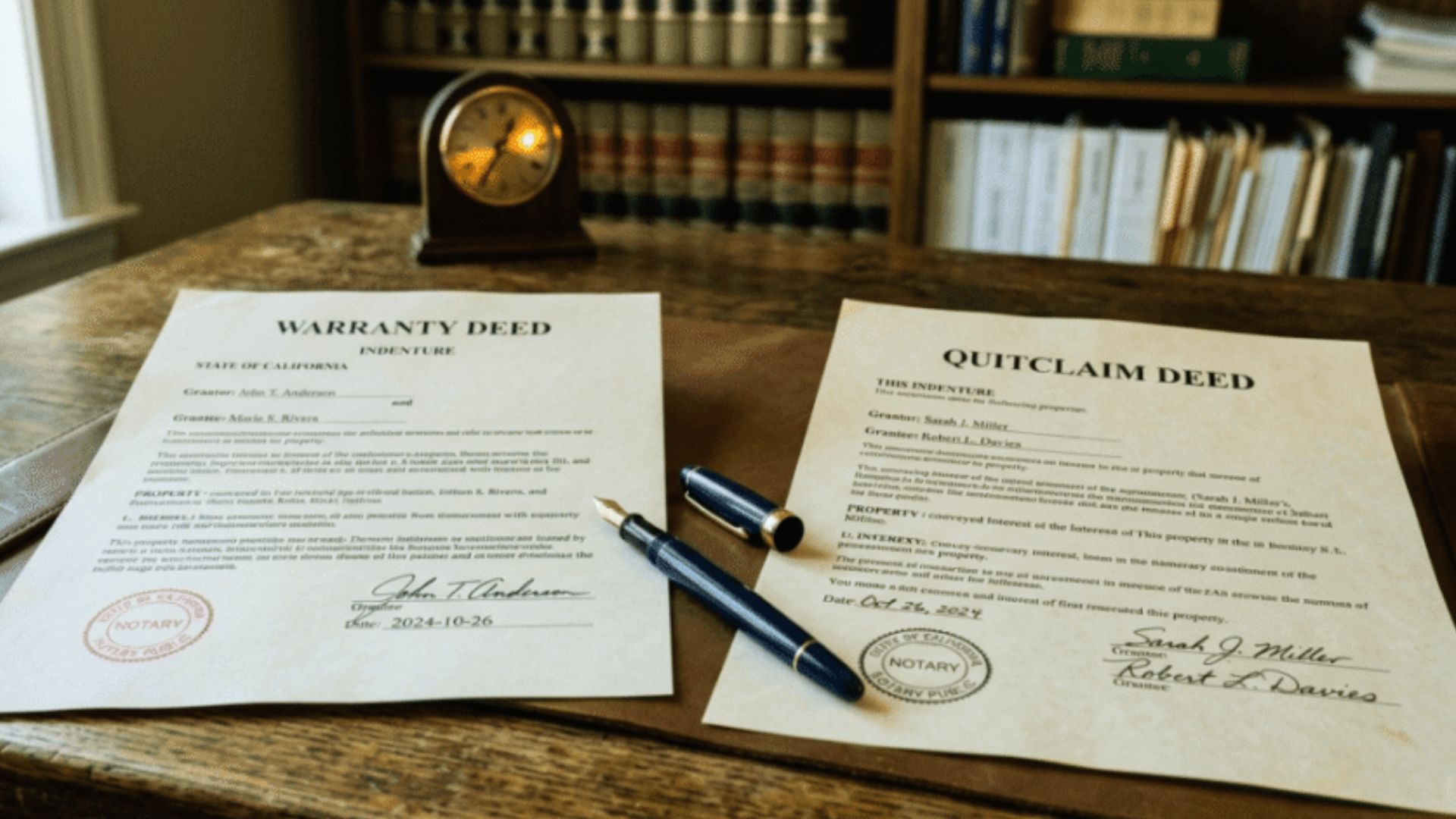
In short, an easement is a planned, legal arrangement, usually backed by a written easement deed. Encroachment is an unplanned overlap that needs to be fixed.
How To Identify an Encroachment

Spotting encroachment early can save time, money, and stress.
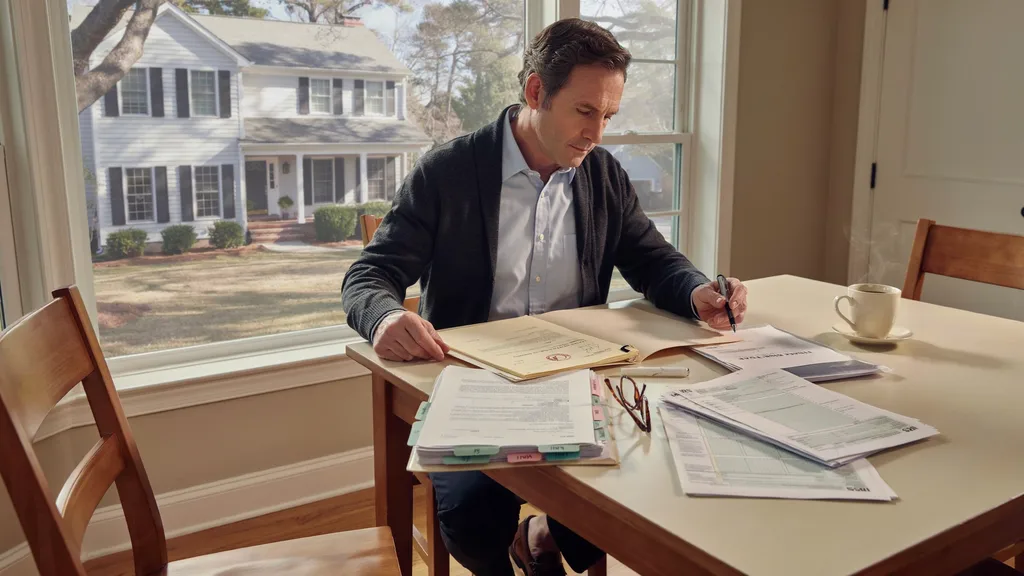
Start by reviewing your property survey and deed to confirm the exact boundary lines. If you don't have a recent survey, hiring a licensed surveyor is the most reliable way to get accurate measurements.
Walk your property line and compare it to fences, structures, and landscaping. Look for anything that seems to cross onto your land or extend past it onto a neighbor's property. If something looks off, mark the area and take photos for your records before raising the problem.
What To Do If You Find an Encroachment
If you find an encroachment, staying calm and organized makes the process easier.
First, gather documentation. This includes your property survey, deed, and any photos of the area in question. Next, talk to your neighbor directly and explain what you found.
Many encroachment situations get resolved through a simple, friendly conversation once both sides understand the actual boundary line. If you live in a planned community, it also helps to check with your HOA, since some encroachments involving shared fences or common areas fall under its rules.
If the conversation doesn't lead anywhere, consider sending a written notice describing the problem and requesting a resolution.
In cases where the neighbor refuses to cooperate, a real estate attorney can help you understand your legal options, which may include mediation or a formal lawsuit.
A lawsuit might involve a quiet title action to confirm who owns the land, or an ejectment action to have the encroachment removed.
Buying or Selling a Property With an Encroachment

Encroachment issues can complicate a real estate transaction if they aren't addressed early.
For sellers, disclosing a known encroachment is usually required by law. Hiding the problem can lead to legal trouble down the road, even after the sale closes. It's often better to settle the issue or get a written agreement in place before listing the property.
For buyers, a title search and a fresh survey are important steps before closing. These documents can reveal existing encroachments that might not be obvious during a normal walkthrough.
If an encroachment is found, buyers can negotiate repairs, price adjustments, or ask the seller to resolve the issue before the sale finalizes.
How To Prevent Future Encroachment Issues
Preventing encroachment starts with clear records and open communication.
Here are a few steps that help avoid future disputes:
- Get a professional survey before building any fence, shed, or addition
- Check local zoning laws and building codes before starting construction near the line
- Keep copies of your deed and survey in an easy to find location
- Talk to neighbors before starting any construction near the property line
- Mark boundary lines clearly with visible markers or stakes
- Review your property lines again if you make major landscaping changes
Taking these steps early is far easier than dealing with a legal dispute later.
Common Mistakes Property Owners Make
Many encroachment problems start with small, avoidable mistakes.
- Assuming an old fence marks the actual property line without confirming it
- Skipping a survey before building a new structure
- Ignoring small encroachments, hoping they'll resolve on their own
- Failing to put verbal agreements with neighbors in writing
- Waiting too long to address the problem, allowing it to grow more complicated
Avoiding these mistakes can save property owners significant time, money, and stress.
When Should You Contact a Real Estate Attorney?
Not every encroachment needs legal help, but some situations call for professional guidance.
If a neighbor refuses to acknowledge the issue, if the encroachment affects a large part of your land, or if adverse possession becomes a real concern, it's time to speak with a real estate attorney.
Legal timelines and attorney costs can vary quite a bit depending on your state and how complicated the case is, so ask for an estimate upfront.
An attorney can review your survey, explain your legal rights, and help you pursue mediation or, if needed, a lawsuit to protect your property.
Conclusion
Understanding encroachment in real estate helps property owners protect their land and avoid unnecessary conflict. Whether it's a fence, driveway, or overhanging tree, catching the problem early and addressing it directly usually leads to the best outcome.
Review your survey, talk to your neighbor, and don't wait too long to act.
If this guide helped clear things up, feel free to share it with a friend who might be dealing with a similar situation, or leave a comment with your own experience below.
Frequently Asked Questions
Can encroachment affect my home insurance?
Yes. Some insurers may require proof the problem is resolved before renewing or approving coverage, especially if the encroachment involves a major structure.
Does encroachment automatically mean I lose my land?
No. You only risk losing land through adverse possession, and only if you ignore the issue for the legal time period required in your state.
Can I remove a neighbor's fence if it encroaches on my property?
Not without notice. Removing property without informing your neighbor first can create legal problems, even if the fence is on your land.
How much does a property survey usually cost?
Costs vary by location and lot size, but many surveys range between a few hundred and over a thousand dollars.
Is verbal permission enough to avoid an encroachment claim?
No. Verbal agreements are hard to enforce later. A written agreement or recorded easement offers much stronger legal protection.