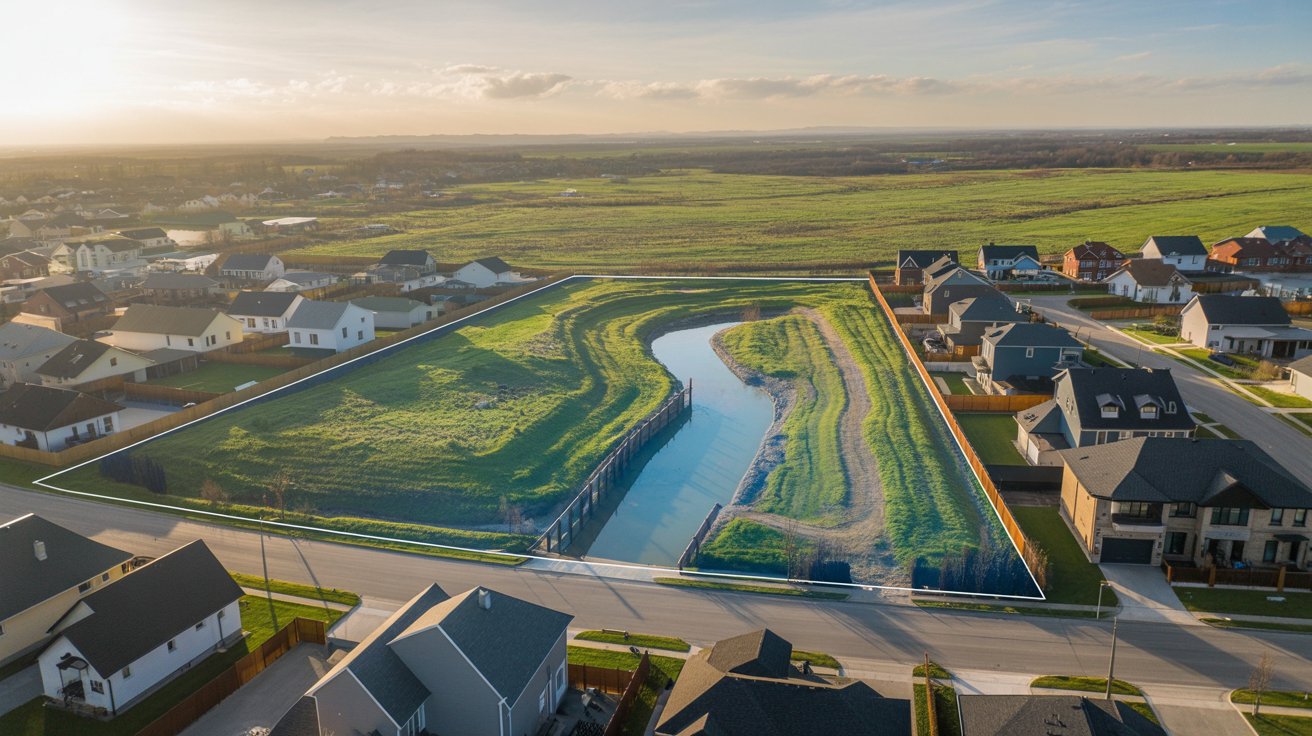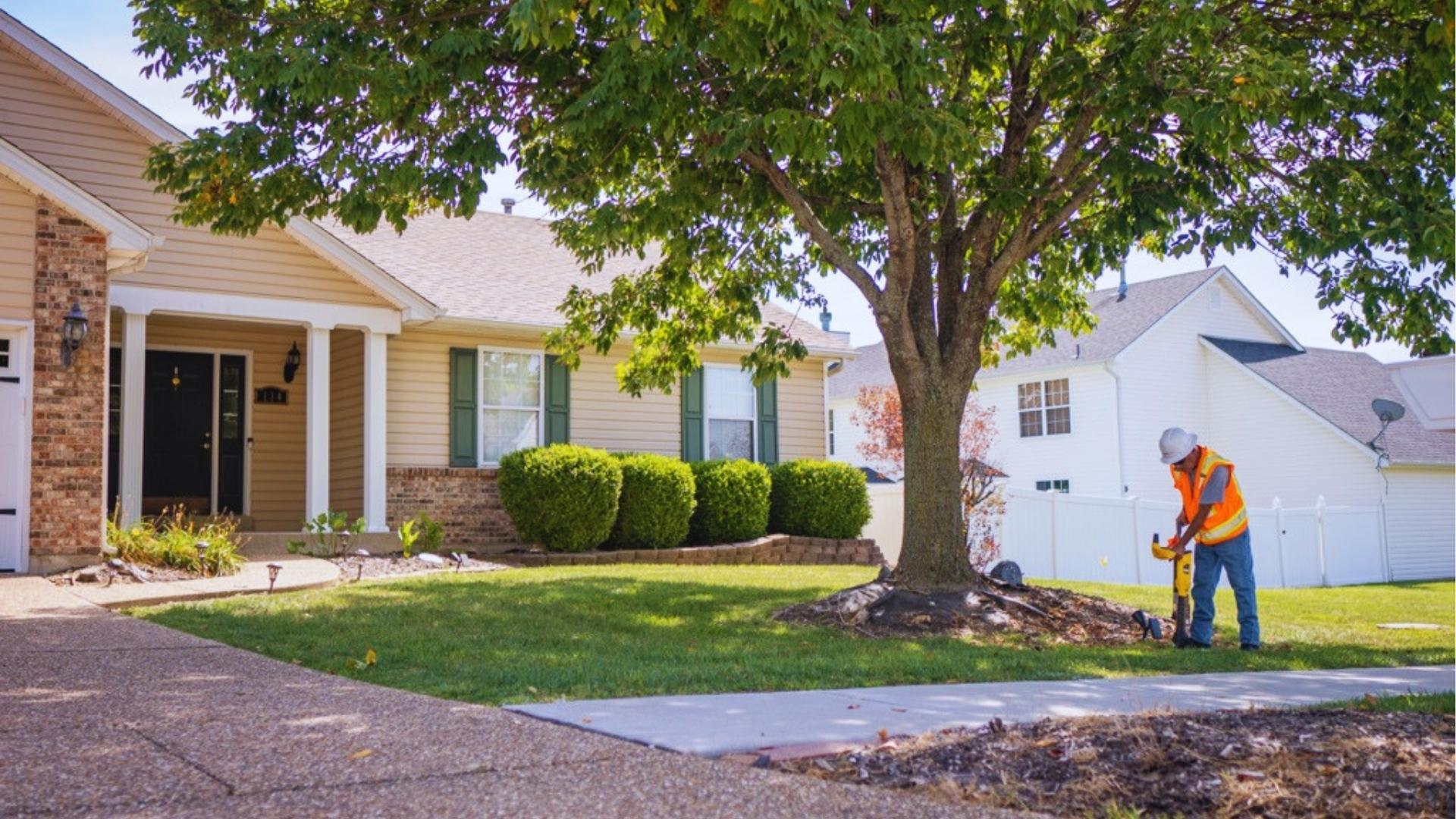
If you've ever bought a home or looked at property documents, you may have seen the term utility easement and had no idea what it meant.
I've been there too. Legal terms have a way of making simple things feel complicated.
In this article, I'll break down exactly what a utility easement is, how it works, and what it means for you as a property owner.
We'll cover the types of easements, your rights, and practical tips you can actually use. With years of helping people understand property rights, I know how much clarity matters.
You deserve straight answers, and that's exactly what you'll find here.
Understanding Utility Easements in Simple Terms

A utility easement is a legal right that allows a utility company or government body to use a portion of your private land.
You still own the land, but someone else has the right to use part of it for a specific purpose.
Think of it this way: you own the land, but the utility company has a key to a specific section of it. Communities need power, water, and gas to function, and these services often run through private land.
Utility easements make that possible. They create a balance between private ownership and public need. Without them, basic services would be much harder to deliver to homes and businesses across any community.
What Are Utility Easements Used For?

Utility easements serve a range of everyday services that most people rely on without realizing it.
Common Types of Utilities
Utility easements are used for many services, including
- Water and sewer pipelines
- Natural gas lines
- Electricity and power lines
- Internet, cable, and fiber optic cables
Real-Life Examples
Here are two simple examples
- Power lines: running across the back of a yard. The electric company has an easement to maintain those lines, even if it means entering your property.
- Underground pipelines: for water or drainage. You may not see them, but they run beneath the surface and are protected by easement rights.
Types of Utility Easements You Should Know

Not all utility easements work the same way. Knowing the difference helps you plan better.
Public Utility Easements
These easements are controlled by local governments or municipal bodies. They cover services like water mains, public sewer lines, and city-run power systems.
If your property sits near public infrastructure, there's a good chance one of these already exists on your land.
Private Utility Easements
These involve a legal agreement between a property owner and a private company, like an internet provider or gas supplier.
The terms are set through a contract signed by both sides. Unlike public easements, these can sometimes be renegotiated depending on the agreement.
Permanent vs. Temporary Easements
Permanent easements stay with the property forever and transfer to any new owner when the land is sold. Temporary easements are used for short-term needs, like a construction project.
Once the work is complete, the easement ends and full control returns to the property owner.
How Utility Easements Affect Property Owners

Utility easements can limit what you do on your land in ways that are worth knowing upfront.
Restrictions on Property Use
You cannot build permanent structures on the easement area. That means no fences, sheds, pools, or additions in that zone.
Violating this can lead to costly removal requirements that fall entirely on you as the property owner.
Access Rights for Utility Companies
Utility companies have the legal right to enter the easement area for maintenance or repairs without always asking first.
This can feel intrusive, but it is fully within their legal rights. Knowing this ahead of time helps you set realistic expectations about how your land may be accessed.
Impact on Property Value
An easement can affect what you can do with your land, which may lower its appeal to some buyers. Large easements can reduce usable space and impact resale value.
However, smaller easements in less visible areas of a property tend to have little effect on overall market price.
Can You Refuse or Get Paid for a Utility Easement?

Yes, you have rights as a landowner, and in some cases, you can be compensated.
Your Rights as a Landowner
You have the right to:
- Review easement terms before agreeing
- Negotiate the location or boundaries of an easement
- Seek legal advice before signing anything
Eminent Domain Explained
In some cases, the government can force an easement through eminent domain. This means they can legally require access to your land for public use, even if you disagree with the decision.
However, they must follow proper legal steps throughout the process. You have the right to receive fair compensation for the use of your land, and you can challenge the terms if you believe the offer is not reasonable.
Consulting a property attorney in these situations is always a smart move.
Compensation for Easements
When an easement is placed on your property, you may receive a one-time payment. The amount depends on
- The size of the easement
- How it affects your property value
- The location and type of utility
Always get an independent appraisal before accepting any offer.
General Tips for Dealing With Utility Easements
A few smart habits can save you a lot of stress when managing easements on your property.
- Always read the deed and title report before buying land. Look for existing easements and ask your attorney to explain anything unclear.
- Never assume a piece of your land is free to use. What looks like open space may already be restricted by an easement.
- Before building a structure or doing landscaping, check the easement boundaries first. Violations can lead to fines or forced removal.
- If a utility company approaches you about a new easement, do not sign anything right away. Talk to a property attorney first.
- A legal expert can review the terms and make sure you receive fair compensation before you agree to anything.
- Keep copies of all easement documents in a safe place. These records matter when you decide to sell the property later.
Conclusion
Understanding a utility easement can feel overwhelming at first, but it does not have to be.
I remember the first time I saw easement language in a property document and thought, "What does this even mean for me?" The answer was simpler than I expected.
Now you know what it is, how it works, and what you can do about it. If you found this helpful, drop a comment below or share it with someone buying property. Have questions? I'd love to help.
Frequently Asked Questions
Can a utility easement be removed from my property?
Yes, but it requires legal steps. Both parties must agree, and the easement must be formally released through a legal document filed with the local government.
Does a utility easement lower my property value?
It can, depending on its size and location. A large easement that limits usable land may reduce what buyers are willing to pay for the property.
Who is responsible for maintaining the easement area?
The utility company is responsible for maintaining the infrastructure within the easement. However, the landowner may still need to keep the area clear of obstructions.
Can I plant trees or shrubs in a utility easement zone?
Generally, no. Deep-rooted plants can damage underground utilities. Always check with the utility company before planting anything in or near an easement area.
Do I get notified before a utility company enters my property?
In most cases, yes. Utility companies are expected to give reasonable notice before entering, except in emergencies that require immediate access.