Property owners can protect their rights by understanding their legal protections, monitoring government actions, keeping important property records, and knowing where to seek help.
Property-rights organizations, private attorneys, state and local advocacy groups, and government hearing processes can all play a role when a property owner faces zoning restrictions, eminent domain, land-use disputes, or other government actions.
Protecting property rights involves more than proving ownership. Owners may have legal protections related to how they use, transfer, and defend their property, although those rights are subject to applicable laws and regulations.
This guide explains the key organizations, constitutional protections, government actions, and practical steps that can help property owners understand and protect their rights.
What Does Protecting Property Rights Mean?

Protecting property rights means safeguarding a person’s legal right to own, use, control, transfer, or exclude others from their property.
In the United States, these rights apply to homeowners, landowners, businesses, and other property owners. They are protected through federal and state laws, contracts, court decisions, and constitutional safeguards.
Property owners also have to follow valid zoning, safety, environmental, and land-use rules. The key issue is finding a fair balance between private ownership and legitimate public interests.
What Rights Do Property Owners Generally Have?

Property ownership generally includes several legal rights, although the exact scope depends on applicable laws, regulations, and ownership agreements.
- Right to possess: Owners generally have the right to occupy and possess their property.
- Right to use: Owners can use their property in ways permitted by zoning laws, permits, and other regulations.
- Right to transfer: Owners can generally sell, gift, lease, or otherwise transfer their property.
- Right to exclude: Owners can usually prevent others from entering or using their property without permission.
- Right to challenge certain government actions: Owners may challenge certain government actions that unlawfully interfere with their property rights.
- Right to compensation: An owner may be entitled to compensation when government action qualifies as a compensable taking under applicable law. Not every regulation that reduces property value creates a right to compensation.
Understanding these rights can help property owners recognize when a government agency, neighbor, or other party may be interfering with their lawful property interests.
How Does the U.S. Constitution Protect Property Rights?
The U.S. Constitution provides important protections for property owners. The Fifth and Fourteenth Amendments help limit improper government interference and provide legal protections when property rights are affected.
Fifth Amendment Property Rights
The Fifth Amendment protects private property through the Takings Clause, which generally requires the government to pay just compensation when it takes private property for public use. It also provides due process protections against certain government deprivations of property.
If the government takes private property for public use, it generally must provide just compensation. The amendment also requires fair legal procedures in certain government actions.
These protections can apply to situations involving eminent domain and other government decisions that seriously affect a person's property rights.
Fourteenth Amendment Property Rights
The Fourteenth Amendment's Due Process Clause generally requires state and local governments to use constitutionally adequate procedures before depriving someone of a protected property interest.
Depending on the circumstances, those procedures can include notice and an opportunity to be heard.
Property owners may have rights to notice, a hearing, or other forms of due process when government action affects their property. The exact protection depends on the facts and applicable law.
Who Can Help Protect Property Owners' Rights?

Several legal groups, research organizations, and state initiatives work to support private property rights in the United States. They may focus on government regulation, eminent domain, land use, or proposed laws that affect owners.
1.Pacific Legal Foundation
Pacific Legal Foundation is a nonprofit public-interest law firm that handles cases involving property rights and constitutional issues.
Its work has included disputes involving eminent domain, regulatory takings, and land-use restrictions.
Property owners can review its legal resources and case information to better understand how courts have addressed government actions affecting private property.
2.Property Rights Organizations
Unlike a private attorney, an advocacy organization does not automatically represent every property owner who contacts it.
Some organizations accept individual cases based on their mission, eligibility requirements, and available resources, while others primarily provide research, education, or policy advocacy.
Some focus on constitutional property rights, while others address eminent domain, land use, or government regulations.
Their role may differ from a private attorney because many organizations focus on broader legal or policy issues rather than representing every individual property owner.
3.State and Local Advocacy Groups
State and local property rights groups can help owners understand issues involving zoning, land use, eminent domain, and other state-specific requirements.
These organizations may advocate for changes in state laws, participate in public policy discussions, or provide information about local property rights.
Because laws and procedures vary by state, owners should look for resources familiar with the rules in their jurisdiction.
4.Property Rights Attorneys
A private property rights attorney can review the specific facts of an owner's situation and explain available legal options.
An attorney may help with negotiations, administrative proceedings, appeals, or litigation when appropriate.
Legal advice can be particularly important when a property owner receives a condemnation notice, faces a significant land-use restriction, or needs to meet a legal deadline.
5.Government Hearings and Agencies
Property owners may also be able to raise concerns directly through planning boards, zoning hearings, administrative reviews, or other government processes.
These procedures can give owners an opportunity to object to proposed actions, submit evidence, or request review before a dispute reaches court.
The available process and deadlines depend on the type of government action and applicable state or local rules.
How Can Property Owners Defend Their Rights?
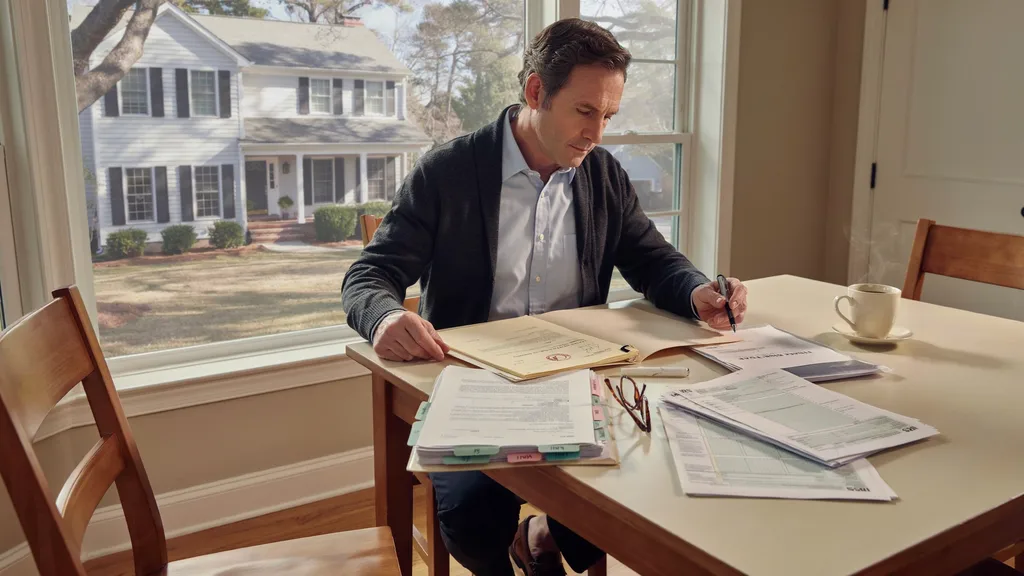
Taking practical steps can help property owners protect their ownership and respond to disputes. Good records, regular property checks, and timely action can make it easier to address problems.
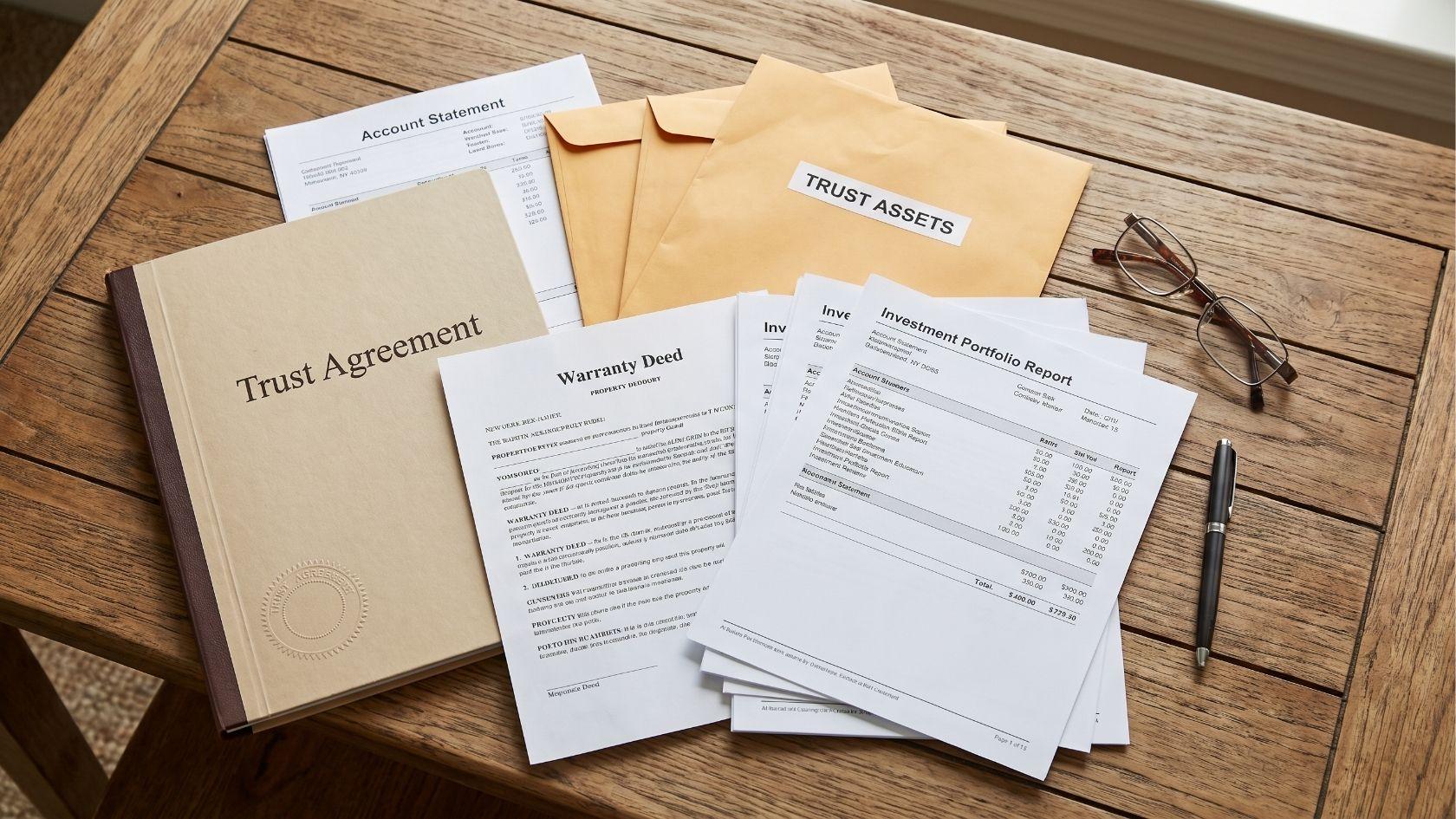
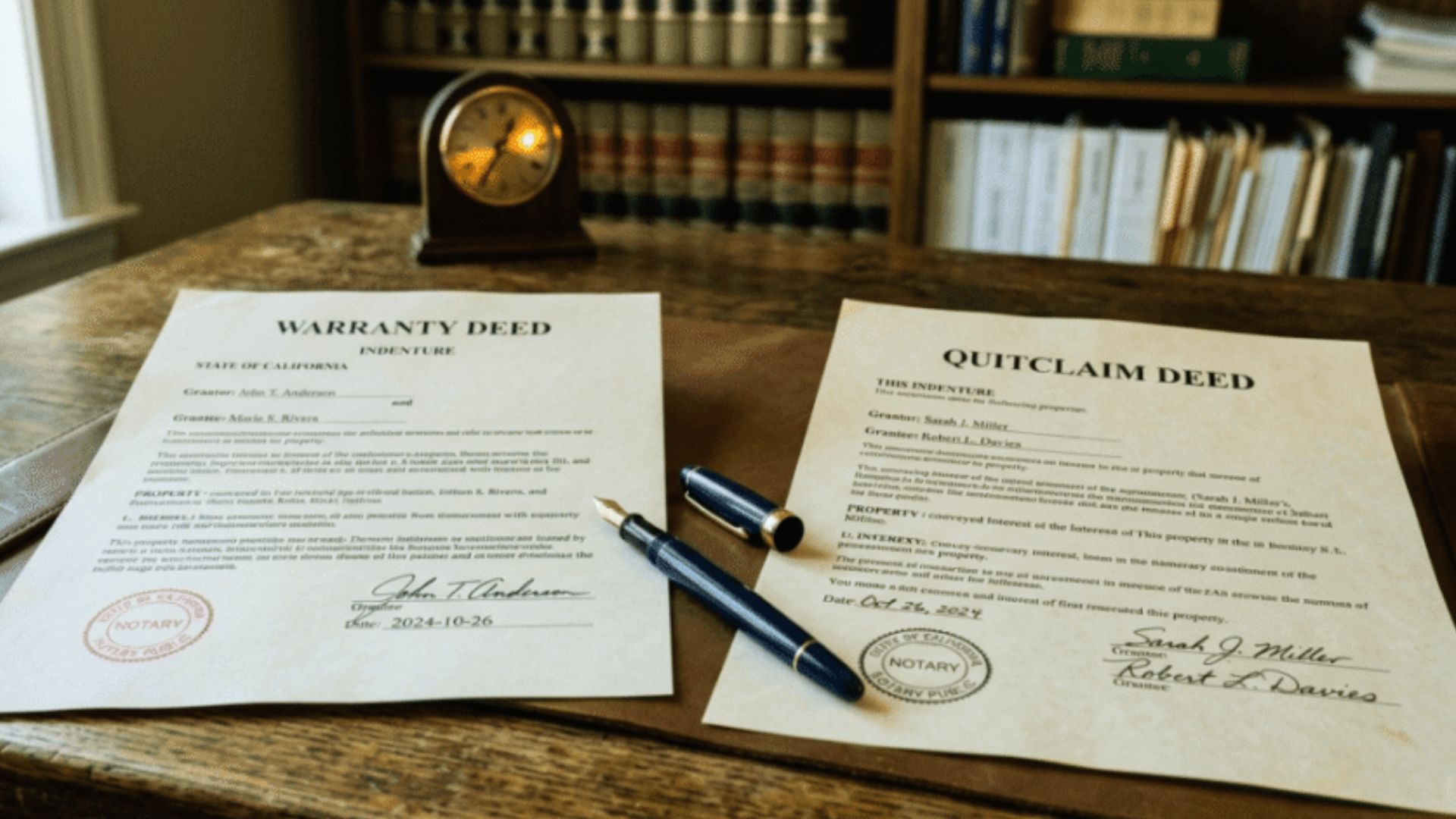
- Keep deeds and titles: Store current copies that show legal ownership.
- Maintain surveys: Keep property surveys to confirm boundaries and measurements.
- Save contracts: Keep purchase agreements, leases, and other important property documents.
- Monitor property lines: Watch for fences, structures, or other improvements crossing boundaries.
- Watch for trespass: Address unauthorized use of your land as soon as possible.
- Keep government correspondence: Save notices, decisions, permits, and other official documents affecting the property.
How Do Regulatory Actions Affect Property Rights?

Government rules can affect how owners use, develop, or manage their land. Zoning laws, permits, environmental rules, and eminent domain are common examples.
Most regulations are lawful, but some government actions can raise property rights concerns when they place major limits on ownership or reduce the practical value or use of property.
Knowing the difference can help owners understand when legal review may be appropriate.
Zoning and Land Use Restrictions
Zoning rules control how property can be used and developed. They may limit building types, property uses, lot sizes, or development activities. Owners may also need permits before making certain changes.
These rules are generally part of local land-use planning, but serious restrictions can create disputes when they greatly limit reasonable uses of private property. State and local laws determine the available options.
Regulatory Takings
A regulatory taking occurs when a government regulation restricts the use of private property so significantly that it may legally count as a taking under the Fifth Amendment.
Courts examine the specific circumstances, and not every regulation that lowers property value requires compensation.
Courts consider the specific facts, including the economic impact and how much the regulation interferes with reasonable property uses. Not every restriction is a taking.
Property owners should review the applicable law before assuming that a regulation creates a compensation claim.
Eminent Domain
Eminent domain is the government's legal power to acquire private property for a qualifying public use, subject to constitutional and statutory requirements.
The Fifth Amendment generally requires just compensation for property taken through eminent domain. This process differs from ordinary zoning because ownership itself may be transferred or taken.
Property owners who receive condemnation notices should review the notice, deadlines, valuation, and available legal options promptly.
Property Rights vs. Government Regulation: What Is the Difference?
Property owners have legal rights, but those rights exist alongside government rules. The table below shows how common regulations can affect ownership and property use.
| Issue | Property Owner's Interest | Government Action |
| Zoning | Ability to use and develop land | Limits permitted uses |
| Eminent domain | Keeping property or receiving compensation | Takes property for qualifying public use |
| Regulatory takings | Ability to make economically viable use of property | Imposes significant use restrictions |
| Environmental rules | Ability to develop or modify land | Regulates activities affecting resources or health |
| Building permits | Ability to construct or modify buildings | Reviews plans for legal and safety compliance |
The type of government action matters because the available legal protections and remedies can differ.
When Should a Property Owner Seek Legal Help?

A property owner should consider legal help when a government action could significantly affect ownership, property use, or compensation rights.
Common warning signs include receiving a condemnation notice, facing a major development restriction, being denied a potentially important permit, or receiving a government decision with a short appeal deadline.
Legal advice may also be appropriate when the owner must challenge an administrative decision, evaluate a possible regulatory taking, or determine whether compensation may be available.
Because procedures and deadlines vary by state and type of dispute, an attorney can help identify the applicable process.
Common Mistakes When Property Rights Are at Risk
Property owners can protect their position by avoiding simple mistakes that may limit their options. A few habits can make it easier to respond when property rights are affected.
- Ignoring government notices: Read every notice carefully, check important dates, and keep copies of letters, orders, and other communications.
- Assuming every regulation is a taking: Not every zoning, land-use, or environmental restriction creates a constitutional claim. The specific facts and applicable law matter.
- Missing an administrative deadline: Failing to file an appeal, objection, or response within the required period can limit available remedies.
Taking these steps can help property owners stay organized and respond more effectively when a dispute arises.
Conclusion
Protecting property rights starts with understanding the type of government action involved and the legal protections that may apply.
Zoning restrictions, eminent domain, regulatory takings, and property-related administrative decisions can involve different procedures and remedies.
Property owners can use public processes, advocacy resources, or private legal counsel depending on the issue.
Because property laws and deadlines vary by jurisdiction, owners facing a significant dispute should review the applicable state and local rules before deciding how to proceed.
Frequently Asked Questions
Can a property rights organization represent me in court?
Some organizations may litigate property-rights cases, but eligibility and representation depend on the organization, the legal issue, and the facts of the case. Private attorneys may be another option.
Are property rights the same in every state?
No. Federal protections apply nationwide, but state laws can differ on ownership, land use, inheritance, taxation, and legal remedies.
Can property owners challenge a property tax assessment?
Property owners may be able to appeal a property tax assessment through a state or local administrative process. Deadlines, filing requirements, and review procedures vary by jurisdiction.
Can a property owner represent themselves in a property dispute?
Self-representation may be allowed, but property disputes can involve complex procedures, evidence rules, and deadlines that may benefit from legal guidance.
Does property insurance protect legal ownership rights?
Property insurance generally covers certain financial losses rather than establishing ownership rights. Title insurance may protect against specific covered title-related problems.