In most cases, a trust overrides a will for assets held inside it. If an asset is titled in the name of the trust, the trust document controls what happens to it, not the will.
This article explains exactly how trusts and wills work together, when a trust takes priority, and what happens when the two documents don't match.
By the end, you'll know how to protect your estate and avoid legal trouble for your loved ones.
Knowing which document controls which asset is what separates a plan that works from one that leaves your family in a legal dispute.
Understanding whether a trust overrides a will is the first step to getting that plan right.
Understanding Trusts and Wills

A trust controls what's inside it, and a will covers everything else. Together, they form the foundation of a solid estate plan.
A trust is a legal arrangement where the grantor transfers assets to a trustee, who manages them for a named beneficiary.
The grantor can also serve as their own trustee while alive, and the trust can take effect during their lifetime, not just after death.
A will, by contrast, directs how your remaining assets are distributed after you die. It also names guardians for minor children and must pass through probate, a court-supervised process that takes time and becomes public record.
Most estate plans use both: the trust handles assets transferred into it, while a pour-over will catches anything left outside it, sending those forgotten assets into the trust after probate is complete.
When a Trust Takes Priority Over a Will

A trust takes priority when the asset is owned by the trust. For example, if your home is titled in the name of your living trust, the trust terms decide who gets it, the will has no say over that property.
The same applies to bank accounts, investment accounts, or any other asset formally transferred into the trust. This holds true regardless of what the will says, even if the will was written after the trust.
A will still applies to assets that were never placed in the trust. If you own a car or a savings account in your own name, not the trust's name, those assets go through your will and the probate process. A will also handles personal matters a trust cannot, like naming a guardian for your children.
The law treats trust assets as separate from your personal estate, once you transfer an asset into a trust, it no longer belongs to you personally, and your will can only control what you personally own at death.
This is why the two documents can coexist without canceling each other out, as long as they're set up correctly.
What Happens When a Trust and Will Conflict?

Conflicts between these documents can create legal delays and added costs for your family, but courts resolve them the same way every time: by checking how the asset is titled, not by comparing dates or intentions.
The role of probate:Probate is the legal process of validating a will and distributing assets under court supervision. Trust assets skip probate entirely, which saves time and keeps things private. Assets that go through probate become part of the public record — one reason many people prefer to fully fund their trusts.
Real-world examples:Suppose you write a will leaving your house to your sister, but earlier you placed that house in a trust for your children. The trust wins, because the house is a trust asset. Or: you create a trust but never transfer your bank account into it, and you also forget to update your will. In that case, your will controls the bank account, and it must go through probate. Keep in mind that assets held in joint tenancy pass directly to the surviving owner, bypassing both the trust and the will entirely.
Trust vs. Will Key Differences
Knowing the differences between these two documents helps you make better decisions about your estate plan.
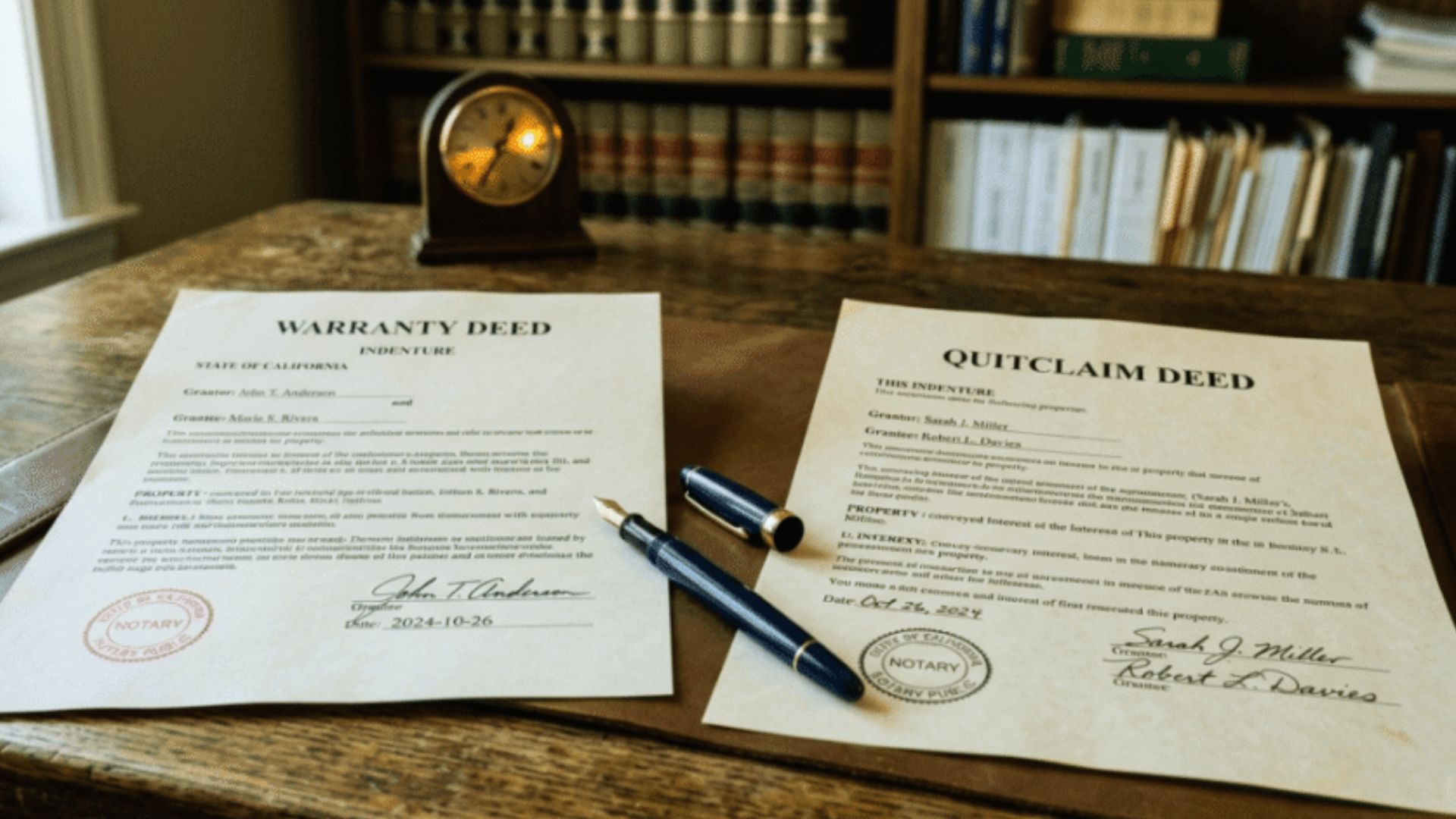
| Feature | Trust | Will |
| When it takes effect | During life or at death | Only at death |
| Goes through probate | No | Yes |
| Public record | No | Yes |
| Controls a minor's assets | Yes, with a trustee | Limited |
| Can name a guardian | No | Yes |
| Can be changed | Yes (if revocable) | Yes |
Trusts also give you more control over how and when assets are distributed, you can set conditions, like requiring a beneficiary to reach a certain age before receiving funds.
A will distributes assets in a lump sum after probate, while a trust can stagger distributions over time, set conditions, or protect assets from creditors or divorce settlements.
This makes trusts more flexible for complex family situations; a testamentary trust written inside a will can also stagger distributions, but it still must pass through probate before it takes effect, unlike a revocable living trust.
A revocable trust can be changed or canceled at any time. An irrevocable trust cannot be easily changed once created, but it offers stronger asset protection and potential tax benefits.
Most grantors start with a revocable living trust for flexibility, it also lets a named successor trustee step in and manage assets immediately if the grantor becomes incapacitated, without needing court approval.
Common Mistakes That Affect Your Estate Plan
Even a well-written estate plan can fall apart because of simple errors:
- Not funding the trust. Creating a trust but never putting assets into it is one of the biggest mistakes grantors make. You must retitle your assets in the trust's name for the trust to control them — an empty trust has no authority over your property.
- Updating only the will or only the trust. If you update your will to leave everything to your new spouse but forget to update your trust, your old beneficiaries could still inherit trust assets. Always review both documents together.
- Conflicting beneficiary designations. Life insurance policies, retirement accounts, and payable-on-death bank accounts pass by beneficiary designation, not by your will or trust. Designations override both documents, so if they conflict with your estate plan, the designation wins.
- Assuming a will controls every asset. It doesn't. Trust assets, accounts with named beneficiaries, and jointly held property all pass outside the will.
- Not having a durable power of attorney. This document lets a trusted person manage your non-trust assets if you become incapacitated, working alongside your trust, not instead of it. Without one, a court may need to step in.
Tips to Keep Your Trust and Will Consistent
- Review both documents every three to five years. Life changes quickly — make sure the terms still reflect your wishes and all assets are accounted for.
- Transfer assets into the trust properly. Check whether new property or accounts should be titled in the trust's name, and make it official with your bank or attorney.
- Name a reliable successor trustee. Always have someone ready to step in — don't leave this blank.
- Update your plan after major life events. Marriage, divorce, a new child, or a death in the family are all reasons to revisit your estate plan right away.
- Consult an estate planning attorney. Laws vary by state, and a qualified attorney keeps your documents correct, conflict-free, and current.
Conclusion
In most cases, a trust controls the assets held inside it, while a will handles everything else, the deciding factor is always how each asset is titled.
A mismatched beneficiary designation or an unfunded trust can unravel an otherwise careful plan, so review both documents together, since changes to one often affect the other.
Check that your assets are properly titled, your trust is fully funded, and your designations match your estate plan. If anything looks out of date, that's the right place to start.
Frequently Asked Questions
Can a handwritten will override a trust?
A handwritten will can be valid in some states, but it still cannot override assets already held in a properly funded trust.
Who controls the trust if the trustee dies?
A successor trustee, named in the trust document, takes over management of the trust assets automatically upon the original trustee's death.
Does a living trust replace the need for a will entirely?
No. A pour-over will is still needed to cover any assets accidentally left out of the trust at death.
Can a beneficiary contest a trust the same way they contest a will?
Yes, but it is generally harder to contest a trust than a will. Trusts face less court oversight than wills during probate.
What happens to trust assets if the trust is never formally closed?
The trust continues to exist and the trustee remains responsible for managing and distributing assets according to its terms.
Can a will override a trust after death?
No. Once assets are held inside a properly funded trust, a will has no authority over them even if the will was written after the trust was created.