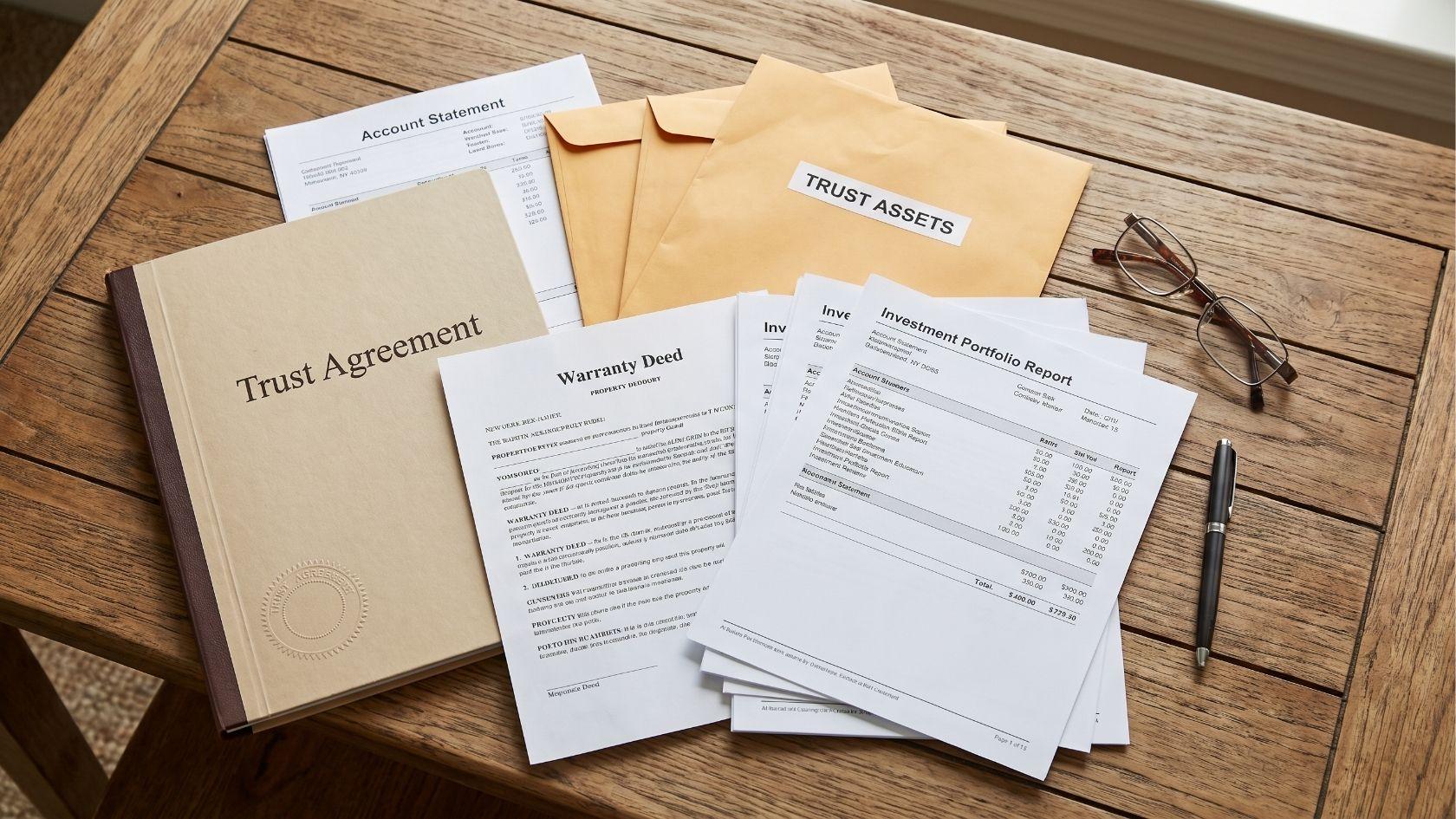
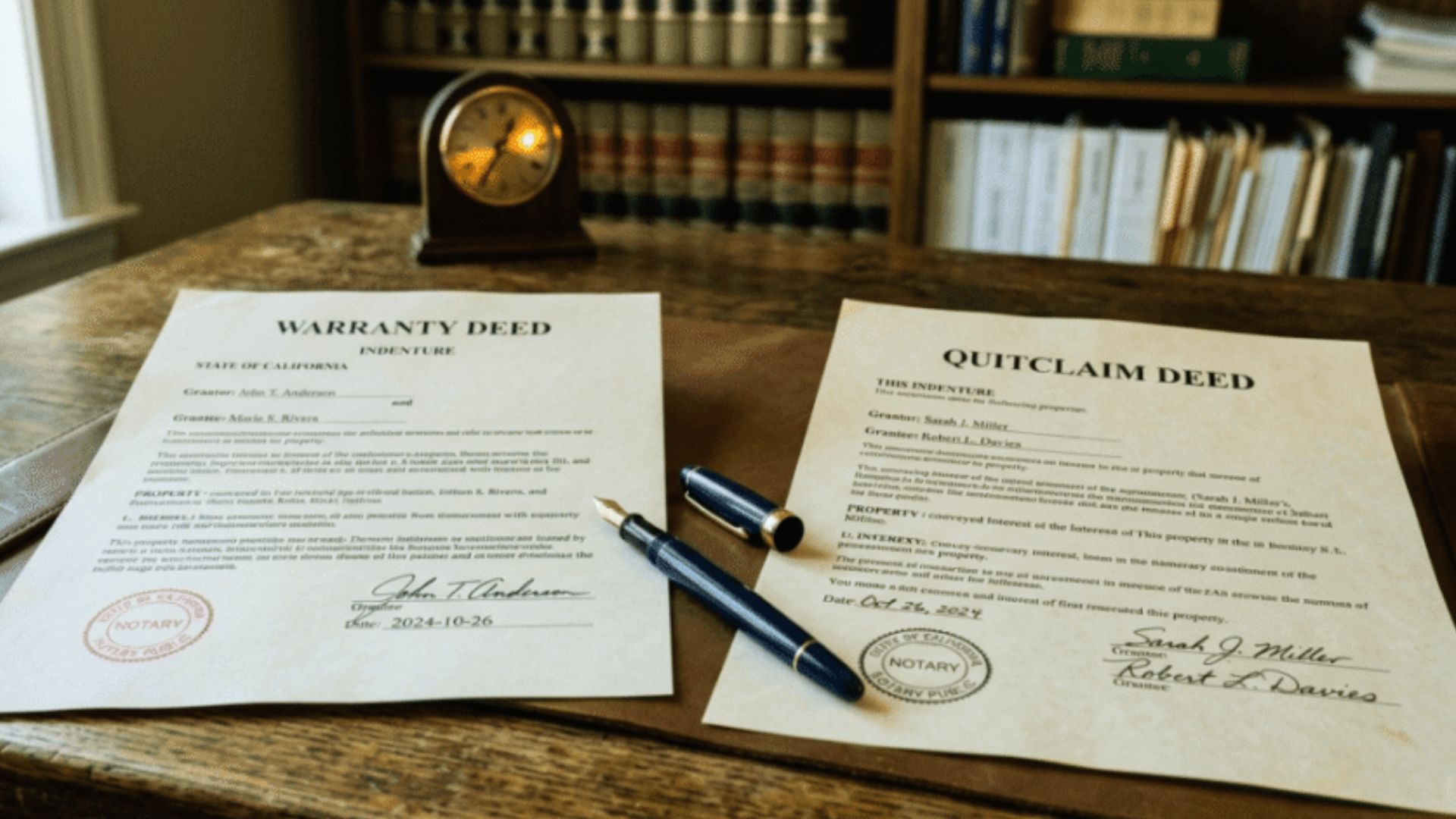
Many people set up a trust but are unsure who actually owns the property inside it. Does the trustee own it? Do the beneficiaries? This confusion can lead to costly mistakes.
This article breaks down the legal role of a trustee, explains the difference between legal and beneficial ownership, and helps you understand who controls what in a trust.
By the end, you will have a clear picture of how trust property works and how to avoid common errors.
We have helped many clients work through these questions, and the answers are simpler than most people think.
Whether you are creating a trust or managing one, knowing these basics protects everyone involved and helps the trust run the way it was intended.
Understanding Trust Property
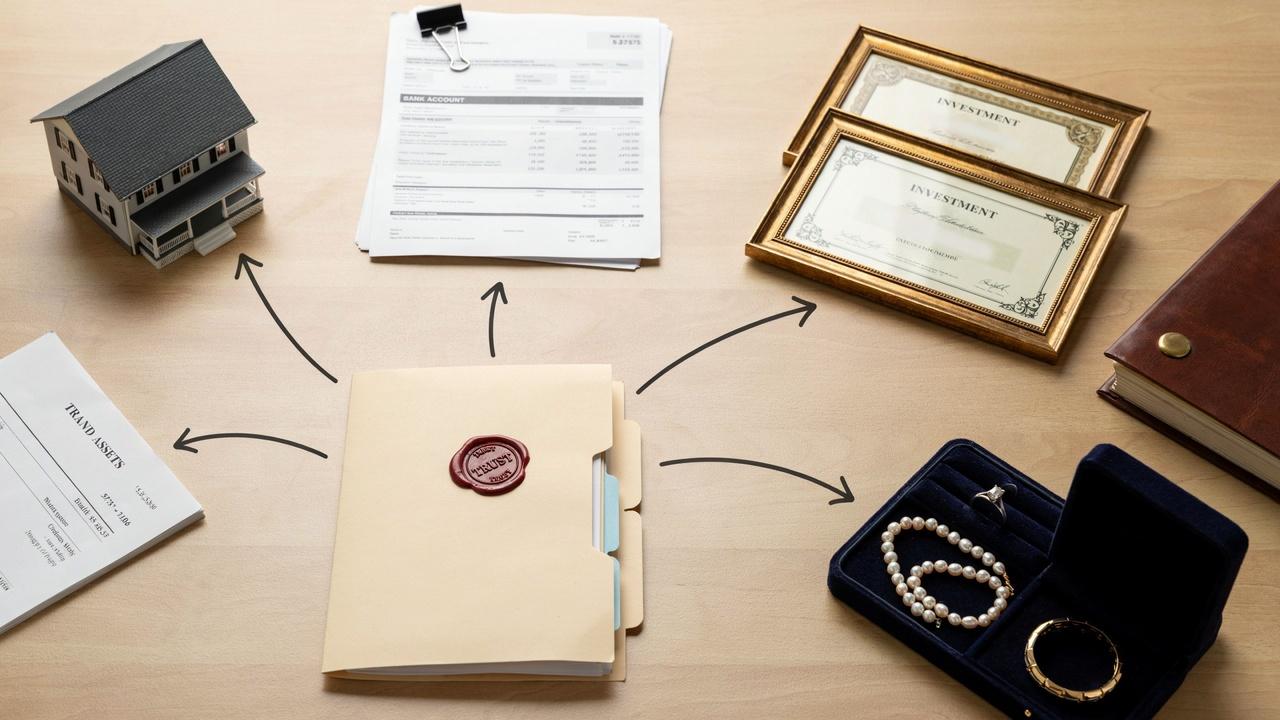
Trust property is any asset placed into a trust, and ownership is split between the trustee and the beneficiaries in two very different ways.
Picture a family placing their home, savings, and investments into a trust. All of those assets become trust property the moment the grantor formally transfers them in.
Real estate, bank accounts, stocks, retirement accounts, business interests, and personal valuables all qualify. Once transferred, these assets no longer belong to the grantor personally.
They belong to the trust as a legal entity. The grantor must actively retitle or assign each asset for the transfer to be valid.
This process is called retitling, and it involves putting the trustee's name along with the name of the trust on every deed, account, and title document. Now here is where most people get confused.
Legal title gives the trustee the right to manage and control the assets. Equitable title, sometimes called beneficial interest, gives the beneficiaries the right to actually benefit from them. The trustee holds the keys, but the beneficiary enjoys the home.
Does a Trustee Own the Property?
No, a trustee does not own the property in the way most people assume. They manage the assets according to the trust's terms and legal duties.
Think of a trustee as a steward, someone responsible for looking after something that belongs to others.
They must hold legal title because without it, they could not sell property, open accounts, or manage investments on behalf of the trust. That title gives them legal standing to act, nothing more.
A trustee oversees trust administration, finances, and asset management within the limits of the trust.
But every one of those powers must be used for the benefit of the beneficiaries, not the trustee. The trust document sets firm boundaries, and fiduciary duty enforces them.
A trustee must act in the best interest of beneficiaries, avoid conflicts of interest, and keep trust assets completely separate from personal ones.
Breaking these rules can result in personal liability. Courts treat breach of fiduciary duty very seriously, and a trustee found guilty of misusing trust assets can face lawsuits, removal, and even criminal charges.
Who Has Ownership Rights in a Trust?

Ownership in a trust is shared across several parties in different ways. Understanding each person's role helps avoid conflict and confusion.
The Grantor's Role
The grantor is the person who creates the trust and puts assets into it. In a revocable trust, the grantor usually keeps control during their lifetime and can make changes.
In an irrevocable trust, the grantor gives up that control. Once assets are transferred and retitled in the trust's name, the grantor no longer personally owns them.
The Beneficiaries' Interest
Beneficiaries hold equitable titles to the trust. They do not hold legal title, but they have a right to receive the benefits from the trust assets.
This could mean receiving income from rental property, getting a share of investments, or inheriting assets after the grantor passes.
Beneficiaries also have legal rights. They can request a formal accounting of the trust and take legal action if the trustee mismanages assets.
How the Trust Document Determines Ownership
The trust agreement is the governing document. It spells out who gets what and when. It names the trustee, identifies the beneficiaries, and sets the rules for how property is managed and distributed.
If there is ever a dispute about ownership rights, the trust document is the first place courts look. A poorly written trust can create problems for everyone involved.
When Can a Trustee Manage Property?

A trustee can manage trust property at any point during the trust's existence, but only in ways that the trust document allows and the law supports.
Selling Trust Property
A trustee may sell trust property when authorised by the trust and applicable law or if selling is in the best interest of the beneficiaries.
For example, if the trust holds a rental property that is losing money, the trustee may sell it to protect the trust's value.
The proceeds from the sale go back into the trust, not to the trustee personally.
Leasing or Maintaining Trust Assets
Trustees can lease trust property to generate income for the beneficiaries. They are also responsible for maintaining the property.
This includes paying property taxes, insurance, and upkeep costs. Neglecting maintenance could reduce the property's value and put the trustee in legal jeopardy.
Transferring Property Under the Trust
When it is time to distribute assets, the trustee transfers property to beneficiaries based on the trust's terms.
This might happen after the grantor's death or after a specific condition is met, such as a beneficiary reaching a certain age.
Property transfers must comply with the trust's instructions. Deviating from those terms, even with good intentions, can lead to legal issues. If the named trustee can no longer serve, a successor trustee steps in to carry out those same duties.
Trustee vs. Grantor vs. Beneficiary
Each party in a trust plays a different role, and understanding the differences helps everyone involved stay on the same page.
| Party | Legal Title | Beneficial Interest | Decision-Making Role | Primary Duties |
| Trustee | Yes | No (unless also a beneficiary) | Manages trust assets, makes decisions according to the trust document, and acts in beneficiaries' best interests. | Manage trust property responsibly, follow the trust terms, keep accurate records, and provide updates to beneficiaries. |
| Grantor | No (after transferring property to the trust) | Depends on the trust type | Creates and funds the trust. May retain certain rights in a revocable trust but generally does not manage assets after appointing a trustee. | Establish the trust, transfer assets into it, and appoint a qualified trustee. |
| Beneficiary | No | Yes (equitable title) | Does not manage trust property but can question or challenge a trustee who fails to meet legal duties. | Understand trust rights, monitor the trustee's actions, and communicate concerns when necessary. |
Common Mistakes About Trust Ownership
Misunderstanding how trust ownership works leads to real problems. Here are three mistakes that come up often.
Confusing Legal and Beneficial Ownership
Many people hear that a trustee holds the title and assume that means the trustee owns the property. This is wrong. Managing trust assets comes with legal responsibilities and strict limits.
The trustee controls the property but cannot benefit from it personally unless the trust says otherwise. Beneficiaries hold equitable title, not the trustee.
Assuming Trustees Own Trust Assets
Some trustees make the mistake of treating trust property as their own. They may use trust funds for personal expenses or sell assets without proper authorization.
This violates the trustee's legal obligations. It can result in lawsuits, removal as trustee, and even criminal charges in some cases.
Ignoring Fiduciary Obligations
Fiduciary duty is not optional. Some trustees do not fully understand what it means or take it lightly. Every decision should reflect the trustee's legal and fiduciary responsibilities.
Ignoring this obligation, even unintentionally, can have serious consequences.
Tips for Trustees and Beneficiaries
Knowing the rules is one thing. Following them consistently is another. These practical tips help both trustees and beneficiaries stay on track.
- Seek legal guidance before making complex trust decisions. and get legal advice if anything is unclear.
- Keep thorough records of all transactions, including asset valuations, income, expenses, and property transfers.
- Never mix trust assets with personal finances. Keep everything clearly separated and retitled in the trust's name.
- Respond promptly to beneficiary questions and keep records of important communications.
- Consult a trust and estates attorney before selling property, making distributions, or handling any disagreements. If a trustee steps down or can no longer serve, confirm that a successor trustee is properly appointed before any assets are moved.
Conclusion
Understanding a trustee's role helps prevent mistakes when managing or benefiting from trust property. A trustee's role is to administer the trust responsibly while following its legal terms.
Beneficiaries should understand their rights and stay informed throughout the trust's administration. If you are a trustee, follow the trust document and take your fiduciary duties seriously.
If you are a beneficiary, know your rights and stay informed. Does a trustee own the property? Now you have the answer.
Share this article with someone navigating a trust, or leave a comment below with your questions.
Frequently Asked Questions
Can a trustee be a beneficiary of the same trust?
Yes, a trustee can also be a beneficiary. However, they must still act in the interest of all beneficiaries, not just themselves.
What happens if there is no trustee named in a trust?
A court will appoint a successor trustee to manage the trust if the named trustee cannot serve or is not listed.
Can beneficiaries remove a trustee they do not trust?
Yes, beneficiaries can petition a court to remove a trustee who breaches fiduciary duty or mismanages trust assets.
Does a trustee need to pay taxes on trust property?
No, the trustee does not personally pay taxes on trust income. The trust itself or the beneficiaries are responsible for tax obligations.
Can a trust own property in multiple states?
Yes, a trust can hold real estate and other assets in multiple states, though each state may have its own legal requirements for the trust.