

Dealing with a difficult tenant is stressful. If you hire a property manager, you might wonder, can a property manager evict a tenant, or does the landlord have to handle it?
This is a common question, and the answer depends on your state laws and the management agreement you signed.
This article walks you through who can start an eviction, when it is legal, and how the process works step by step.
Understanding these rules helps you avoid costly mistakes. Many landlords have saved time and legal fees by knowing exactly where the property manager's authority begins and ends.
Whether you are new to renting out property or have managed rentals for years, getting this right protects you legally and financially.
A Short Answer
Yes, a property manager can evict a tenant, but only if the management agreement gives them that authority.
Property managers handle a lot of day-to-day tasks like collecting rent, handling repairs, and dealing with tenant complaints, but eviction is a legal process and not everyone has the right to start one.
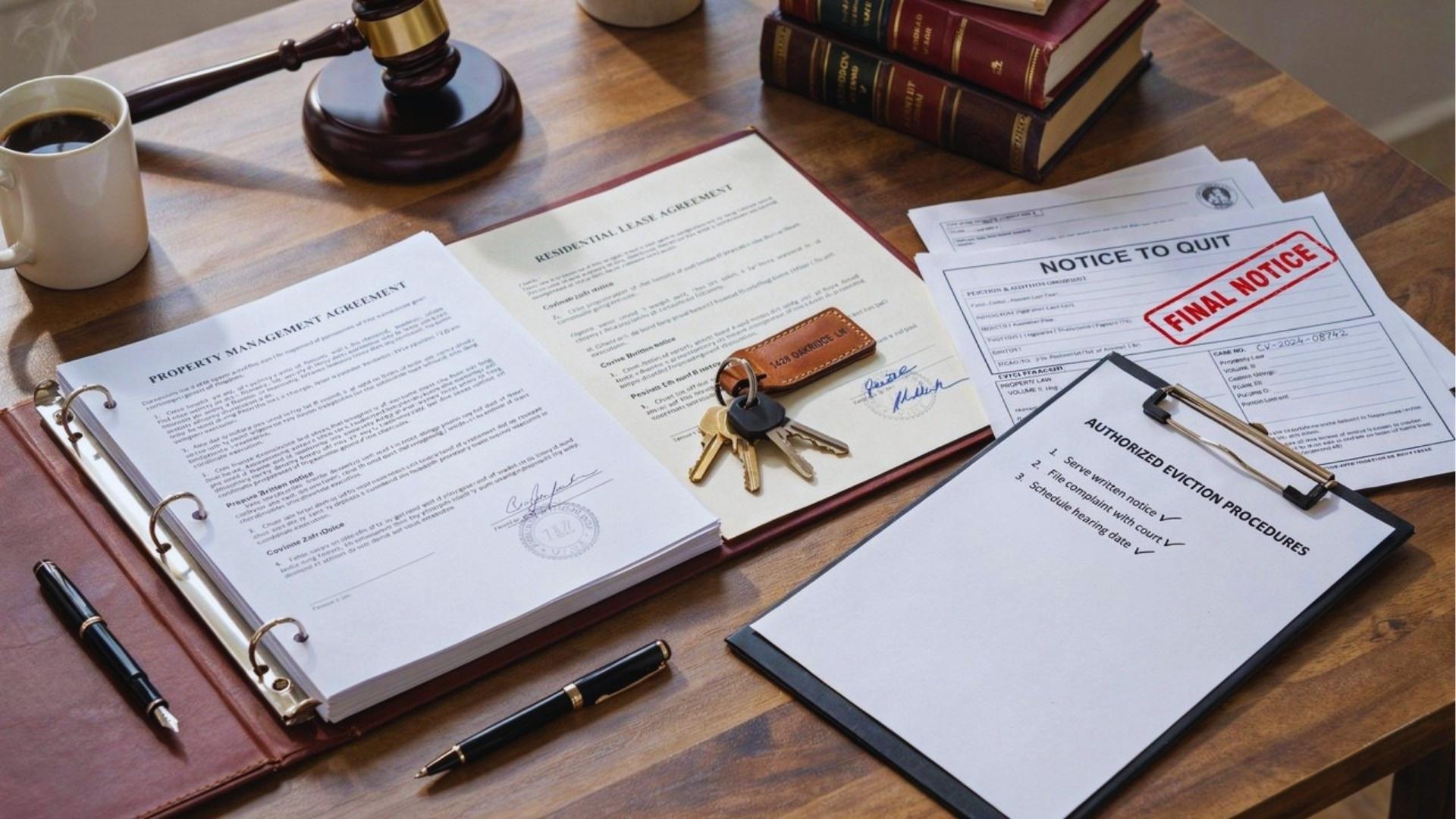
A property manager gets eviction authority through a written management agreement, which is a contract that outlines what the manager can and cannot do on the owner's behalf.
If the agreement includes eviction powers, the manager can send notices, file court paperwork, and communicate with the tenant about violations.
Some states also allow managers to represent owners in housing court.
However, if the agreement does not cover evictions, or if state law requires direct owner involvement, the manager cannot legally act.
Attempting to evict without proper authority can get the case dismissed or create serious legal trouble for the landlord.
When Can a Property Manager Start an Eviction?
A property manager cannot evict a tenant for any reason. There must be a valid legal reason, often called "just cause." Here are the most common reasons an eviction can begin.
Nonpayment of Rent
This is the most common reason for eviction. If a tenant does not pay rent by the due date, the manager can issue a pay-or-quit notice.
This gives the tenant a set number of days to pay or move out. The timeframe varies by state, some require 3 days, others require 5 or more.
Lease Violations
Lease violations include things like having unauthorized pets, subletting without permission, or exceeding the occupancy limit.
The manager must first give the tenant a cure-or-quit notice, which asks the tenant to fix the problem within a set number of days.
If the tenant does not fix the problem within the allowed time, the eviction process can move forward.
Illegal Activity or Property Damage
If a tenant is conducting illegal activity on the property or causing serious damage, the manager may issue an unconditional quit notice.
This means the tenant must leave without being given a chance to fix the problem. This type of notice is reserved for serious situations and must be supported by evidence.
Holdover Tenants After the Lease Ends
If a tenant stays after the lease ends and has not signed a renewal, they become a holdover tenant. The manager can begin eviction proceedings after proper notice is given.
The notice period depends on the type of tenancy and local law.
How the Eviction Process Works
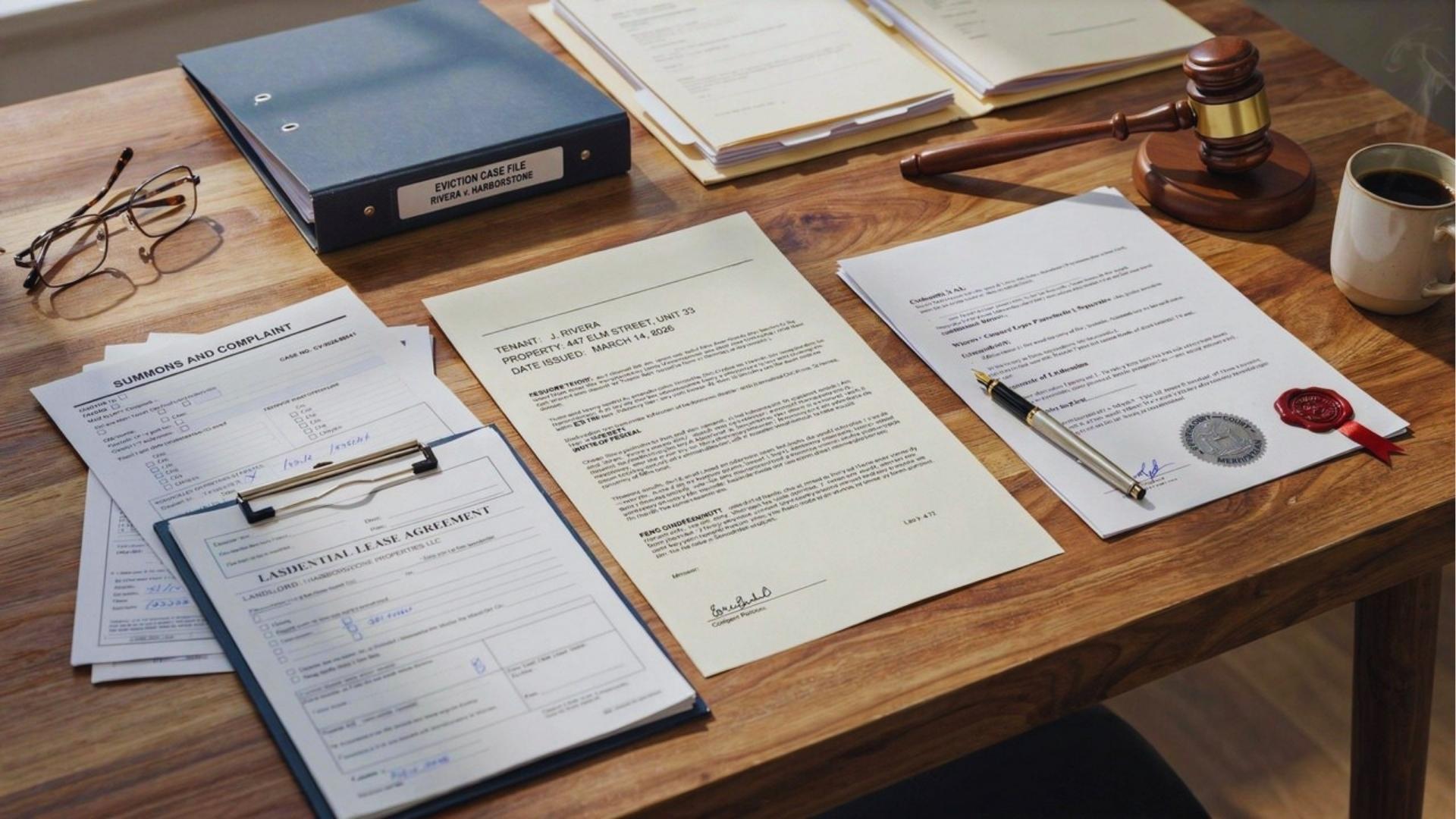
The eviction process follows a specific legal path. Skipping steps can get the case thrown out. Here is what typically happens from start to finish.
Serving the Required Eviction Notice
The first step is serving the tenant with a written notice. The type of notice depends on the reason for eviction.
It must include the reason, the deadline to fix the issue or vacate, and the date it was served.
The notice must be delivered correctly by hand delivery, posting on the door, or certified mail based on state rules.
Filing the Eviction Case With the Court
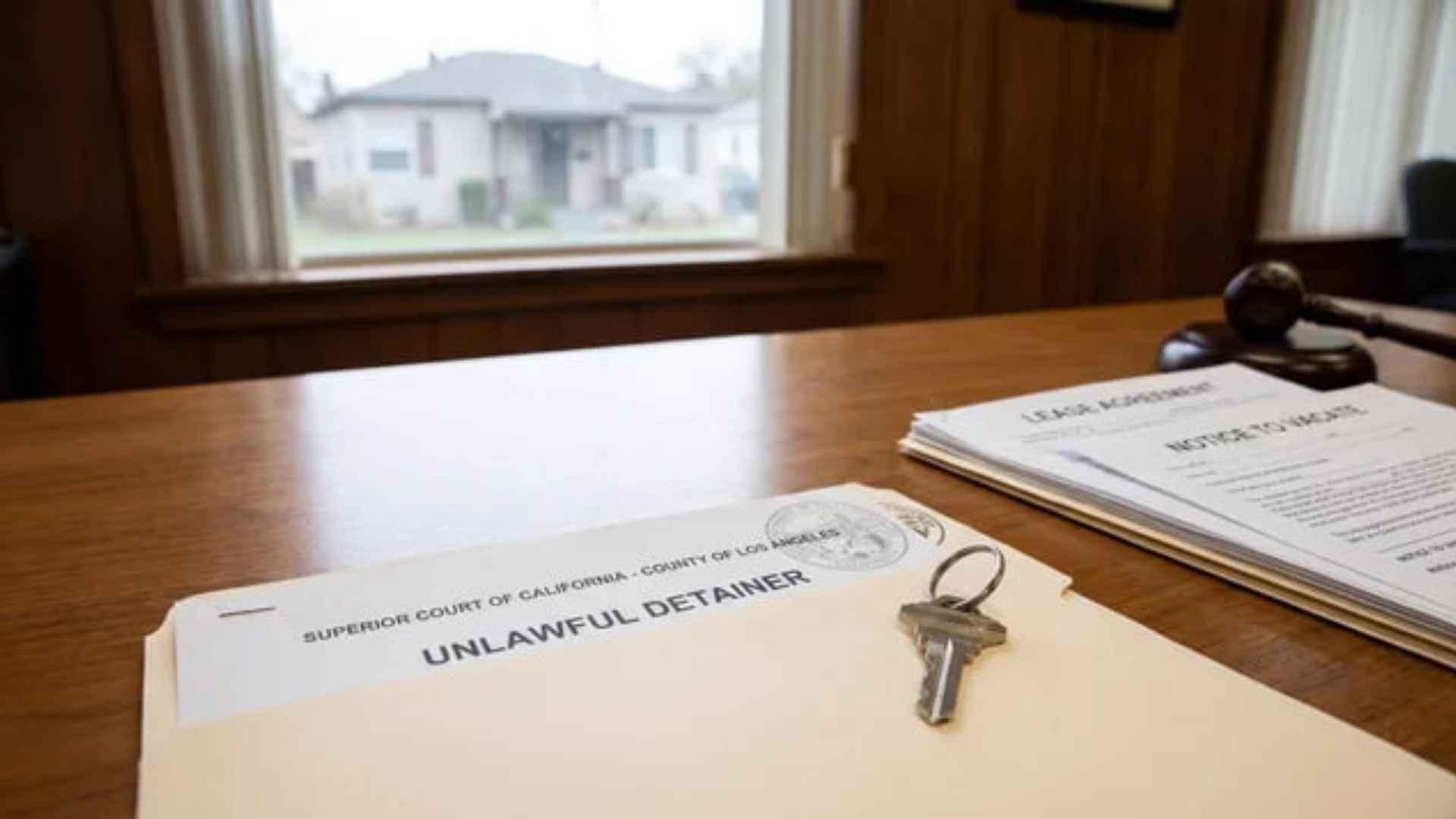
If the tenant does not comply with the notice, the manager or owner files an eviction lawsuit with the local court. This is called an unlawful detainer action in many states.
Filing fees and procedures vary by location. The court will then schedule a hearing and notify both parties.
Court Hearing and Eviction Judgment
At the hearing, both sides can present their case. The manager or landlord must show proof of the notice, the lease agreement, and the reason for eviction.
If the judge rules in the landlord's favor, an eviction judgment is issued. The tenant is given a set number of days to vacate.
Removing a Tenant After Court Approval
If the tenant still does not leave after the judgment, the manager can request a writ of possession. A sheriff or marshal will then carry out the physical removal.
A property manager should never remove a tenant's belongings or change the locks without a court order. Doing so is illegal in most states.
Property Manager vs. Landlord in Evictions
There are key differences between a property manager and a landlord when it comes to evictions. Knowing these differences protects both parties.
| Aspect | Property Manager | Landlord |
| Legal authority | Acts as the owner's agent. Eviction authority depends on the management agreement and state law. | Owns the property and has the legal authority to pursue an eviction. |
| Role in the eviction process | May serve notices, communicate with tenants, maintain records, and file eviction paperwork if authorized. | Has ultimate responsibility for the eviction, even when tasks are delegated to a property manager. |
| Responsibility for legal compliance | Must follow all notice requirements, deadlines, and legal procedures when handling the eviction. | Remains legally responsible for ensuring the eviction complies with applicable laws. |
| Court representation | May represent the owner only where state law allows and the management agreement grants that authority. Some states require an attorney. | Can often represent themselves in eviction court, though some states require attorney representation for certain property owners or business entities. |
What Happens if the Eviction Is Not Legal?

If an eviction is not done legally, the landlord can face dismissed cases, heavy fines, and even lawsuits from the tenant.
An improper eviction can have serious consequences, and courts do not take violations lightly. An unlawful eviction happens when a landlord or manager tries to remove a tenant without going through the court process.
Common signs include changing the locks without a court order, removing the tenant's belongings, shutting off utilities to force someone out, or threatening the tenant to leave.
These illegal actions are known as self-help evictions and are prohibited in most states. Tenants have the right to receive proper notice, attend a court hearing, and present their side of the case.
They also have the right to stay in the property until a court orders otherwise. If a manager violates these rights, the tenant can file a complaint or countersue.
Evictions based on a tenant's race, religion, disability, or other protected class also violate fair housing laws and can result in federal penalties on top of civil damages.
If an eviction is handled improperly, the case will likely be dismissed, and the landlord could face fines, be required to cover the tenant's legal fees, or face a damages lawsuit.
In some states, tenants can recover two to three times the actual damages for illegal evictions, which makes following the correct process not just important but necessary.
Tips for a Lawful Eviction Process
A smooth eviction starts with preparation. These tips help managers and landlords stay on the right side of the law.
- Always check state and local eviction laws before taking action, since rules vary by city and county and what works in one area may not be legal in another.
- Keep copies of the signed lease, written notices, rent records, and tenant communications organized, because good documentation is your strongest asset in court.
- Take clear photos of any property damage and store them with your eviction documents, as visual evidence can make a real difference in your case.
- Communicate with tenants in writing rather than verbally, since written messages create a paper trail and show the court you acted in good faith.
- Before filing in court, consider whether mediation could resolve the dispute. A neutral third party can sometimes settle payment or lease issues faster and cheaper than a court hearing.
- A strong tenant screening process upfront also reduces the chance of reaching this point. Checking rental history, income, and references before signing a lease can prevent many common eviction situations.
- If the case involves a disability, domestic violence, or a habitability dispute, consult a real estate attorney early to avoid costly mistakes and delays.
Conclusion
Understanding whether a property manager can evict a tenant is important for both landlords and managers.
The short answer is yes, but only with the right authority and the right process.
Always make sure your management agreement covers eviction powers, follow your state's legal steps, and keep thorough records. Rushing or skipping steps can backfire quickly.
If you found this guide helpful, share it with someone who manages rental properties or leave a comment below.
And if you are dealing with a specific eviction situation, consider speaking with a local attorney for guidance.
Frequently Asked Questions
Can a property manager change the locks to remove a tenant?
No. Changing locks without a court order is an illegal self-help eviction. A manager must complete the full court process before removing a tenant.
Does a tenant have to leave immediately after receiving an eviction notice?
No. The notice gives a deadline to comply or vacate. Tenants can contest the eviction in court before being required to leave.
Can a property manager evict a tenant if the landlord disagrees?
No. The manager acts on behalf of the owner. Without owner approval or management agreement authority, the manager cannot proceed with eviction.
What happens to a tenant's belongings after an eviction?
State law governs abandoned property. Most states require landlords to store belongings for a set period before disposing of them legally.
Can a month-to-month tenant be evicted without cause?
It depends on the state. Some states allow no-cause evictions with proper notice. Others require a specific legal reason to end a tenancy.