If you own property or plan to buy one, understanding a right of way easement can save you from serious legal headaches.
Many property owners don't realize that someone else may have legal access to their land, or that they may have access rights to a neighbor's property.
This article breaks down what a right of way easement is, how it differs from general easements, and what your rights and responsibilities are.
We will also cover common problems and how to handle them. Knowing these details helps you make smarter decisions before signing any property agreement.
With years of experience covering property law topics, this guide gives you clear and practical answers you can actually use.
Understanding Right of Way Easement
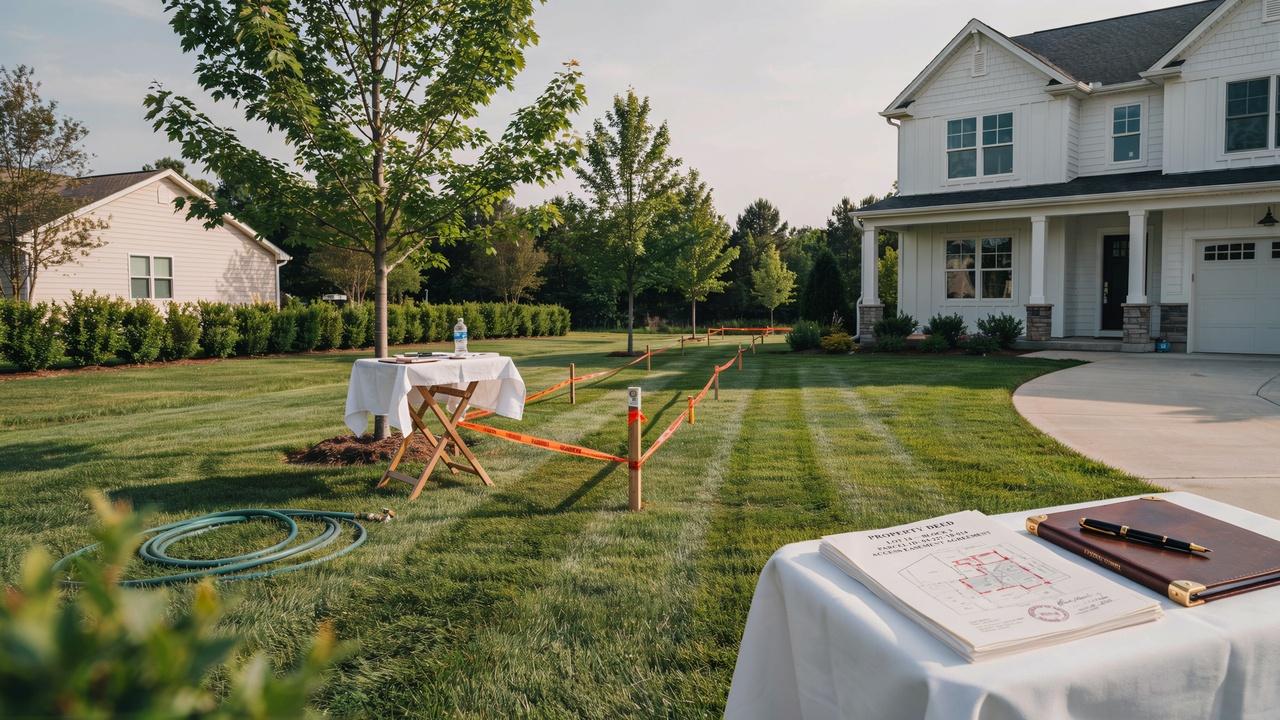
A right of way easement gives someone legal access to use part of your property for a specific purpose, and it stays with the land even after it is sold.
Many property owners only find out about easements after a dispute starts, which is why knowing the basics early matters.
The person who benefits from the easement is called the easement holder, while the property owner whose land is being used is called the servient owner. The property that benefits from the access is known as the dominant estate.
Easements are legally binding and affect what you can build, plant, or block on your land.
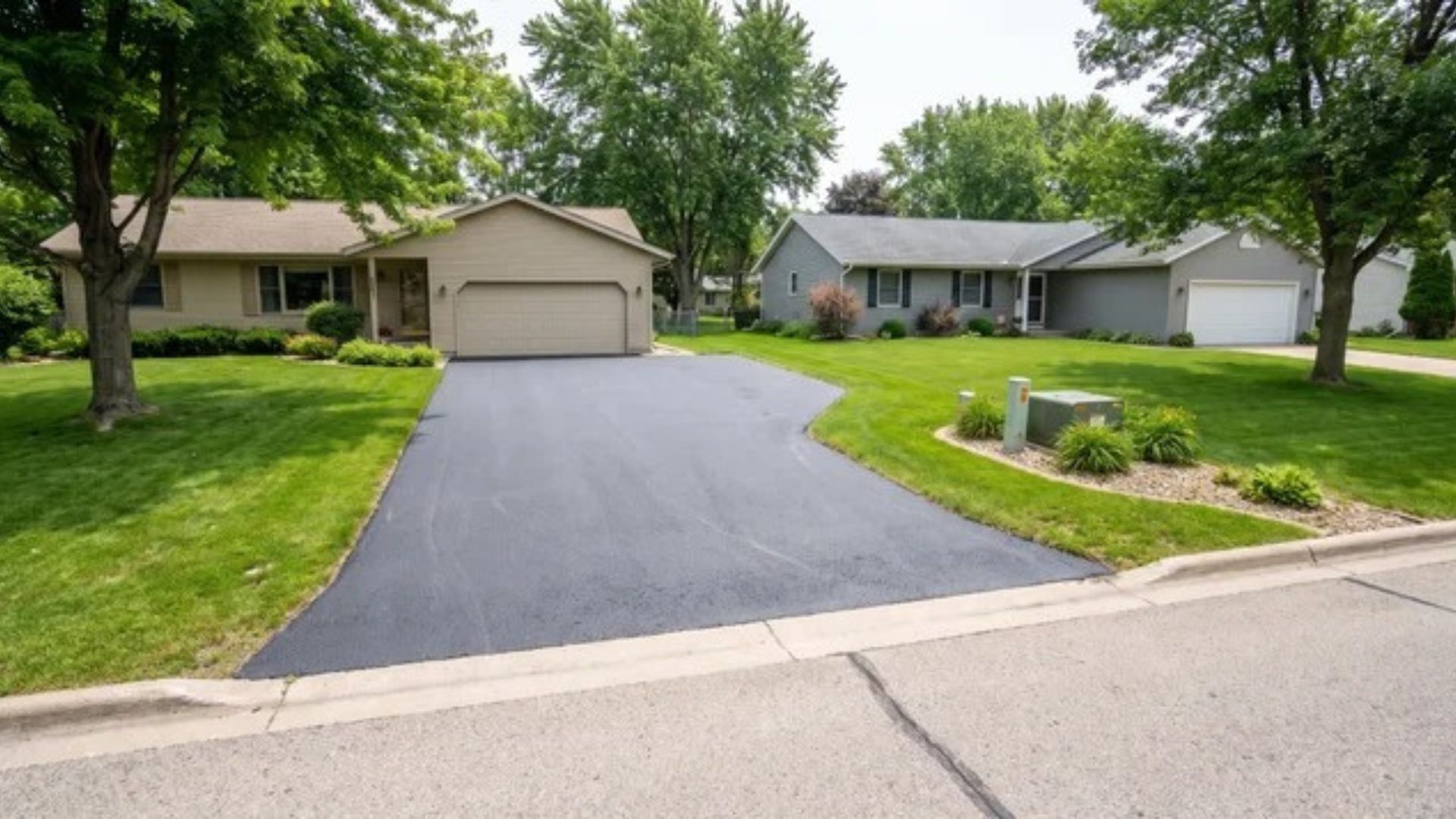
Common examples include a neighbor crossing your driveway to reach a landlocked lot, a utility company running power lines through your yard, or a shared access road used by multiple homeowners.
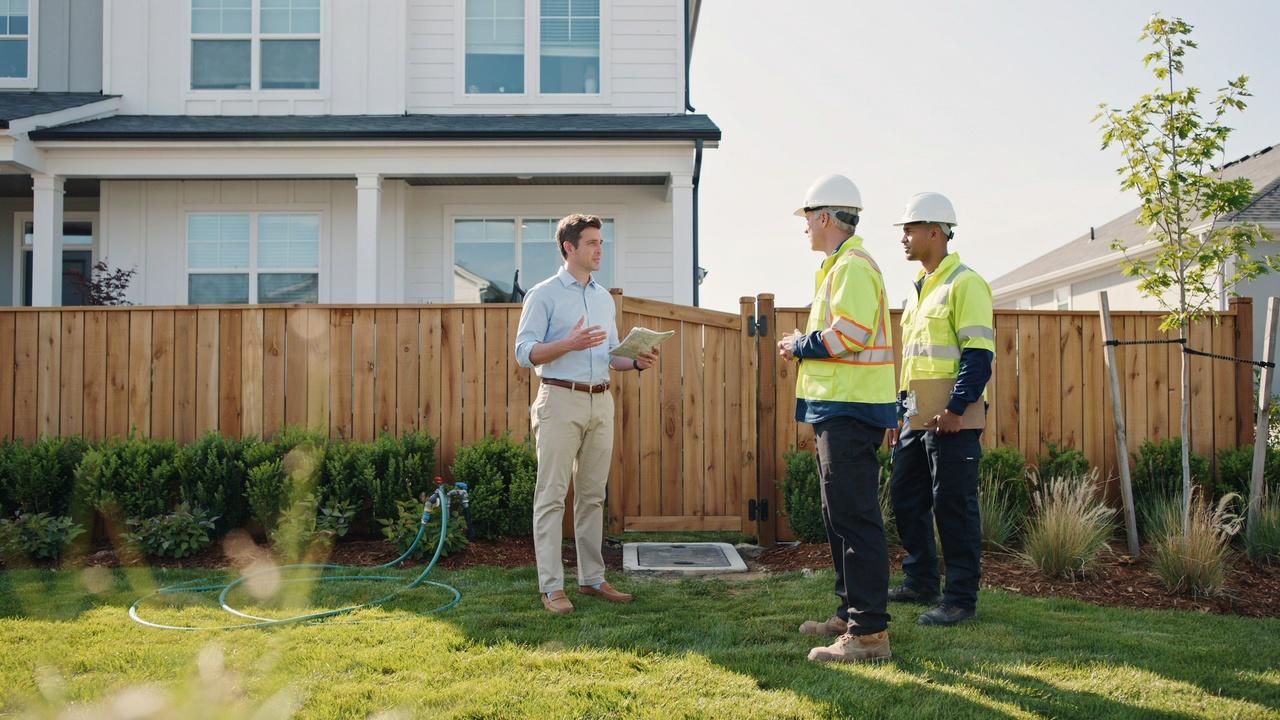
A utility easement is one of the most frequent types homeowners encounter, giving providers the right to access meters, sewer pipes, or power lines on your land.
Key Legal Differences That Property Owners Often Miss
The terms "right of way" and "easement" are often used together, but they don't mean exactly the same thing.
| Aspect | Right of Way | Easement |
| Definition | A legal right allowing someone to travel through or across another person's property. | A legal right allowing someone to use another person's property for a specific purpose. |
| Scope | A specific type of easement focused on access. | A broader legal concept that includes different types of property use rights. |
| Purpose | Provides access for walking, driving, or other forms of travel. | May allow access, utility lines, drainage, conservation, or other limited uses. |
| Ownership Rights | Does not transfer ownership of the land. | Does not transfer ownership of the land. |
| Access Rights | Grants the right to pass through the property under agreed terms. | Grants only the rights stated in the easement agreement, which may or may not include access. |
| Effect on Property Owners | The property owner must allow lawful access but keeps ownership. | The property owner retains ownership while allowing the permitted use. |
| Legal Implications | May affect property use, development plans, and future property sales. | Recorded easements can impact property value, financing, insurance, and land development. |
One key point many buyers miss: all rights of way are easements, but not all easements are rights of way.
Right of way easements are also a type of encumbrance, which is any legal limit on how you can use the property. Other encumbrances include liens and deed restrictions.
Types of Right of Way Easements

Not all easements work the same way. The type you're dealing with affects your legal options and obligations.
Private and Public Right of Way
A private right of way gives access rights to a specific person or property. For example, a neighbor may have the right to cross your land to reach their home.
A public right of way allows the general public to pass through. This is common with sidewalks, trails, or roads crossing private land.
Appurtenant and In Gross Easements
An easement appurtenant ties to the land itself, not to the person who owns it. If the property is sold, the easement stays in place.
A right of way between two neighboring lots is a common example. The property that benefits is the dominant estate, and the property that carries the burden is the servient estate.
An easement in gross ties to a specific person or entity rather than the land. Utility companies typically hold easements in gross.
Whether an easement in gross transfers or ends depends on its legal terms and applicable state law.
Express and Implied Easements
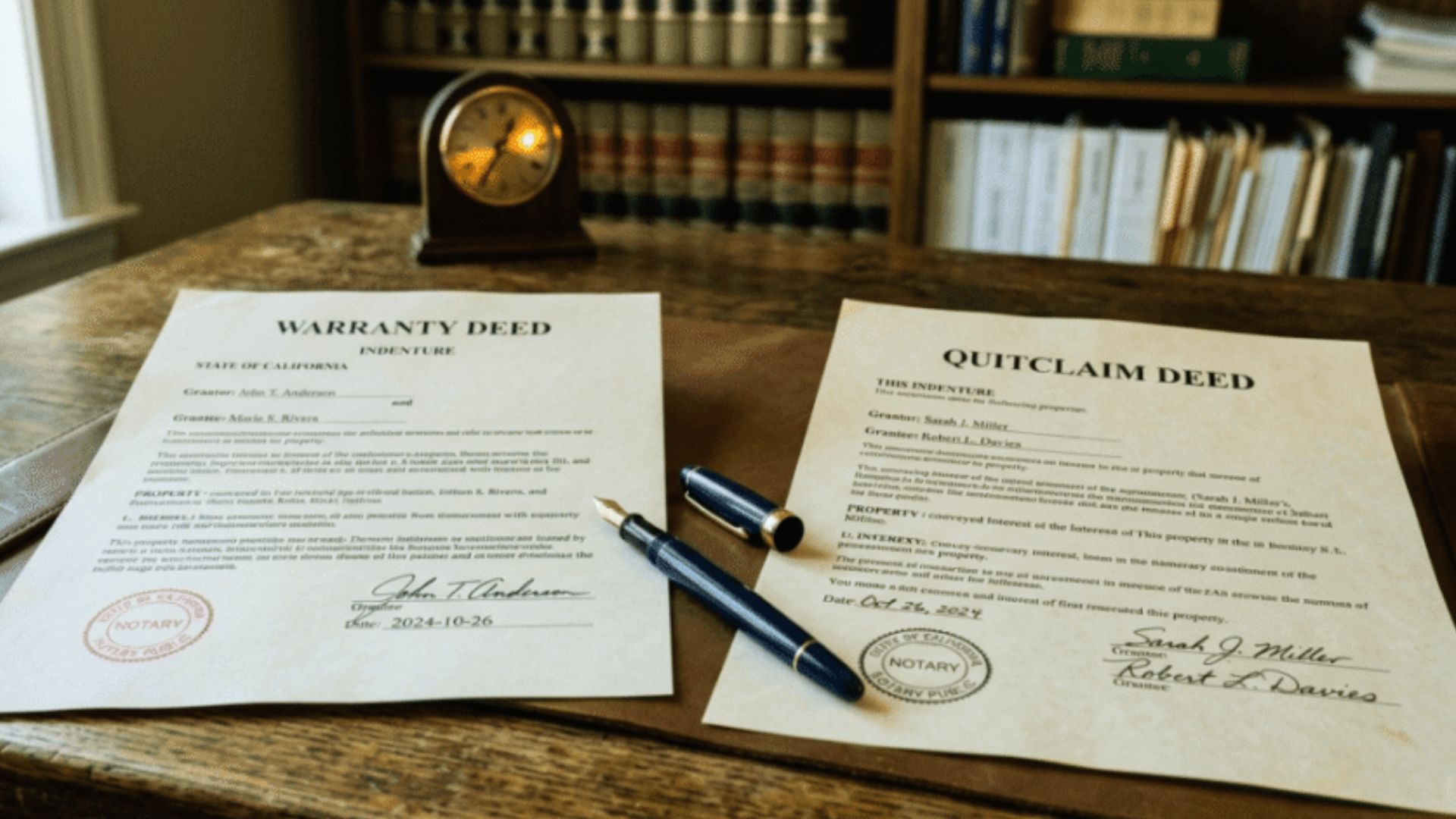
An express easement is written into a deed or legal agreement. It clearly states the terms, location, and purpose of the access right.
An implied easement is not written down. It is assumed based on how the land has been used over time.
For example, if a pathway has been used openly for decades, an implied easement may already exist.
Easement by Necessity
This type of easement applies when a property is landlocked. If there is no other legal way to access the land, the owner has the right to cross a neighboring property.
Courts grant these easements when access is truly necessary, not just convenient. The location of the easement path is usually decided by the court.
Prescriptive Easements
A prescriptive easement is similar to adverse possession. It is created when someone uses another person's land openly, continuously, and without permission for a set period of time.
The required time period varies by state but often ranges from 5 to 20 years. If the use meets all legal requirements, the court may grant a permanent easement.
Affirmative and Negative Easements
An affirmative easement allows the holder to do something on the land, such as crossing it to reach a road.
A negative easement prevents a specific use, such as blocking a neighbor from building a fence that cuts off your view.
Negative easements are less common but can significantly affect property value and development plans.
Rights and Responsibilities of Both Parties
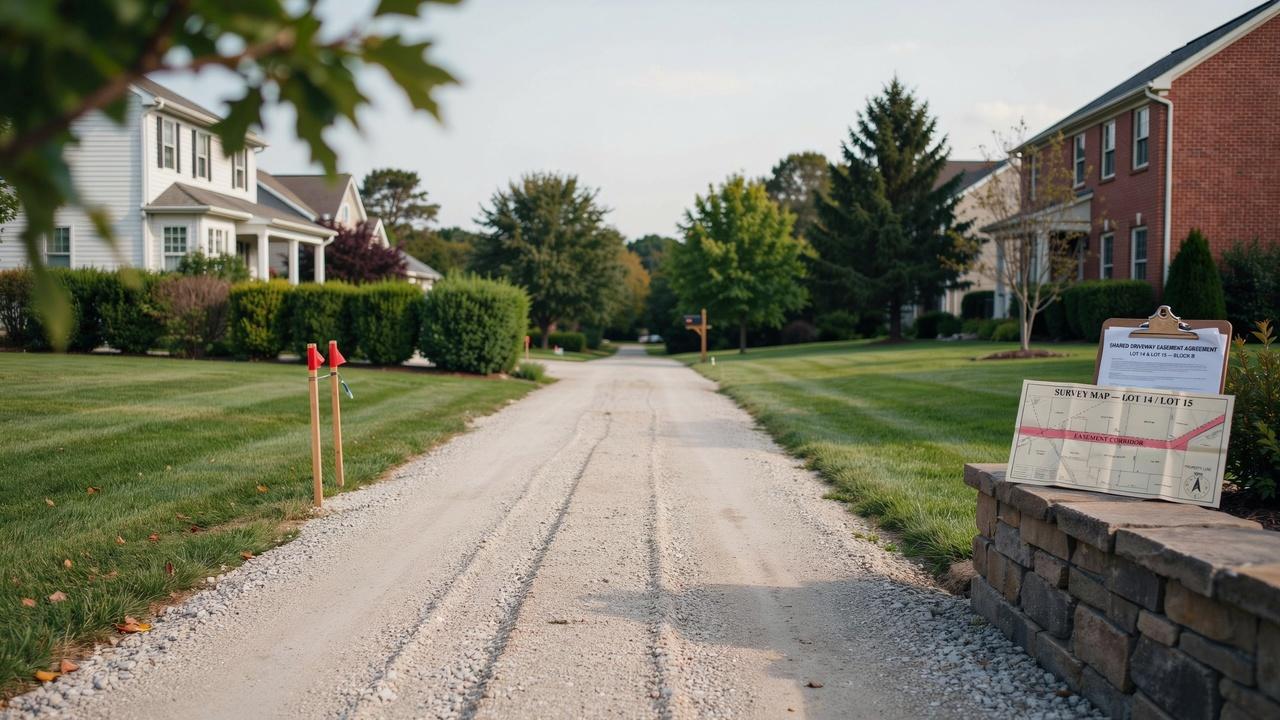
Both the easement holder and the property owner have clear legal roles. Knowing them prevents conflict.
Rights of the Easement Holder
The easement holder has the right to use the land as described in the easement terms. They can take reasonable steps to maintain access, such as clearing a path or repairing a shared driveway.
They also have the right to seek legal action if the property owner blocks or interferes with their access.
Duties of the Property Owner
The property owner must not obstruct the easement. They cannot build a fence, park a vehicle, or plant trees that block the access route.
They still own the land and can use it as they like, as long as they don't interfere with the easement holder's rights.
Maintenance Responsibilities
Maintenance duties depend on the easement agreement. In most cases, the easement holder is responsible for keeping the access route in usable condition.
If the easement benefits both parties, costs may be shared. This should be clearly written in the agreement to avoid future arguments.
Limits on Easement Use
The easement holder cannot use the property beyond what is allowed in the easement. For example, if the easement allows foot access, they cannot drive vehicles through it.
Overstepping these limits can result in the easement being challenged or revoked. The property owner has the right to take legal action if misuse occurs.
Common Right of Way Easement Problems
Even with clear agreements in place, disputes happen. Knowing the most common problems helps you respond quickly.
Blocked or Restricted Access
One of the most frequent complaints is a property owner blocking an easement. This can happen through construction, fencing, or even planting large shrubs.
If your access is blocked, start by documenting the obstruction with photos and dates. Then send a written notice to the property owner before taking legal steps.
Easement Misuse and Overuse
An easement holder may exceed their legal rights. For example, using a foot path to drive heavy equipment or expanding the easement area without permission.
Property owners can legally challenge this. Courts can issue orders to limit or stop the misuse if the easement terms are clearly defined.
Buying or Selling Affected Property
If you're buying a property, always run a title search before closing. A title search uncovers recorded easements along with other encumbrances that could affect how you use the land.
An undisclosed easement can affect property value and future development plans.
Sellers are usually required to disclose known easements. However, it's still your responsibility to review the title carefully before closing.
If an easement is found, you may be able to use it as a bargaining chip to request seller concessions that help offset the impact on value.
Resolving Disputes Legally
Most easement disputes can be resolved through negotiation or mediation. This is faster and cheaper than going to court.
If informal resolution fails, you can file a lawsuit. In some cases, a quiet title action may be needed to ask the court to formally remove or modify the easement.
Courts can enforce, modify, or terminate easements based on the facts and the written agreement.
Tips for Managing a Right of Way Easement
Being proactive about easement management prevents most legal problems before they start.
- Always read the deed before buying property and review public land records to spot any recorded easements early.
- Put all easement agreements in writing, covering the location, purpose, width, and duration clearly. Specify whether the easement is appurtenant or gross, since this affects what happens when the property is sold.
- Have a real estate attorney review any easement document before signing to avoid poorly worded terms.
- Both parties should respect the easement boundaries. Owners should not block access, and holders should not exceed their allowed use.
- When in doubt, get legal advice early. It costs far less than resolving a dispute or lawsuit later.
Conclusion
Understanding a right of way easement helps you avoid conflicts and avoid future ownership disputes.
Whether you're a buyer, seller, or current homeowner, knowing the difference between access rights and ownership rights matters.
Review your deed, run a title search, document agreements, and always stay within legal boundaries.
If a dispute comes up, handle it early before it grows into a bigger problem. Have questions or a personal experience with an easement?
Leave a comment below or share this article with someone who might find it helpful. Find our related property law guides for more practical advice.
Frequently Asked Questions
Can an easement be removed from a property?
Yes. Easements can be removed through a written release by the holder, court order, or a quiet title action when the purpose no longer exists.
Does an easement show up on a property survey?
Yes. A licensed surveyor can identify and mark easement locations on an official property survey.
Can a property owner charge someone for using an easement?
Generally no, unless the original agreement includes a fee or compensation clause negotiated between both parties.
What happens to an easement when a property is sold?
Most easements, particularly easements appurtenant, transfer with the property. The new owner takes the land subject to any existing recorded easements.
Is a verbal easement agreement legally valid?
Verbal easements are rarely enforceable. Most states require easement agreements to be in writing and recorded to be legally binding.