If someone has been using a path across your land for years without your permission, you may have a legal problem on your hands.
A prescriptive easement can give that person the legal right to keep using your property even if you never agreed to it.
This article breaks down what a prescriptive easement is, how it forms, what rights it creates, and how to protect yourself as a property owner.
You will also learn how to prove or challenge one in court. Understanding this area of property law can save you from costly disputes down the road.
We have helped many property owners work through these issues and know exactly what information you need to make smart decisions.
What Is a Prescriptive Easement?

A prescriptive easement is a legal right to use someone else's property, earned through long-term unauthorized use, without the owner's consent.
It does not require any written agreement or even a conversation. It forms quietly through consistent use over time, once certain legal conditions are met.
It gives a person the right to use a portion of another person's land for a specific purpose, such as walking a path, using a driveway, or running a utility line. It does not transfer ownership, only access rights.
Consider this: your neighbor has been cutting across your yard for 15 years to reach the road, and the day you put up a fence, they take you to court.
That is how these disputes begin. A prescriptive easement grows out of use alone, and courts look at how long that use lasted, how visible it was, and whether the landowner knew about it.
Once the legal requirements are met, a court can declare the easement valid and enforceable. At that point, you cannot block access or demand the person stop.
The easement becomes a permanent legal interest tied to the land, staying in place even if you sell the property.
If you have been using a route across a neighbor's land for years, you may have rights worth protecting too.
Legal Requirements for a Prescriptive Easement
For a prescriptive easement to be valid, a few key legal conditions must be met.
Open and Notorious Use
The use must be visible and apparent. The person using the land cannot do so in secret. If a reasonable property owner would notice the use, this requirement is met.
Courts and legal sources often call this "open and notorious use," meaning the activity was obvious enough that the true owner had a fair chance to object.
For example, if someone drives across your land every week to reach their home, that is open and notorious. A landowner who sees this and does nothing may eventually face a prescriptive easement claim.
Continuous Use for the Required Period
The use must be ongoing for a set number of years. This period is called the statute of limitations and varies by state. In most states, it ranges from 5 to 21 years.
Continuous does not mean every single day. It means the use was regular and consistent with how anyone would normally use that type of access. Seasonal use can count if the season is when access would reasonably occur.
One important concept here is tacking. If one person used the land for several years and then another picked up right where they left off, those time periods can be combined to meet the required statutory period. Courts allow this when there is a clear connection between the users.
Hostile Use Without Permission
The word "hostile" in property law does not mean aggressive. It simply means the use occurred without the property owner's permission. The person using the land had no legal right to do so.
This is a key point. If a landowner gives written or verbal permission, the use is no longer hostile. Permission resets the clock and prevents a prescriptive easement from forming.
State Law Differences
Each state sets its own rules for prescriptive easements. Some states require proof that the user believed they had a legal right to use the land. Others only require that the use was without permission.
The time period required also varies. California requires 5 years. New York requires 10 years. Some states require up to 21 years. Always check the laws in your state before making or fighting a claim.
Rights and Limits of a Prescriptive Easement
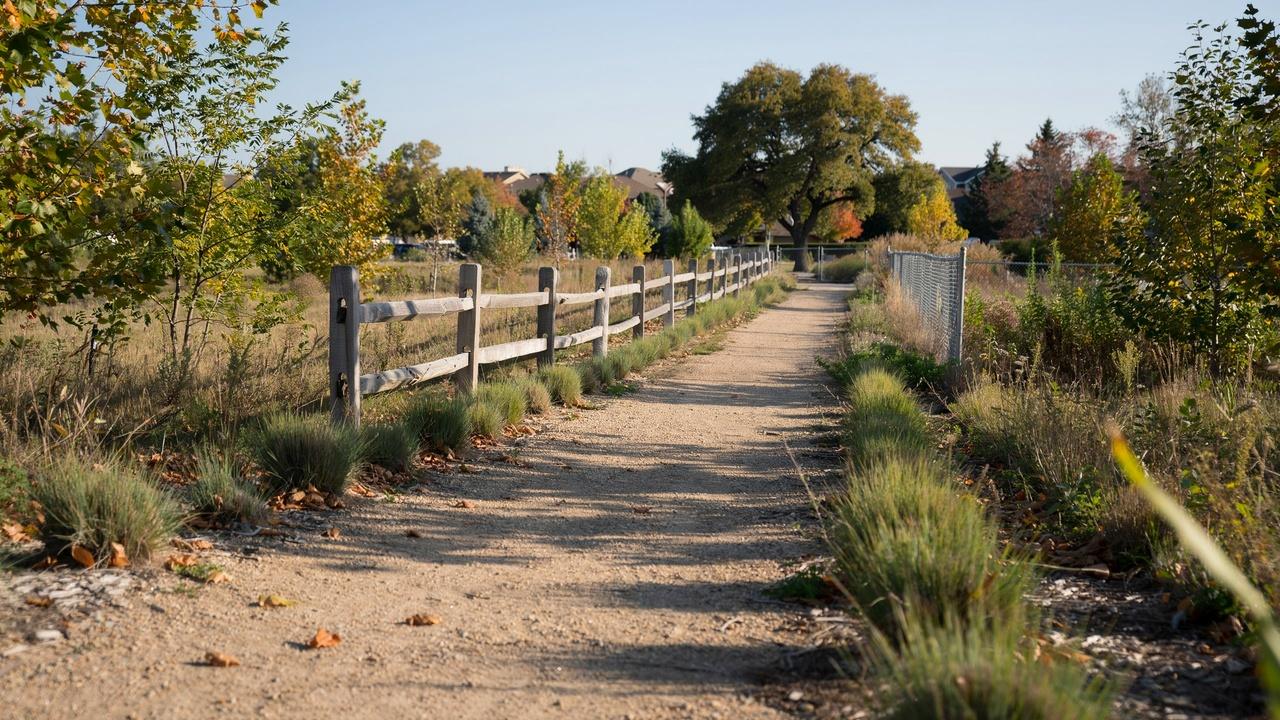
A prescriptive easement is not a blank check to use someone's property however you like. It comes with specific rights and clear boundaries.
Rights of the Easement Holder
The person who holds the easement has the right to use the property in the same way they used it during the prescriptive period.
If they used a path to walk to a lake, they can continue walking that same path. This type of use is often called a right of way, and it is the most common form a prescriptive easement takes.
They may also make reasonable improvements to maintain the easement, such as filling in ruts on a dirt path. However, they cannot expand the use beyond what was originally established.
Rights Retained by the Property Owner
The landowner keeps full ownership of the property. They can build on it, sell it, or use it in any way that does not interfere with the easement holder's established rights.
For instance, if the easement covers a narrow path on the north side of the property, the owner can still build a garage on the south side.
The easement does not cover the whole property, only the specific area that was used.
Can the Easement Be Transferred or Terminated?
A prescriptive easement is generally attached to the land it benefits, not to a specific person. Legal professionals often call this an easement appurtenant.
This means it can pass to a new owner if the benefiting property is sold.
However, an easement can be terminated in several ways. If the easement holder stops using the land for a long period, abandonment may be claimed.
The landowner can also buy out the easement rights or negotiate a formal agreement to end it. Courts can also end an easement if the purpose it served no longer exists.
Prescriptive Easement vs Other Property Rights
Prescriptive easements are often confused with similar legal concepts. Understanding the differences helps you know exactly what you are dealing with.
| Property Right | How It Is Created | Key Difference From a Prescriptive Easement |
| Express Easement | Created through a written agreement, usually recorded in the property deed. | A prescriptive easement is not created by a written agreement. It develops through long-term use without the owner's permission. |
| Easement by Necessity | Granted by a court when a property is landlocked and access is necessary. | A prescriptive easement is based on continuous qualifying use over time, not on the need to access property. |
| Implied Easement | Arises from an understood arrangement or prior use between property owners. | An implied easement is not based on unauthorized use. A prescriptive easement requires long-term use without the owner's consent. |
| Adverse Possession | Gives ownership of land after strict legal requirements are met. | A prescriptive easement grants only the right to use the land, while adverse possession transfers ownership. Both require long-term, open, and hostile use. |
How to Prove or Challenge a Prescriptive Easement

Going to court over a prescriptive easement requires solid evidence on both sides. Knowing what to gather or how to fight a claim makes a real difference.
Evidence Used to Support a Claim
To prove a prescriptive easement, a claimant needs to show a history of use that meets all the legal requirements.
Useful evidence includes photos or videos taken over the years, witness statements from neighbors, utility records, maps, or aerial images that show the use over time.
Old surveys, tire tracks, worn paths, or utility installations can also support a claim.
Records of misplaced fences or boundary errors are also commonly used, since these often lead to unauthorized use that goes unnoticed for years.
The goal is to show that the use was real, regular, and long-lasting.
Common Defenses for Landowners
A landowner can fight a prescriptive easement claim in several ways. The strongest defense is showing that permission was given. If you can prove the use was permitted, the hostile use requirement is not met.
Other defenses include showing the use was not continuous, not open and notorious, or did not last long enough to meet the required statutory period.
Landowners can also argue that the alleged use never happened, or that the claimant's timeline is wrong.
When Legal Action Becomes Necessary
Sometimes, a dispute cannot be settled through conversation. If someone is claiming the right to use your land and will not back down, or if you believe you have earned access rights and the landowner is blocking you, legal action may be the only option.
A quiet title lawsuit is the most common legal tool used in prescriptive easement cases.
A court will review the evidence and issue a ruling on whether the easement exists and what rights it includes.
Tips to Prevent Prescriptive Easement Disputes
The best way to handle a prescriptive easement is to stop one from forming in the first place. A few simple steps can protect your property rights before a problem grows.
- Keep records of property use. Take dated photos of your boundaries regularly. Note when you see someone using your land, what they did, and when they did it.
- Grant written permission when appropriate. A written license makes the use permitted, not hostile. You can revoke it at any time, which a prescriptive easement does not allow.
- Address boundary issues early. The longer you wait, the stronger the other party's claim becomes. Post no-trespassing signs or put up a fence to interrupt continuous use.
- Speak directly with the person. If someone is crossing your land without permission, address it right away. A simple conversation can stop a prescriptive easement before it ever starts.
- Consult a real estate attorney. Property law varies by state. Even a one-time consultation can show you your risk level and the right steps to take before a small issue becomes a legal fight.
Conclusion
A prescriptive easement can quietly grow into a serious legal issue if you are not paying attention.
The key takeaway is this:unauthorized use of your land over time can become a legal right. Act early, document everything, and do not let boundary issues slide.
If you think you have a prescriptive easement on your hands, or someone may be forming one on your property, talk to a real estate attorney as soon as possible.
Sharing this article with a neighbor or friend who owns property could save them a costly dispute.
Frequently Asked Questions
Can a prescriptive easement apply to water access or drainage?
Yes, prescriptive easements can cover water access, drainage routes, or irrigation paths if all legal requirements are met over the required time period.
Does a prescriptive easement show up on a title search?
Not always. Prescriptive easements are often unrecorded, which is why title searches may miss them. A survey or legal review helps identify them.
Can a tenant's use of land create a prescriptive easement for the property owner?
Generally no. A tenant's use typically benefits the tenant, not the landlord. Courts rarely credit tenant use toward the owner's prescriptive easement claim.
What happens to a prescriptive easement when the property is sold?
The easement usually stays with the land and binds the new owner. Buyers should research existing use patterns before purchasing any property.
Is a prescriptive easement the same in all 50 states?
No. Each state sets its own requirements, including the time period needed and what counts as hostile use. Always check your state's specific property laws.