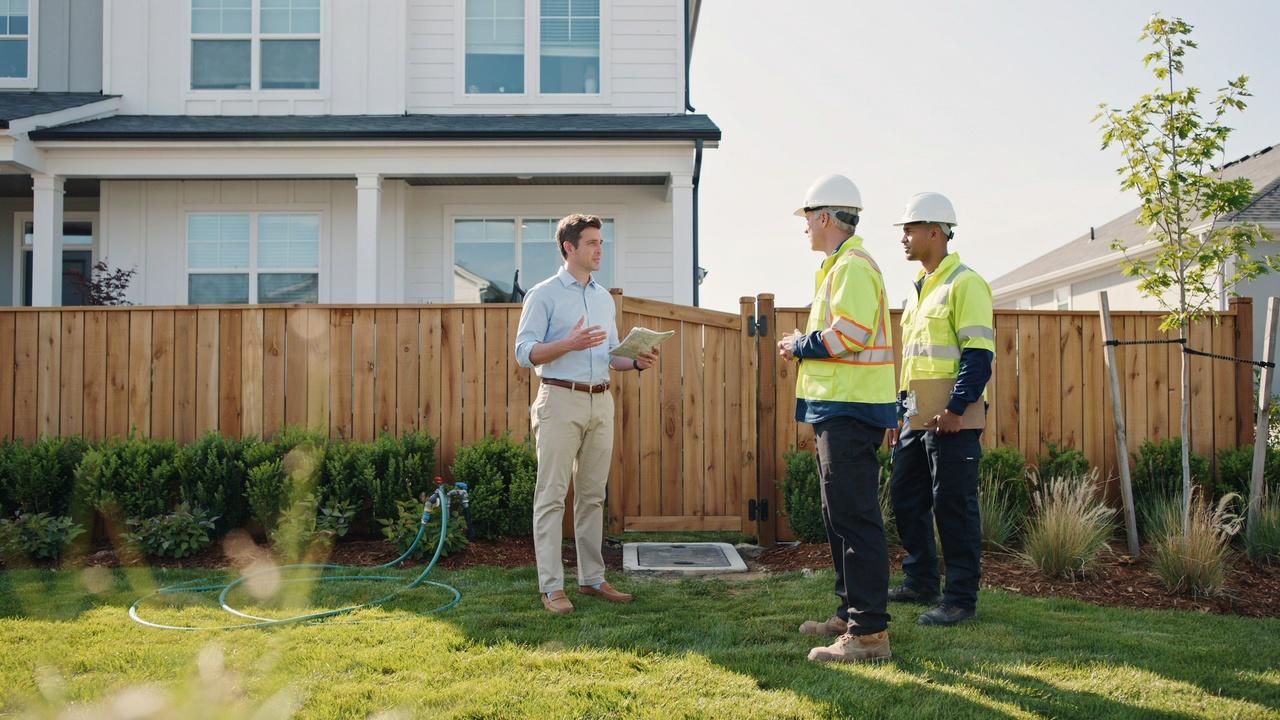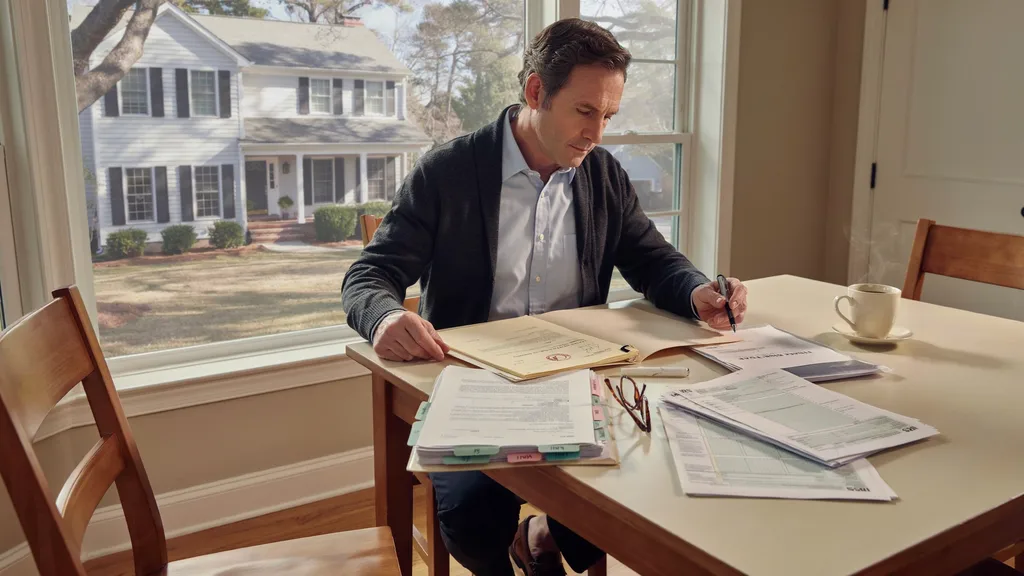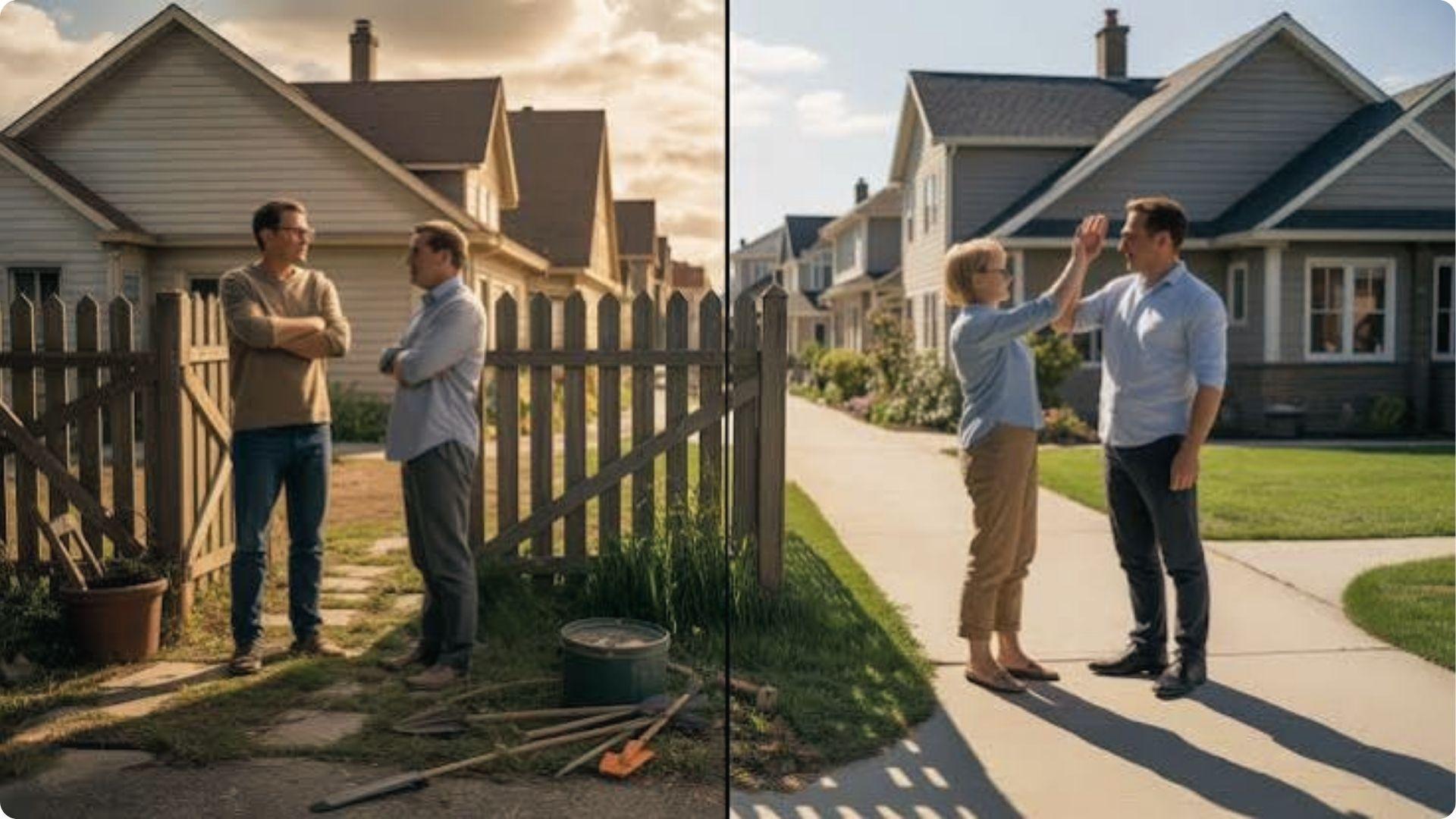
You found a fence sitting a few feet past the property line, or maybe a neighbor claims they have the right to use part of your land. Sound familiar?
Many property owners run into these situations and have no idea whether they are dealing with an encroachment or an easement.
Both issues often surface for the first time during a property survey or a title search when a home changes hands.
The two terms sound similar but carry very different legal meanings and consequences.
In this guide on encroachment vs easement, you will learn exactly what each term means, how they affect your property rights, and what steps to take when either issue comes up.
Having reviewed dozens of real property disputes, I can say that knowing this difference early saves serious time and money.
What Is an Encroachment?
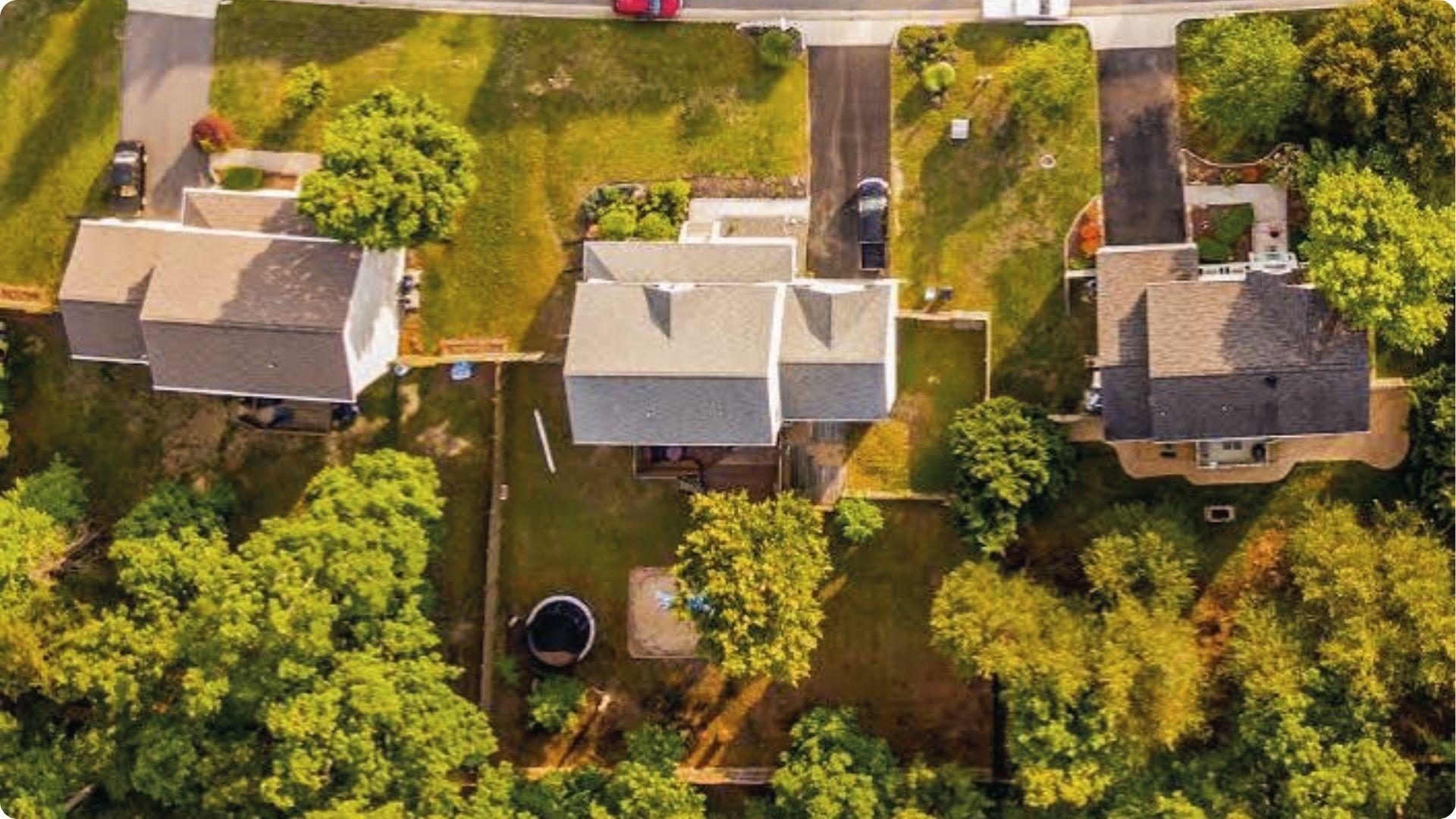
An encroachment happens when a structure, object, or improvement from one property crosses over into another person's property without permission.
Think of a neighbor's fence built two feet past the actual boundary line, or a shed that extends into your yard. The key word here is unauthorized.
No agreement exists. No legal right has been granted. The person encroaching is simply using land that does not belong to them.
Encroachments can be intentional or completely accidental. Many happen because the property owner never got a proper survey done before building.
They range from minor encroachments, like a hedge that grows past the line, to structural encroachments, like a garage or driveway built on your land.
But regardless of intent, an encroachment is still a violation of your property rights, and it can complicate a title search or even affect your homeowner's insurance if the encroaching item causes injury.
What Is an Easement?
An easement is a legal right that allows someone to use a portion of another person's property for a specific purpose.
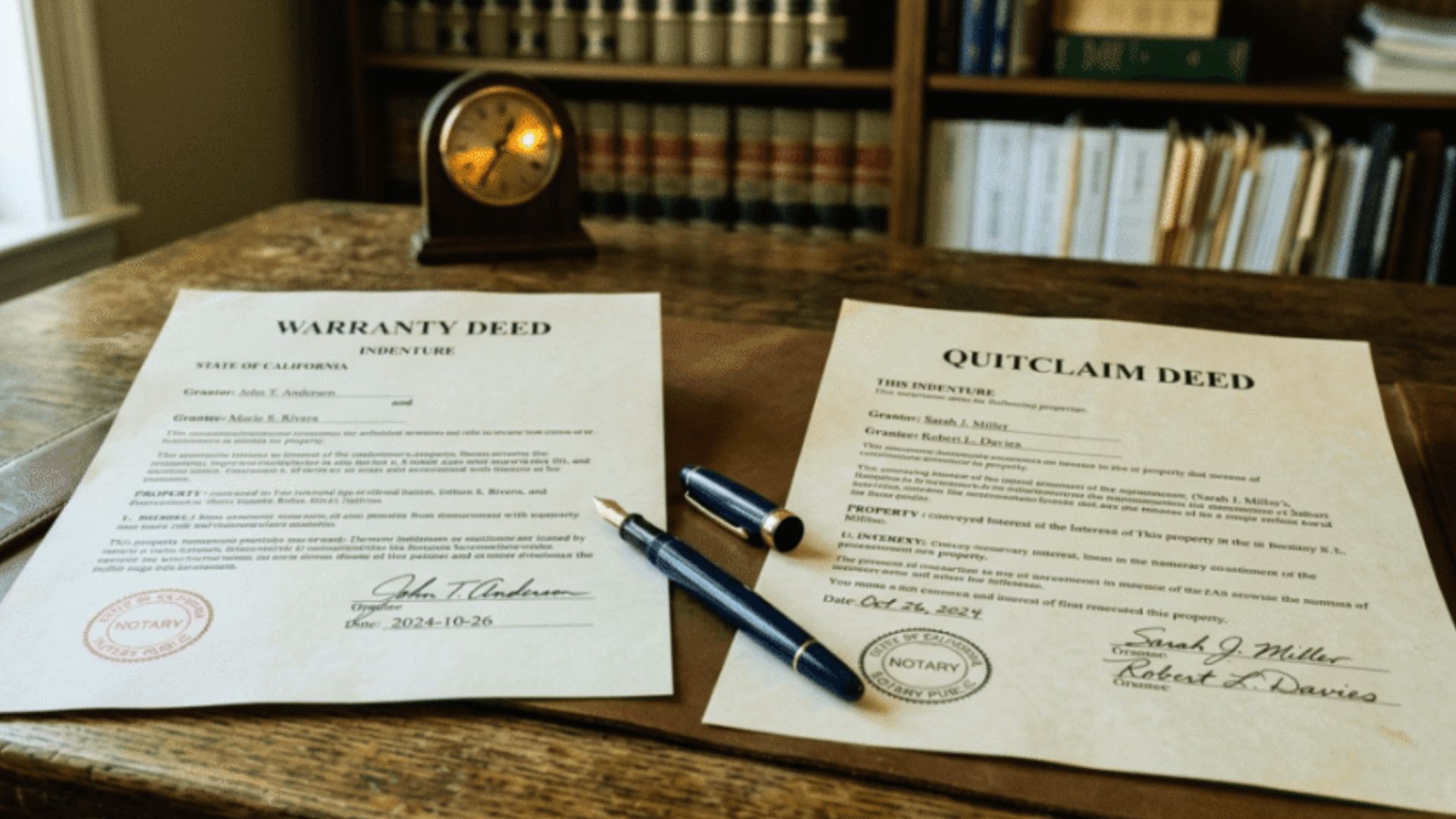
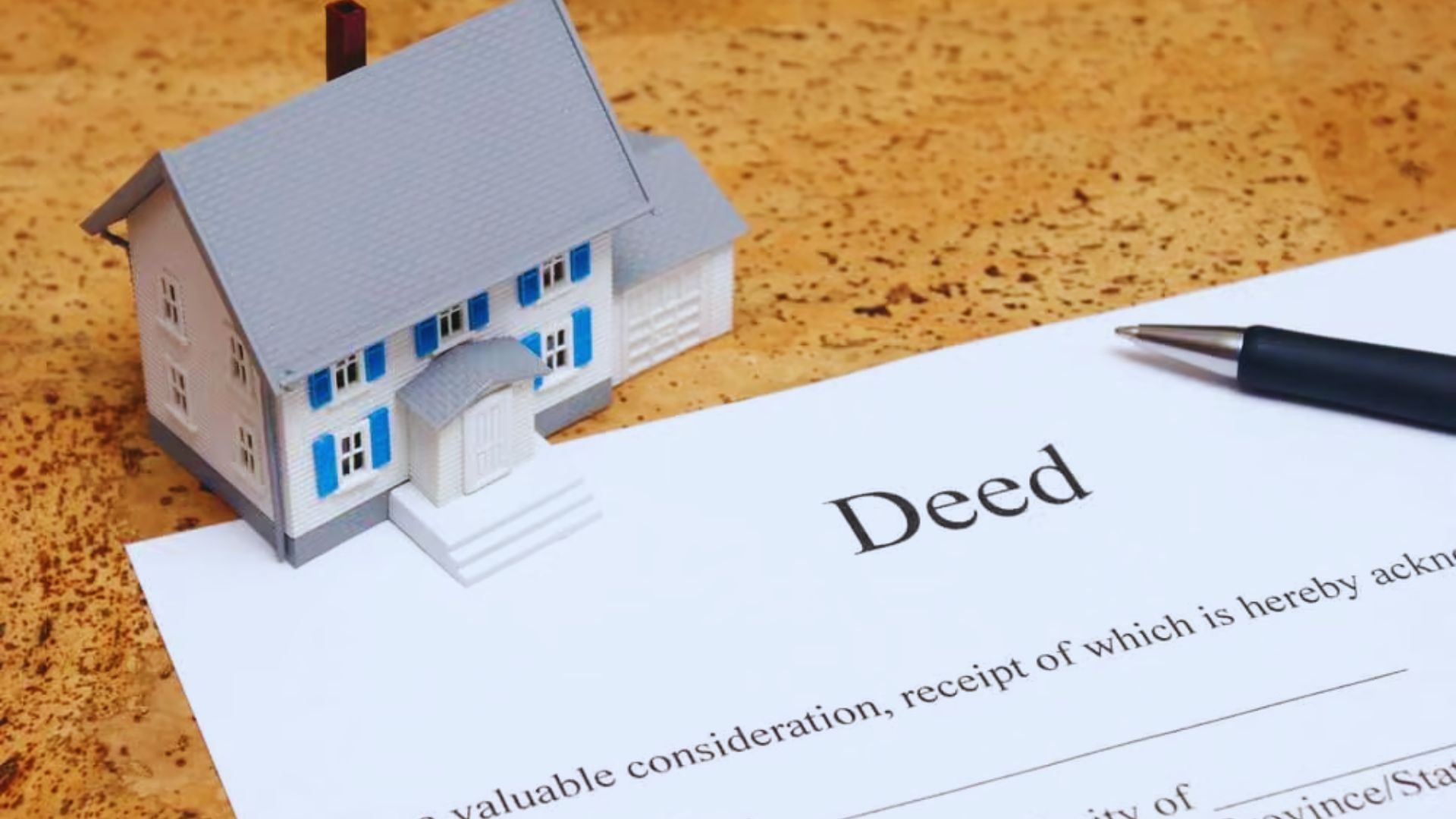
Unlike an encroachment, an easement is authorized. It is usually recorded in the property deed and recognized by local law, and it places a limit on the bundle of rights you receive when you take title to a home.
A common example is a utility easement. The power company may have the legal right to access a strip of land along the back of your yard to maintain power lines.
You still own the land, but the utility company has a documented right to use that portion. When an easement is tied to a company or person like this rather than a neighboring parcel, it's called an easement in gross.
Easements are tied to the property, not the individual owner, which is why this kind is called an easement appurtenant. So if you buy a home with an easement already in place, you inherit that arrangement.
Encroachment vs Easement: Side-by-Side Comparison
Comparing these two concepts helps make the distinction clear and shows why the legal outcome of each is so different.
| Feature | Encroachment | Easement |
| Authorization | Unauthorized | Legally authorized |
| Ownership change | No | No |
| Recorded in deed | No | Usually yes |
| Legal standing | Violation | Protected right |
| Dispute risk | High | Low (when recorded) |
| Effect on property sale | Can delay or block | Must be disclosed |
| Remedy | Removal or negotiation | Must be respected |
Ownership and Property Rights
In both cases, the original property owner retains ownership of the land. However, with an easement, the other party holds a documented legal right to use that specific portion.
With an encroachment, no such right exists. The person using the land has no legal claim to it.
Permission vs. Unauthorized Use
An easement is always based on permission, either granted formally through a legal document, known as an express easement, or established over time through consistent use recognized by law. An encroachment is unauthorized use.
Whether it happened on purpose or by mistake, the affected property owner never gave their approval.
Property Boundaries and Land Use
Easements do not change the actual boundary lines. They simply allow limited use within those boundaries for a defined purpose.
Encroachments physically extend into the boundary of another property, which directly conflicts with where one owner's land ends and another's begins.
Legal Consequences
Encroachments can lead to lawsuits, forced removal of structures, or court-ordered compensation.
In some cases, if an encroachment goes unaddressed for many years, the encroaching party may even attempt to claim legal ownership through a doctrine called adverse possession.
Resolving a dispute like this sometimes calls for a quiet title action, a lawsuit that asks a court to settle who legally owns the disputed strip of land.
Easements, when properly recorded, are generally enforceable and must be respected.
Violating a recorded easement can also lead to legal action, but in this case it is the property owner who interferes with the easement holder's rights who may face consequences.
Impact on Property Value
Encroachments can lower property value because they create legal uncertainty. Buyers and lenders often hesitate when there is an unresolved boundary issue.
Easements may or may not affect value depending on the type.
A utility easement usually has little effect, while an easement that limits how you can develop your land could reduce its marketability.
Types of Encroachments and Easements You Should Know

Not all encroachments look the same, and easements come in several forms too. Knowing the specific type helps you figure out your options.
Fence and Landscaping Encroachments
This is one of the most common types. A neighbor installs a fence, or plants a hedge row, and it ends up a few feet inside your property line.
It might look minor, but even a small fence encroachment can become a legal problem if left unaddressed for years.
Building and Driveway Encroachments
A garage built too close to the property line, or a driveway that angles into the neighbor's lot, are examples of structural encroachments.
These are harder to resolve because removing or relocating a structure costs real money. Many of these cases end in negotiated agreements or legal settlements.
Utility Easements
Utility easements are among the most common easements in residential properties. They give companies like electric, gas, or water providers the right to access a defined strip of land to install or maintain their infrastructure.
As a property owner, you cannot build permanent structures within a utility easement zone.
Private and Public Easements
A private easement benefits a specific individual or neighboring property. For example, a shared driveway agreement between two neighbors is a private easement.
A public easement benefits the general public, such as a sidewalk or a path to a public waterway that crosses private land.
Easements by Necessity, Prescription, and Implication
Some easements are not written in a deed but are still legally recognized, unlike an express easement, which is formally documented in a contract from the start.
An easement by necessity is created when a property has no access to a public road and must cross a neighbor's land to reach it. Courts grant these so land does not become landlocked.
A prescriptive easement is similar to adverse possession. If someone has openly and continuously used a portion of your property for a legally defined period, typically 10 to 20 years depending on the state, they may be able to claim a legal easement even without your permission.
An implied easement arises from the circumstances of how land was divided or used historically, even if nothing was written down at the time.
How Encroachments and Easements Affect Property Owners

Both encroachments and easements carry real consequences for buying, selling, financing, and managing property.
You can sell a property with an encroachment, but it's complicated:lenders typically want a clear title, an unresolved encroachment can cloud it, buyers may walk away or negotiate a lower price, and failing to disclose it can create legal liability.
Easements are more straightforward since they transfer with the property, the buyer simply takes them on, sellers must disclose recorded easements, and a standard utility easement rarely blocks a sale.
For title insurance and financing, encroachments may be excluded from coverage or block insurance until resolved, while easements are usually noted and covered, though a highly restrictive one may trigger extra lender review.
Owners should resolve encroachments promptly and can enforce boundaries, while easement holders retain their right of use as long as they stay within agreed terms.
How to Identify and Resolve Encroachment and Easement Issues
Spotting boundary issues early gives you more options to resolve them without going to court.
Start by reviewing your property survey, since it's the most reliable way to see exactly where your boundaries sit.
Older surveys can be inaccurate if land was subdivided or structures were added over time, so a licensed surveyor is worth the cost if you suspect a problem.
Next, check your deed, chain of title, and recorded easements at the county recorder's office, or through a title search, and read them carefully before assuming your land is unrestricted.
Before hiring an attorney, talk to your neighbor directly and show them the survey, many disputes are simple misunderstandings that get resolved without court involvement.
If encroachment is clear and your neighbor won't cooperate, bring in a real estate attorney, who can send a demand letter, negotiate, or file suit.
Courts may order removal, award damages, or grant an easement as a compromise, depending on the facts.
Common Mistakes Property Owners Should Avoid
Small oversights with encroachments and easements often turn into costly legal problems later.
- Don't assume every encroachment is illegal, some exist under informal neighbor agreements, so verify with a survey and title search before jumping to conclusions, a written agreement can formalize and protect both parties legally.
- Don't skip reviewing easements before buying, an easement running through your lot can limit what you're allowed to build, so always read the details as part of due diligence.
- Don't build without confirming boundaries, most encroachments happen when owners guess where the property line is, so pull a current survey before any construction.
- Don't block or interfere with a recorded easement, planting trees, parking, or building within it can create legal liability, even if it's rarely used.
- Always check recorded easements and boundaries before doing landscaping or construction near your property line.
Encroachment vs Easement: Which One Requires Action?
If a structure sits on your property without authorization, you generally have the right to demand its removal, but waiting too long can weaken your position.
Many states allow the encroaching party to gain legal rights through adverse possession if the encroachment goes unchallenged for a set number of years, so acting early protects your claim.
In fact, if an encroachment continues long enough and the use is open, continuous, and obvious, it may even convert into a prescriptive easement, granting the other party a recognized legal right.
By contrast, a recorded easement is a binding legal obligation you cannot simply ignore or block, and doing so risks legal action from the easement holder. If you suspect an easement has expired or is being misused, consult a real estate attorney before acting.
Before buying property with either issue, get a full title search and current survey, request documentation from the seller, and consider negotiating a price reduction or requiring resolution before closing.
Expert Tips to Prevent Future Property Boundary Disputes
A little preparation now prevents a lot of conflict later.
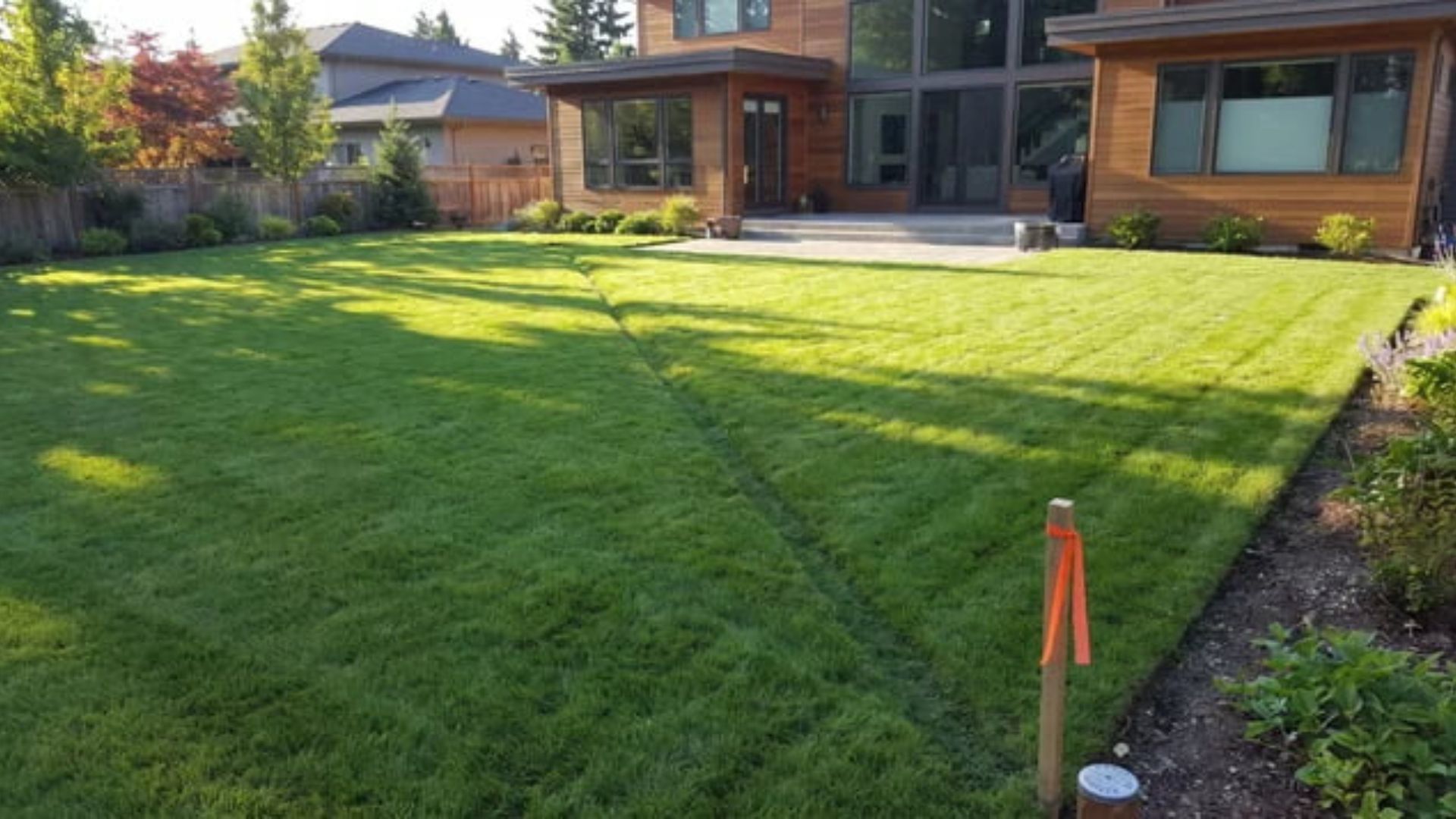
- Order a fresh property survey when buying, don't rely on the seller's old one, and have the surveyor stake out the boundary corners so they're clearly visible.
- Update the survey again anytime you plan to add a fence, shed, or addition near the property line.
- Request a complete title commitment before closing, and have your title company or attorney walk you through any listed easements or encumbrances, reading the exceptions section carefully rather than assuming a clean title means no issues.
- Put any land-use agreement with a neighbor in writing, have it reviewed by a real estate attorney, and record it at the county office if possible, since verbal agreements are hard to enforce and easy to forget.
- Check local rules with your recorder's office or an attorney, since easement and adverse possession laws vary by state, some requiring as little as 5 years of continuous use for a prescriptive easement claim and others up to 20.
Conclusion
Understanding encroachment vs easement is one of the most practical things a property owner can do to protect their investment.
Encroachments are unauthorized boundary violations that need to be addressed before they create bigger legal problems.
Easements are legal rights tied to the land that must be respected and disclosed. Both affect how you buy, sell, and use your property.
Review your survey, read your deed, and talk to a real estate attorney if anything is unclear.
If this guide helped you, share it with someone who is about to buy a home or dealing with a boundary issue right now. They will thank you for it.
Frequently Asked Questions
Can an easement be removed from a property?
Yes, easements can be terminated through mutual written agreement, court order, or if the purpose for the easement no longer exists. A real estate attorney can guide the process.
Does a property survey always show easements?
Not always. A survey shows physical boundary lines and visible encroachments. Recorded easements appear in the title documents, not always on the survey map itself.
How long does an encroachment dispute typically take to resolve?
Simple cases resolved through neighbor negotiation may take weeks. Disputes that go to court can take one to three years depending on the complexity and local court timelines.
Is an encroachment covered by homeowners insurance?
Standard homeowners insurance does not cover boundary disputes or encroachment removal costs. Title insurance may offer some protection depending on the policy terms.
Can two neighbors legally share a driveway through a private easement?
Yes. A shared driveway easement is a common private easement. Both parties should have a written agreement recorded with the county to avoid future disputes.