Paying someone's property taxes feels like a big deal. But does it mean you own the property? Many people ask this exact question and the answer is not always straightforward.
In this article, I will break down how property taxes and ownership actually work.
I will cover what happens when you pay taxes on someone else's property and the rare cases where tax payments can connect to ownership claims.
I have researched this topic carefully so you get honest, clear answers. If you are dealing with family property, inherited land, or a tax sale situation this guide covers everything you need to know.
Understanding Property Taxes and Property Ownership

Property taxes and property ownership are not the same thing. Paying a tax bill does not mean you own what is being taxed.
Property taxes are annual charges placed on real estate by local governments. The legal owner is responsible for paying them.
Ownership is a legal status that is recorded on an official document called a deed. No payment alone can change who holds that deed.
To own a property legally, a proper transfer must happen through official channels. Knowing this difference matters a lot before you ever consider paying taxes on a property that is not in your name.
What Happens When You Pay Someone Else's Property Taxes?
Paying taxes on another person's property is more common than you think, but it rarely changes who legally owns it.
Paying Taxes for a Family Member
Many people pay property taxes for a parent or sibling out of kindness. But this does not transfer ownership. The property still belongs to whoever is named on the deed.
Paying Taxes on Inherited Property
When someone passes away, a family member may start paying taxes to protect the property. This is helpful, but ownership only transfers through a will, probate court, or other legal process.
Paying Taxes on Property Owned by Someone Else
If you pay taxes on a stranger's property, you are not gaining ownership rights. You are simply covering a debt that was not yours to pay.
Can You Recover or Be Reimbursed for Tax Payments?
In some states, you can file a legal claim to recover the money you paid. Always keep receipts and consult a local attorney to understand your options.
Situations Where Paying Property Taxes May Be Connected to Ownership
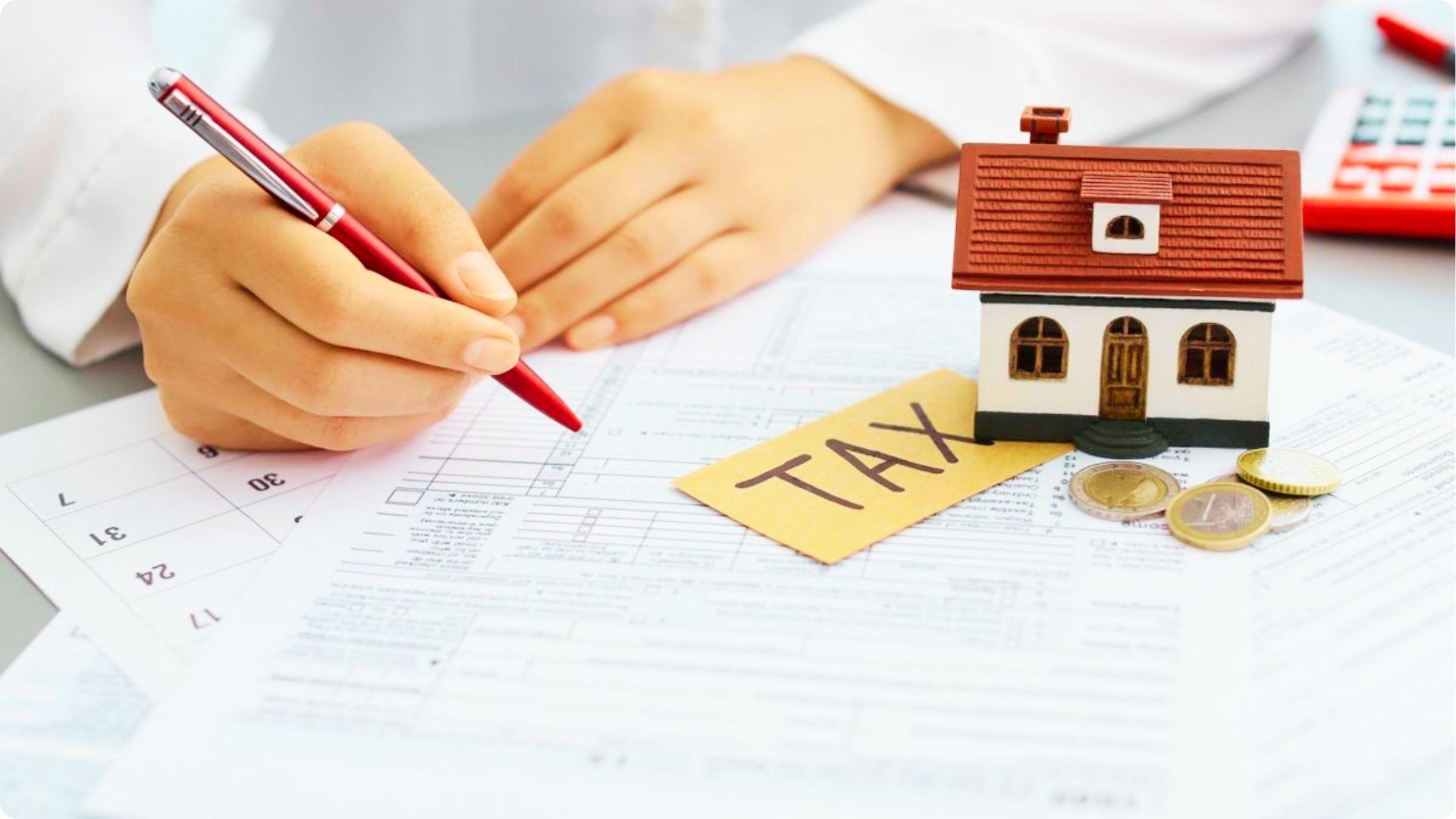
There are a few specific legal situations where tax payments can play a role in property ownership.
How Tax Lien Sales Work
When taxes go unpaid, the government places a lien on the property and may sell it to investors.
Buying a lien gives you the right to collect unpaid taxes plus interest, not the property itself.
Understanding Tax Deed Sales
A tax deed sale happens when the government auctions off a property after long-term tax nonpayment.
The buyer at this auction receives legal ownership of the property.
Adverse Possession and Property Tax Payments
Adverse possession allows someone to claim ownership after openly using a property for many years.
Paying taxes is one requirement, but you also need continuous, open use for a set number of years depending on your state.
State-Specific Laws and Ownership Claims
Every state has its own rules on adverse possession and tax lien claims.
Always check your local property laws or speak with an attorney before making any assumptions.
What Happens When Property Taxes Go Unpaid?

Unpaid property taxes can lead to serious legal consequences for the property owner.
Tax Delinquency and Penalties
When taxes are not paid on time, penalties and interest start to build up fast. The county keeps public records of all delinquent properties.
Tax Liens Explained
A tax lien is a legal claim placed on a property due to unpaid taxes. It must be paid off before the property can be sold or refinanced.
Tax Foreclosure and Tax Sales
If taxes stay unpaid long enough, the government can start foreclosure and sell the property publicly. The original owner loses both the property and any equity built in it.
How Investors Acquire Property Through Tax Sales
Investors buy properties at tax sales, often at below-market prices. However, these properties can carry other liens or legal issues, so thorough research before bidding is very important.
How to Verify Who Actually Owns a Property
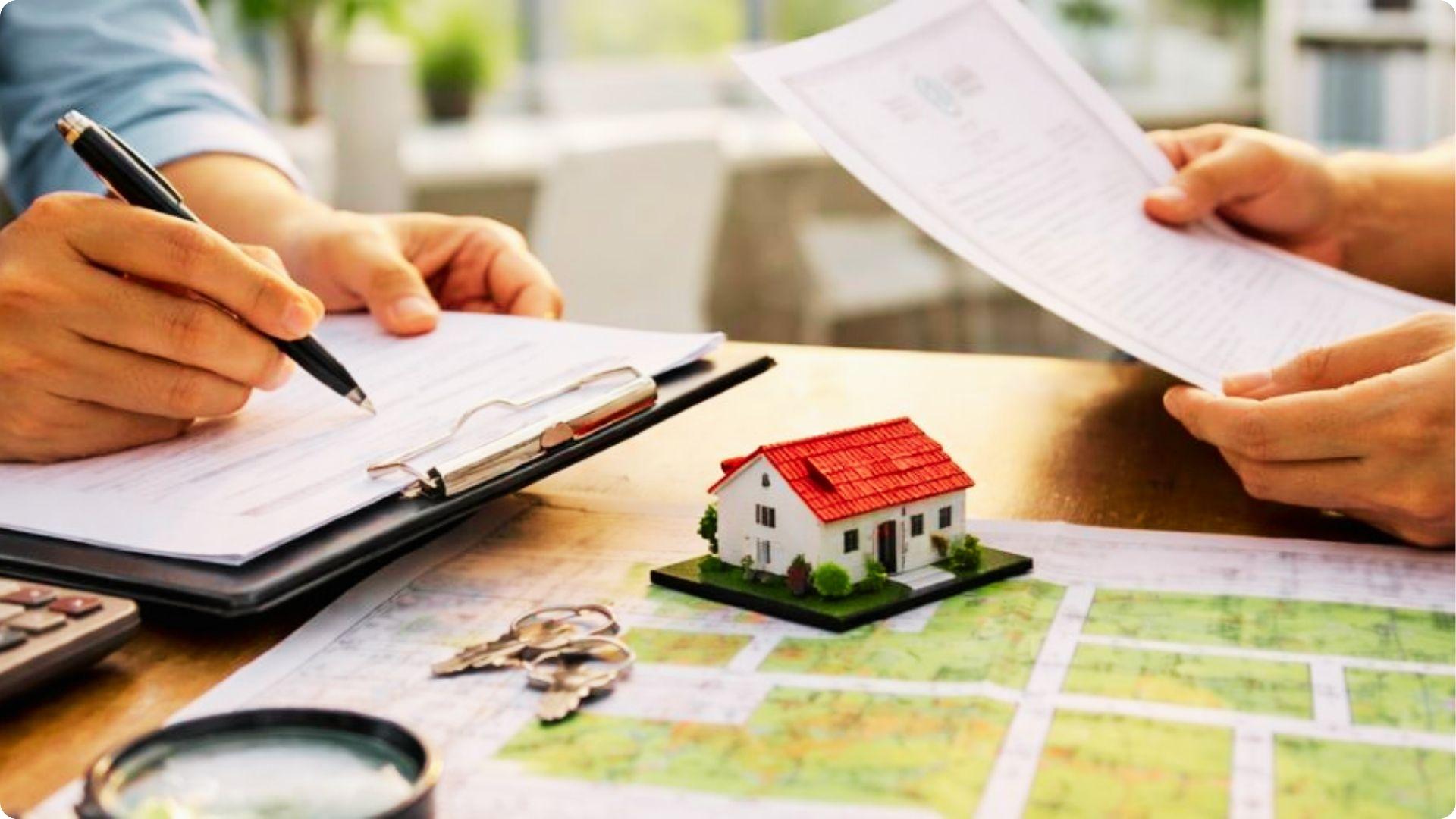
Before making any payments or claims, always confirm who the legal owner is.
Reviewing the Property Deed
The deed is the official document filed with the county recorder's office that shows who owns a property. You can request a copy in person or online.
Searching County Land and Property Records
Most counties offer free online portals where you can look up ownership, tax history, and lien status. It takes only a few minutes and can save you from costly mistakes.
Working With a Real Estate Attorney or Title Company
A real estate attorney or title company can check for liens, ownership disputes, and legal issues. This small step can protect you from much bigger problems later.
Tips Before Paying Someone Else's Property Taxes
A few careful steps can protect you legally and financially before you make any payment.
- Always check county records to confirm who legally owns the property before making any payment.
- Keep all receipts, bank statements, and payment confirmations in case a legal dispute comes up later.
- Research your state's specific property and tax laws since rules vary widely from one place to another.
- Never assume that paying taxes will give you any ownership rights without speaking to an attorney first.
- If you expect any legal claim from your payments, get written legal advice before you proceed.
Conclusion
So, does paying someone's property taxes mean you own it? Almost always, the answer is no. Ownership lives in the deed, not the tax receipt.
I learned this the hard way while helping a family member sort out inherited land. We assumed payments meant something legally.
They did not. Save yourself that stress. Know the law before you pay anything on someone else's property.
If this article helped you, share it with someone who needs it. Drop your questions in the comments. I am always happy to help.
Frequently Asked Questions
If You Pay Someone's Property Taxes Do You Own the Property?
No, paying someone's property taxes does not make you the owner. Ownership is determined by the deed, not by who pays the tax bill.
Can Paying Property Taxes Ever Lead to Ownership?
In rare cases, yes. Through adverse possession, if you pay taxes and openly use a property for many years, you may be able to file a legal claim for ownership.
What Is a Tax Lien Sale?
A tax lien sale is when the government sells the right to collect unpaid taxes to an investor. Buying a lien does not give you the property right away.
What Is a Tax Deed Sale?
A tax deed sale is a public auction where the government sells a property after the owner has failed to pay taxes for a long time. The buyer gets legal ownership.
Can a Family Member Gain Ownership by Paying Property Taxes?
Not automatically. Paying taxes for a relative is a kind act, but it does not transfer ownership. A formal deed transfer or probate process is required to change legal ownership.