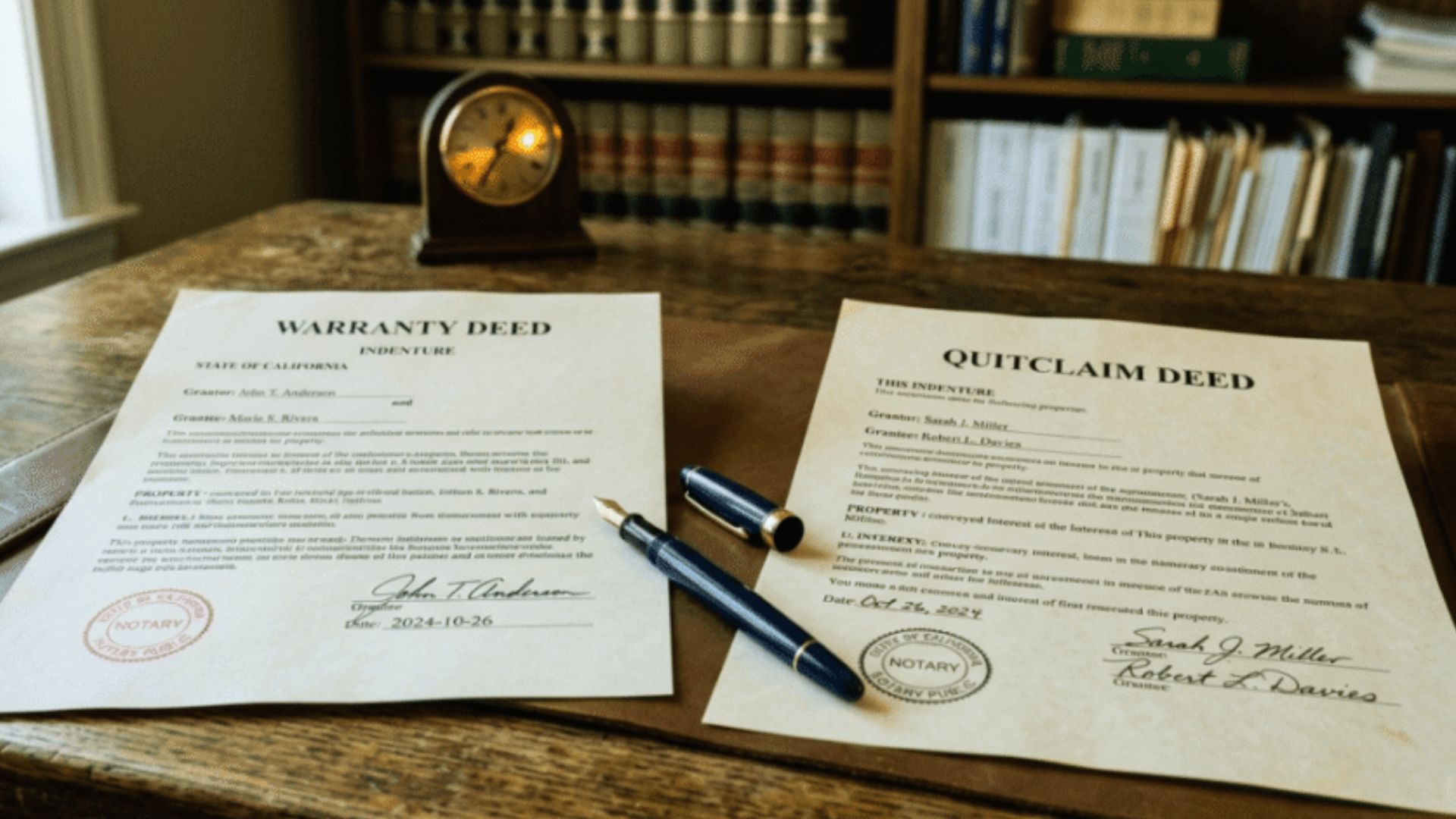
An estate account and a trust account serve different purposes, and knowing which one applies to your situation saves time and stress.
Losing someone you love comes with enough to handle, and then the paperwork begins.
One of the first questions that comes up is whether you need an estate account, a trust account, or both.
The terms sound alike, but they follow different rules and serve different roles.
This guide breaks down what each account does, who controls it, and when you need one.
You will find clear steps for opening either account, along with mistakes worth avoiding. By the end, you will know which account fits your situation.
What Is an Estate Account?

A temporary account that settles a deceased person's financial affairs.
What Is the Purpose of an Estate Account?
An estate account holds a deceased person's money while the executor pays debts, taxes, and expenses.
It keeps estate funds separate from personal accounts, which protects the executor and makes probate easier to track.
Banks and courts both rely on this separation when reviewing the final accounting.
When Do You Need an Estate Account?
An estate account is generally used when estate administration requires the personal representative to collect, manage, pay expenses from, and distribute estate funds.
It lets the executor pay bills, collect income owed to the estate, and later distribute remaining funds to heirs.
Without it, tracking estate finances becomes difficult to prove during court review.
Who Manages an Estate Account?
The executor named in the will manages the account, or a court-appointed administrator does if no will exists.
This role carries fiduciary duty, meaning the executor must use the funds only for estate purposes and stays personally accountable for how the money is handled.
Courts can request records at any point.
What Happens to the Account After Probate?
Once debts and taxes are paid and the court approves the final accounting, the estate account closes.
Remaining funds go to beneficiaries as outlined in the will or by state law. The account should not stay open longer than necessary.
What Is a Trust Account?

An account that holds assets according to the terms set in a trust.
What Is the Purpose of a Trust Account?
A trust account holds assets for beneficiaries, managed by a trustee according to the trust document.
It can operate during the grantor's lifetime or after death. The account exists to distribute assets exactly as the trust instructs.
When Do You Need a Trust Account?
A trust may need a dedicated bank account when the trustee needs to hold or manage cash in the trust's name.
When assets are properly transferred to a trust, they can generally be administered under the trust terms rather than through probate.
Many families set these up specifically to avoid probate delays.
Who Manages a Trust Account?
The trustee named in the trust document manages the account. This can be an individual, a bank, or a professional fiduciary.
The trustee must follow the trust's instructions closely and carries the same fiduciary duty an executor holds over an estate account.
Revocable vs. Irrevocable Trust Accounts
| Factor | Revocable Trust Account | Irrevocable Trust Account |
| Can It Be Changed | Yes, the grantor can change or cancel it anytime | No, terms are locked once established |
| Control | Grantor keeps full control while alive | Control shifts to the trustee and trust terms |
| Asset Protection | Limited protection from creditors | Stronger protection from creditors |
| Tax Treatment | Grantor is usually still taxed personally | Trust may be taxed as its own entity |
Estate Account vs Trust Account: Key Differences

A side-by-side look at how these two accounts actually compare.
| Factor | Estate Account | Trust Account |
| Purpose | Settles debts and distributes assets after death | Manages and distributes trust assets per instructions |
| When It's Opened | After death, during probate | When the trust is created and funded |
| Who Controls It | Executor or court-appointed administrator | Trustee named in the trust |
| How Long It Stays Open | Closes once probate ends | Can stay open for years, even generations |
| How Assets Are Distributed | Per the will or state intestacy law | Per the trust's specific terms |
| Legal Requirements | Requires court supervision | Usually avoids probate entirely |
Can You Have Both Accounts at Once?

Yes, and many families end up needing both at the same time.
When Both Accounts Apply
Someone can hold assets both inside and outside a trust.
Assets left outside the trust may be subject to probate depending on how they are titled and whether another transfer method applies.
Those assets may require an estate account during administration. Properly funded trust assets generally can be administered under the trust terms rather than through probate.
Both accounts can run at the same time, often with the same person serving as executor and trustee.
Why You Should Keep the Funds Separate
Mixing estate and trust funds creates confusion about which rules apply to which money. It also makes accounting and tax reporting harder to sort out.
Keeping the accounts separate protects both the executor and trustee from personal liability.
Risks of Commingling Estate and Trust Funds
Combining these funds can trigger disputes among beneficiaries and raise flags during audits. It may also expose the executor or trustee to personal responsibility for errors.
Courts take commingling seriously, and it can delay the entire process.
How to Open an Estate Account

A step-by-step look at getting an estate account up and running.
Start the Probate Process
The personal representative generally begins the applicable probate or estate administration process with the appropriate court.
Once appointed and authorized, they can take the steps required to manage estate assets.
Banks generally require proof of the personal representative's authority before opening an estate account.
The court issues Letters Testamentary, or Letters of Administration if no will exists, as proof of authority.
Obtain an Estate Tax ID Number
The estate needs its own Employer Identification Number (EIN) from the IRS.
This number identifies the estate for tax purposes and is required to open a bank account, separate from the deceased person's Social Security number.
If the estate meets the IRS filing requirements, its post-death income is reported on Form 1041 using the estate's EIN.
Gather the Required Documents
Banks generally ask for the death certificate, letters testamentary or letters of administration, and the estate's EIN.
Having these ready ahead of time speeds up the process considerably. Missing documents cause most of the common delays.
Open the Account and Transfer Estate Assets
Once documents are in order, the executor opens the account and begins transferring estate assets into it.
From there, bills, taxes, and expenses can be paid directly. Every transaction should be documented for the final accounting.
How to Open a Trust Account

The basic steps for setting up an account under a trust's name.
Create and Fund the Trust
A trust must first be legally created, usually with an attorney, then funded with assets like property, investments, or cash.
Without properly transferring assets to the trust, the trust may not control those assets, which can limit the plan's intended benefits.
Name the Trustee and Beneficiaries
The trust document must clearly name a trustee to manage the assets and beneficiaries who will receive them.
This clarity avoids disputes later and gives the bank what it needs to open the account correctly.
Gather the Trust Documents
Banks usually require a copy of the trust agreement, the trustee's identification, and sometimes a certification of trust.
These documents confirm who holds legal authority to manage the account and act on the trust's behalf.
Open the Account in the Trust's Name
The trustee opens the account in the name of the trust, not their personal name.
This keeps assets clearly separated from the trustee's own finances, which matters for both taxes and liability.
Which Account Do You Need?

It depends entirely on how the assets were structured before death.
| Scenario | Which Account You Need |
| Assets held only in the deceased's personal name | Estate account, since probate is required |
| Assets already placed into a trust before death | Trust account, since probate is usually avoided |
| Some assets in a trust, others still personal | Both an estate account and a trust account |
Tips for Managing an Estate or Trust Account
Small habits that prevent big problems later.
- Keep estate and trust funds in completely separate accounts, never mixed
- Maintain detailed records of every deposit, withdrawal, and payment made
- Understand your fiduciary duties before making any financial decisions
- Match each asset to the correct account before transferring it
- Keep all legal and financial documents organized in one place
Mistakes to Avoid With Estate and Trust Accounts
The errors that cause the most delays and disputes.
- Mixing personal funds with estate or trust money
- Using the wrong account for a specific asset
- Skipping the required tax ID application
- Distributing assets before debts and taxes are paid
- Ignoring the specific terms written into the trust
Conclusion
Sorting through estate and trust accounts while grieving is one of the hardest things a family can face.
Understanding which account does what makes the entire process far easier to manage and far less overwhelming than it might feel at first.
You do not have to get everything perfect on the first try. Take it one step at a time, ask questions when something feels unclear, and lean on professionals when you need support.
If this helped you, drop a comment below or share it with someone who could use it too.
Frequently Asked Questions
Can an estate account and a trust account be the same thing?
No, they serve different legal purposes and are managed by different people. An estate account handles probate assets, while a trust account manages trust-specific property.
Do I need a lawyer to open an estate account?
It is not always required, but a lawyer can help avoid mistakes during probate. Many banks also require legal documents that an attorney can help prepare.
How long does an estate account typically stay open?
It usually stays open until probate closes, which can take several months to over a year. Once debts and taxes are settled, the account closes.
Can a trustee also be a beneficiary of the trust?
Yes, a trustee can also be named as a beneficiary in many cases. They must still act fairly and follow the trust's instructions closely.
What happens if estate and trust funds get mixed together?
Commingled funds can cause legal disputes and accounting problems for everyone involved. It may also expose the executor or trustee to personal liability.